Quick Navigation
- Why Osaka Should Be on Your Japan Itinerary
- Before You Go: The Osaka Travel Essentials
- The Heart of the Matter: Must-See Osaka Attractions
- Osaka Food Guide: A Deep Dive into "Kuidaore" (Eat 'Til You Drop)
- Crafting Your Osaka Travel Itinerary: Sample Plans
- Getting Around Osaka: Transport Made Simple
- Osaka Travel: Your Burning Questions Answered (FAQ)
- Final Practical Tips for Your Osaka Adventure
Let's talk about Osaka. You've probably seen the pictures—the neon-lit streets of Dotonbori, the imposing silhouette of Osaka Castle, the mountains of food. But planning an actual trip there? That's when a million questions pop up. Where should you stay? Is the Osaka Pass worth it? And for heaven's sake, which takoyaki stall has the best ones?
I've been there, scratching my head, trying to piece together information from a dozen different blogs and forums. Some made it sound impossibly complicated, others glossed over the real, practical stuff you need to know. So, I put this guide together. Think of it as a chat with a friend who's been to Osaka a few times, made some mistakes, found some incredible spots, and wants to save you the hassle.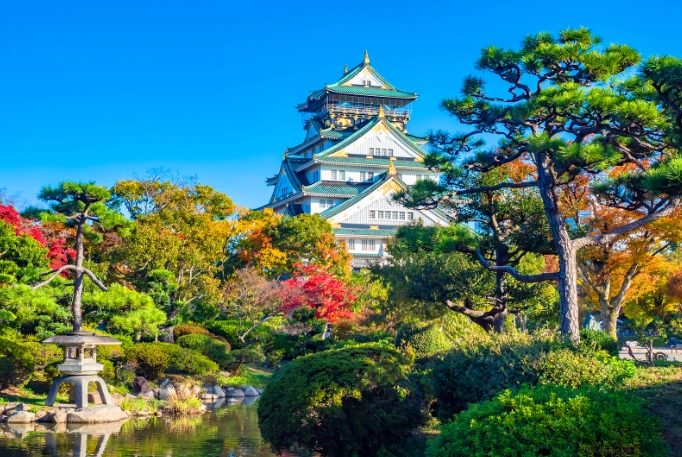
This isn't just a list of attractions. It's the full picture—the logistics, the food deep-dive, the neighborhoods that actually have character, and honest opinions on what's worth your time (and what you can probably skip). We're going to cover everything from booking your hotel to finding that perfect, hole-in-the-wall okonomiyaki joint.
Why Osaka Should Be on Your Japan Itinerary
Tokyo gets all the glamour, Kyoto has the history, but Osaka? Osaka has the soul. It's often called "Japan's Kitchen," and that tells you a lot. The vibe here is different. People are more direct, more outgoing. There's a chaotic, energetic warmth to the place that's incredibly welcoming. While Kyoto can feel like a museum (a beautiful one, but still), Osaka feels alive. It's a city built for enjoyment—eating, laughing, and having a good time. If your idea of a great trip involves incredible food without the pretense, streets buzzing with life, and a mix of modern spectacle and genuine history, then planning your Osaka travel is a fantastic decision.
Before You Go: The Osaka Travel Essentials
Okay, let's get the boring-but-necessary stuff out of the way first. A little prep makes the actual trip so much smoother.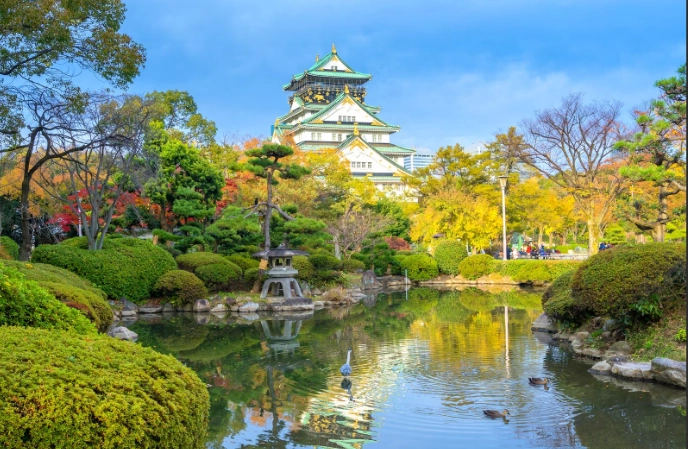
When to Visit Osaka
This is a big one. Japan has distinct seasons, and they dramatically change the experience.
- Spring (March-May): The classic choice. Cherry blossoms (usually late March to early April) are magical, but be prepared for massive crowds and peak prices. The weather is mild and lovely.
- Summer (June-August): Hot and humid. Seriously, the humidity can be brutal. June is the rainy season. However, summer is festival season in Japan, and Osaka has some great ones, like the Tenjin Matsuri in July. If you can handle the heat, it's vibrant.
- Autumn (September-November): My personal favorite. The summer heat fades, the crowds thin out a bit after the Silver Week holiday in September, and you get stunning autumn foliage (koyo) from November. The weather is perfect for walking around.
- Winter (December-February): Cold but dry, and it's the low season for tourism (except around New Year). You'll find better deals on flights and hotels. The illuminations, like at the Midosuji Boulevard, are beautiful. Just pack a warm coat.
So, best time for Osaka travel? Late October to early December, or late March to April (if you don't mind the crowds).
Where to Stay in Osaka: Picking Your Base
Osaka's neighborhoods (or "ku") each have their own personality. Picking the right one can make or break your trip. Here’s a quick breakdown.
| Area | Vibe & Best For | Considerations |
|---|---|---|
| Namba (Minami) | The heart of the action. Dotonbori, Shinsaibashi, epic food, shopping, nightlife. Never sleeps. | Can be noisy, crowded, and hotel rooms are often smaller/more expensive. Perfect if you want to be in the center of it all. |
| Umeda (Kita) | Osaka's modern north. Huge train stations (JR Osaka, Hankyu, Hanshin), department stores, business hubs. More polished. | Excellent transport links to other cities (Kyoto, Kobe). Feels more corporate and less "old Osaka" than Namba. |
| Tennoji | Up-and-coming. Home to the Abeno Harukas (Japan's tallest building), Shitennoji Temple, and Shinsekai. Great value. | Has a grittier, more local charm. Shinsekai feels frozen in the Showa period. Easy access via JR loop line. |
| Honmachi (Central) | Quieter business district right between Umeda and Namba. Subway hub. | A peaceful, convenient middle ground. Lots of business hotels. You'll need to travel for major attractions and nightlife. |
For a first-time Osaka travel experience, I usually recommend Namba if your priority is food and energy, or Umeda if you're using Osaka as a base for lots of day trips. I stayed in Tennoji once and loved the local feel and the view from Harukas, but I did find myself taking the train to Namba almost every evening.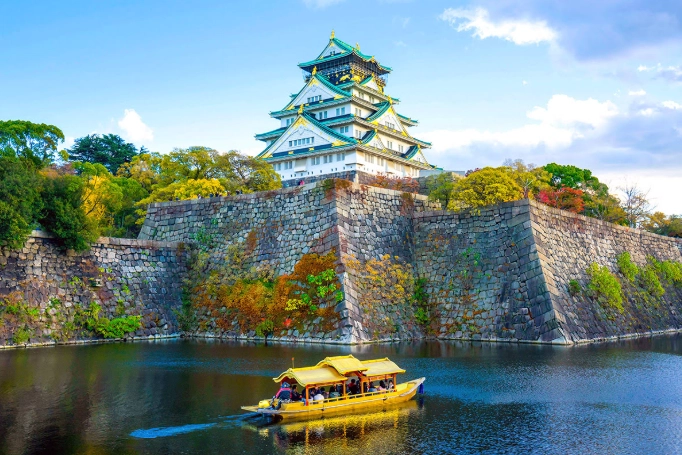
The Heart of the Matter: Must-See Osaka Attractions
Let's dive into the sights. I've split these into categories to help you plan based on your interests.
The Historical & Cultural Icons
You can't talk about Osaka without starting with its most famous landmark.
Osaka Castle: Yes, it's touristy. Yes, the main keep is a concrete reconstruction. But you know what? It's still absolutely worth it. The park grounds are massive and beautiful, especially during cherry blossom season. The castle itself is imposing and photogenic. The museum inside is modern and informative, though it can get packed. My advice? Go early in the morning, walk the grounds, admire the castle from the outside, and then decide if you want to queue for the museum. The view from the top floor is nice, but you can get similar views from other buildings.
Shitennoji Temple: This is Japan's oldest officially administered temple, founded in 593 AD. While the buildings have been rebuilt over the centuries (a common theme in Japan due to fires and wars), the layout is ancient. It feels more serene and spiritual than the castle, with fewer crowds. The Gokuraku-jodo Garden inside is a lovely, peaceful spot. It's in the Tennoji area, so it's easy to combine with a trip to Shinsekai.
The Modern & The Electric
This is where Osaka shines with its unique, bold personality.
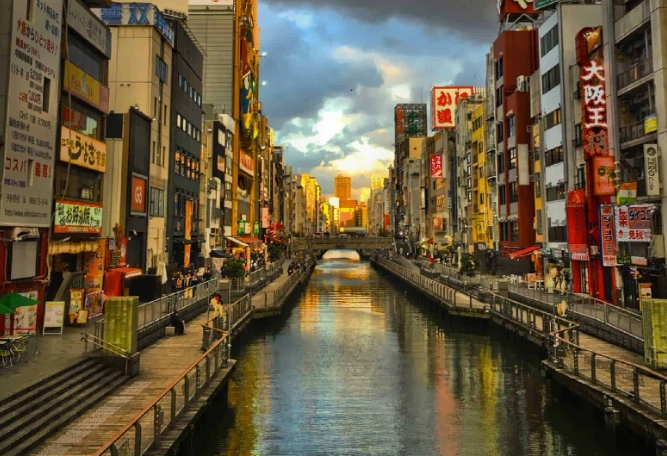
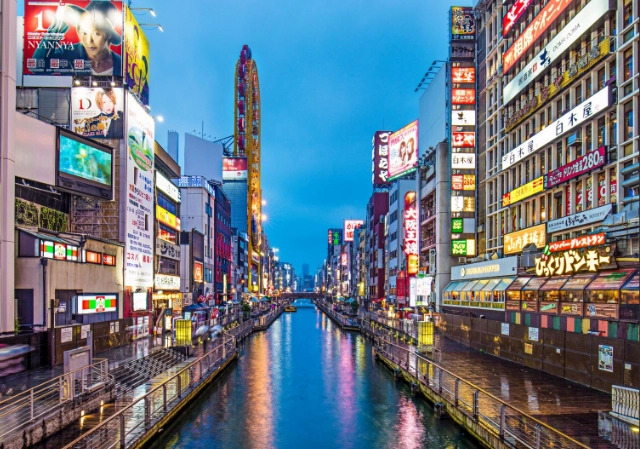
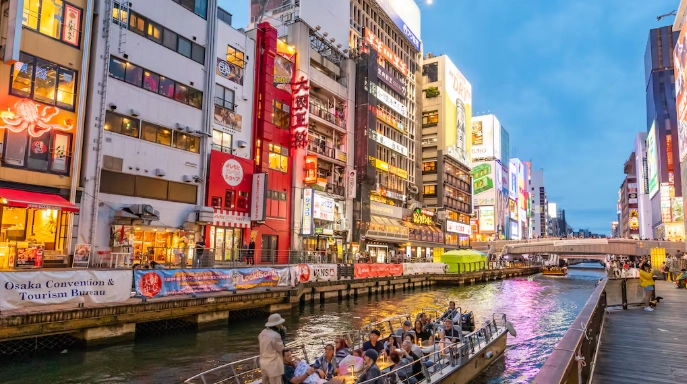
Dotonbori: This is the postcard. The canal lined with outrageous, giant food signs—the running Glico Man, the waving crab, the giant pufferfish. Come here at night when it's fully illuminated. It's pure, unadulterated spectacle. The energy is infectious. Just be prepared for shoulder-to-shoulder crowds on the main strip. The real magic of Dotonbori for Osaka travel is in the dozens of side streets and alleys packed with tiny restaurants and bars.
Umeda Sky Building & Floating Garden Observatory: This is one of my favorite views in Osaka. Two towers connected at the top by a floating garden observatory. You take a glass elevator up, then an escalator through the open air between the buildings. The 360-degree view, especially at sunset or at night, is breathtaking. It gives you a real sense of Osaka's sprawling scale. The basement recreates a 1920s Osaka street scene with restaurants, which is a bit kitschy but fun.
Abeno Harukas: The new kid on the block and Japan's tallest building. The observatory on the 60th floor (Harukas 300) is sleek, modern, and offers a different perspective. It's attached to a huge department store and a train station, making it very convenient.
For Fun & Families
Universal Studios Japan (USJ): A massive theme park, home to the incredible Super Nintendo World and The Wizarding World of Harry Potter. It's a full-day commitment, tickets are expensive, and you must buy them online well in advance. The Express Passes are almost a necessity if you want to ride the major attractions without spending hours in line. Is it worth it for an Osaka travel itinerary? If you or your kids are huge fans of the franchises, absolutely. If not, you might find it a very crowded and expensive detour from exploring the city itself.
Kaiyukan (Osaka Aquarium): One of the best aquariums in the world. Its central tank, representing the Pacific Ocean, is massive and houses a whale shark—a truly awe-inspiring sight. The layout takes you on a spiral journey from the surface to the deep sea. It's located in the Tempozan Harbor Village area, next to the giant Ferris wheel. A great option if you need a break from temples and crowds.
Off the Beaten Path Gems
Shinsekai (& Tsutenkaku Tower): This neighborhood is a time capsule of early 20th-century Osaka. It was built to mimic both Paris (the southern half) and Coney Island (the northern half), resulting in a uniquely retro-futuristic vibe that's now a little faded and wonderfully atmospheric. The Tsutenkaku Tower is the symbol. It's cheesy, cheap to go up, and offers a great view of the old-school neighborhood. This is the best place to try kushikatsu (deep-fried skewers). Just remember the cardinal rule: no double-dipping the shared sauce!
Kuromon Ichiba Market: Often called "Osaka's Kitchen." While it has its share of tourists, it's still a working market where locals shop. It's less overwhelming than Tokyo's Tsukiji Outer Market. You can get incredibly fresh seafood to eat on the spot—oysters, scallops, tuna, sea urchin. Also a great place to try less common street food. Go hungry.
See? There's more to Osaka than just the castle and the Glico Man.
Osaka Food Guide: A Deep Dive into "Kuidaore" (Eat 'Til You Drop)
This is the main event. The phrase "Kuidaore"—to eat until you bankrupt yourself—was practically invented here. Osaka travel is a culinary pilgrimage. Let's break down what you absolutely must try and where to start.
The Holy Trinity of Osaka Street Food
- Takoyaki: Ball-shaped batter snacks with a piece of octopus (tako) inside, cooked in special molded pans, topped with sauce, mayo, bonito flakes, and aonori seaweed. They're hot, gooey, and delicious. Where to try: Anywhere! Street stalls in Dotonbori are iconic. I'm partial to Takoyaki Juhachiban on Dotonbori. For a more refined, creamy version, seek out Takoyaki Wanaka.
- Okonomiyaki: A savory pancake/omelette filled with cabbage, meat/seafood, and whatever else you like ("okonomi" means "as you like"). The Osaka style mixes everything into the batter and cooks it on a griddle. It's then slathered with a sweet-savory sauce. Where to try: Go to a proper okonomiyaki restaurant where you cook it yourself on the table griddle (teppan) or watch the chef do it. Mizuno in Dotonbori is famous (expect lines). For a more local experience, head to the Okonomiyaki Sakura building in Fukushima, which has multiple floors of different okonomiyaki restaurants.
- Kushikatsu: Various ingredients (meat, vegetables, cheese) breaded and deep-fried on skewers. The key is the communal, often tangy, dipping sauce. NO DOUBLE-DIPPING. Seriously, it's a major faux pas. Dip once. Where to try: Shinsekai is the kingdom of kushikatsu. Places like Daruma or Yakitori (despite the name) are institutions with a lively, standing-only atmosphere.
Beyond the Classics: Other Must-Eats
- Ramen: While not originally from Osaka, the ramen scene is fierce. Try the rich, pork-bone based tonkotsu ramen or local styles. The Ramen Museum (Kinryu Ramen) is a cheap, 24-hour spot in Dotonbori with a giant dragon sign—it's basic but hits the spot.
- Fugu (Pufferfish): A risky delicacy. If you want to try it, Osaka is one of the best and safest places. Only licensed chefs can prepare it. It's expensive and the flavor is subtle, but it's an experience. Zuboraya in Dotonbori is a famous, tourist-friendly spot with a giant fugu sign.
- Kitsune Udon: A simple, comforting bowl of thick udon noodles in a sweet dashi broth, topped with a piece of sweet, fried tofu (aburaage). Perfect for a lighter meal. Matsusakagyu Yakiniku M (yes, a yakiniku place) in Namba is oddly famous for its cheap and excellent kitsune udon available at lunch.
Izakayas: The Soul of Osaka Nightlife
For an authentic Osaka travel experience, you must spend an evening at an izakaya (Japanese pub). This is where friends and coworkers go to drink, eat small plates, and unwind. The atmosphere is loud, cheerful, and welcoming. In areas like Hozenji Yokocho (a tiny, stone-paved alley near Dotonbori) or Shin-Osaka Station's local joints, you'll find dozens of them. Point at pictures, order some beer or sake, and try things like edamame, yakitori, grilled fish, or sashimi. Don't be shy; it's often the highlight of the trip.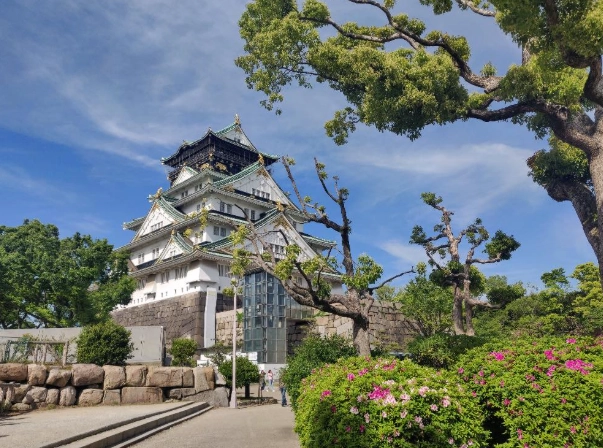
Crafting Your Osaka Travel Itinerary: Sample Plans
How you structure your days depends entirely on how long you have. Here are some realistic templates.
Osaka in a Day (The Blitz)
This is rushed, but possible if you're on a tight stopover or a whirlwind tour.
- Morning: Osaka Castle (just the park and exterior photos to save time).
- Late Morning: Take the subway to Shinsaibashi. Walk through the covered shopping arcade towards Dotonbori.
- Lunch: Takoyaki and okonomiyaki in Dotonbori.
- Afternoon: Explore Dotonbori, walk along the canal. Maybe a quick visit to Hozenji Temple.
- Evening: Head to Umeda. Dinner in the underground food halls or a restaurant, then go up the Umeda Sky Building for night views.
Exhausting, but you'll hit the major beats.
Osaka in 3 Days (The Sweet Spot)
This allows for a much better pace and deeper exploration.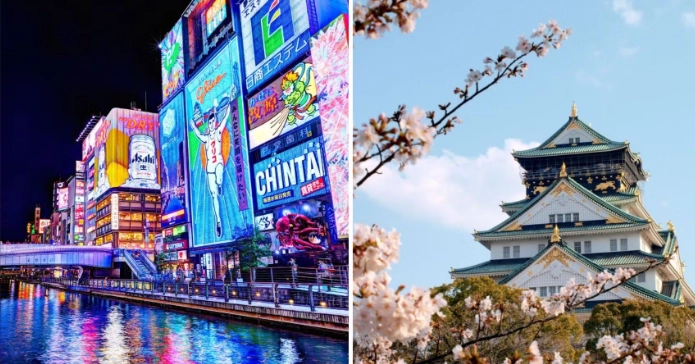
Day 1: South Osaka (Minami)
Shinsaibashi shopping arcade, Dotonbori exploration, lunch at a famous ramen or okonomiyaki spot. Afternoon at Den Den Town (Osaka's Akihabara) if you're into anime/electronics, or relax at Namba Yasaka Shrine (with its giant lion head). Evening izakaya hopping in Hozenji Yokocho.
Day 2: History & Retro Vibes
Morning at Shitennoji Temple. Walk to Shinsekai for lunch (kushikatsu). Go up Tsutenkaku Tower. In the afternoon, head to the Abeno Harukas observatory. Evening could be spent back in Namba or trying a fancy dinner in the Umeda area.
Day 3: Choose Your Adventure
Option A (Modern/Fun): Full day at Universal Studios Japan.
Option B (Cultural/Relaxed): Visit the Osaka Museum of Housing and Living (recreates Edo-period streets), then head to the Kaiyukan Aquarium and Tempozan Ferris Wheel area. Enjoy a sunset cruise on the Santa Maria replica ship.
Option C (Day Trip): Take a 30-minute train to Kyoto or a 20-minute train to Kobe. Both are incredibly easy from Osaka.
Osaka in 5 Days (The Deep Dive)
With five days, you can relax and explore niche interests. Follow the 3-day plan, then add:
- A dedicated food day: Kuromon Market breakfast, a cooking class (learn to make okonomiyaki!), a visit to the Sake Brewery in Nada, Kobe (short trip away), and a reserved dinner at a high-end yakiniku or kaiseki restaurant.
- A day trip to Nara (45 mins by train) to see the deer and Todai-ji Temple's Great Buddha.
- Exploring outer neighborhoods like the Osaka Castle park properly, visiting the Museum of History, or checking out the Expo '70 Commemorative Park.
Getting Around Osaka: Transport Made Simple
Osaka's network looks intimidating on a map, but it's logical once you understand the main players.
- Subways (Osaka Metro): Your main workhorse within the city. Nine color-coded lines. The Midosuji (Red) Line is the backbone, running north-south from Umeda to Namba to Tennoji. Buy single tickets from machines or use an IC card.
- JR Lines: The JR Osaka Loop Line is a circle line above ground that connects major hubs: Osaka (Umeda), Tennoji, Kyobashi (near castle), and connects to Shin-Osaka (Shinkansen station). Essential for getting between Umeda, Tennoji, and the castle area. Also used for day trips.
- Private Railways: Hankyu, Hanshin, Keihan, Nankai. These connect Osaka to suburbs and other cities (Kyoto, Kobe, Nara). You'll likely use them for day trips.
Are Tourist Passes Worth It?
The Osaka Amazing Pass is the main one. It gives you unlimited subway/bus travel for 1 or 2 days, plus free entry to over 40 attractions (like the castle museum, Umeda Sky Building, Tombori River Cruise, etc.).
Do the math. If you plan to visit 3-4 of the included attractions in one day and use the subway a lot, it can be a great deal. If you prefer a slower pace, just wandering and eating, an IC card is cheaper and more flexible. The official Osaka Amazing Pass website has a calculator to help you decide.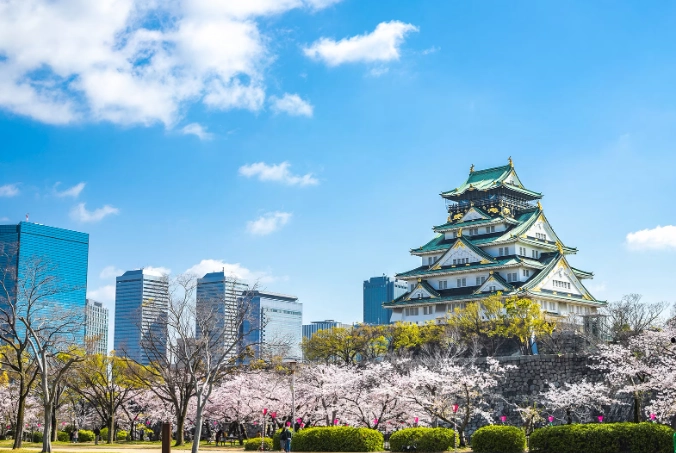
From Kansai Airport (KIX) to the City
- Nankai Rapi:t Train: Fastest way to Namba (about 35 mins). More expensive, but cool retro-futuristic design.
- JR Haruka Airport Express: Goes to Tennoji (30 mins) and Shin-Osaka (50 mins). Good if you're staying near those stations or have a Japan Rail Pass.
- Airport Limousine Bus: Direct buses to major hotels and stations (Umeda, Namba). Takes about 50-60 mins, cheaper than trains, good if you have lots of luggage.
- Standard Nankai or JR Local Trains: The cheapest option, but makes many stops. Takes about 50-70 mins to Namba/Umeda.
Osaka Travel: Your Burning Questions Answered (FAQ)
Final Practical Tips for Your Osaka Adventure
- Pocket Wi-Fi or eSIM: Essential for navigating with Google Maps and translating on the go. Rent one at the airport or arrange an eSIM before you arrive.
- Cash is King (but less so now): While credit cards are accepted in major stores and hotels, many small restaurants, market stalls, and temples only take cash. Always have a few thousand yen on you.
- Trash Cans: They are famously rare. Carry a small bag for your trash and dispose of it at your hotel or at convenience stores (where bins are usually near the entrance).
- Taxis: Expensive but convenient for groups or late at night. The doors open and close automatically—don't touch them! Hailing one is easy. They are safe and drivers are honest.
- Useful Websites: For official event info and cultural sites, check the Osaka Official Tourism Guide. For nationwide travel context, the Japan National Tourism Organization (JNTO) site is a goldmine.
Osaka isn't a city you just see; it's a city you feel. It's in the sizzle of the teppan, the roar of laughter from an izakaya, the warm, gregarious nature of its people. It might not have the polished perfection of some other destinations, and that's precisely its charm. It's real, it's hearty, and it's waiting to show you a ridiculously good time.
So, book that ticket, pack your stretchy pants, and get ready for an unforgettable Osaka travel experience. Just remember to pace yourself at the dinner table.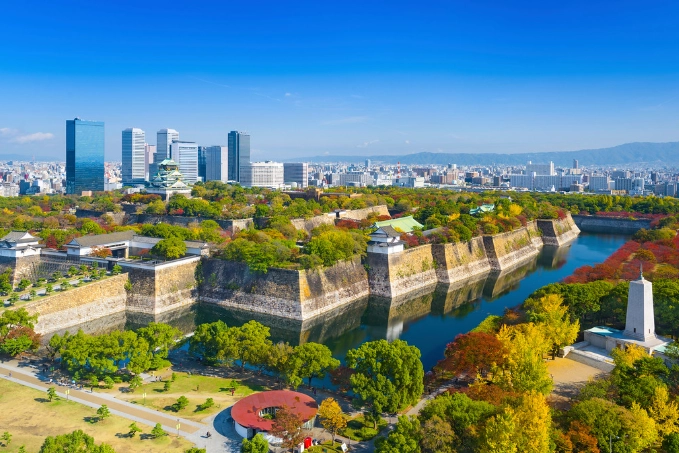
Any other questions? Drop a comment below—I'm happy to help based on my own trips and misadventures.

Comments