You've seen the pictures. Turquoise water, white sand, a perfect sunset. That's Okinawa, sure. But if you think that's all there is, you're missing the real story. Okinawa is a world apart from mainland Japan, with its own history, its own soul, and a pace of life that gets under your skin. I've spent years exploring these islands, and the biggest mistake first-timers make is treating it like a standard beach holiday. It's not. It's a cultural immersion in a tropical setting.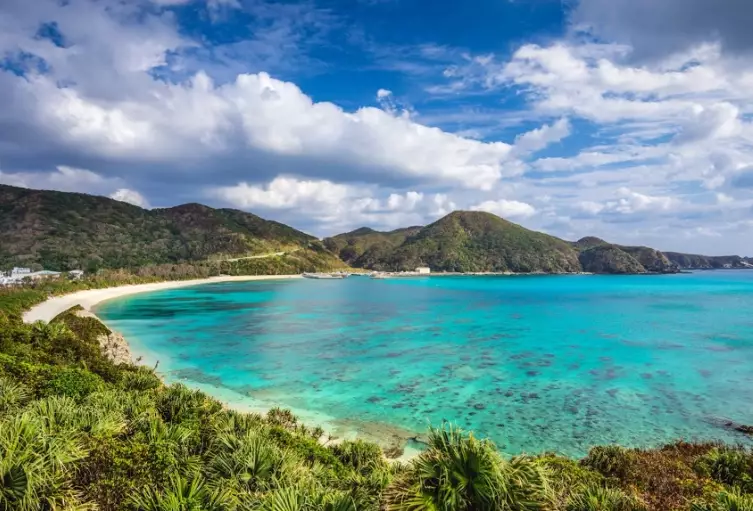
This guide is for the traveler who wants to understand the place, not just photograph it. We'll dive into the Ryukyu Kingdom's castles, find the best bowl of Okinawa soba from a shop that hasn't changed in 50 years, and figure out how to navigate an archipelago that stretches for hundreds of kilometers. Forget the checklist. Let's talk about the experience.
Your Okinawa Journey at a Glance
Why Okinawa is Unique
Okinawa was once the independent Ryukyu Kingdom, a trading hub between China, Japan, and Southeast Asia. That legacy is everywhere. You feel it in the distinct architecture of Shuri Castle, hear it in the melancholic twang of the sanshin (a three-stringed instrument), and taste it in the pork-heavy, vegetable-rich cuisine. The vibe is also different. People move slower. They smile more readily. There's an emphasis on nuchi gusui—the concept that food is medicine—which might explain why Okinawa is famous for its centenarians. According to research often cited by the Okinawa Prefectural Government, lifestyle and diet play a huge role in longevity. Coming from Tokyo or Osaka, the shift is palpable and wonderful.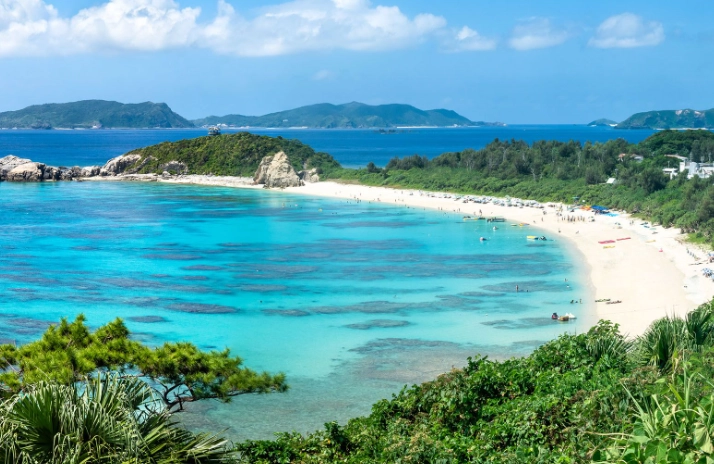
How to Plan Your Okinawa Itinerary
This is the most crucial step. Okinawa Prefecture is over 150 islands. Most visitors only see the main island, Okinawa Honto. That's fine for a first trip, but it's like only visiting Los Angeles and thinking you've seen California.
Here’s a solid 5-day framework for the main island that balances sights, culture, and downtime:
Day 1: Arrival & Southern History. Land at Naha Airport. Don't rush north. The south holds the weight of WWII history. Visit the Okinawa Prefectural Peace Memorial Museum and the Cornerstone of Peace. It's heavy, but essential for context. Stay in Naha, explore Kokusai-dori (International Street) at night for dinner.
Day 2: Castles & Culture. Morning at Shuri Castle (note: the main hall burned in 2019; reconstruction is ongoing, but the sprawling grounds and views are still worth it). Then head to the nearby Tsuboya Pottery District to see traditional Yachimun pottery. Afternoon at the Okinawa Prefectural Museum & Art Museum for a deep dive into Ryukyu history.
Day 3: North to the Coast. Rent a car and drive up the coast. Stop at the stunning Manza Beach. Your main goal is the Churaumi Aquarium in the Ocean Expo Park. Spend 3-4 hours here. The Kuroshio Sea tank is mind-blowing. Consider staying in a resort in Onna Village or Nago for the night.
Day 4: Central Highlights & Local Life. Visit the former US military base turned shopping/entertainment complex, American Village, for a quirky cultural blend. Then, get lost in the local markets like Makishi Public Market in Naha. For a unique experience, join a short sanshin lesson or try making Ryukyu glass.
Day 5: Island Day Trip or Relaxation. Choose: a quick ferry to the Kerama Islands (like Tokashiki) for pristine beaches, or a drive to the quieter east coast villages like Henoko for a glimpse of slow-paced Okinawan life.
Thinking beyond the main island? If you have 7-10 days, add Ishigaki and Taketomi islands in the Yaeyamas for even more dramatic nature, starry skies, and Iriomote Island's jungles. Flights from Naha are frequent.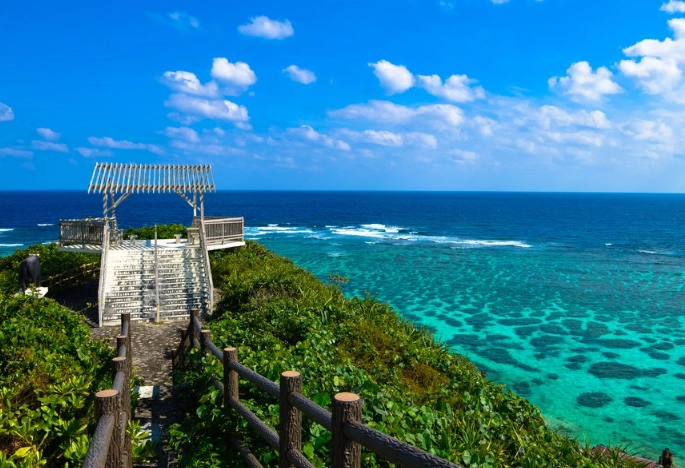
Top Things to Do and See in Okinawa
Beyond the itinerary skeleton, here are the core experiences that define Okinawa.
1. Confront History at Shuri Castle and Peace Sites
Shuri Castle (Shurijo) was the palace of the Ryukyu Kings. The 2019 fire was devastating, but reconstruction is a powerful act of cultural perseverance. You can still walk the stone pathways, see the rebuilt gates, and visit the Unaa courtyard. The view over Naha is incredible. Address: 1-2 Shurikinjocho, Naha. Hours: 8:30 AM - 7:00 PM (last entry 6:30 PM). Admission: About 400 yen for adults for the park area (some sections free).
The Okinawa Prefectural Peace Memorial Museum is a sobering, necessary visit. It details the Battle of Okinawa from the civilian perspective. It's not easy, but it explains the complex US military presence and the deep-seated desire for peace you feel on the islands.
2. Get Lost in the World's Best Aquarium
Churaumi Aquarium is the crown jewel. The main tank, the "Kuroshio Sea," holds 7,500 cubic meters of water and is home to multiple whale sharks and manta rays. It's an engineering and ecological marvel. Watch the feeding presentation. Address: 424 Ishikawa, Motobu-cho. Hours: 8:30 AM - 6:30 PM (varies seasonally). Admission: 1,850 yen for adults. Buy tickets online to skip queues.
3. Find Your Beach (Beyond the Resort Ones)
Yes, Manza Beach and Emerald Beach are famous. But for something different, try Mibaru Beach on the southeast coast—it's known for its "glass boat" tours over coral. Or, take a 15-minute ferry from Tomari Port in Naha to Tokashiki Island in the Keramas. Aharen Beach there is paradise found.
4. Experience Ryukyu Culture Firsthand
Culture here isn't just in museums. Book a sanshin lesson (many guesthouses offer short sessions). Visit the Ryukyu Mura theme park near Onna for a condensed, but well-presented, look at traditional crafts, houses, and dances. For something authentic, check the schedule for local Eisa drumming festivals, especially in summer.
A Taste of Okinawa: Food and Drink
Okinawan cuisine will surprise you. It's hearty, savory, and uses ingredients like bitter melon (goya) and purple sweet potato.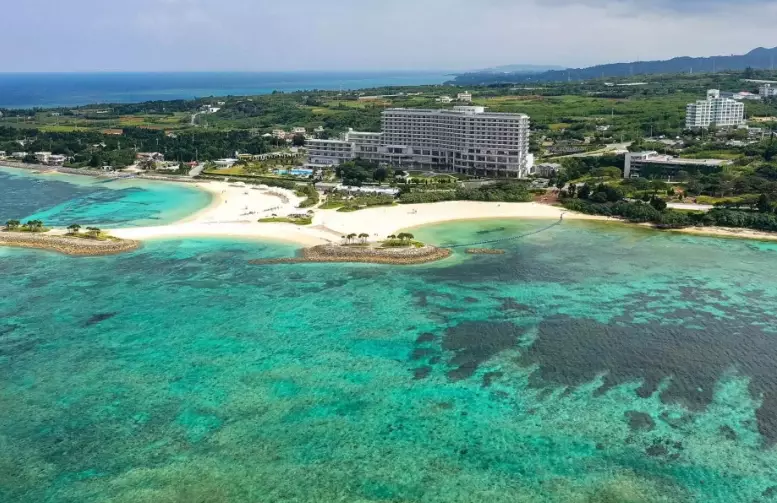
Must-Try Dishes:
- Okinawa Soba: Not like mainland soba. This is wheat noodles in a pork-bone broth, topped with stewed pork belly (soki), fish cake, and green onions. The soul food.
- Goya Champuru: A stir-fry of bitter melon, tofu, egg, and Spam or pork. An acquired taste, but a staple.
- Rafute: Pork belly stewed for hours in soy sauce, awamori (local spirit), and sugar until meltingly tender.
- Taco Rice: The iconic fusion food: taco-seasoned meat, lettuce, tomato, and cheese over rice. Invented for US military personnel.
- Blue Seal Ice Cream: An American-born, Okinawa-adopted ice cream institution. Try the purple sweet potato flavor.
Where to Eat:
- For Authentic Soba: Shuri Soba near Shuri Castle. A tiny, no-frills spot. Address: 1-7-1 Shurikinzocho, Naha. Budget: 700-1000 yen.
- For a Local Vibe: Makishi Public Market 2nd floor. Buy seafood downstairs, take it upstairs to a communal cooking restaurant. It's chaotic and fun.
- For Taco Rice: King Tacos (multiple locations). The original chain. Open late, perfect after a night out.
Where to Stay in Okinawa
Location dictates your trip's rhythm. Here’s a breakdown.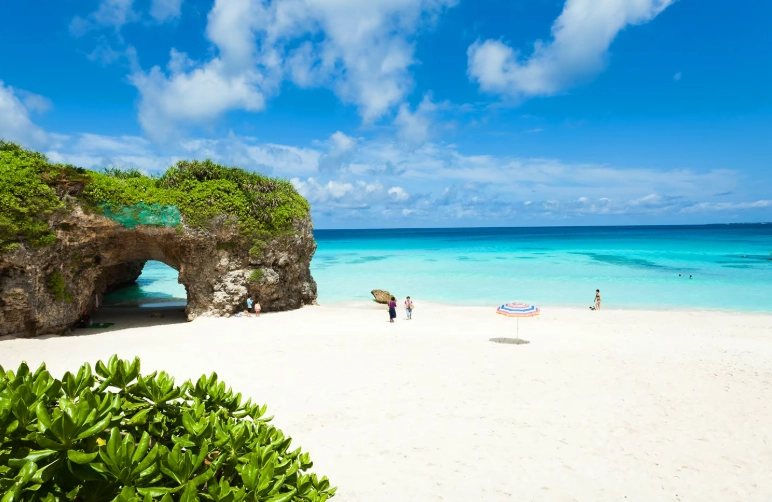
| Area | Best For | Vibe | Price Range (per night) |
|---|---|---|---|
| Naha (Kokusai-dori) | First-timers, foodies, non-drivers, short stays. | Urban, convenient, bustling. Easy access to monorail, ferries, shops. | Budget: 5,000-9,000 yen Mid: 10,000-18,000 yen |
| Onna Village (Central West Coast) | Beach lovers, divers, couples, resort relaxation. | Resort strip with beautiful beaches (like Manza). Many hotels have private beach access. Requires a car. | Mid: 15,000-25,000 yen Luxury: 30,000+ yen |
| Nago / Motobu (North) | Families, nature, Churaumi Aquarium visitors. | More relaxed, closer to northern attractions like the aquarium and Cape Manzamo. Very car-dependent. | Mid: 10,000-20,000 yen |
| Ishigaki / Taketomi (Yaeyama Islands) | Second-time visitors, adventure, ultimate beaches. | Island paradise. Slower, more remote, with the best snorkeling and starry skies. | Mid: 12,000-25,000 yen |
My personal take? If it's your first time and under 4 days, stay in Naha. Over 4 days and you have a car, split your stay between Naha and Onna/Nago.
Practical Tips for Your Okinawa Trip
Getting Around: The monorail (Yui Rail) only covers Naha. To explore freely, renting a car is almost essential. International driving permits are required for most foreigners. Book your car rental early, especially in peak season. Companies like Times Car Rental or Orix are reliable. If you can't drive, rely on tourist buses (like the Churaumi Bus) and taxis, but your range will be limited.
Language: Basic English is understood at major hotels and tourist spots. In local restaurants and shops, Japanese (or even a few words of the Okinawan dialect, like mensore for welcome) goes a long way. Have a translation app ready.
Budgeting: Okinawa can be cheaper than Tokyo, but costs add up. Car rental is 6,000-10,000 yen/day. A good meal can range from 800 yen (soba shop) to 3,000+ yen (restaurant). Entrance fees to major sights are usually 500-2,000 yen.
Sustainable Travel: The coral reefs are fragile. Use reef-safe sunscreen. Take all your trash with you from beaches. Support local businesses and artisans directly. The Japan National Tourism Organization has guidelines for responsible travel that apply well here.
Your Okinawa Questions Answered
Is Okinawa expensive for tourists compared to mainland Japan?
It can be, but for different reasons. Accommodation in beach resorts is pricey. Car rental is a major added cost you might not have in cities. However, local food like Okinawa soba is very affordable, and many natural attractions (beaches, hikes) are free. Your biggest budget factor is transportation style.
I don't speak Japanese. Will I struggle in Okinawa?
You'll manage, but with effort. Major tourist hubs have English signs and menus. The real barrier is outside Naha and the main resorts. My advice: learn a few key phrases (“kore kudasai” for “this please,” “arigatou”), use Google Translate's camera function for menus, and don't be shy about pointing. Okinawans are generally patient and helpful.
What's the best time of year to visit Okinawa?
Late March to early May (cherry blossoms, comfortable weather) and October to early December (low humidity, warm seas) are ideal. Summer (June-August) is brutally hot, humid, and rainy (typhoon season). It's also peak domestic tourism. I avoid July and August. Winter is mild but the ocean is too cold for most to swim.
Is it really necessary to rent a car?
For a trip beyond Naha and a single beach, yes. Public transport is sparse and slow. The magic of Okinawa is in the hidden coastline lookouts, the tiny family-run shops, and the freedom to stop when you see something interesting. That requires wheels. If you absolutely cannot drive, base yourself in Naha and book organized day tours to the north and Kerama Islands.
Are there any cultural faux pas I should avoid?
The big one is related to the war and US military bases. It's a sensitive, complex topic. Listen more than you speak. Otherwise, standard Japanese politeness applies. A subtle one: when visiting Shuri Castle or sacred sites like Sefa Utaki, the atmosphere is more reverent than your average castle in Kyoto. Tone down the boisterousness.

Comments