Quick Navigation
- Why Kyushu? What Makes It Special
- The Can't-Miss Destinations: A Kyushu Travel Hit List
- Getting Around: The Kyushu Travel Logistics
- Crafting Your Perfect Kyushu Itinerary
- Food & Drink: The Kyushu Travel Culinary Map
- Practical Stuff: Budget, When to Go, Etc.
- Kyushu Travel FAQs: Your Burning Questions Answered
So you're thinking about a trip to Kyushu. Good choice. Forget the packed streets of Tokyo and the tourist trails of Kyoto for a second. Kyushu is different. It's where Japan gets a bit wilder, the food gets richer, and the landscapes literally steam and bubble. I spent weeks there, getting lost in tiny ramen shops, soaking in remote onsens, and figuring out the train schedules the hard way. This guide is everything I wish I'd known before my first Kyushu travel adventure.
Let's get one thing straight upfront: planning Kyushu travel can feel overwhelming. It's not one single city; it's a whole island with seven prefectures, each with its own personality. Do you chase volcanoes? Stuff yourself with food? Or just relax in hot spring towns? The answer is usually "all of the above," but making it fit together is the trick.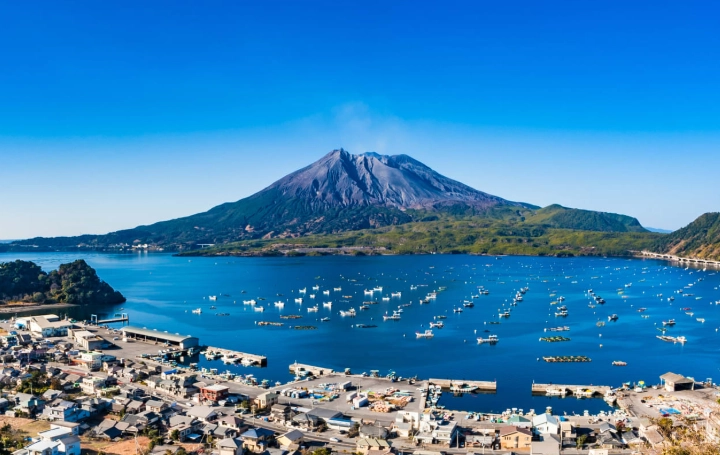
Why Kyushu? What Makes It Special
Kyushu often gets called "the cradle of Japanese civilization," which sounds grand, but it's true. This is where much of Japan's early history with the wider world began. But for the modern traveler, the appeal is more visceral.
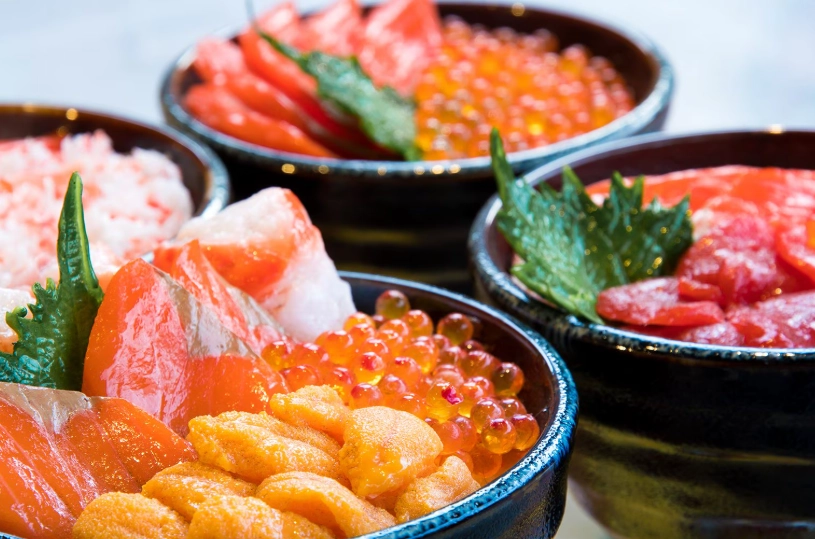
Think active volcanoes you can hike around or even peer into. Think hot springs that aren't just hotel amenities but entire towns built around them. Think food that's unapologetically bold—creamy pork bone ramen, delicate Kagoshima black pork, horse sashimi (if you're brave), and some of the best sake in the country. The pace is slower, the people are famously friendly, and the scenery shifts from lush green mountains to dramatic coastlines in a short train ride.
It's also a logistics dream if you use the right tools. The Japan Rail Pass covers almost all major lines here, and the JR Kyushu network is efficient. But more on that later.
 In short, Kyushu is for the traveler who wants a deeper, hotter, and tastier slice of Japan.
The Can't-Miss Destinations: A Kyushu Travel Hit List
You can't see it all in one go. Don't try. Focus on a couple of regions based on your interests. Here’s my breakdown, from the essential cities to the hidden gems.
Fukuoka: The Gateway & Food Capital
Most Kyushu travel starts here, at Hakata Station. Fukuoka is a buzzing, modern city that somehow feels relaxed. It's split into two main areas: Hakata (the transport and business hub) and Tenjin (the shopping and nightlife district).
The number one thing to do here is eat. The yatai (open-air food stalls) along the Naka River in Nakasu are legendary. They open around 6 PM, and you squeeze onto a stool for some of the best ramen, yakitori, and oden of your life. It's touristy, yes, but for a reason—the atmosphere is electric. For a more local ramen experience, head to the ramen stadium in the Canal City shopping complex or just wander the backstreets of Hakata.
Beyond food, visit the ruins of Fukuoka Castle in Ohori Park for a nice stroll, see the contemporary art at the Fukuoka Art Museum, and take a short train ride to the seaside shrine of Dazaifu Tenmangu. Dazaifu is a major historical site and a beautiful spot, especially when the plum blossoms or wisteria are in bloom.
Beppu & Yufuin: The Onsen Wonderland
If your idea of a perfect Kyushu travel day ends with you sitting in a hot spring staring at mountains, this is your place. Beppu is famous for its "Hells" (Jigoku)—spectacular, multi-colored hot springs for viewing, not bathing. They're cool to see (the cobalt blue one is stunning), but honestly, they can feel a bit like a theme park.
The real magic is in the actual bathing. Beppu has public bathhouses (like Takegawara Onsen, a historic wooden building) and countless ryokan with private springs. For a unique experience, try a sand bath where you're buried in naturally heated sand at Beppu Beach.
Now, my preference leans towards Yufuin, a smaller, more picturesque onsen town about an hour inland by train. Nestled in a valley under the shadow of Mount Yufu, the main street, Yunotsubo Kaido, is lined with cute cafes, craft shops, and art galleries. The vibe is artistic and relaxed. Rent a bike, cycle past fields and traditional houses to Lake Kinrin, and soak in one of the many ryokan baths. It's less crowded and more atmospheric than Beppu, in my opinion.
Nagasaki: A City of Profound History & Night Views
Nagasaki's history is heavy, but visiting is essential. The Nagasaki Peace Park and Atomic Bomb Museum are somber, powerful, and meticulously presented. It's not an easy visit, but it's an important one. Give yourself time here.
But Nagasaki isn't defined solely by that tragedy. Its history as Japan's only open port during the Edo period's isolation created a unique cultural blend. You can see it in the architecture of Glover Garden (Western-style homes on a hill), the serene Suwa Shrine, and the Oura Church, the oldest standing Christian church in Japan.
For dinner, head to the Shinchi Chinatown for champon, a hearty noodle soup born here. Then, take the ropeway up to Mount Inasa. The night view from the observatory is consistently ranked among the top three in Japan—and it absolutely lives up to the hype. The city sprawls out in a sparkling blanket of light around the famous harbor. Worth every yen.
Kumamoto & the Mighty Aso Volcano
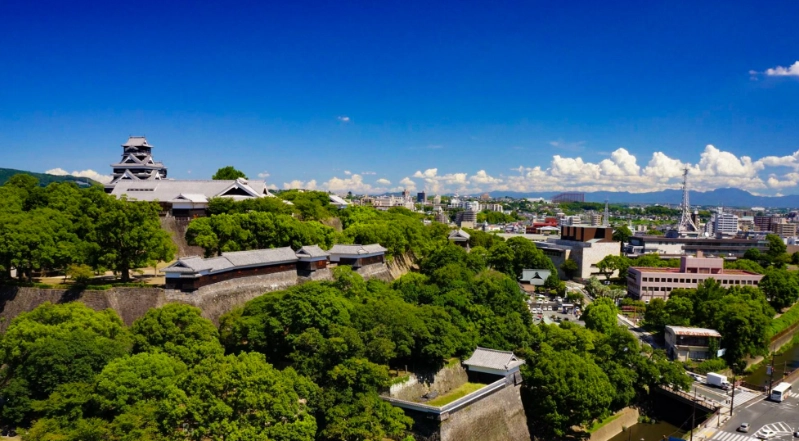
Kumamoto's star attraction is Kumamoto Castle, one of Japan's great castles. Severely damaged in the 2016 earthquakes, its restoration is a monumental, ongoing effort. You can see the incredible work—giant wooden beams being fitted by crane—and visit parts that have been rebuilt. It's a fascinating look at traditional construction and modern resilience.
But the real natural wonder is a train or bus ride away: Mount Aso. This is one of the world's largest calderas, with an active volcanic crater at its center, Nakadake. Whether or not you can get close to the crater depends on volcanic gas levels (check the Japan National Tourism Organization's Aso page for current alerts). Even if it's closed, the scale of the caldera itself, with its rolling grasslands and scattered towns, is breathtaking. You can take a ropeway or drive up to the crater rim if conditions allow.
Just driving or taking the train through the Aso region is a highlight of any Kyushu travel itinerary. It feels vast and ancient.
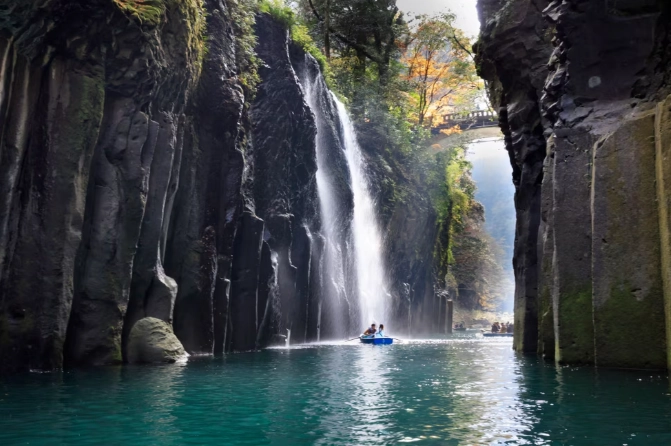 I stood at the Aso crater rim when it was open. The sulfur smell, the billowing steam, the sheer power of it—it's humbling. It makes you feel very small.
Kagoshima: The Naples of Japan
Kagoshima is dominated by Sakurajima, an active volcano that constantly puffs ash across the bay. The city lives with it—you'll see people sweeping ash off their cars. Take the frequent ferry across to Sakurajima itself. You can drive around it, hike trails (check closures), and soak in foot baths with a view of the volcano.
Back in the city, the Sengan-en Garden is a beautiful samurai villa garden with a direct, framed view of Sakurajima. Kagoshima is also famous for its Kurobuta (black pork). Try it as shabu-shabu, in a tonkatsu (fried cutlet), or in the local specialty, "Satsuma-age" (fried fish cake). The local shochu (a distilled spirit) is also top-tier.
Getting Around: The Kyushu Travel Logistics
This is where people get stressed. It's actually simple if you decide on your strategy.
The JR Kyushu Rail Pass is Your Best Friend. If you're hopping between major cities (Fukuoka, Kumamoto, Kagoshima, Nagasaki, Beppu), the nationwide Japan Rail Pass or a regional JR Kyushu Pass is almost always worth it. The shinkansen (bullet train) and limited express trains are covered, making travel fast and comfortable. Calculate your trips on Hyperdia (a route search website) to see if it pays off. For a classic one-week Kyushu travel loop, it almost certainly will.
Rent a Car for the Deep Dive. Want to explore the wild coastlines of the Kunisaki Peninsula, the remote onsens of the Ibusuki area, or the backroads of the Aso caldera at your own pace? Rent a car. Kyushu's rural areas are perfect for driving. Roads are good, and having a car gives you freedom no train can match. Just get an International Driving Permit before you leave home.
Buses Fill in the Gaps. For some destinations, like from Beppu to Yufuin or to some trailheads around Aso, buses are the only practical option. They're reliable and comfortable.
| Route | By Shinkansen/Ltd. Express | By Car (approx.) | Notes |
|---|---|---|---|
| Fukuoka (Hakata) → Kumamoto | ~35-40 mins | ~2 hours | Shinkansen is a no-brainer. Fast and covered by JR Pass. |
| Kumamoto → Kagoshima | ~45 mins | ~1.5 hours | Again, train wins for speed and convenience. |
| Fukuoka → Nagasaki | ~2 hours | ~2.5 hours | The Kamome limited express is a lovely coastal route. |
| Beppu → Yufuin | ~1 hour (Yufuin no Mori train) | ~1 hour | The scenic "Yufuin no Mori" train is an experience itself. |
| Exploring Aso Caldera | Not practical | Essential | Public transport inside the caldera is very limited. Car is king here. |
Crafting Your Perfect Kyushu Itinerary
Here’s the meat of it. How many days do you need? Here are a few templates based on common timeframes. Remember, these are frameworks—steal the parts you like.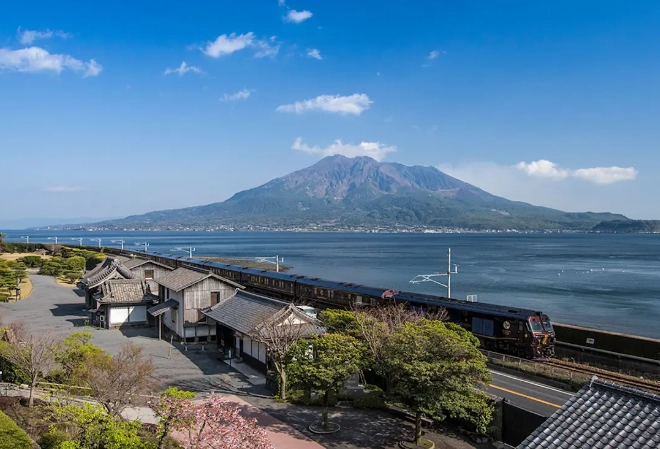
The 5-Day Kyushu Travel Taster
This is fast-paced but hits the icons. Focus on one or two bases.
- Days 1-2: Fukuoka. Arrive at FUK. Dive into the food scene. Day trip to Dazaifu.
- Day 3: Nagasaki. Take the early Kamome train to Nagasaki. Spend the day on history and culture. See the night view. Stay overnight.
- Day 4: Kumamoto & Aso. Train to Kumamoto. See the castle (exterior/museum if main keep is closed). Then take a bus or train to Aso. Stay in an Aso onsen town.
- Day 5: Back to Fukuoka. Morning in Aso, then travel back to Hakata for your flight out.
You miss the onsen towns of Beppu/Yufuin, but you get history, food, and a volcano.
The 7-10 Day Kyushu Travel Deep Dive (The Recommended Sweet Spot)
This allows for a more relaxed and rounded experience.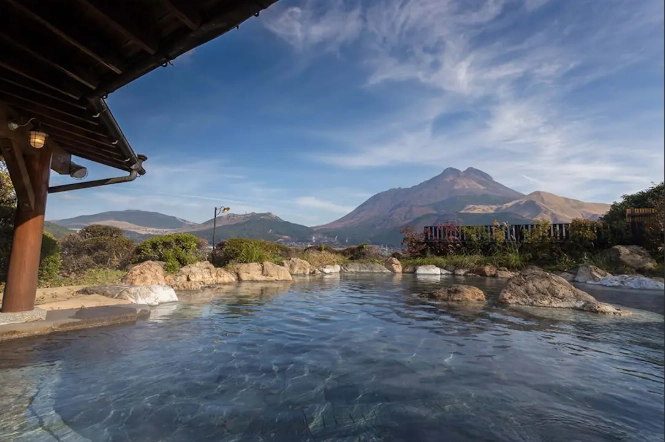
- Days 1-2: Fukuoka. Acclimatize and eat.
- Day 3: Nagasaki. Train to Nagasaki, explore, stay overnight.
- Day 4: Travel to Unzen or Shimabara. Instead of going straight back north, head to the quieter hot spring area of Unzen (a bit trickier by transit) or the castle town of Shimabara. A slower pace.
- Day 5: Kumamoto. Travel to Kumamoto, visit the castle.
- Day 6: Mount Aso. Head into the caldera. Rent a car here or take a bus tour. Stay in a ryokan in Aso or Kurokawa Onsen (a bit farther but stunning).
- Day 7: Kurokawa Onsen or Yufuin. Soak and relax. Kurokawa is famous for its "rotemburo meguri" (outdoor bath hopping pass).
- Day 8: Beppu. Travel to Beppu, see the Hells, do a sand bath.
- Day 9: Day in Yufuin or back to Fukuoka. If you skipped Kurokawa, visit Yufuin from Beppu. Or head back to Fukuoka for last-minute shopping/eating.
- Day 10: Depart from Fukuoka.
Food & Drink: The Kyushu Travel Culinary Map
You will not go hungry. The food is a core part of the Kyushu travel experience.
- Tonkotsu Ramen (Fukuoka/Hakata): The king. Milky, pork-bone broth, thin noodles. Add red pickled ginger, garlic, and sesame. Slurp loudly.
- Motsunabe (Fukuoka): A hearty hotpot with beef or pork offal, vegetables, and a miso or soy-based broth. Perfect for groups.
- Champon & Sara Udon (Nagasaki): Champon is a noodle soup loaded with seafood and veggies. Sara udon is the same toppings on crispy fried noodles.
- Basashi (Kumamoto): Yes, horse sashimi. It's lean, slightly sweet, and often served with ginger and garlic. Try it once.
- Kurobuta (Kagoshima): The famous black pork. Incredibly tender and flavorful. Try it as shabu-shabu to appreciate its quality.
- Karashi Renkon (Kumamoto): Lotus root stuffed with spicy mustard miso, then battered and fried. A unique and delicious snack.
- Yokan (Beppu): A sweet bean jelly often steamed using natural hot spring steam. A classic souvenir.
Practical Stuff: Budget, When to Go, Etc.
When is the best time for Kyushu travel? Spring (April-May) and Autumn (October-November) are ideal. Mild weather, great for hiking and sightseeing. Summer (June-August) is hot, humid, and rainy (typhoon season can affect travel in Aug/Sep). Winter is mild on the coast but can be very cold and snowy in inland/mountainous areas like Aso. The plum blossoms in Feb/March (especially in Dazaifu) are a hidden gem.
Budgeting for Kyushu Travel: Kyushu is generally slightly cheaper than Tokyo or Osaka, but Japan is never "cheap."
- Mid-range Daily: ¥15,000-¥25,000 per person per day. This covers a business hotel/ryokan, train travel with a pass, meals at casual/local restaurants, and entry fees.
- Splurge: ¥35,000+ per day. Staying at top-tier ryokan with kaiseki meals, private onsen, taxis, and fine dining.
- Budget: Under ¥12,000. Capsule hotels/hostels, convenience store meals, local trains/buses only, focusing on free sights. Tough but doable.
A Word on Onsen Etiquette: Don't stress, but know the basics. Wash thoroughly at the shower stations *before* getting into the shared bath. No clothes or towels in the water (small towel can be on your head). Tattoos can be problematic at large public baths; look for "tattoo-friendly" places or book a ryokan with a private bath. Most smaller inns are more relaxed if you're a guest.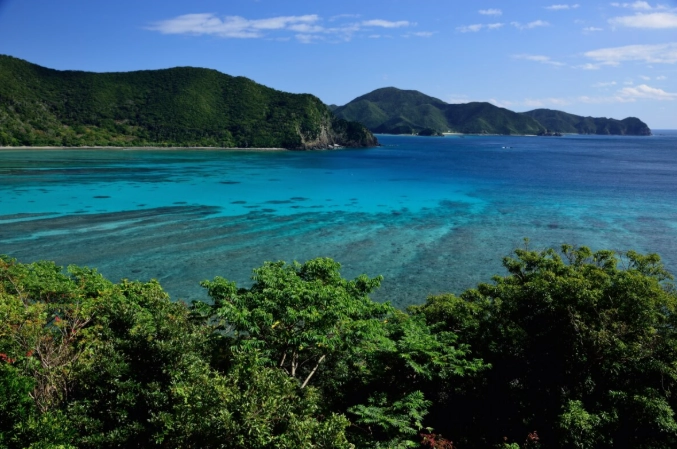
Kyushu Travel FAQs: Your Burning Questions Answered
Is Kyushu safe for solo travelers? Extremely. Japan is one of the safest countries in the world, and Kyushu is no exception. The people are incredibly helpful, even with language barriers.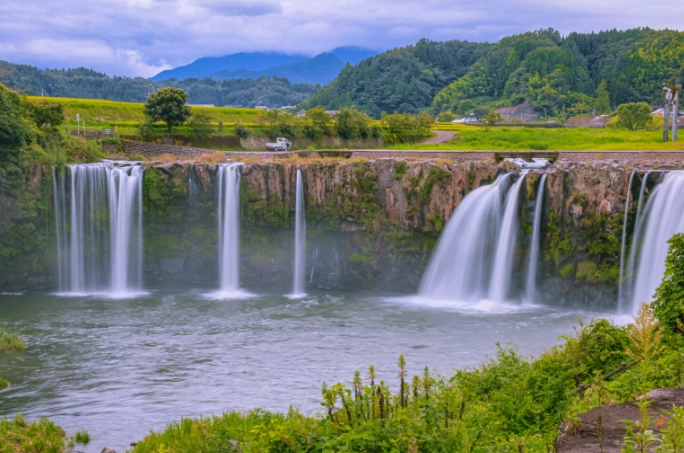
Do I need to speak Japanese? It helps, but you can absolutely get by with English in major stations, tourist info centers, and hotels. In rural restaurants, pointing and a smile go a long way. Learning a few phrases ("sumimasen" for excuse me, "arigatou gozaimasu" for thank you) is appreciated.
How many days in Kyushu is enough? A bare minimum is 5 full days to scratch the surface. 7-10 days is the sweet spot to experience the diversity without rushing. Two weeks would let you explore the remote southern islands and coastlines.
Is the JR Pass worth it for Kyushu only? Absolutely. Calculate it, but the moment you take a round-trip between Fukuoka and Kagoshima or Nagasaki, you're usually ahead. The convenience is a huge bonus.
What's the one thing I shouldn't miss? A toss-up between the night view from Mount Inasa in Nagasaki and soaking in an outdoor onsen (rotemburo) with a view, whether in Yufuin, Kurokawa, or Aso. Both are uniquely Kyushu experiences.
The island has a way of surprising you. You might come for the famous ramen and volcanoes, but you'll leave remembering the kindness of a ryokan owner, the quiet of a mossy shrine path, or the shock of dipping into a hot spring while cool air nips at your face. That's the real magic of Kyushu. It's not just a list of places to check off; it's a feeling. Now go start planning. Your seat at the yatai stall is waiting.

Comments