Your Quick Navigation
- What Kind of Traveler Are You? This Changes Everything.
- The Breakdown: From a Whirlwind to a Deep Dive
- Building Your Day-by-Day Kanazawa Itinerary
- Factors That Will Stretch or Shrink Your Needed Time
- Answering Your Burning Questions (The FAQ Section)
- The Budget & Season Factor
- Final Verdict: So, How Many Days *Do* You Need in Kanazawa?
You're planning a trip to Japan, and Kanazawa pops up on your radar. Everyone's talking about its samurai districts, gold leaf, and fresh seafood. But then the question hits you – how many days do you need in Kanazawa to actually see this place? Is a day trip enough, or will you regret not staying longer?
I've been there. I remember staring at my itinerary, trying to squeeze it in between Tokyo and Kyoto. I made mistakes, learned from them, and now I want to save you the headache. The short, unsatisfying answer is "it depends." But we're not here for short answers. We're here to dig in and figure out what you need.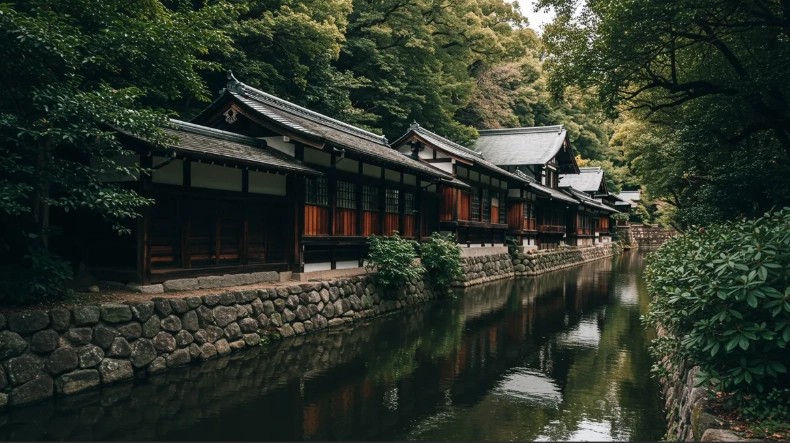
The Core Truth: Kanazawa isn't a city you blast through in a few hours. Its charm is slow, woven into quiet alleys, lengthy museum visits, and lazy afternoons in gardens. Rushing it feels wrong. So, let's break down what you can realistically do with your time.
What Kind of Traveler Are You? This Changes Everything.
Before we talk days, let's talk about you. Your travel style is the biggest factor in answering how many days you need in Kanazawa.
Are you a checklist warrior, determined to snap a photo at every major site and move on? Or are you a meanderer, happy to get lost, sit in a café, and absorb the atmosphere? Do you travel with kids or elderly parents? Is your budget tight, or can you splurge on a few nice meals and a longer stay?
I once tried the checklist approach. I saw Kenrokuen Garden, the Ninja Temple (Myoryuji), and Omicho Market all in one frantic day. I got the photos. I also got stress, sore feet, and zero memory of what any of it actually felt like. I didn't taste the food properly, I barely spoke to anyone, and I left feeling like I'd consumed a tourist brochure, not experienced a city.
So, be honest with yourself. That honesty is the first step to planning a trip you'll love.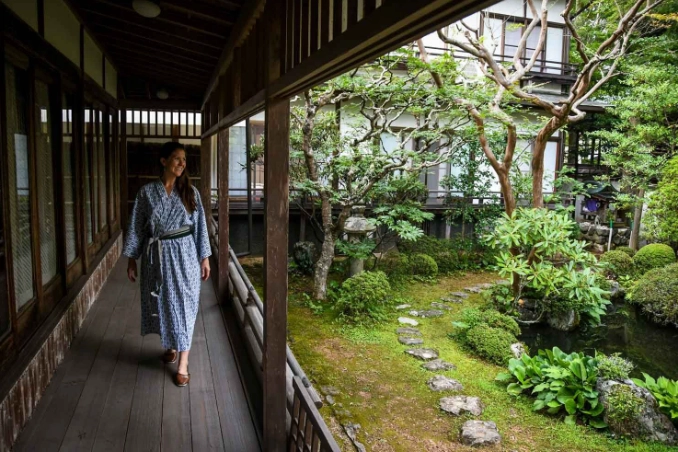
The Breakdown: From a Whirlwind to a Deep Dive
Here’s a realistic look at what you can achieve with different timeframes. I've put this in a table because it's the easiest way to compare the trade-offs.
| Days in Kanazawa | What You Can Realistically Cover | Best For... | The Vibe & Pace |
|---|---|---|---|
| 1 Day (The Taster) | The "Big Three": Kenrokuen Garden, Kanazawa Castle Park, & one historic district (Higashi-Chaya). Omicho Market for a quick lunch. You'll be skipping a lot of interiors and details. | Travelers on a very tight schedule, as a stop on a longer train journey (e.g., from Tokyo to Kyoto). | Fast-paced, efficient, slightly rushed. A highlights reel. |
| 2 Days (The Sweet Spot for Most) | This is where you can breathe. Cover the Big Three properly. Add a second historic district (Nagamachi Samurai District is my pick). Visit a museum like the D.T. Suzuki Museum or the 21st Century Museum. Enjoy a relaxed kaiseki dinner. This is the most common and satisfying answer to how many days you need in Kanazawa. | First-time visitors who want a balanced mix of sights, culture, and food without feeling overwhelmed. | Comfortable, immersive. Time for both sightseeing and serendipity. |
| 3 Days (The Immersive Experience) | Now you're living like a local. See all three historic districts (Higashi-Chaya, Nagamachi, Nishi-Chaya). Dive into multiple museums. Take a gold leaf workshop. Day trip to the Noto Peninsula coast (like the Senmaida rice terraces) is possible. Explore Omicho Market in depth over multiple meals. | Culture lovers, foodies, photographers, and those who hate feeling rushed. Perfect for a long weekend. | Leisurely, deep, and exploratory. You can revisit favorite spots. |
| 4+ Days (The Deep Cultural Dive) | Everything in 3 days, plus specialized interests. Pottery studio visits in Kutani. Longer day trips (Wajima lacquerware town, Kaga hot springs). Attending a Noh theatre performance. Simply spending hours writing postcards in a garden-side café. This is luxury of time. | Return visitors, artists, researchers, or anyone using Kanazawa as a peaceful base to explore the wider Hokuriku region. |
My Take: I think 2 days is the minimum to leave feeling satisfied, not starved. With 1 day, you're always watching the clock. With 2, you get a real sense of the place. But if you have the time, 3 days is where Kanazawa truly opens up and stops being a list of attractions.
Building Your Day-by-Day Kanazawa Itinerary
Let's get practical. Here’s what a sample schedule looks like, so you can visualize how those days fill up.
A Solid 2-Day Kanazawa Itinerary (The Recommended Baseline)
Day 1: History, Gardens & Gold Leaf
Morning: Start early at Kenrokuen Garden. It gets crowded. Go at opening, enjoy the morning light, and have a moment of peace by the ponds. Right next door is Kanazawa Castle Park. The restored gate and walls are impressive, but the interior is largely a modern museum shell – the exterior grounds are the real star for me.
Afternoon: Head to the Nagamachi Samurai District. The narrow lanes with earthen walls are incredibly atmospheric. The Nomura-ke Samurai House is worth the small entry fee to see the interior garden. Then, walk or take a bus to Higashi-Chaya District. Yes, it's touristy, but the lattice-work buildings are beautiful. Skip the overpriced tea in the main street and explore the back alleys. Book a gold leaf application workshop here – it's touristy but genuinely fun.
Evening: Dinner at or near Omicho Market. Don't go for lunch when it's packed with tour groups. For dinner, many stalls are closed, but the surrounding small restaurants are open and fantastic. Try a *kaitenzushi* (conveyor belt sushi) place for fresh, affordable seafood.
See? Already a full day, and we haven't even touched museums.
Day 2: Crafts, Culture & The Modern Side
Morning: Explore Omicho Market properly for breakfast. Grab a seafood bowl (*kaisendon*) or some fresh fruit. Then, visit the 21st Century Museum of Contemporary Art. Even if modern art isn't your thing, the architecture is fascinating, and Leandro Erlich's "Swimming Pool" is an iconic photo op (book a timed ticket online to avoid disappointment).
Afternoon: Choose your deep dive. The D.T. Suzuki Museum (dedicated to the Zen philosopher) is a masterpiece of quiet, contemplative architecture. The Ishikawa Prefectural Museum of Traditional Arts and Crafts is a fantastic overview of the region's skills. Or, visit the Nishi-Chaya District – it's smaller and quieter than Higashi-Chaya, offering a different feel.
Evening: This is your chance for a special meal. Kanazawa is famous for its *kaga ryori* (traditional multi-course cuisine). It's expensive, but for a one-time splurge on a trip, it can be memorable. Or, find a cozy *izakaya* (Japanese pub) in the Katamachi area.
Transport Tip: The Kanazawa Loop Bus and Kenrokuen Shuttle are your best friends. For most visitors, the Kanazawa City One-Day Pass is excellent value. It covers almost all buses you'll need. Check the latest routes and prices on the official Hokutetsu Bus website.
Factors That Will Stretch or Shrink Your Needed Time
It's not just about sightseeing. Real-life stuff affects your schedule.
- The Weather: Kanazawa is called "Rainyazawa" for a reason. It's one of the rainiest cities in Japan. A rainy day can slow you down, or it can mean swapping a garden visit for a cozy museum day. Always have a wet-weather backup plan.
- Crowds & Lines: Peak seasons (cherry blossom, autumn leaves, Golden Week) mean lines for popular spots like Kenrokuen and the Ninja Temple. This eats time. Booking workshops or museum slots in advance is crucial.
- Your Energy Level: Jet lag is real. Maybe you planned a packed Day 1, but you're exhausted. Building in some buffer time or a relaxed afternoon is not a failure—it's smart travel.
- Getting There: How are you arriving? If you're on the thunderbolt-fast Hakutaka Shinkansen from Tokyo (about 2.5 hours), you gain half a day compared to someone on a slower train. The convenience of the Shinkansen is a game-changer, as noted by Japan Rail Pass guides. If you're driving in, factor in parking and navigation time.
A Common Mistake: People underestimate travel time *within* the city. While the main sights are clustered, walking between some can take 20-30 minutes. Buses are reliable but follow schedules. Don't pack your itinerary so tight that a missed bus ruins your day.
Answering Your Burning Questions (The FAQ Section)
Let's tackle the specific questions that pop up when you're figuring out how many days you need in Kanazawa.
Is Kanazawa a good day trip from Tokyo or Kyoto?
Technically, yes. With the Shinkansen, you can get from Tokyo to Kanazawa in the morning and back at night. But I don't recommend it. You'll spend over 5 hours on trains and nearly $300 on round-trip Shinkansen tickets (not covered by the standard Japan Rail Pass). You'll have about 6 rushed hours in the city. It's exhausting and expensive for a superficial glance. A day trip from Kyoto/Osaka is slightly more feasible (2-2.5 hours each way on the Thunderbird Ltd. Express), but the same principle applies—you'll only scratch the surface. Save it for when you can stay at least one night.
Kanazawa vs. Takayama vs. Shirakawa-go: Can I combine them?
This is a huge question. Many want to see the alpine towns of Takayama and the thatched-roof villages of Shirakawa-go alongside Kanazawa.
- Takayama to/from Kanazawa: The direct bus takes about 2 hours 15 minutes. It's a very doable transfer. You could do 2 days in Kanazawa, bus to Takayama for 2 days.
- Shirakawa-go: This UNESCO village is roughly halfway between Takayama and Kanazawa (about 1-hour bus from each). It's perfect as a day trip from either base, or as a stopover while traveling between them.
Sample Combined Itinerary (5-7 days): Kyoto -> (train) -> Kanazawa (2-3 nights) -> (bus via Shirakawa-go, stop for 3-4 hours) -> Takayama (2 nights) -> (train) -> Nagoya or back to Kyoto. This is a classic and rewarding Hokuriku/Alps route.
What if I only have one day in Kanazawa?
Okay, sometimes you have no choice. If you must do a single day, be ruthless. Prioritize:
- Kenrokuen Garden (first thing in the morning).
- Omicho Market for a fast, standing sushi breakfast or a seafood bowl.
- Choose ONE: Higashi-Chaya District (for the classic photo) or the Nagamachi Samurai District (for a more atmospheric, less crowded experience). I'd lean towards Nagamachi.
- Maybe a quick look at Kanazawa Castle Park from the outside as you walk between areas.
Forget museums. Forget workshops. It's a sprint. You'll see some beauty, but you won't truly know the city. The question of how many days do you need in Kanazawa will sadly be answered with "more than this."
The Budget & Season Factor
Your wallet and the calendar play a role too.
Budget: More days mean more nights in a hotel. Kanazawa has a range, but it's not as cheap as some smaller towns. A longer stay might mean balancing it with cheaper accommodation elsewhere on your trip. On the flip side, the Kanazawa City Pass becomes better value the more days you use it.
Season: This is critical.
- Spring (Cherry Blossoms, late March-early April): Kenrokuen is magical. It's also packed. You might want an extra day just to navigate crowds and secure photo opportunities. Book accommodation very early.
- Summer (June-July): The rainy season. Lush gardens, but damp. Good for indoor museums. Can be humid.
- Autumn (October-November): Like spring, the fall colors are spectacular and draw huge crowds. Again, extra patience (and time) is required.
- Winter (December-February): This is a secret favorite of mine. Crowds are thinner. Kenrokuen sets up yukizuri (rope supports) on the pine trees to protect them from snow – it's a unique sight. It's cold, but it feels serene and authentic. You might enjoy a longer, cozier stay.
Winter in Kanazawa has a quiet, almost melancholy beauty. Wandering the nearly empty samurai district with a light snow falling is an experience you won't get in the hectic tour groups of April. Just pack a good coat.
Final Verdict: So, How Many Days *Do* You Need in Kanazawa?
After all this, here's my honest, no-BS conclusion.
For the vast majority of first-time visitors with a standard interest in culture, history, and food, two full days is the ideal minimum. It allows you to see the major sights without a punishing pace, enjoy a few good meals, and get a genuine feel for the city's rhythm. This is the answer that will leave most people satisfied.
Three days is the recommendation for travelers who want depth, flexibility, and a touch of luxury (the luxury of time). It lets you explore at least one museum properly, try a hands-on craft workshop, and maybe even take a short side trip. You can recover from a rainy morning without sacrificing your entire plan.
One day is a compromise, only for those with absolutely no other option. Four or more days are for specialists, repeat visitors, or those using it as a tranquil base to explore the wider region, like the Noto Peninsula, whose unique coastal culture is documented by sources like the Ishikawa Prefecture official site.
Ultimately, the best way to decide how many days you need in Kanazawa is to look at your total Japan itinerary, be realistic about your energy and interests, and then err on the side of giving this special city a little more breathing room. You're less likely to regret an extra leisurely day in Kanazawa than you are to regret rushing through it and missing its soul.
It's a city that rewards patience. Give it the time it deserves, and it will give you memories that last far longer than any gold leaf souvenir.


Comments