In This Guide
- Before You Go: The Essential Solo Travel Japan Prep List
- Crafting Your Perfect Japan Solo Travel Itinerary
- Navigating Japan Alone: Transport, Food, and Accommodation
- Staying Safe, Connected, and Sane: The Solo Traveler's Mindset
- Budgeting for Your Solo Trip to Japan
- Answering Your Solo Travel Japan Questions (FAQ)
Let's be real. The idea of solo travel Japan can be equal parts thrilling and terrifying. I remember staring at my computer screen, flight search open, heart pounding a little. What if I get lost? What if it's too expensive? Is it even safe for someone traveling alone? That was me a few years back. Now, after multiple trips navigating from Hokkaido's snow to Okinawa's beaches by myself, I can tell you this: Japan is arguably one of the best countries in the world for solo travel. Seriously.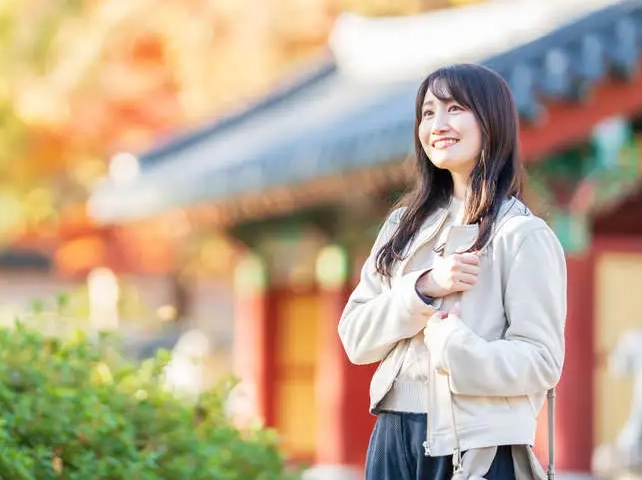
This isn't just another generic listicle. This is the guide I wish I had. We're going to ditch the fluff and talk about the real stuff—budgeting, safety, those awkward moments eating alone, and how to craft an itinerary that doesn't leave you exhausted or broke. Whether you're a first-time solo traveler or a seasoned backpacker looking for a new challenge, Japan offers a unique blend of ultra-modern convenience and deep-rooted tradition that makes going alone not just feasible, but incredibly rewarding.
Before You Go: The Essential Solo Travel Japan Prep List
Jumping on a plane without a plan might work for some places, but a little prep for Japan goes a long way. Trust me, it saves stress and money.
Sorting Out the Practical Stuff
Visas: Check the official Japanese Ministry of Foreign Affairs website. Many nationalities get 90-day visa-free tourist stays. Rules change, so always verify with an official source.
Money: Japan is still surprisingly cash-based in many smaller establishments, ryokans (traditional inns), and rural areas. While IC cards (Suica, Pasmo) and credit cards are widespread in cities, never leave your accommodation without some yen. I usually withdraw a larger amount from 7-Eleven ATMs (they accept foreign cards reliably) at the start of my trip to avoid frequent fees.
Connectivity: You'll need internet for maps, translations, and train schedules. Pocket Wi-Fi devices are popular, but I've switched to eSIMs for simplicity. They're cheap, activate instantly, and you don't have to worry about returning a device. Ubigi and Airalo are solid options. Just make sure your phone is unlocked.
What to Pack (And What to Skip)
Packing light is the golden rule for solo travel. You'll be hauling your own bag up and down subway stairs.
- Must-Pack: Comfortable walking shoes (you'll walk 10+ miles a day easily), a portable power bank, a small coin purse (you'll get tons of coins), and a foldable tote bag for unexpected shopping.
- Skip This: Tons of toiletries. Convenience stores (konbini) like Lawson and FamilyMart have amazing, high-quality travel-sized everything. Also, hairdryers are standard in accommodations.
- Season-Specific: Summer is brutally hot and humid—moisture-wicking clothes are a must. Winter, especially up north, is very cold—pack thermals. A compact umbrella is a year-round essential.
Crafting Your Perfect Japan Solo Travel Itinerary
Here's where most guides just throw a list of cities at you. Let's think about pace and theme instead. As a solo traveler, you control the rhythm. Do you want a fast-paced tech-and-lights tour, or a slow, temple-and-tea immersion?
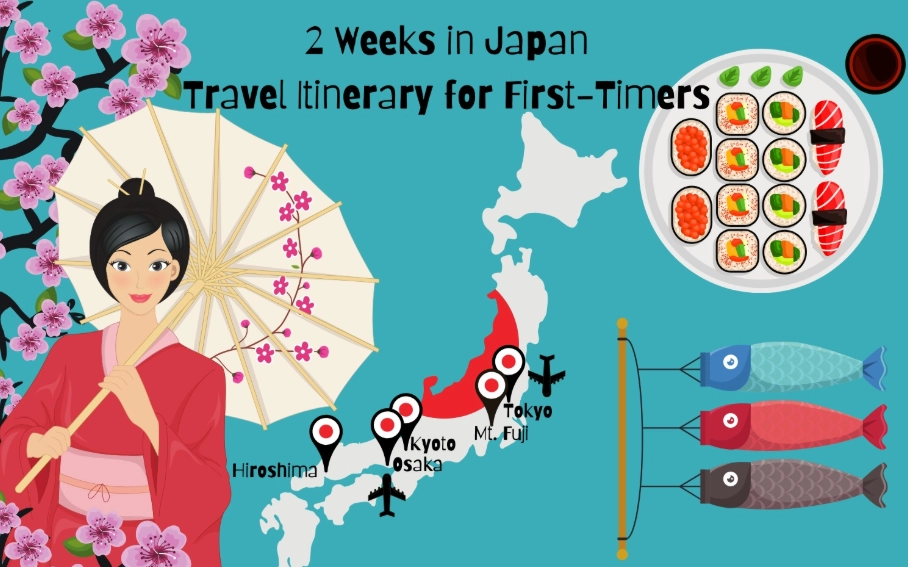
The Classic First-Timer Route (10-14 Days)
This hits the highlights at a manageable pace. Fly into Tokyo, out of Osaka (or vice-versa) to avoid backtracking.
Tokyo (4-5 days): Don't try to see it all. Pick districts. I'd recommend Shibuya/Shinjuku for the iconic scramble and energy, Asakusa for old Tokyo (Senso-ji Temple), and maybe a day trip to Kamakura for a coastal, temple-filled vibe. Shinjuku's Tokyo Metropolitan Government Building observatories offer free, stunning views—a solo traveler budget win.
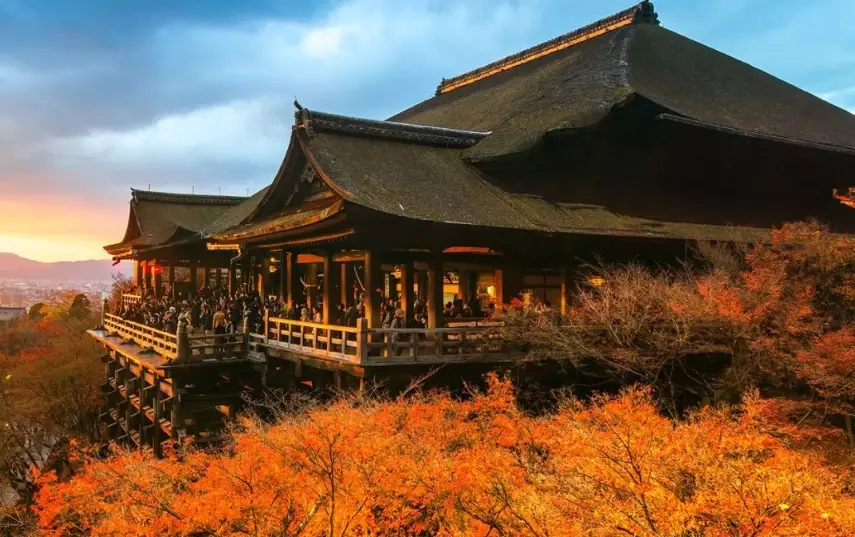
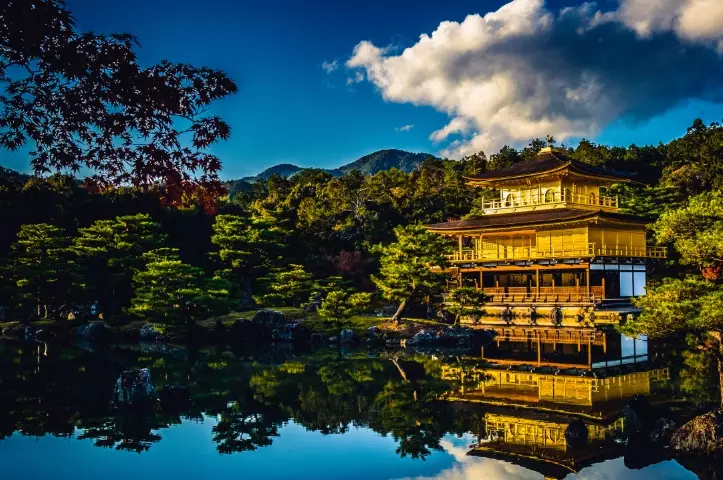
Kyoto (3-4 days): The cultural heart. It's more spread out than you think. Focus on one area per day: Arashiyama (bamboo grove, monkey park), Higashiyama (Kiyomizu-dera, Gion district). Pro tip: Get to major temples right at opening to beat the tour groups. The peace you'll experience is worth the early wake-up.
Osaka (2-3 days): Grittier, friendlier, and all about food. Dotonbori at night is a sensory overload in the best way. This is also your base for day trips to Nara (deer park, Todai-ji Temple) and Hiroshima/ Miyajima if you extend your trip.
Beyond the Golden Route: For the Repeat or Adventurous Solo Traveler
If you've done the classics or want something different, Japan has endless options.
- Northern Honshu (Tohoku): For stunning nature, hot springs (onsen), and fewer tourists. Think hiking in Towada-Hachimantai National Park or visiting the historic temples of Hiraizumi.
- Japanese Alps (Takayama, Kanazawa): Beautiful old towns, fantastic local cuisine, and the iconic thatched-roof villages of Shirakawa-go.
- Kyushu: Volcanic landscapes, hellish hot springs (Beppu), and the vibrant city of Fukuoka, famous for its yatai (street food stalls)—great for solo dining.
Navigating Japan Alone: Transport, Food, and Accommodation
Getting Around: The Rail Pass Dilemma
The Japan Rail Pass (JR Pass) price increased significantly in late 2023. It's no longer a no-brainer.
You need to calculate. Use a tool like Japan Travel by Navitime or Jorudan's fare calculator. If your itinerary is just Tokyo-Kyoto-Osaka-Tokyo, individual Shinkansen tickets might be cheaper. If you're doing long hauls like Tokyo to Hiroshima and back, the 7-day pass might still break even. For regional travel, consider regional passes (JR Hokkaido Pass, JR Kyushu Pass).
For city travel, an IC card (Suica/Pasmo/Icoca) is indispensable. Tap on, tap off buses and subways, use it at konbini and vending machines. You can get them at major train station kiosks.
The Solo Dining Experience: It's a Blessing, Not a Curse
This is a huge worry for people considering solo travel Japan. Let me ease your mind: Japan is where I learned to love eating alone.
- Ramen/Izakaya/Curry Shops: Counter seating is the norm. You're expected to be focused on your food. It's perfect.
- Sushi Trains (Kaiten-zushi): The ultimate solo activity. Grab what you want, no interaction needed.
- Department Store Basements (Depachika): Food hall heaven. Assemble a gourmet picnic for your hotel room or a park.
- Convenience Stores (Konbini): Don't underestimate them. Their ready-made meals, onigiri (rice balls), and sandwiches are fresh, delicious, and incredibly cheap. A solo traveler's lifeline.
I used to feel self-conscious eating alone back home. In Japan, that feeling vanished. The cultural norm of not bothering others means you're left in peace to enjoy your meal.
Where to Stay: Hostels, Capsules, and Business Hotels
| Accommodation Type | Best For | Pro Tip for Solo Travelers | Approx. Price/Night |
|---|---|---|---|
| Capsule Hotel | Budget, ultra-modern experience, city centers | Choose a newer, female-only floor if available. Mind the luggage storage rules. | ¥3,000 - ¥6,000 |
| Business Hotel (e.g., APA, Toyoko Inn) | Privacy, consistency, convenient locations near stations | Rooms are famously tiny but have everything you need. Free breakfast is common. | ¥6,000 - ¥10,000 |
| Guesthouse/Hostel | Socializing, budget, local advice | Opt for a private room if you need quiet. Common kitchens save money on food. | ¥2,500 - ¥8,000 (dorm/private) |
| Ryokan (Traditional Inn) | Splurge, cultural immersion, kaiseki meals | Some offer solo-friendly rates. The etiquette can be complex but is worth experiencing once. | ¥15,000+ (with meals) |
My personal go-to is a mix. A few nights in a social hostel to meet people, then a business hotel for privacy and good sleep. For a true solo travel Japan highlight, try a capsule hotel for one night—it's a uniquely Japanese experience.
Staying Safe, Connected, and Sane: The Solo Traveler's Mindset
Safety in Japan for Solo Travelers
Japan has an incredibly low crime rate, especially violent crime. As a solo female traveler, I've walked alone at night in Tokyo and Kyoto feeling safer than in my hometown.
That said, common sense still applies.
- Watch your belongings in crowded areas like Shibuya Scramble or train rush hour.
- Be aware of your drinking limits if you're out alone.
- While extremely rare, be cautious in *certain* nightlife districts (e.g., Kabukicho in Tokyo) with overly friendly touts trying to pull you into bars—just ignore and walk on.
The main safety concerns are natural: earthquakes, typhoons. Download the official Japan Meteorological Agency app for alerts, and know the basic earthquake drill (drop, cover, hold on). Your accommodation will have clear instructions.
Beating Loneliness and Making Connections
Solo doesn't have to mean lonely. Even introverts like me need a chat sometimes.
- Hostel Common Rooms: The easiest way. Just ask someone about their travels.
- Free Walking Tours: Great to meet other travelers and get oriented in a new city.
- Meetup.com / Facebook Groups: Search for "Tokyo International Friends" or similar. Events range from language exchanges to hiking trips.
- Bar Hopping Tours: Especially in Osaka or Tokyo, these guided small-group tours take you to hidden local bars—perfect if you're nervous about going to izakayas alone.
Sometimes, though, solitude is the point. And that's okay too.
Navigating Language and Etiquette
You don't need Japanese, but learning a few phrases (arigatou gozaimasu - thank you, sumimasen - excuse me/sorry) is deeply appreciated. Google Translate's camera function is magic for menus. The conversation function works well for simple exchanges.
Key etiquette points:
- Onsen (Hot Springs): Wash thoroughly at the shower station *before* entering the bath. No swimsuits. Small towels are for modesty while walking, not for dipping in the water. Tattoos can be problematic; look for "tattoo-friendly" (irezumi ōk) onsens or cover small ones with patches.
- Money: Use the little tray at cash registers to pay and receive change. Don't hand money directly.
- On Trains: Silence your phone, avoid phone calls, and don't eat on local trains (it's fine on Shinkansen).
Mistakes happen. I once accidentally cut a huge line at a bus stop because I didn't understand the queue system. A gentle nod and a "sumimasen" smoothed it over. People are forgiving if you're trying.
Budgeting for Your Solo Trip to Japan
Japan can be done on a range of budgets. It's not as cheap as Southeast Asia, but it's not Scandinavia-level expensive either. Here's a realistic breakdown for a mid-range solo traveler (hostels/business hotels, mix of cheap eats and some nice meals, using trains).
- Accommodation: ¥4,000 - ¥8,000 per night
- Food: ¥3,000 - ¥5,000 per day (can be less with konbini meals, more with fancy sushi)
- Local Transport & Sightseeing: ¥1,500 - ¥3,000 per day
- Intercity Transport: This is the big variable. A Tokyo-Kyoto Shinkansen ticket is around ¥14,000 one-way. Budget accordingly.
Daily Total (excluding intercity travel): ¥8,500 - ¥16,000 (approx. $55 - $105 USD). You can go lower by staying in dorm rooms and eating konbini food, or higher with nicer hotels and kaiseki dinners.
Answering Your Solo Travel Japan Questions (FAQ)
Let's tackle some of the specific worries that pop up when you search for "solo travel Japan."
Is Japan good for solo female travel?
In my experience, yes, absolutely. The low crime rate, efficient public transport, and general respect for personal space make it ideal. Female-only accommodations (hotel floors, capsule pods) and train cars (during rush hour in some cities) add an extra layer of comfort. The main cultural adjustment is that direct eye contact or conversation from strangers is less common, which can be misinterpreted as coldness—it's not, it's just politeness.
What's the biggest challenge for solo travelers in Japan?
For me, it's the language barrier in very local, non-touristy areas. And the sheer scale of options can be paralyzing. You have to get comfortable with the idea that you can't see and do everything. Pick a few priorities and be okay with missing the rest.
Are there things that are harder/more expensive to do alone?
Some traditional ryokans and fancy kaiseki restaurants have minimum charges for rooms or courses designed for two people. Always check their policy for single travelers (hitori). Activities like renting a karaoke room or a paddleboat on a lake are also priced per room/boat, not per person. That said, many places offer solo rates or smaller portions.
How do I handle onsens as a solo traveler?
It's straightforward! Just follow the posted rules. As a solo traveler, it's actually a wonderfully relaxing experience. You go at your own pace, soak, and unwind. No need for small talk. I was nervous my first time, but now it's one of my favorite solo travel Japan rituals.
The train platform is empty. It's just you, your backpack, and the distant sound of the approaching shinkansen. That moment, right there, is the magic of solo travel Japan.
It's freedom. It's the thrill of navigating a foreign system and succeeding. It's the quiet conversation with a shopkeeper where you both resort to hand gestures and smiles. It's eating the best bowl of ramen of your life with no one to distract you from its perfection.
Your solo trip to Japan will challenge you, surprise you, and change you in small ways. You'll come back more confident, more adaptable, and with stories that are entirely your own. So do the research, book the flight, and take that first step alone. The neon-lit streets, the serene temples, and the welcoming irasshaimase! (welcome!) are waiting for you.
Just remember the cash.
Comments