Quick Guide
- When is the Sakura Flower Season in Japan? Decoding the Forecast
- Where to Go: Beyond the Tokyo and Kyoto Crowds
- How to Do Hanami Like You Know What You're Doing
- Travel Logistics: Navigating the Sakura Flower Season Madness
- What If It Rains? Or You Miss Full Bloom?
- Frequently Asked Questions (The Stuff You're Secretly Worried About)
- Final Thoughts: Making It Your Own
Let's talk about Japan's sakura flower season. You've probably seen the pictures – rivers of pink, crowded parks, people smiling under blooming trees. It looks magical, right? But when you start planning a trip, it gets confusing real fast. When exactly is it? Where should you go to avoid the worst crowds? What if you get the timing wrong and see nothing but buds? I've been there. I've also stood under a full sakura canopy with my mouth literally open in awe, so I know both sides of the coin.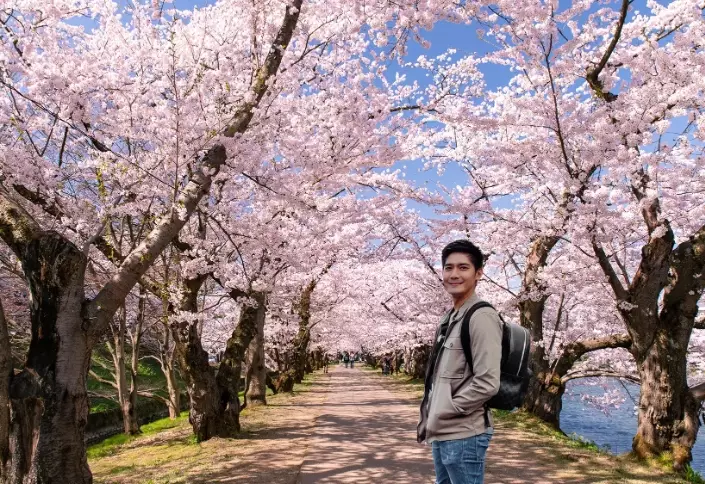
This guide isn't about throwing fancy words at you. It's the stuff I wish someone had told me before my first trip. We'll break down the when, the where, the how, and the all-important "what to do when it rains." Think of it as a chat with a friend who's made the mistakes so you don't have to.
When is the Sakura Flower Season in Japan? Decoding the Forecast
This is the million-dollar question. The short, frustrating answer is: it changes every year. It's not like a fixed holiday. The bloom is triggered by warmer temperatures after winter, so a mild winter means early bloom, a cold one means late bloom. That's why everyone gets obsessed with the forecast.
The first forecast maps usually come out in early January from private weather companies. But the one everyone waits for is from the Japan Meteorological Corporation (JMC). They update it constantly as the season approaches. Don't just look at the "blooming" date (kaika). That's when the first few flowers open on their sample tree. The date you want is "full bloom" (mankai), usually about a week later, when the tree is covered in a glorious pink cloud. That's the prime viewing window.
Here's a rough, average timeline to give you a frame of reference. Remember, this can shift by a week or more in any direction.
| Region & Major Cities | Average Bloom Start | Average Full Bloom | What to Expect |
|---|---|---|---|
| Kyushu & Southern Japan (Fukuoka, Kagoshima) | Late March | Early April | Often the first to bloom. Can be busy with domestic tourists. |
| Kansai Region (Osaka, Kyoto, Nara) | Last week of March | First week of April | The classic postcard spots. Peak crowds. Book everything early. |
| Kanto Region & Tokyo | Last week of March | Early April | Vast number of spots, from mega-parks to tiny streets. Still very crowded. |
| Chubu & Chugoku (Kanazawa, Hiroshima) | Early April | Mid-April | Great alternative regions. Hiroshima's Peace Park is stunning. |
| Tohoku Region (Northern Honshu) (Sendai, Hirosaki) | Mid to Late April | Late April | Later bloom, often less hectic than the big southern cities. Stunning castle views. |
| Hokkaido (Sapporo, Hakodate) | Late April / Early May | Early to Mid-May | The grand finale. A completely different, colder climate feel. |
My personal take? If you're flexible, target the Tohoku region. You get a later, often more relaxed sakura flower season with incredible scenery. I went to Hirosaki Castle once in late April, and it was less of a frantic photo scramble and more of a peaceful stroll. A welcome change.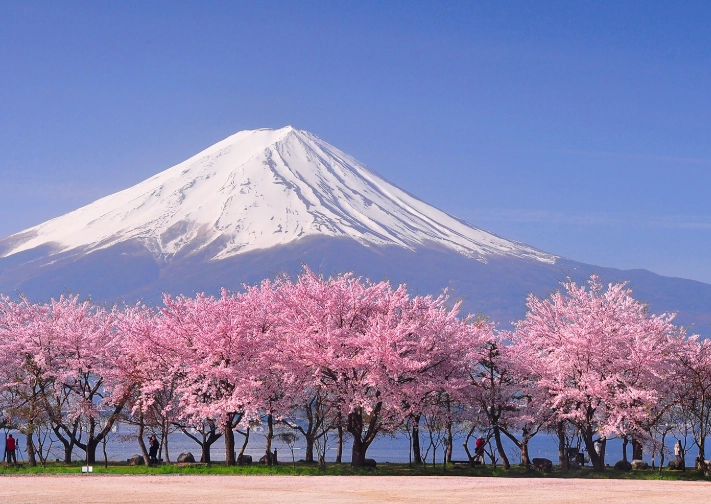
Where to Go: Beyond the Tokyo and Kyoto Crowds
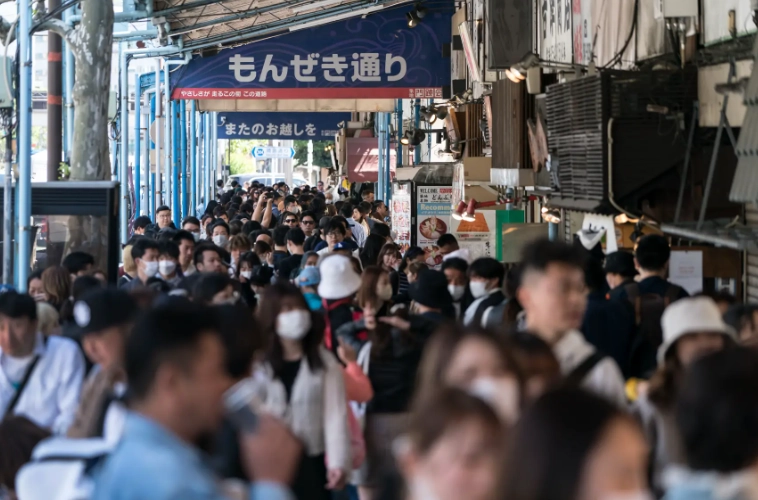
Sure, Ueno Park in Tokyo and the Philosopher's Path in Kyoto are famous for a reason. They're also packed shoulder-to-shoulder during peak bloom. If that's your scene, go for it! But if the thought of navigating a human sea with a million selfie sticks makes you sweat, you have options. Lots of them.
Japan has over a thousand designated cherry blossom spots. The trick is to think about the type of experience you want.
Top Picks for Different Vibes
Let's break it down by category. I'm avoiding a simple "Top 10" list because what's "best" depends on what you're after.
For the Classic "Wow" Photo:
- Mt. Yoshino (Nara): This is the granddaddy. Over 30,000 trees covering an entire mountainside in layers. It's breathtaking, but also one of the most crowded places in Japan during the sakura flower season. Go on a weekday if possible.
- Hirosaki Castle (Aomori): The castle, the moat filled with floating petals, the massive old trees. It's a northern gem and my personal favorite for combining history with sheer floral spectacle.
- Miharu Takizakura (Fukushima): This isn't a park, it's a single, ancient tree. Over 1,000 years old. Seeing it feels like visiting a natural monument. It's a pilgrimage, but a powerful one.
For a Chill, Local Feel:
- Local Neighborhood Parks: Seriously. In any Japanese city, skip the famous spot and find the mid-sized neighborhood park. You'll see families having hanami (flower viewing picnics), kids playing, and you can actually find a spot on the grass. It's a more authentic slice of life.
- Riverside Paths: Many cities have long canals or rivers lined with cherry trees. They're linear, so the crowd spreads out. The Meguro River in Tokyo is famous (and crowded), but smaller rivers in other cities offer similar beauty without the crush.
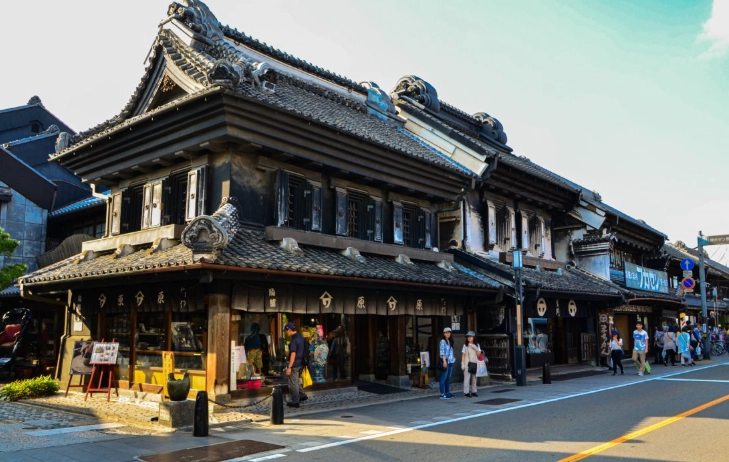
- Castle Town Streets: Places like Kakunodate in Akita have streets lined with old weeping cherry trees. You can walk, explore little shops, and enjoy the view without being in a packed park.
- Rikugien Garden (Tokyo): A traditional Japanese garden with a huge, spectacularly lit weeping cherry tree. They control entry with timed tickets, so it's actually quite orderly.
- Himeji Castle: The stunning white castle lit up against the night sky with blooming sakura at its base. It's a powerful image.
See? You don't have to fight the crowds at Shinjuku Gyoen.
How to Do Hanami Like You Know What You're Doing
Hanami isn't just looking at flowers. It's a social event, a picnic, a celebration of spring. Getting it right is part of the fun.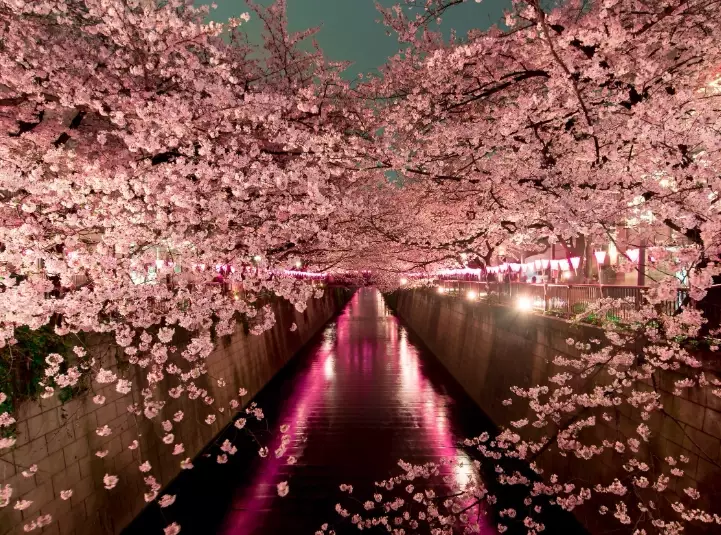
The Hanami Essentials Checklist
- A Ground Sheet (Blue Sheet): This is non-negotiable. You'll see them sold everywhere in spring. Get a waterproof one. Size matters – bigger is better if you have a group.
- Food & Drink: Convenience store (konbini) bento boxes are totally acceptable and delicious. Or get takeout from a department store food hall (depachika) – it's a next-level experience. For drinks, it's often beer, sake, or tea.
- Warm Layers: This catches people off guard. Days can be warm, but once the sun dips, it gets cold quickly. A jacket or blanket is essential.
- Cash for Trash: Most parks have no trash cans. You are expected to take everything you brought with you. Bring a spare bag for your garbage.
The Unwritten Rules (So You Don't Annoy the Locals)
- Don't Reserve a Giant Spot at 7 AM and Leave It Empty. It's frowned upon. Someone from your group should be on the sheet.
- Keep the Noise Reasonable. It's a party, but not a rave. Be mindful of others sharing the park.
- Don't Shake the Trees or Pick the Blossoms. This should be obvious, but you'd be surprised. Let the petals fall naturally.
- Don't Block Pathways. Set up your spot off to the side of main walkways.
Travel Logistics: Navigating the Sakura Flower Season Madness
This is the practical stuff that can make or break your trip.
Accommodation: Book it the second you know your dates. I'm not kidding. Hotels in popular spots like Kyoto sell out a year in advance for peak bloom. Prices also skyrocket. Consider staying in a neighboring city and taking a train in. For example, stay in Kobe or Osaka and day-trip to Kyoto.
Transportation: Trains will be busy, but they run like clockwork. A Japan Rail Pass can be great value if you're moving between regions (e.g., Tokyo to Kyoto to Hiroshima). Calculate if it's worth it for your itinerary. For local travel, a rechargeable IC card (Suica, Pasmo) is your best friend.
What to Pack: Layers. A light waterproof jacket (spring showers are common). Comfortable walking shoes – you'll walk miles. A portable power bank for your phone. Hand sanitizer and tissues (some public restrooms run out).
What If It Rains? Or You Miss Full Bloom?
Don't panic. This is Japan, and they have a poetic appreciation for all phases of the sakura.
Rain (Urizakura): Cherry blossoms in the rain have their own name and beauty. The colors look deeper, the petals glisten. It's melancholic but stunning. Head to a covered spot like a temple garden or a historic street with eaves. Or, embrace it with a clear umbrella – it makes for amazing photos.
Late/Too Early (Tsubomi or Hazakura): Buds (tsubomi) are beautiful in their promise. The fresh green leaves after the petals fall (hazakura) symbolize a new beginning. You haven't "missed" it; you've seen a different chapter. Use it as a chance to visit indoor attractions like museums, onsens, or historic sites that will be less crowded.
The goal is to enjoy spring in Japan, not just to tick a box.
Frequently Asked Questions (The Stuff You're Secretly Worried About)
From first bloom to the petals falling, it's usually about two weeks. The peak "full bloom" period, where the tree looks like a perfect cloud, is shockingly short – often just 4 to 7 days. A strong wind or rain can shorten it. That's why the forecast is so crucial.
This is the big one. My honest answer? Yes, but with a strategy. If you go to the most famous spot in Kyoto at noon on a weekend, you'll hate it. If you go to a lesser-known spot, or a famous spot at 8 AM on a weekday, or embrace a night viewing, it can be magical. The crowds are part of the energy, but you can control your exposure to them.
Instead of Kyoto, consider Kanazawa. It has a famous garden (Kenrokuen), a beautiful castle, great food, and fewer international tourists. Instead of Tokyo's Ueno Park, try Showa Kinen Park in Tachikawa – it's huge, so it absorbs crowds better, and you can rent bikes. In the south, Matsuyama in Shikoku has a great castle and a relaxed vibe.
Absolutely! The Kawachi Fujien Wisteria Garden (late April/May) in Kitakyushu is insane if you can time it right. Hitomi's seas of tulips are also a spring highlight. Planning a trip around multiple blooms is a pro move.
Every convenience store, bakery, and cafe rolls out sakura-flavored treats. Sakura mochi (pink rice cake with a leaf), sakura latte, sakura kitkats. Try them! For souvenirs, things like sakura-themed tenugui (cloth) or nice postcards of the local spots are easy to pack.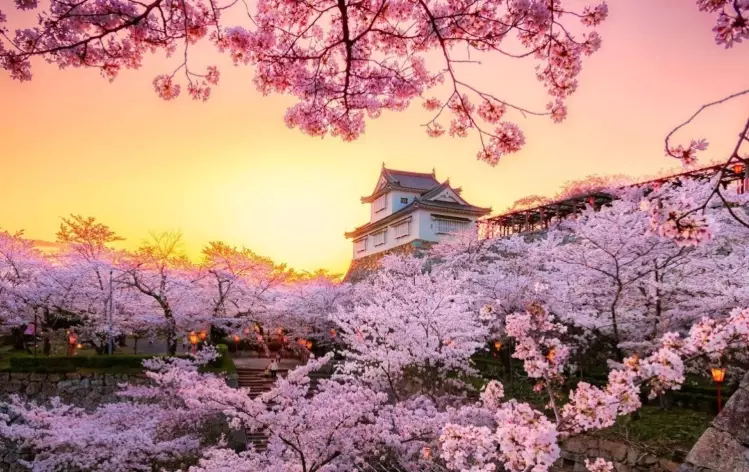
Final Thoughts: Making It Your Own
Planning for the sakura flower season in Japan can feel like preparing for a military operation. Forecasts, reservations, crowd maps... it's a lot. But once you're there, sitting under those blossoms, even for just a few minutes, the hassle fades away.
The key is to let go of the idea of a "perfect" trip. You might not get that Instagram shot with no one in the frame. Your picnic might be a 7-Eleven onigiri instead of a gourmet feast. The bloom might be early or late. None of that matters as much as just being present for one of the most beautiful natural displays on the planet.
And if all else fails, remember: even a single cherry tree in a random parking lot can be breathtaking. You really can't go wrong.

Comments