My Autumn Leaves Journey Guide
- Why Japan's Autumn Leaves Are a Global Phenomenon
- The Science & The Guesswork: Understanding the Forecast
- The Best Places to See Japan Autumn Leaves: A Region-by-Region Breakdown
- Planning Your Japan Autumn Leaves Trip: The Nitty-Gritty
- Beyond Viewing: Experiencing Autumn in Japan
- Frequently Asked Questions (The Stuff You Really Want to Know)
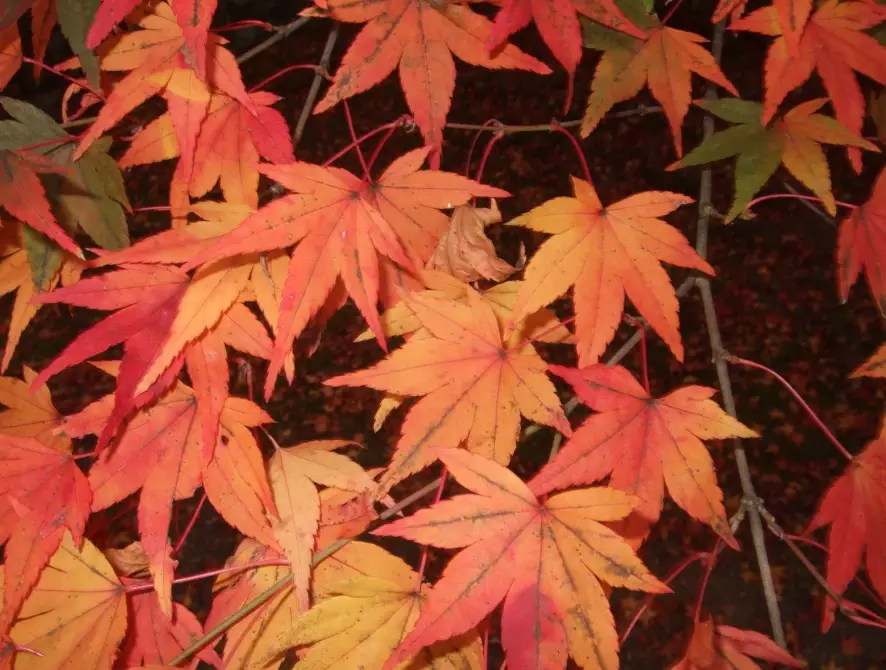
Let's be honest. When you think of Japan in autumn, you probably picture a perfect postcard scene: a bright red maple tree against a historic temple, maybe with a koi pond in the foreground. And you're not wrong – that exists. But after spending several autumns chasing the famous Japan autumn leaves from Hokkaido to Kyushu, I've learned it's so much more complex, frustrating, and ultimately rewarding than any single image can capture. It's a national obsession here, called "momijigari" (紅葉狩り) – the hunting of red leaves. And like any good hunt, it requires strategy, timing, and a bit of luck.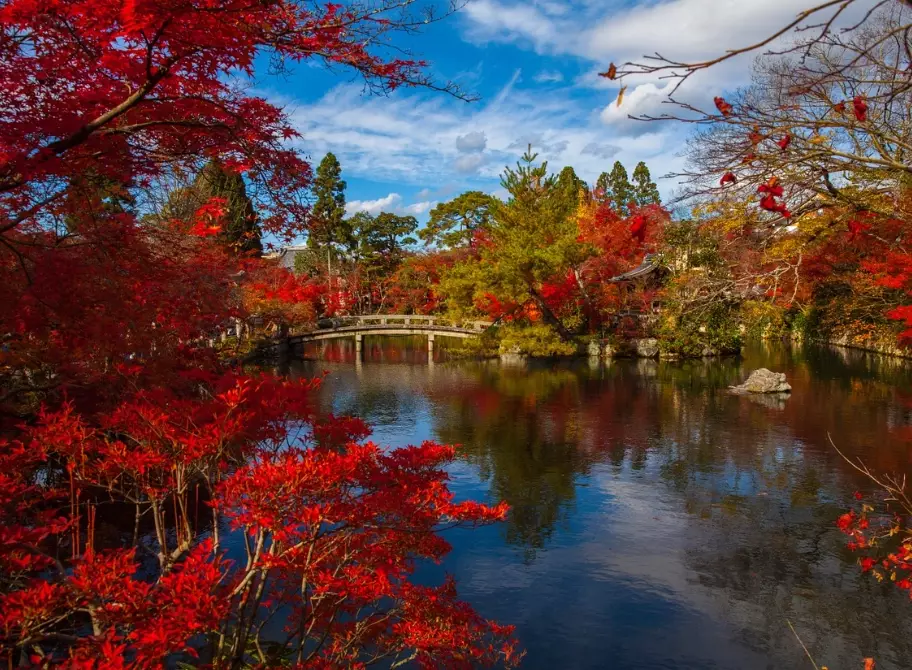
This isn't just a list of pretty places. This guide is for the traveler who wants to understand the why and the how. Why do the leaves turn such vivid colors here? How do you actually plan a trip around something as fickle as weather? I'll share the spots that left me speechless, the ones that were overcrowded disappointments, and all the practical stuff in between – like how to read the confusing but vital autumn leaves forecast.
Why Japan's Autumn Leaves Are a Global Phenomenon
You see fall foliage in lots of places. So what's the big deal about Japan? It's the combination. It's not just the trees; it's the context. Imagine fiery red maples (momiji) framing a centuries-old wooden pagoda. Picture golden ginkgo trees (ichō) lining a bustling city avenue. Think of vivid yellows and oranges reflecting perfectly in the mirror-like surface of a mountain lake. Japan has mastered the art of integrating nature and human aesthetic, and autumn is its grandest exhibition.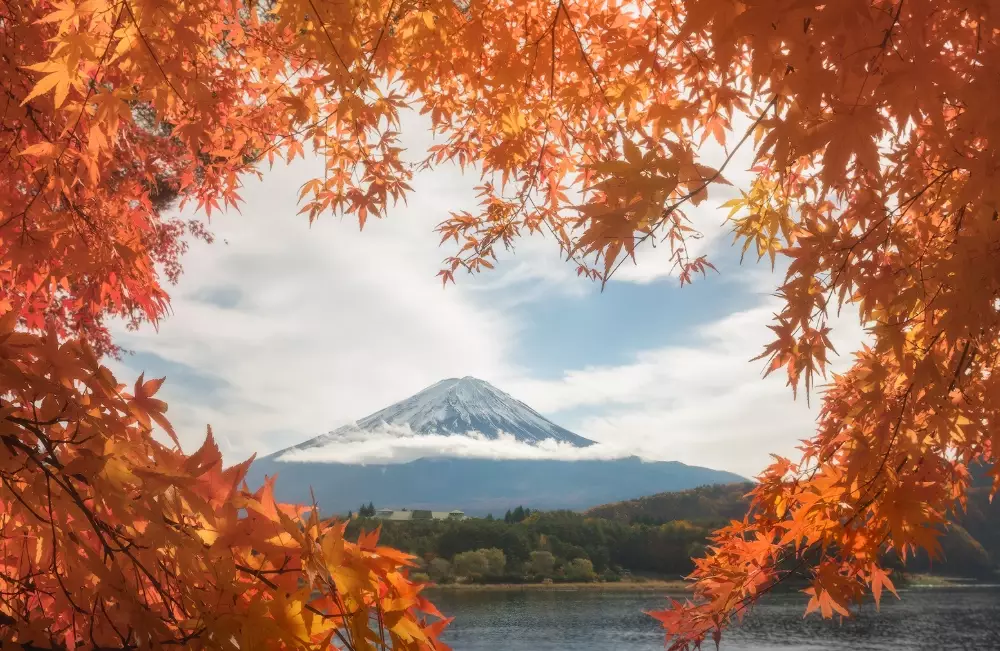
The species diversity helps too. It's not a monochrome show. You get the brilliant scarlet of Japanese maples, the sunny yellow of ginkgos, the deep purples of some sumacs, and the persistent greens of pines and cedars, all creating a layered tapestry. The Japanese language even has specific words for different types of autumn scenery – "kōyō" for the general reddening of leaves, "ōyō" for yellow leaves.
Then there's the culture wrapped around it.
Autumn is deeply woven into poetry, art, and seasonal cuisine. It's a time for chestnut sweets, sweet potato treats, and viewing moonlit gardens. The experience of Japan autumn leaves is as much about tasting and feeling the season as it is about seeing it. That holistic experience is what keeps people coming back.
The Science & The Guesswork: Understanding the Forecast
This is the part that causes the most headaches. Your dream trip hinges on hitting the "peak" – that short window (usually about a week) when the colors are at their most vibrant, before the leaves fall. But peak time shifts every year. It depends on a cocktail of factors: summer temperatures, autumn temperatures, sunlight, and rainfall.
Generally, the wave starts in the cold north (Hokkaido) in early to mid-October and slides down to the warmer south (Kyushu) by late November to early December. But "generally" is the enemy of good planning.
How to Actually Use the Autumn Leaves Forecast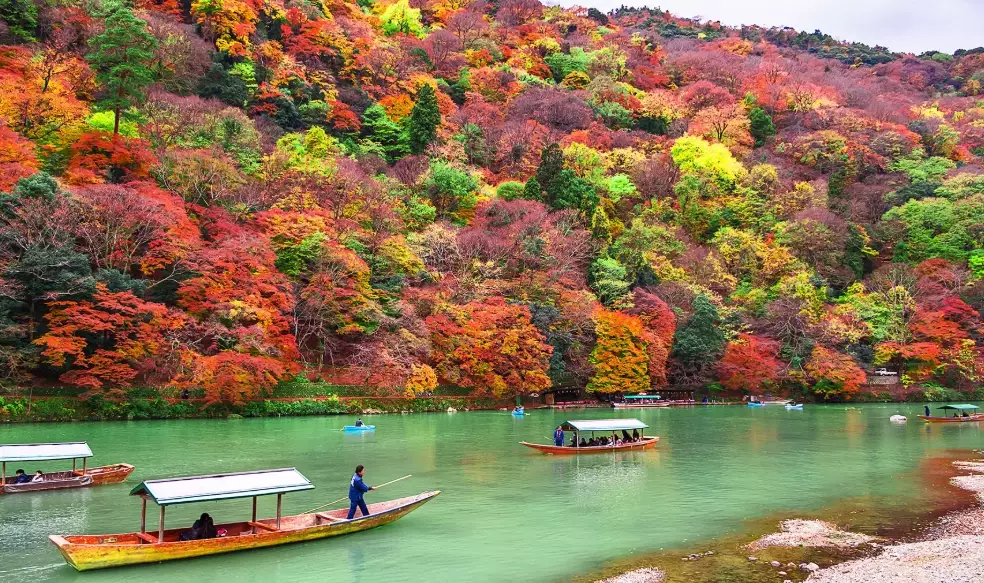
Every major weather service in Japan releases a kōyō zen sen (紅葉前線) or "autumn leaves front" map. It looks like a weather map with advancing colored lines. The most trusted source is the Japan Meteorological Agency (JMA), though their official English page can be sparse. More user-friendly are sites like Japan-Guide.com or Tenki.jp's foliage section (use browser translation).
Here’s my hard-earned advice: Don't book non-refundable flights for the exact peak date. Book your trip for the week leading up to the predicted peak. Why? First, the colors are often stunning for days before the official "peak." Second, if you're early, you can often chase the foliage to slightly higher elevations nearby. If you're late, you're just looking at bare branches and a feeling of profound regret. I've been both the early bird and the latecomer, and early is infinitely better.
The Best Places to See Japan Autumn Leaves: A Region-by-Region Breakdown
Forget trying to see it all. Japan is long. Pick a region based on your travel dates and interests. Here’s my personal take, colored by experience.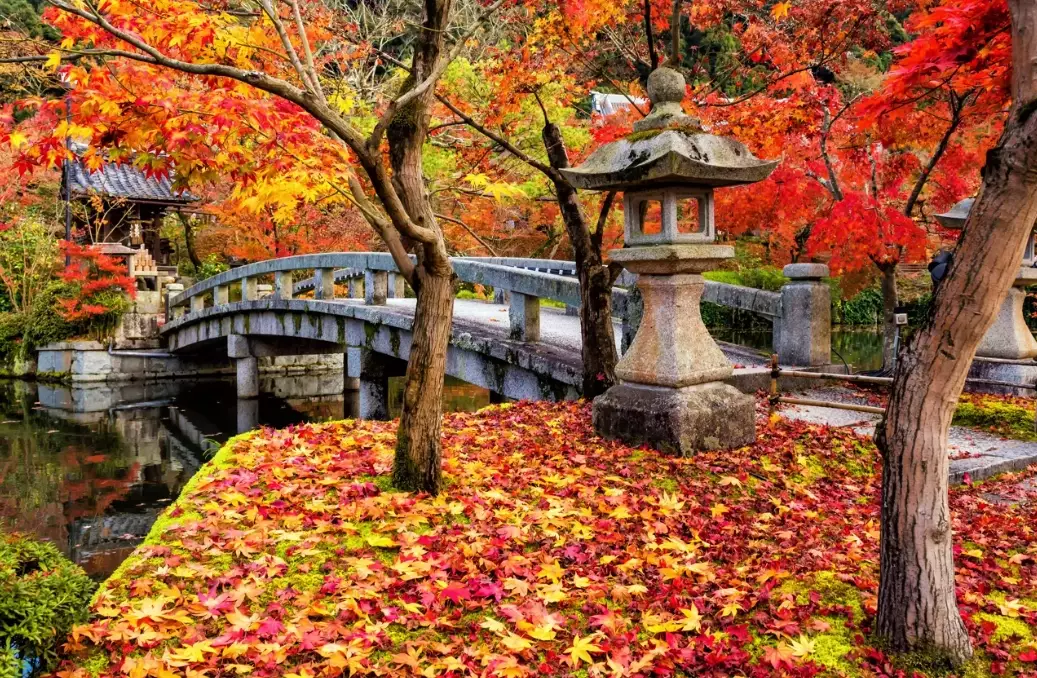
Hokkaido (Early to Mid-October)
Hokkaido kicks off the season. The scenery here is wilder, less about temples and more about vast landscapes. The downside? It can be very cold, and the season is short and sharp.
- Daisetsuzan National Park: The first place in Japan to see fall colors, often starting in September. The ropeway up Mount Asahi offers a breathtaking panorama of fiery slopes. It's raw, powerful, and feels a world away from the manicured gardens of Kyoto.
- Jozankei Onsen: A hot spring town near Sapporo. The contrast of steamy outdoor baths (rotemburo) with the cool air and colorful gorge walls is sublime. Perfect after a day of hiking.
- My Honest Take: Hokkaido is for the nature purist. The colors are spectacular, but the infrastructure between sites can be sparse. Rent a car if you can.
Tohoku (Mid to Late October)
Underrated and stunning. This northern region of Honshu has dramatic gorges, serene lakes, and fewer international tourists (though plenty of domestic ones).
- Oirase Gorge (Aomori): A streamside walking path that is, in my opinion, one of the top three autumn leaves experiences in Japan. The moss-covered rocks, clear water, and endless canopy of yellow, orange, and red beech trees create a fairy-tale atmosphere. Go on a weekday morning to avoid the bus crowds.
- Lake Towada: Paired with Oirase Gorge. The vast blue lake surrounded by fiery mountains is a view you'll remember. Boat tours are available, but they book fast.
- Naruko Gorge (Miyagi): Famous for its steep, V-shaped valley and a bright red suspension bridge that offers the iconic photo op. It's a bit more "developed" for tourism than Oirase.
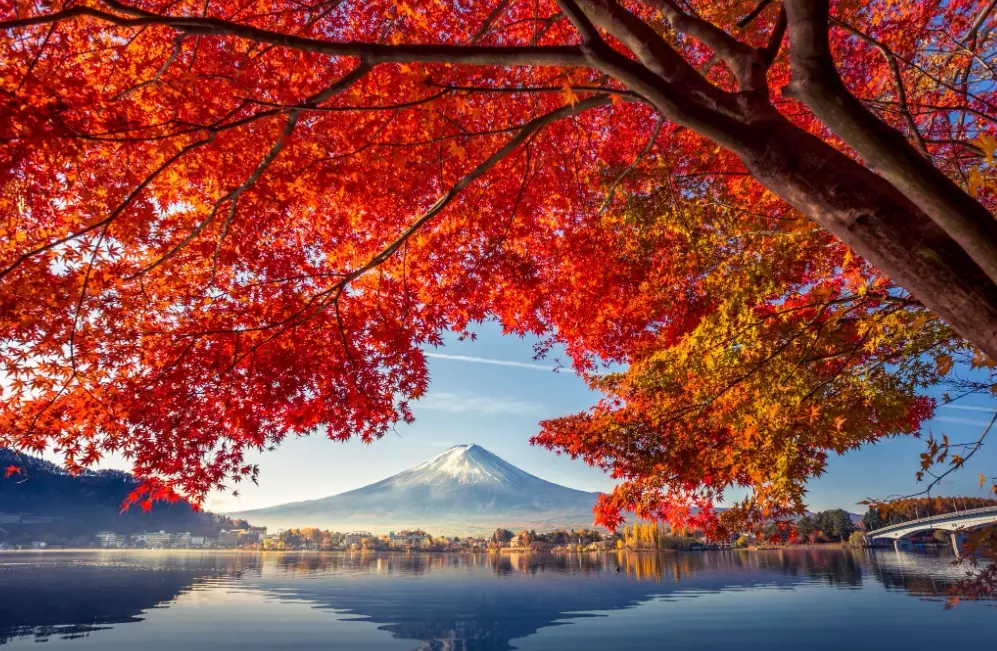
Kanto (Tokyo Area) & Chubu (Late November to Early December)
Yes, you can see amazing foliage in and around the world's biggest city. And then you can escape to the Japanese Alps for a completely different scale.
In Tokyo:
- Rikugien Garden: A classic strolling garden with a massive, weeping maple that is spectacularly lit up at night (yozakura for autumn leaves!). It's crowded, but for good reason. The night illumination is magical.
- Meiji Jingu Gaien: The famous Ginkgo Avenue. A nearly 300-meter tunnel of towering golden ginkgo trees. It's incredibly photogenic and full of energy. The downside? It's also incredibly full of people. Go early on a weekday.
- Mount Takao: Just an hour from Shinjuku, this mountain offers hiking trails with great views of Tokyo and, in season, lovely foliage. It's a great mix of nature and convenience.
In the Chubu Alps:
- Karuizawa: A popular highland resort town. Pleasant walks, old shopping streets, and nice color around the pond at Kumoba Pond. It feels more "resort" than "wild nature."
- The Alps (Kamikochi, Tateyama Kurobe Alpine Route): If you're early enough (October), the high mountains offer a different palette – larches turning gold against snowy peaks. Breathtaking, but check road/route closures as they close for winter by mid-November.
Kansai (Kyoto, Osaka, Nara) – Late November to Early December
The heavyweight champion. This is what most people envision. The synergy of history and nature is unmatched. It's also the most crowded.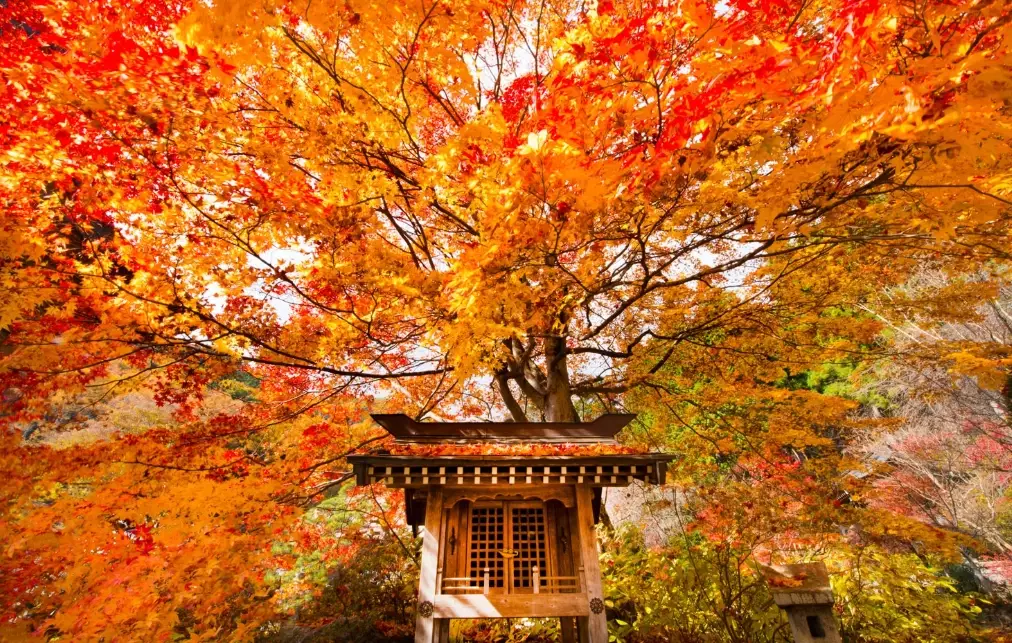
Here’s a more nuanced list for Kyoto:
| Spot | What Makes It Special | The Crowd Factor & My Tip |
|---|---|---|
| Eikando Zenrin-ji | The poster child of Kyoto autumn. Stunning pond reflections, multiple buildings on a hillside offering different views. The night illumination is legendary. | Extremely High. Lines can be hours long. Buy advance tickets if possible, or go on a rainy weekday (the colors pop against wet stones). |
| Tofuku-ji | Famous for the Tsutenkyo Bridge spanning a valley of maple trees. When at peak, it's a sea of red. | Very High. The bridge line moves slowly. Get there for opening (8:30 AM) to have a brief moment of semi-peace. |
| Bishamon-do | Lesser-known temple in the eastern hills. A personal favorite. Beautiful garden, lovely atmosphere, and far fewer crowds. | Low to Moderate. A perfect escape. The foliage is just as beautiful, the experience is serene. |
| Arashiyama | The whole district is beautiful. The iconic bamboo grove has some color, but the real stars are the gardens of Tenryu-ji and the Hozu River boat rides. | High in central areas. Wander the back streets along the Katsura River for quieter views. The Kimono Forest by the station is pretty at night. |
Don't forget Nara Park. Wandering among the ancient temples, deer, and large, colorful trees is a uniquely delightful experience. The deer are more mellow in the cool weather, too.
Chugoku, Shikoku, Kyushu (Late November to Early December)
These western regions peak last. Great if your trip is later in the year.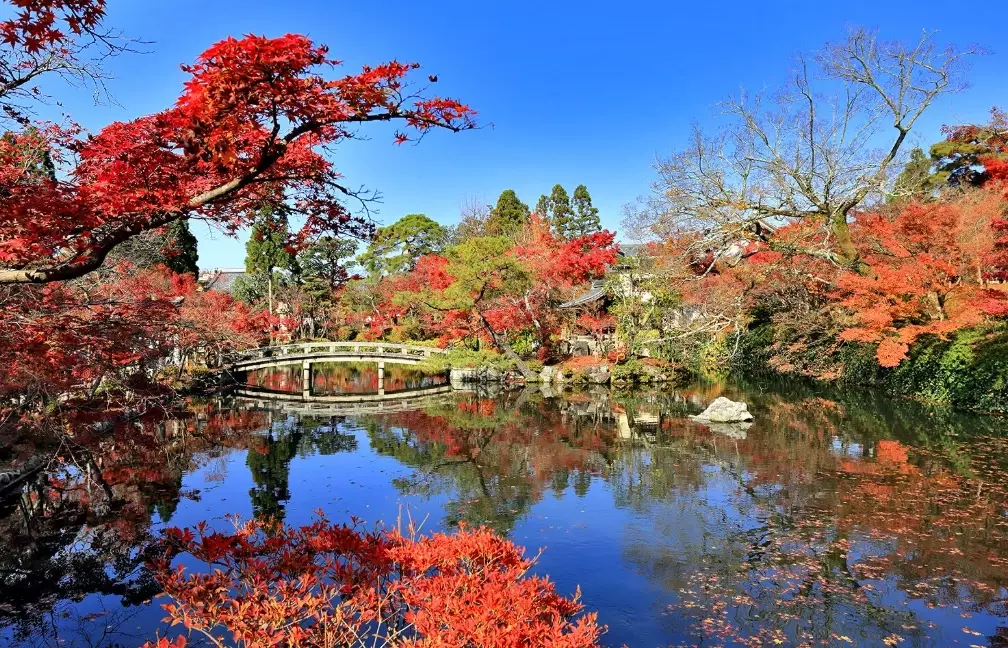
- Miyajima (Itsukushima Shrine): The iconic "floating" torii gate with the backdrop of Mount Misen, which turns various shades of red and gold. Take the ropeway up Mount Misen for panoramic views. The island has a mystical feel.
- Korankei Gorge (Near Nagoya): Often cited as one of Japan's top three foliage spots. Over 4,000 maple trees line the river, and the night illuminations are famous. It's a dedicated foliage destination.
- Kyushu's Takachiho Gorge: A deep, narrow gorge of volcanic basalt. The foliage along the rim and the rented rowboats on the emerald green water make for a stunning, almost surreal scene.
Planning Your Japan Autumn Leaves Trip: The Nitty-Gritty
Okay, you're inspired. Now for the practicalities that can make or break your trip.
When to Book & Budget
Book early. I mean it. Hotels in prime foliage spots (Kyoto, Nikko, Lake Kawaguchiko) can sell out 6-12 months in advance for peak weekends. Flights also get expensive.
Budget for more than you think. Autumn is a premium season. On average, expect to pay 20-50% more for accommodation compared to summer or spring (excluding cherry blossom season). A mid-range trip can easily cost $150-$250 per person per day, excluding flights.
What to Pack
Layers are key. Days can be pleasantly cool and sunny, while mornings and evenings are cold, especially in mountainous areas.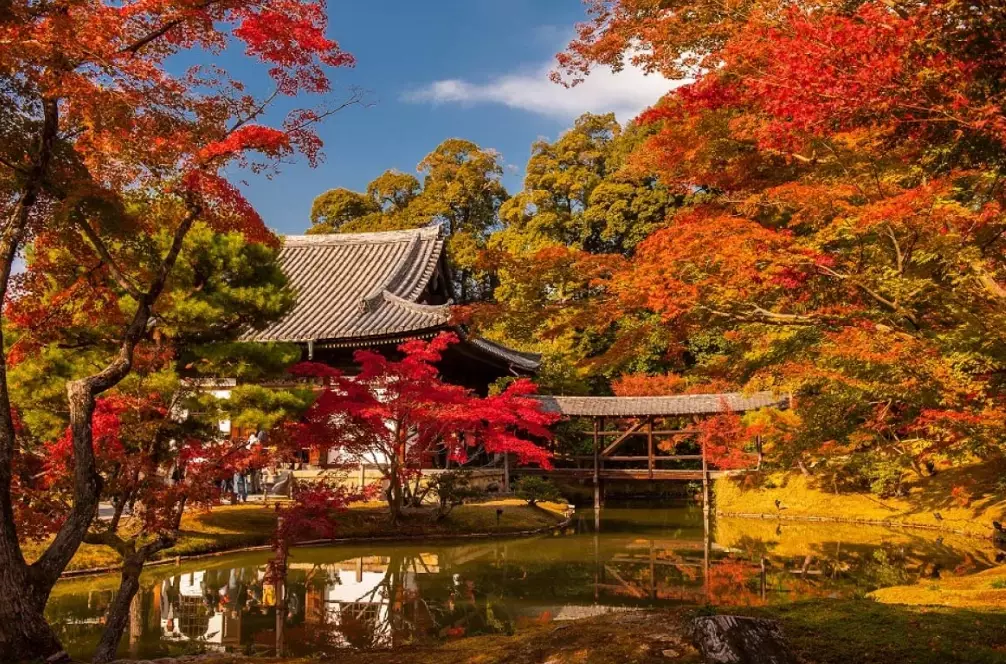
- Core Outfit: Thermal base layer, fleece or sweater, waterproof and windproof outer shell.
- Footwear: Comfortable, waterproof walking shoes with good grip. You'll be on your feet on uneven paths, mossy stones, and possibly wet leaves.
- Extras: Gloves, scarf, beanie. A portable power bank (you'll take a thousand photos). A small, packable umbrella.
- Camera: A polarizing filter can really make the colors and reflections pop by cutting glare.
Getting Around During Peak Season
Trains and buses will be busy, especially on weekends heading to famous spots. The Japan Rail Pass can still be good value if doing long-distance travel, but calculate based on your itinerary.
For remote gorges or onsen towns, local buses are the only option and can have long lines. Research bus schedules in advance and have a plan B. In places like Nikko or Hakone, the discounted area passes for buses/trains/boats are excellent value and simplify travel.
Driving?
It offers freedom, especially in Hokkaido or Tohoku. But be warned: traffic jams near popular foliage spots on weekends are legendary. Parking can be expensive and scarce. If you drive, aim for weekdays.
Beyond Viewing: Experiencing Autumn in Japan
Momijigari isn't just visual. Engage your other senses.
- Autumn Flavors: Look for seasonal wagashi (Japanese sweets) shaped like maple leaves or chestnuts. Try shinmai (new rice), sanma (Pacific saury fish), matsutake mushroom dishes, and hot sake. Starbucks Japan even has a Chestnut Frappuccino.
- Night Illuminations: Many temples and gardens extend hours and light up the foliage at night. It's a completely different, often more dramatic, experience. Eikando and Kiyomizu-dera in Kyoto are famous for this.
- Onsen: Soaking in a hot spring open-air bath as cool air brushes your face and you look out on a colored valley is peak Japanese autumn relaxation. Places like Hakone, Kinosaki, and Jozankei are perfect for this.
Frequently Asked Questions (The Stuff You Really Want to Know)
Is it better to see Japan autumn leaves or cherry blossoms?
Apples and oranges. Cherry blossom (sakura) season is about fleeting beauty, celebration, and pink clouds. It's more festive but shorter and even more crowded. Autumn is about rich, warm colors, longer viewing windows, and a more contemplative, elegant atmosphere. The weather is also more reliable in autumn—cool and crisp versus the potential rainy chill of spring. Personally, I prefer autumn for its depth and longer duration.
What if I miss the peak?
Don't panic. First, "late" foliage can be beautiful in its own right, with carpets of leaves on the ground. Second, head to a higher elevation (mountains peak earlier) or a lower elevation/warmer area (peaks later). Use the forecast maps actively during your trip to adjust. Third, focus on evergreen gardens or attractions less dependent on foliage. Japan is never "not" beautiful.
Are there any hidden gem spots to avoid crowds?
Yes, but "hidden" is relative in internet-savvy Japan. Look for spots slightly off the main tourist trail: Yamadera in Yamagata (a mountain temple with stunning views), Koyasan in Wakayama (ancient temple town in deep forests), or the Kiso Valley (walking the historic Nakasendo trail between preserved post towns). Smaller local parks in any city can also have gorgeous, crowd-free trees.
How do I take good photos without a crowd in them?
1. Go early. Be at the gate before it opens. 2. Look up. Crowds are at ground level; the canopy is often clear. 3. Use a telephoto lens to compress scenes and isolate details (a single branch against a temple wall). 4. Embrace the rain. Wet stones and leaves intensify colors, and crowds thin dramatically. 5. Visit smaller, paid-entry gardens—the entrance fee is a crowd filter.
Is it worth going to see the Japan autumn leaves with young children?
It can be, but manage expectations. Long hikes, crowded temples, and waiting in lines are hard for little ones. Choose stroller-friendly spots (many gardens have gravel paths that are tough), focus on places with space to run (like Nara Park), and break up viewing with kid-friendly activities. The colors themselves can be magical for children—just plan a slower, more flexible itinerary.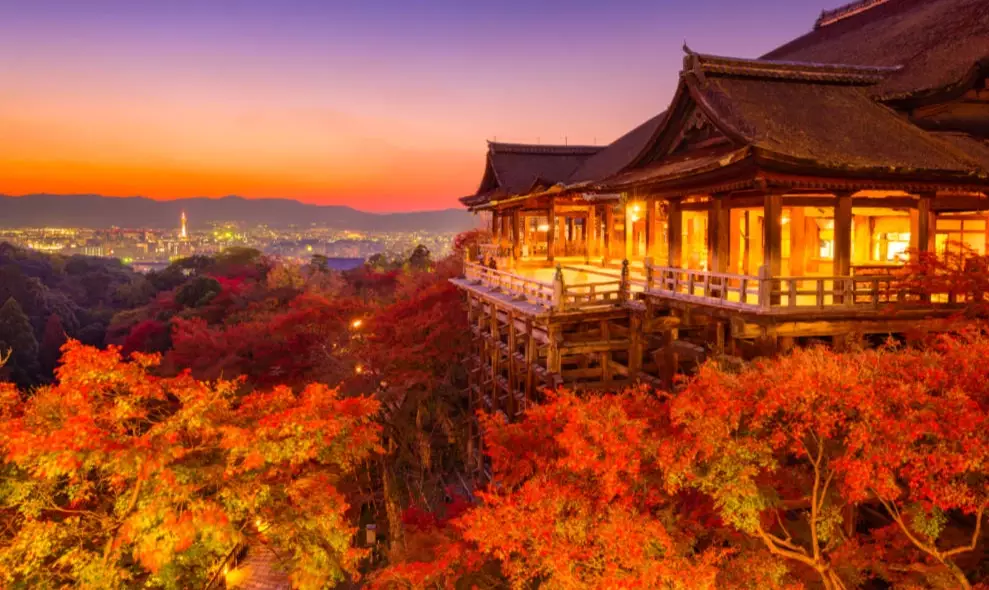


Comments