Quick Guide
- What Exactly Is Kawagoe Castle Today?
- Why Visit? The Irresistible Pull of History and Atmosphere
- Planning Your Visit: The Nitty-Gritty Details
- What to See and Do at Kawagoe Castle
- Combining Kawagoe Castle with "Little Edo"
- Common Questions & Straight Answers (FAQ)
- Deeper Dive: The Historical Significance of Kawagoe Castle
- Final Thoughts: Who Should Make the Trip?
Let's be honest, when you think of Japanese castles, your mind probably jumps straight to Himeji's white heron or Osaka's imposing fortress. Kawagoe Castle? It might not even register. I was the same. On my first trip to Japan years ago, I blasted right past Saitama prefecture without a second thought, chasing the neon of Tokyo and the temples of Kyoto. Big mistake. It wasn't until I moved here that I stumbled upon Kawagoe, and with it, the quietly fascinating story of Kawagoe Castle.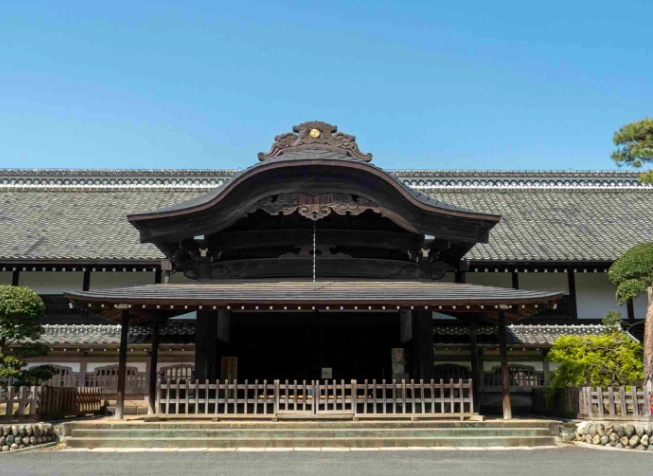
What you'll find today isn't a towering tenshu (castle keep) piercing the sky. That's the first thing to get straight. Time, fires, and the Meiji restoration saw to that. But what remains is something arguably more special and intimate: the Honmaru Goten, the main palace building. And here's the kicker—it's the only surviving main palace building of a feudal domain in the entire Kanto region. Let that sink in. While many castles have reconstructed keeps, the actual living quarters, the heart of the lord's power and daily life, are almost always gone. At Kawagoe Castle, you walk on the very floorboards where a daimyo lord held court, managed his domain, and lived.
Quick Reality Check: If you're expecting a full-blown, multi-story castle complex, you might be initially disappointed. The scale is more subdued. But that's precisely its charm. This isn't a tourist-centric reconstruction; it's a genuine artifact. You're not just looking at history, you're standing inside it.
What Exactly Is Kawagoe Castle Today?
So, you're in Kawagoe's "Little Edo" district, you've seen the iconic kurazukuri warehouse buildings, and you're wondering where this famous castle is. It's a short walk away, nestled in a quiet, park-like setting. The current site is centered around the Honmaru Goten.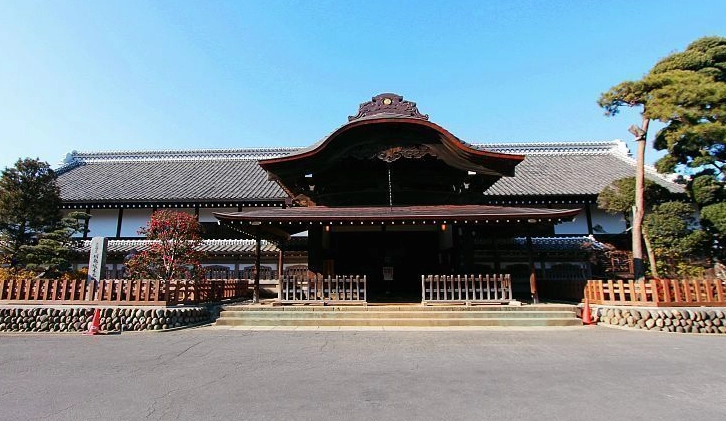
This long, wooden structure was the administrative and residential core. Built in 1848 (during the late Edo period), it replaced an earlier building lost to fire. Stepping inside is a step back in time. The air smells of old wood and tatami. The rooms are vast, open spaces defined by elegant shoji screens. You can clearly see the hierarchy in the architecture—the grandest room for the lord, slightly less elaborate rooms for high-ranking retainers, and so on.
What I love is the tangible sense of purpose. In the Daimyo's Room, you can almost visualize the lord seated, issuing commands. The Karamon (Chinese-style gate) at the entrance, though a reconstruction, sets a dignified tone. The surrounding area is now Kawagoe Castle Park, with grassy areas, the stone foundations of the long-gone keep, and the reconstructed Sumiyagura watchtower. It's peaceful, a world away from the crowds just a kilometer or so away.
My Personal Take: The first time I visited, it was a rainy Tuesday afternoon. I had the place almost to myself. Sitting on the engawa (veranda), listening to the rain patter on the garden stones, was more immersive than any crowded castle tower climb. It felt personal, like discovering a secret.
Why Visit? The Irresistible Pull of History and Atmosphere
Why should Kawagoe Castle be on your list, especially with so many other options? It comes down to authenticity and a unique historical niche.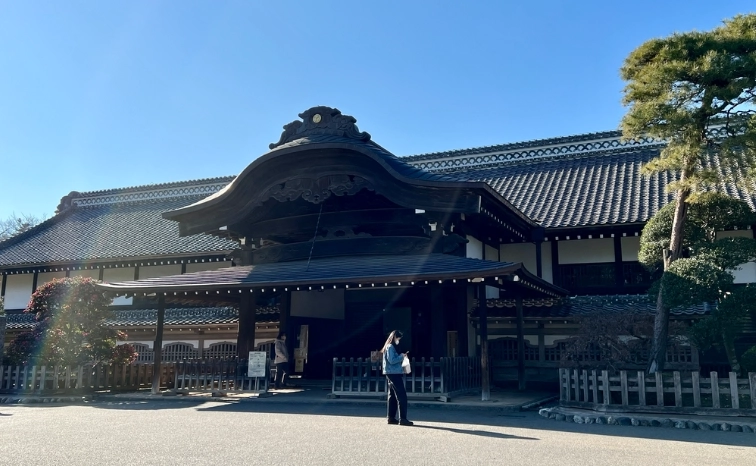
1. A Rare Glimpse into Samurai Governance
Most castle visits focus on military defense—the stone walls, the murder holes, the steep stairs. Kawagoe Castle flips the script. It's about governance and daily life. This is where the business of running a 170,000-koku domain happened. You're not learning how they fought off attacks; you're learning how they collected taxes, held ceremonies, and lived day-to-day. It's a crucial, often overlooked, side of samurai history.
2. The Core of "Little Edo"
Kawagoe's nickname isn't just for the warehouse district. The city flourished as a key commercial and strategic outpost for Edo (old Tokyo). The castle was the political anchor of that relationship. Visiting the Kawagoe Castle site completes the picture. You see the merchant town (Kashiya Yokocho, the candy alley) and the political seat of power. One fueled the other. Understanding the castle's role makes the whole "Little Edo" experience richer. How did a castle town function? This is your answer.
3. A Serene Counterpoint
The main street of Kawagoe can get packed, especially on weekends. The castle grounds are almost always calm. It's the perfect place to decompress, wander the gardens, and let the history settle in. You can sit and sketch, have a quiet picnic, or just enjoy the greenery. It offers a breathing space many tourist spots lack.
Planning Your Visit: The Nitty-Gritty Details
Alright, you're convinced. How do you make it happen? Here's everything you need to know, stripped of fluff.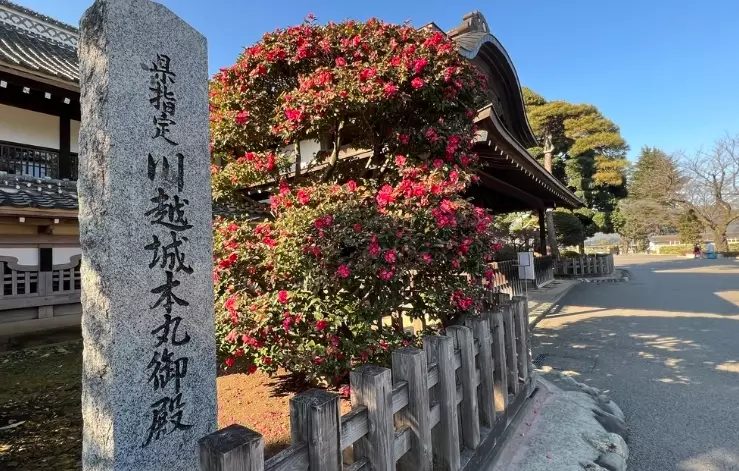
| What | Details | Notes / Personal Advice |
|---|---|---|
| Official Name | Kawagoe Castle Honmaru Goten (川越城本丸御殿) | Often just called "Kawagoe Castle" in English. |
| Address | 2-13-1 Kuruwamachi, Kawagoe, Saitama 350-0053 | Easy to input into Google Maps. |
| Opening Hours | 9:00 AM - 5:00 PM (Last entry 4:30 PM) | Closed Mondays (or following day if Mon is a holiday), and year-end/New Year's. |
| Admission Fee | 100 yen (about $0.65 USD) | Seriously, a hundred yen. It's almost symbolic. An absolute steal. |
| Time Needed | 45 mins - 1.5 hours | Depends on your pace. Reading all the plaques and enjoying the garden takes time. |
| Best Time to Visit | Weekday mornings, or late afternoon. Spring (cherry blossoms) & Autumn (foliage). | Weekends are fine, but the palace itself is small and can feel cramped if a tour bus arrives. |
Getting there is straightforward. From Kawagoe Station (on the Tobu Tojo Line from Ikebukuro, or the JR Kawagoe Line), it's about a 20-minute walk. A pleasant stroll through part of the town. You can also take a bus from the station, but walking lets you see the town transition. If you're coming from Hon-Kawagoe Station (closer to the warehouse district), it's a shorter, 10-15 minute walk.
Accessibility Note: The Honmaru Goten itself has a step at the entrance, but once inside, it's all on one level with smooth wooden floors. The park paths are generally flat and paved. It's one of the more accessible historical sites I've visited in Japan.
What to See and Do at Kawagoe Castle
Don't just zip through. Slow down. Here’s a breakdown of what to focus on.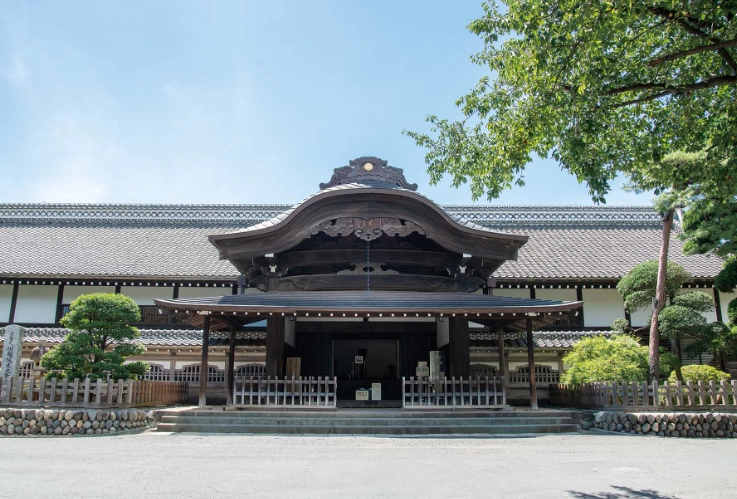
The Honmaru Goten (Main Palace) Interior
Take your shoes off at the entrance (slippers are provided). Feel the cool, wide-plank wood underfoot.
- The Grand Audience Hall (Ōhiroma): The largest room. Look up at the ceiling and the intricate transom carvings (ramma). The tokonoma (alcove) would have held prized art.
- The Daimyo's Private Rooms: Slightly more private, but still grand. Notice the difference in decor.
- The Retainers' Rooms: Simpler, with lower ceilings. The social hierarchy is built into the architecture.
- Artifact Displays: Armor, maps, documents. They're not vast, but they're relevant. A map showing the original, much larger castle grounds is particularly enlightening.
It's quiet. Eerily so. Lets your imagination run wild.
The Castle Grounds and Park
Exit the palace and explore.
- Stone Foundations (Ishigaki): Scattered around the park are the massive stone bases of the original castle towers and walls. They give you a sense of the scale the fortress once had.
- The Sumiyagura Watchtower: A reconstructed wooden watchtower. You can't enter, but it's photogenic against the sky.
- The Garden: A traditional Japanese garden with a pond, carefully placed stones, and seasonal plants. It's not Kyoto-level, but it's pretty and perfectly complements the palace.
- Museum (Fujimi Hiroba Reference Room): A small, free museum on the park grounds with more models and historical info. Worth a quick peek.
Combining Kawagoe Castle with "Little Edo"
This is where the magic happens. A visit to Kawagoe Castle shouldn't be isolated. It's the cornerstone of a fantastic day trip. Here’s a logical, flowing itinerary I've tested on friends multiple times.
- Start Early at the Castle (9:30 AM - 11:00 AM): Beat any potential crowds. Enjoy the morning light in the garden.
- Walk to Kurazukuri Street (11:00 AM - 1:00 PM): Stroll from the castle park towards the iconic warehouse district. This route takes you through quieter backstreets. Explore the main street, see the Toki no Kane bell tower, maybe pick up a sweet potato snack (Kawagoe's famous!).
- Lunch (1:00 PM): Kawagoe is known for eel (unagi) and sweet potato soba. Find a restaurant along Kurazukuri Street or a side alley.
- Kashiya Yokocho & Shopping (2:00 PM - 3:30 PM): Hit the "Candy Alley." It's nostalgic and fun. Then, browse the traditional craft shops for souvenirs.
- Optional: Kitain Temple (3:30 PM - 4:30 PM): A short walk away. Home to the only remaining palace buildings of Edo Castle itself—a fascinating companion piece to Kawagoe Castle.
Why This Order Works: You begin with the historical "why" (the castle), then experience the vibrant "result" (the merchant town). It tells a complete story. Doing it the other way around works too, but ending at the peaceful castle as the day winds down is also lovely.
Common Questions & Straight Answers (FAQ)
Is Kawagoe Castle worth it if I've seen Himeji or Matsumoto?
Completely different experience. Those are about majestic defense. This is about political and domestic life. It's like comparing a warship to a presidential palace. Both are fascinating, but for different reasons. If you love history's nuances, it's 100% worth it.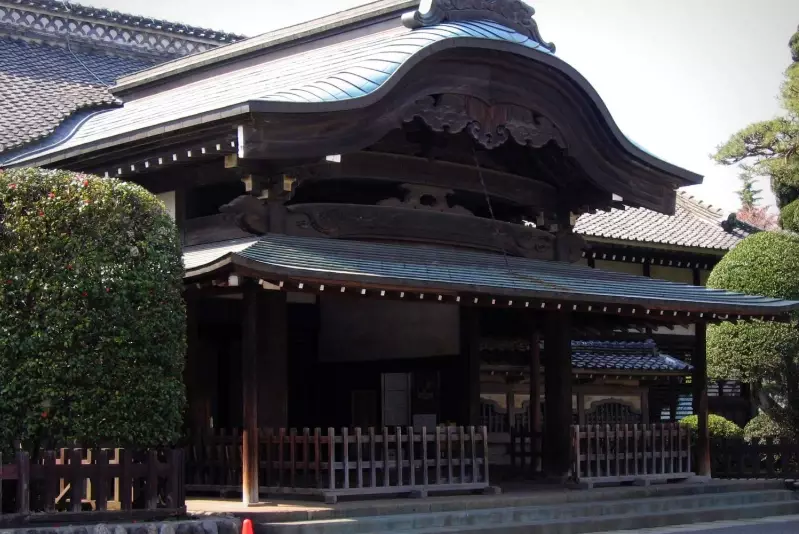
Can I go inside the castle keep?
No. The main keep (tenshu) was demolished in 1870 and wasn't rebuilt. The focus is entirely on the Honmaru Goten palace. This is the key thing to understand before visiting to set expectations right.
Is it good for kids?
Young kids might find the interior "just a big empty house" and get bored quickly. The park outside is good for running around. It's more suited for kids with a budding interest in history, or for adults. It's not a hands-on, interactive museum.
How does it compare to other "palace" sites like the Ninomaru at Nijo Castle in Kyoto?
Ninomaru is larger, more famous, and more lavishly decorated. Kawagoe Castle's Honmaru Goten is humbler, more provincial, and far less crowded. It offers a similar vibe on a smaller, more intimate scale. If you can't get to Kyoto, this is a fantastic sample. If you've seen Nijo, you'll appreciate seeing another, less-polished example.
Deeper Dive: The Historical Significance of Kawagoe Castle
To really appreciate the site, a bit of context helps. Kawagoe Castle's strategic importance can't be overstated. Built originally in 1457 by Ota Doshin and his son Dokan (the famed builder of Edo Castle), its purpose was to guard the northern approach to Edo. For the Tokugawa shogunate, it was a vital defensive bulwark.
Throughout the Edo period, it was ruled by a succession of powerful fudai daimyo (hereditary vassal lords) closely allied with the Shogun. The fact that the final palace building was constructed in 1848, on the eve of the Meiji Restoration, is poignant. It represents the twilight of the samurai era. After the Meiji Restoration, like most castles, it was largely dismantled. The fact that the Honmaru Goten survived is somewhat miraculous. It was used as a school and government office, which likely saved it from demolition.
For verified historical data and context, the Official Kawagoe City Website has solid information (use browser translation). For broader understanding of Japanese castles, the Japan-Guide.com page on Kawagoe is a reliable, well-resourced starting point for many travelers. For academic depth on castle architecture, resources like the Japanese Castle Association (日本城郭協会) are authoritative, though primarily in Japanese.
History isn't just about big battles. It's about seats of power, and this was one.
Final Thoughts: Who Should Make the Trip?
Kawagoe Castle isn't for everyone. If your travel style is about ticking off major icons as fast as possible, you might skip it. But if any of the following sound like you, put it on your list:
- You're a history buff interested in the everyday workings of the samurai era, not just the wars.
- You're doing a day trip to Kawagoe and want to understand the full picture of "Little Edo."
- You appreciate authentic, understated historical sites over crowded, rebuilt landmarks.
- You want a peaceful, reflective spot to balance a busy Japan itinerary.
- You're looking for incredible value—profound history for just 100 yen.
My last visit was with a friend who claimed to hate "old buildings." After an hour at Kawagoe Castle, she was the one reading every plaque, fascinated by how the space was used. "It feels real," she said. That's the best review I can give it. It’s not the most spectacular castle in Japan, but it might be one of the most genuinely evocative. It demands a bit of imagination from you, and in return, it offers a direct, unvarnished connection to the past. In a country full of breathtaking sights, the quiet dignity of Kawagoe Castle holds its own unique power.
So, next time you're planning a trip from Tokyo, look north to Saitama. Beyond the bustling warehouse town lies the quiet heart of Kawagoe's history. Give it a couple of hours. You might be surprised by what you find, and what you feel, walking through the last main palace of the Kanto plain.

Comments