Your Takayama Travel Blueprint
- Why Bother with Takayama Travel? The Core Appeal
- When to Go: Timing Your Takayama Travel Perfectly
- Crafting Your Takayama Itinerary: How Many Days?
- Where to Stay in Takayama: A Quick Breakdown
- Must-Do Experiences & Top Attractions
- The Food & Drink Scene: What and Where to Eat
- Practical Takayama Travel Tips (The Nitty-Gritty)
- Common Questions About Takayama Travel (FAQs)
- Final Thoughts on Planning Your Trip
Let's be real for a second. When most people plan a trip to Japan, their minds jump straight to Tokyo's neon buzz, Kyoto's temples, or Osaka's food scene. Takayama? It's often an afterthought, a name they might have seen on a travel forum. But here's the thing – skipping Takayama travel plans is a mistake I almost made, and I'm so glad I didn't. Nestled deep in the Japanese Alps in Gifu Prefecture, this place isn't just a stopover; it's a destination that captures a slice of old Japan that feels increasingly rare.
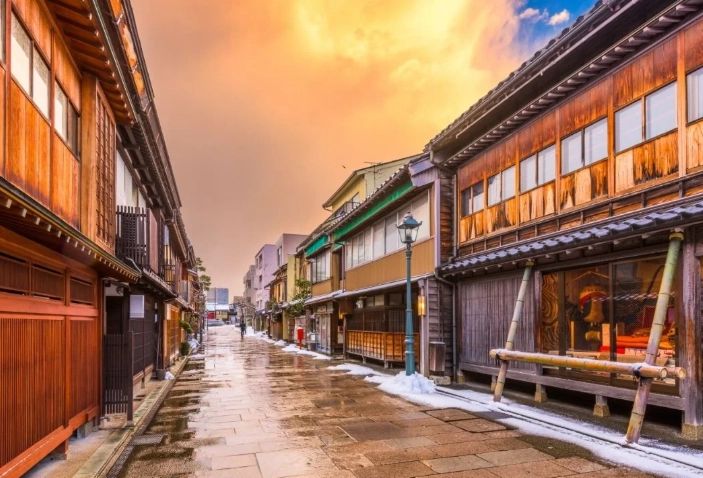
Why does Takayama travel resonate so deeply? It's not about one single monument. It's the feeling you get wandering its preserved Edo-period streets, the Sanmachi Suji district, where dark wooden latticed buildings house sake breweries and miso shops. It's the crisp mountain air, the warmth of a hoba miso dish sizzling at your table, and the serene atmosphere that lacks the elbow-to-elbow crowds of more famous spots. They call it "Little Kyoto," but that sells it short. Takayama has its own rugged, mountain-town soul.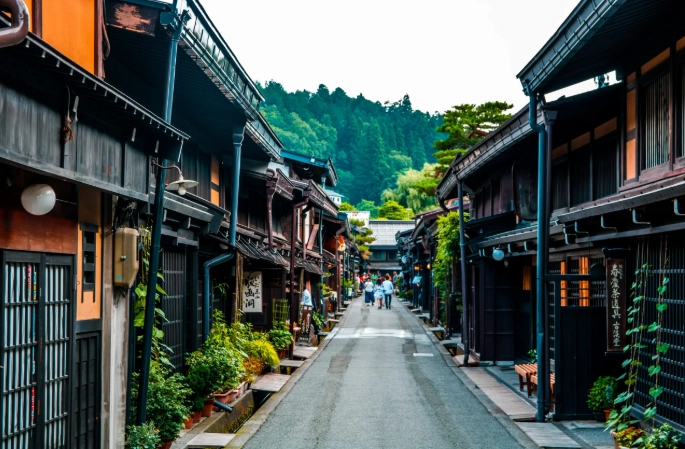
If you're looking for an authentic, slower-paced Japanese experience beyond the bullet-train circuit, planning your Takayama travel is a brilliant move. This guide won't just list attractions. I'll walk you through the why, the when, the how, and the what-to-eat, mixing practical advice with the kind of insights you'd get from a friend who's been there and made a few mistakes along the way.
Why Bother with Takayama Travel? The Core Appeal
You might be wondering, with limited time in Japan, is Takayama worth the journey? For me, the answer is a definitive yes, but it depends on what you're after.
Think of it as a cultural decompression chamber.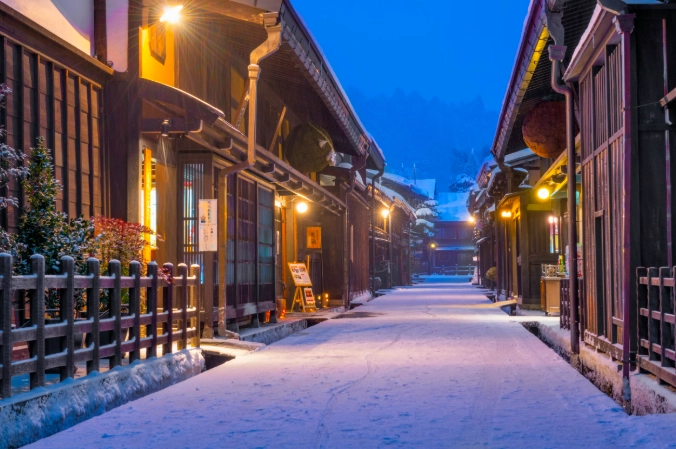
After the sensory overload of major cities, Takayama is a breath of fresh, alpine air—literally and figuratively. Its appeal is multi-layered:
- An Almost Unchanged Old Town: The Sanmachi Suji area is the poster child for Takayama travel. These streets have been meticulously maintained. You're not walking through a replica; you're walking through history. Sake breweries hang spherical sugi-dama cedar balls outside their doors. Old merchant houses are open for exploration. It's compact, walkable, and incredibly photogenic, especially in the soft light of early morning before the day-trip buses arrive.
- A Foodie Haven (Beyond Sushi): This is the heart of Hida region, famous for its superb beef. Hida beef is a marbled, tender rival to Kobe or Matsusaka, but often at a slightly more accessible price point. Then there's the local sake, brewed with pure mountain water, and unique street foods like mitarashi dango (sweet soy-glazed rice dumplings) and Hoba Miso (fermented bean paste grilled on a magnolia leaf).
- Living Traditions: Takayama is famous for its festivals, the Takayama Matsuri, held in spring and autumn. Even outside festival times, you can see the magnificent floats at the Takayama Festival Float Exhibition Hall. The town's carpentry skills are legendary, evident in its shrines and the beautiful Takayama Jinya, a former government outpost.
- Gateway to the Alps & Shirakawa-go: This is a huge practical advantage. Takayama is the perfect base for exploring the UNESCO World Heritage site of Shirakawa-go, with its iconic thatched-roof gassho-zukuri farmhouses. It's also a launchpad for hikes and onsens in the surrounding mountains.
My own "aha" moment came at the Miyagawa Morning Market. It wasn't just about buying pickles or crafts. It was chatting (with lots of gestures!) with a local farmer about her vegetables, feeling the community vibe, and then eating the freshest, sweetest strawberry I've ever had. That simple interaction defined my Takayama travel experience more than any temple.
When to Go: Timing Your Takayama Travel Perfectly
Seasons dramatically change the face of Takayama. There's no single "best" time, but there's a best time for *you*.
Spring (April-May) & Autumn (October-November) are the gold standards. Spring brings cherry blossoms lining the Miyagawa River—a stunning, slightly less crowded alternative to Kyoto. Autumn sets the surrounding mountains ablaze with red and gold foliage. The weather is mild and perfect for walking. The downside? Everyone else knows this too. Accommodation books up far in advance, and prices peak.
Summer (June-September) is green and vibrant, but it can be surprisingly warm and humid in the daytime, though nights remain cool. The summer festival in July is a draw. This is a good time for hiking in the nearby Alps.
Winter (December-March) is severely underrated. Yes, it's cold and snowy—often heavily so. But seeing the old town's wooden houses under a blanket of snow is magical. The winter light is beautiful. It feels quiet and serene. Plus, nearby Shirakawa-go is at its most picturesque in winter (though access can be tricky during heavy snowfalls). Just pack serious thermal wear and waterproof boots.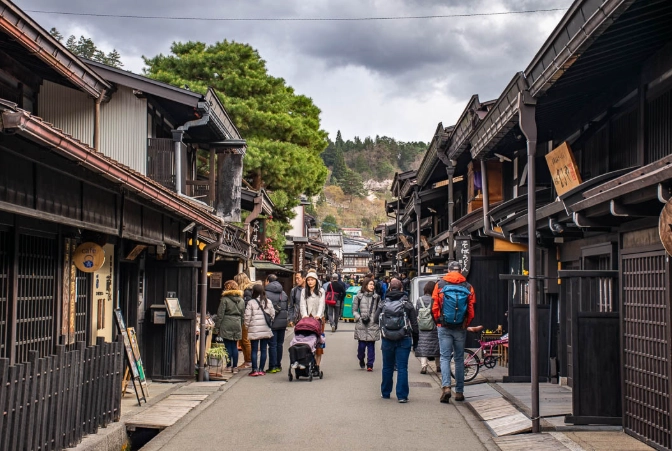
My take? I went in late November.
The autumn colors were past their peak but still lovely, and the tourist numbers had dipped just enough. The chill in the air made steaming bowls of ramen and warm sake even more rewarding. For a balance of good weather and manageable crowds, consider the shoulder months of late April or early November.
Crafting Your Takayama Itinerary: How Many Days?
This is a common question. Many people try to shoehorn Takayama into a day trip from Nagoya or Toyama. I think that's a rush.
A day trip gives you just enough time to walk the old town, visit a market, and have lunch. You'll see it, but you won't *feel* it. You'll miss the tranquil early mornings and relaxed evenings, which are half the charm.
The Sweet Spot: 2 Full Days / 2 Nights
This allows a balanced and immersive Takayama travel experience:
- Day 1: Arrive, settle into your accommodation. Explore the Sanmachi Suji Old Town at a leisurely pace. Visit the Takayama Jinya (the historical government house). Sample sake at a brewery. Enjoy a dinner of Hida beef.
- Day 2: Hit the Miyagawa Morning Market. Visit the Takayama Festival Floats Exhibition Hall. In the afternoon, choose between the Hida Folk Village (an excellent open-air museum) or some souvenir shopping. A relaxing soak in an onsen (many hotels have them) is the perfect evening activity.
The Ideal: 3 Days / 3 Nights
With a third day, you can take the highly recommended day trip to Shirakawa-go. The bus ride is about 50 minutes. Wandering among the gassho-zukuri houses, especially if you visit the Wada House or have lunch in one, is a highlight of any Japan trip. Book your bus tickets in advance, especially during peak seasons—you can do this online or at the Takayama Nohi Bus Center.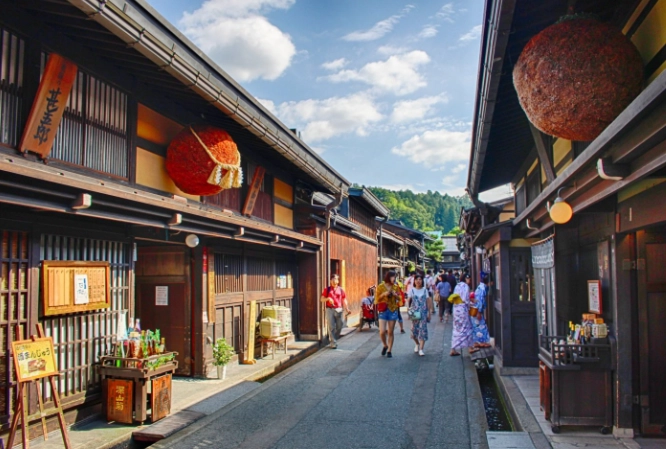
If you're not into Shirakawa-go, use the extra day for a trip to the nearby Hida-Furukawa town (smaller, quieter, but charming) or a short hike in the Kamikochi area (seasonal access).
Where to Stay in Takayama: A Quick Breakdown
Choosing your base impacts your experience. Here’s a no-nonsense look at your options.
| Accommodation Type | Best For | What to Expect & Tips |
|---|---|---|
| Ryokan (Traditional Inn) | The ultimate cultural immersion, foodies, special occasions. | Multi-course kaiseki dinners, futons on tatami, often includes a private or shared onsen. Can be pricey. Book meals in advance. Try a place like Honjin Hiranoya Bekkan for a classic experience. |
| Minshuku (Family-run Guesthouse) | Budget travelers seeking authentic interaction. | Simpler than a ryokan, often includes home-cooked breakfast/dinner. Rooms are basic, bathrooms may be shared. A fantastic way to meet local families. |
| Business Hotel / Modern Hotel | Travelers who prefer Western-style comfort and convenience. | Private rooms with beds, private bathrooms. Usually near the station. Less atmospheric but predictable and efficient. The Takayama Green Hotel is a popular, reliable choice. |
| Machiya Stay (Townhouse Rental) | Families, small groups, longer stays, independence seekers. | Renting a renovated traditional wooden townhouse. You get your own kitchen and living space. Feels like living locally. Needs more research and advance booking. |
I stayed in a mid-range ryokan a 10-minute walk from the station. Waking up on a futon, putting on the provided yukata, and having a stunning breakfast of grilled fish, tofu, and local vegetables was a highlight. Yes, sleeping on the floor took a night to get used to, but it was part of the adventure.
Must-Do Experiences & Top Attractions
Beyond just wandering, here are the activities that should anchor your Takayama travel plans.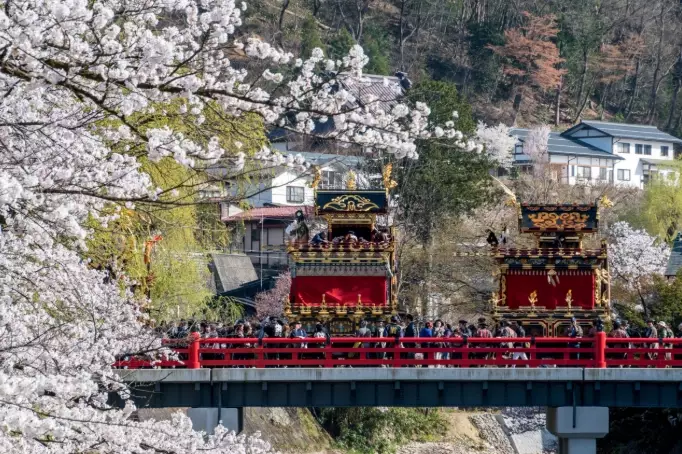
Get Lost in Sanmachi Suji (The Old Town)
This is non-negotiable. But don't just walk down the main street. Peek into the side alleys. Look for the small shrines tucked away. Pop into the Yoshijima Heritage House to see exquisite traditional architecture. The Kusakabe Heritage House is another stunning merchant home. My advice? Go early. Before 9 AM, you might have the cobbled streets almost to yourself. The difference in atmosphere is night and day.
Visit the Miyagawa Morning Market
Held daily along the east bank of the Miyagawa River. It's smaller than some famous Japanese markets, which is its charm. You'll find local crafts, pickles, snacks, and fresh produce. The vendors are friendly. Try the goheimochi (a grilled rice cake on a stick with a savory miso or nutty sauce). It's a simple, delicious local snack.
Step into History at Takayama Jinya
This is the only remaining building of its kind in Japan—a local governor's office from the Edo period, preserved almost exactly as it was. Walking through the tatami-matted offices, interrogation room, and rice storehouses gives you a tangible, slightly austere feel for how the region was administered. The audio guide is worth the small extra fee for context.
Marvel at the Festival Floats
Even if you can't attend the extravagant Takayama Matsuri, you can see the magnificent yatai (floats) up close at the Takayama Festival Float Exhibition Hall (the Spring Festival floats) and the Sakurayama Hachimangu Shrine (where some Autumn Festival floats are stored). The intricate wood carvings, lacquerwork, and mechanical dolls (karakuri ningyo) are astounding feats of craftsmanship.
Explore the Hida Folk Village (Hida no Sato)
A short bus ride from the center, this open-air museum is far from a cheesy tourist trap. Over 30 traditional gassho-zukuri and other thatched-roof houses from the Hida region were relocated here. You can enter most of them, see tools, hearths, and silk-worm cultivation displays. The setting by a pond with the mountains in the background is picturesque. It's a great way to understand rural life. Allow at least 1.5 to 2 hours.
Money-Saving Tip: Consider the "Sarubobo Ticket" or a combination ticket that covers entry to Takayama Jinya, the Festival Float Hall, and the Hida Folk Village. If you plan to visit at least two, it usually saves you a few hundred yen.
The Food & Drink Scene: What and Where to Eat
Takayama travel is as much a culinary journey as a visual one.
You cannot leave without trying Hida beef.
It's that good. You can have it as steak, sukiyaki, shabu-shabu, or even in a humble beef croquette (korokke) from a street stall. The marbling creates an incredibly tender, flavorful meat. For a splurge, try a dedicated restaurant like Suzuya or Maruaki. For a more casual but still fantastic experience, many places serve Hida beef as skewers (kushiyaki) or in a donburi (rice bowl).
- Hoba Miso: A local specialty where miso paste mixed with mushrooms, green onion, and sometimes meat is grilled on a dried magnolia leaf (hoba) over charcoal. The leaf imparts a subtle fragrance. It's often a side dish or appetizer.
- Local Sake: The clean mountain water is perfect for brewing. Look for breweries in the old town with the sugi-dama ball outside. Many offer tastings for a small fee. Funasaka Sake Brewery and Harada Sake Brewery are popular spots.
- Ramen: Takayama has its own style of ramen – soy-sauce based broth, rather thin, curly noodles, topped with scallions and chashu pork. It's a hearty, local comfort food. Menya Shirakawa is a famous, no-frills shop often with a line.
Practical Takayama Travel Tips (The Nitty-Gritty)
Getting There and Away
Takayama is remote but well-connected.
- By Train: The scenic Hida Limited Express (nicknamed "Wide View Hida") from Nagoya is the classic approach. The journey takes about 2.5 hours and offers beautiful views of rivers and gorges. It's covered by the Japan Rail Pass. You can also come from Toyama or Osaka (via Kanazawa).
- By Bus: Often cheaper than the train. Highway buses connect Takayama to Tokyo, Nagoya, Kyoto, and Osaka. The ride from Tokyo is long (5-6 hours), but overnight buses can save on a night's accommodation. Book bus seats online in advance.
Getting Around Takayama
The city center is very walkable. For the Hida Folk Village and Shirakawa-go, you'll use buses. The local bus network is efficient. Consider renting a bicycle for a day to explore the city outskirts and riverside paths at your own pace. Several rental shops are near the station.
Money & Budgeting
Takayama isn't the cheapest destination in Japan, but it's not exorbitant either. Mid-range is where it shines. A good ryokan with two meals can cost ¥25,000-¥40,000 per person per night. Business hotels are ¥8,000-¥15,000. Meals range from ¥1,000 for a bowl of ramen to ¥10,000+ for a premium Hida beef course. Many smaller shops and markets are cash-only, so always carry yen.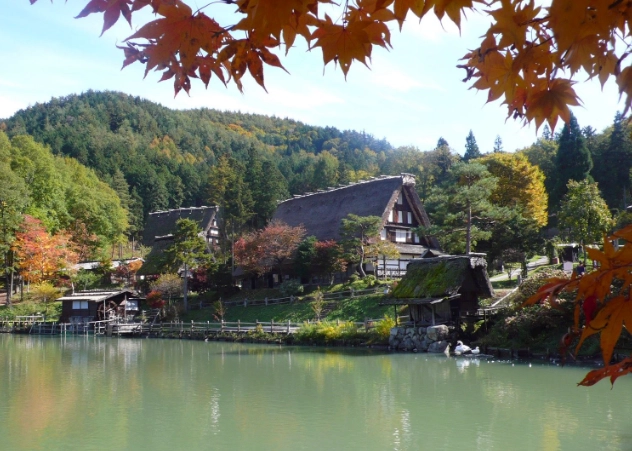
Common Questions About Takayama Travel (FAQs)
Final Thoughts on Planning Your Trip
Look, planning any trip involves trade-offs. Including Takayama in your Japan itinerary means you might have to sacrifice another city. But for a unique, deeply cultural, and calming experience that showcases a different side of the country, it's a sacrifice worth making.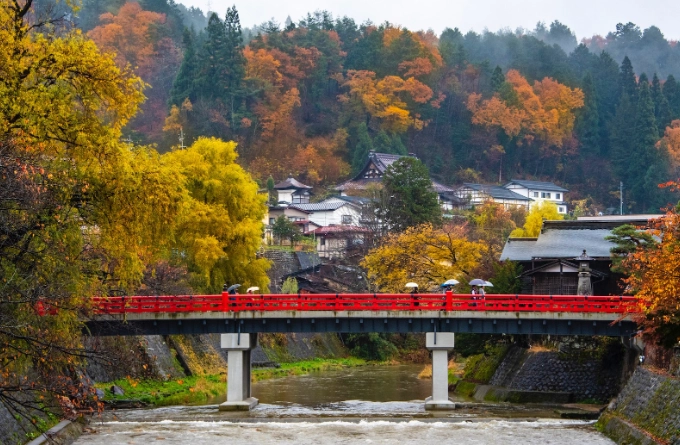
The essence of Takayama travel isn't about ticking boxes. It's about slowing down. It's sipping warm sake in a 300-year-old building. It's tasting beef that melts in your mouth. It's getting lost on a quiet street and feeling transported to another era.
I left Takayama feeling more refreshed than when I arrived. That's a rare feeling after traveling. It doesn't shout for your attention; it quietly earns it. So, if you're looking to go beyond the postcard Japan and into its heart, start planning your visit. You won't regret it.
Do your research, book your accommodation early (especially for ryokans), and pack comfortable walking shoes. Most importantly, go with an open mind and a relaxed schedule. Let Takayama reveal itself to you at its own, wonderfully slow, mountain-town pace.
Comments