In This Guide
- The Mountain by the Numbers
- More Than a Mountain: The Heart of Japan
- When to Go (And When to Absolutely Avoid It)
- Picking Your Path: The Four Main Trails to the Top
- What to Actually Bring: The Packing List That Matters
- Costs: Let's Talk Money
- Altitude Sickness: The Invisible Enemy
- What's at the Summit? (Besides the View)
- Frequently Asked Questions (The Real Ones)
- Beyond the Climb: Viewing Mt. Fuji from Afar
- The Final Word: Respect is Everything
Let's be honest. When you think of Japan, you probably see that perfect cone-shaped mountain with a snow cap. That's Mount Fuji, or Fuji-san as locals call it with respect. It's on postcards, in countless paintings, and it's probably the background on your friend's Instagram from their Japan trip. But here's the thing most blogs don't tell you: climbing Mt. Fuji is not a walk in the park. It's a serious hike that demands respect. Some people have a miserable time because they're not ready for it. I've been up there, and I've seen the good, the bad, and the ugly (mostly people looking ugly from exhaustion at 5 am).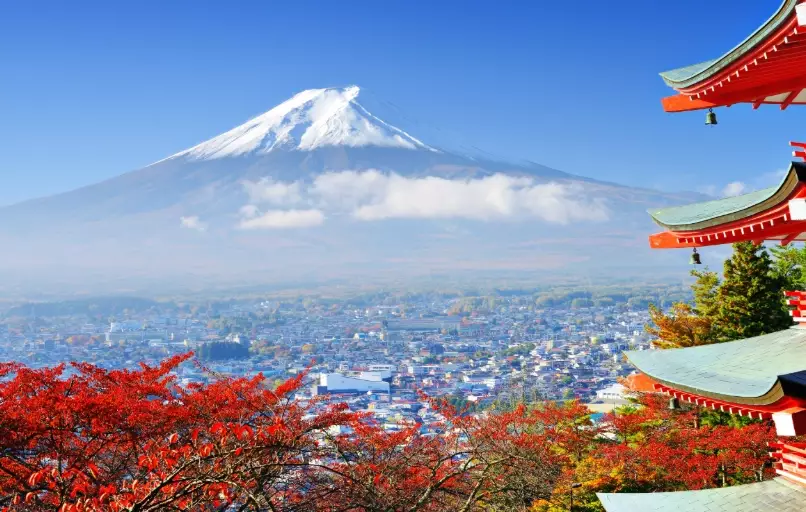
So, why another guide? Because most articles just list facts. They don't give you the feel of the gravel underfoot, the thinness of the air, or the reality of using a toilet at 3,000 meters. This isn't just about how to climb Mt. Fuji; it's about whether you should, when you should, and how to do it without hating every minute. We'll dig into the mountain's soul, not just its slopes.
The Mountain by the Numbers
Before we get into the nitty-gritty, let's ground ourselves with some basics. Mt. Fuji stands at 3,776 meters (12,389 feet), making it Japan's tallest peak. It's an active volcano (though don't panic, its last eruption was in 1707), and it sits about 100 kilometers southwest of Tokyo. In 2013, it was designated a UNESCO World Heritage site as a "Cultural Property" rather than a natural one, which tells you a lot about its significance to the Japanese people. It's not just a rock; it's a symbol. You can learn more about its geological status from the Geospatial Information Authority of Japan.
More Than a Mountain: The Heart of Japan
You can't understand Mt. Fuji without understanding its place in Japanese culture. For centuries, it's been a sacred site for Shintoism and Buddhism. Pilgrims have climbed it as an act of devotion. The famous ukiyo-e artist Katsushika Hokusai didn't just paint "The Great Wave off Kanagawa"; he did a whole series called "Thirty-six Views of Mount Fuji," obsessing over it from every angle. It's woven into the national identity. Even today, seeing Fuji-san on a clear day is considered lucky. This deep history is officially recognized, and details can be found on the UNESCO World Heritage Centre page for Fujisan.
But this reverence comes with a modern problem. Its popularity means it gets crowded. Really crowded. The official climbing season is short, and during July and August, the trails can feel more like a conveyor belt than a wilderness experience. That's the first big trade-off you need to consider.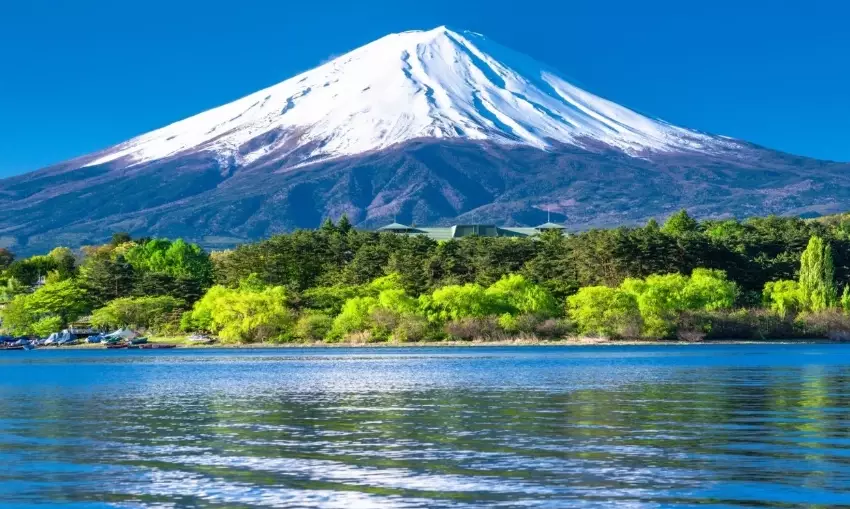
When to Go (And When to Absolutely Avoid It)
The official climbing season for Mt. Fuji is shockingly short: early July to early September. That's when the mountain huts are open, the buses are running, and most importantly, the snow is gone from the trails. Outside this window, climbing is strongly discouraged and often prohibited. It becomes a mountaineering expedition requiring serious gear and expertise.
Pro Tip: Aim for early July or early September if you hate crowds. The very peak of the season is during Obon holiday in mid-August. I went once during Obon, and the line to the summit at sunrise was... soul-crushing. Early September is my personal favorite—cooler weather, fewer people, but still within the safe window.
Weather is the king here. The mountain creates its own weather system. You can start in sunshine at the 5th Station and be in thick, cold cloud an hour later. Checking the forecast is non-negotiable. The official Japan Meteorological Agency website has specific mountain forecasts that are far more reliable than your standard weather app.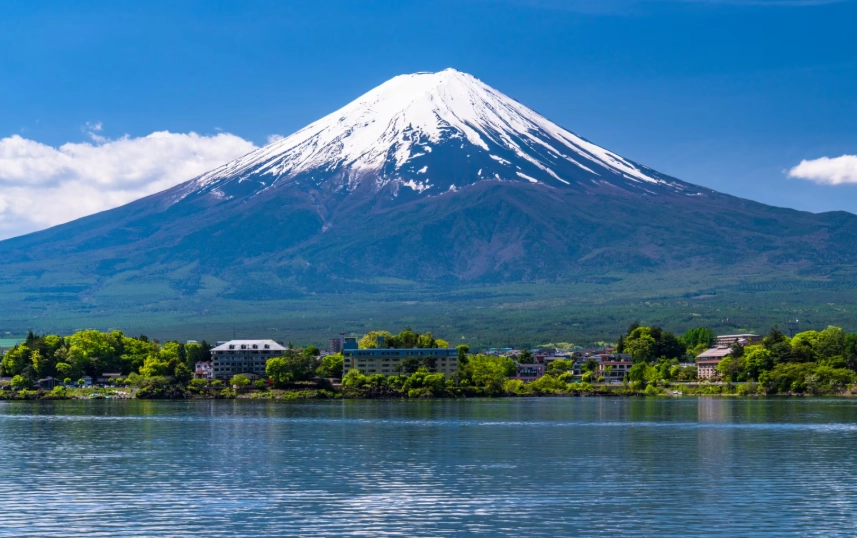
Picking Your Path: The Four Main Trails to the Top
There are four main routes to climb Mt. Fuji, each starting from a different 5th Station (the point where most climbers start, accessible by bus or car). They have different personalities. Choosing the right one can make or break your trip.
| Trail Name | Starting 5th Station | Difficulty | Crowd Level | Best For... |
|---|---|---|---|---|
| Yoshida Trail | Fujiyoshida (Yamanashi) | Moderate | Very High | First-timers, easiest access from Tokyo, most mountain huts. |
| Subashiri Trail | Subashiri (Shizuoka) | Moderate | Medium | Those who want a quieter ascent through forest, merging with Yoshida near the top. |
| Gotemba Trail | Gotemba (Shizuoka) | Very Challenging | Low | Experienced hikers seeking solitude and a longer, tougher climb. |
| Fujinomiya Trail | Fujinomiya (Shizuoka) | Steep & Direct | High | Those coming from Osaka/Kyoto, the shortest but steepest route. |
I've tried Yoshida and Subashiri. Yoshida is the classic, but it's a highway of people. Subashiri was more enjoyable on the way up—you walk through beautiful forest for the first couple of hours, which the Yoshida trail lacks completely. But a word of caution: on the Subashiri descent, you're basically sliding down a massive, steep slope of volcanic gravel. It's exhausting in a totally different way. Your thighs will scream.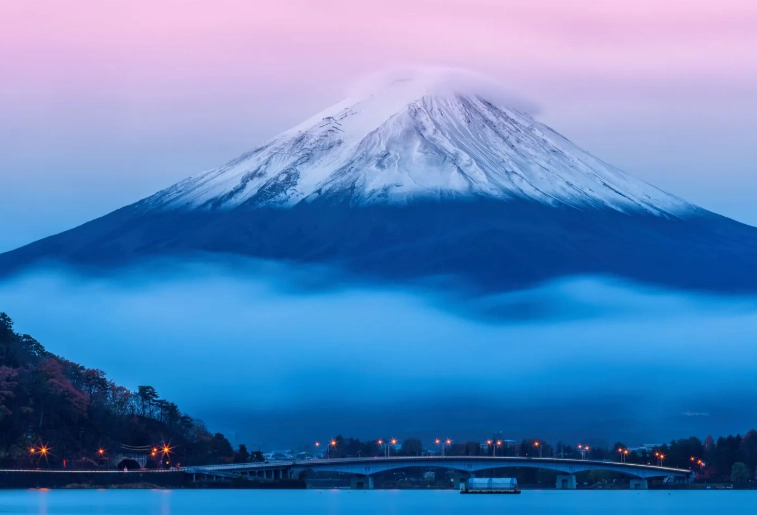
The Two-Day Climb: The Smart Way to Do It
Almost everyone does an overnight climb. The goal is to reach the summit for sunrise ("Goraiko"). The typical flow goes like this: Take a bus to your chosen 5th Station in the early afternoon. Start hiking slowly, taking plenty of breaks. Reach a mountain hut around the 7th or 8th Station by evening. Try to sleep for a few hours (good luck with that in a cramped dorm). Wake up around 1-2 am, finish the climb in the dark with a headlamp, and reach the summit just before dawn. Watch the sunrise, circle the crater, then begin the long, knee-jarring descent.
Heads Up: "Sleeping" in a mountain hut is a generous term. You get a space in a communal sleeping bag on a shared mat. It's noisy, people are rustling, and altitude sickness can keep you up. Don't expect a restful night. It's more of a horizontal rest stop.
What to Actually Bring: The Packing List That Matters
Packing wrong is the fastest route to a miserable climb. Temperature drops drastically. It can be 25°C (77°F) at the 5th Station and below freezing at the summit with a biting wind.
- Layered Clothing: Moisture-wicking base layer, insulating mid-layer (fleece/down), waterproof and windproof outer shell. NO COTTON. It gets wet and stays wet.
- Sturdy Hiking Boots: Already broken in. The terrain is rough—ankle support is crucial.
- Headlamp: Essential for the pre-dawn climb. Hands-free is the only way.
- Water & Snacks: More water than you think. At least 2 liters. High-energy snacks like nuts, chocolate, and onigiri (rice balls).
- Cash: For toilets (200-300 yen per use), donations at shrines, extra snacks at huts. Cards are useless up there.
- Sun Protection: Sunglasses, hat, sunscreen. The UV radiation is intense at high altitude, even if it's cold.
- Trash Bag: There are NO trash cans on Mt. Fuji. You must carry all your trash down. This is a strict rule.
My biggest mistake on my first climb? Gloves. I brought cheap ones. My fingers were numb by the summit. Invest in good, warm gloves. You'll thank me at 4 am.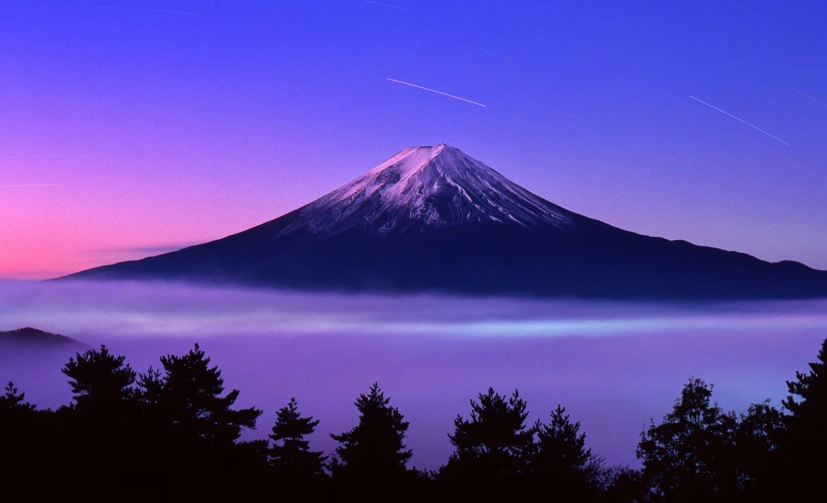
Costs: Let's Talk Money
Climbing Mt. Fuji isn't wildly expensive, but costs add up. Here's a rough breakdown for a two-day climb:
- Round-trip bus from Tokyo to 5th Station: ~6,000 yen
- Mountain Hut stay (with two small meals): 8,000 - 12,000 yen
- Toilet usage (4-5 times): ~1,000 yen
- Food, water, souvenirs: ~3,000 yen
- Optional walking stick & stamps: ~2,000 yen (you can get your stick branded at each station—a fun souvenir)
So, budget around 20,000-25,000 yen ($130-$170) per person, not including your gear.
Altitude Sickness: The Invisible Enemy
This is serious. Altitude sickness can hit anyone, regardless of fitness. Symptoms include headache, nausea, dizziness, and shortness of breath. The best prevention is to climb slowly. The Japanese saying is "登山は登り三分に、下り七分" which roughly means "ascent in three parts, descent in seven"—advocating for a slow, steady pace.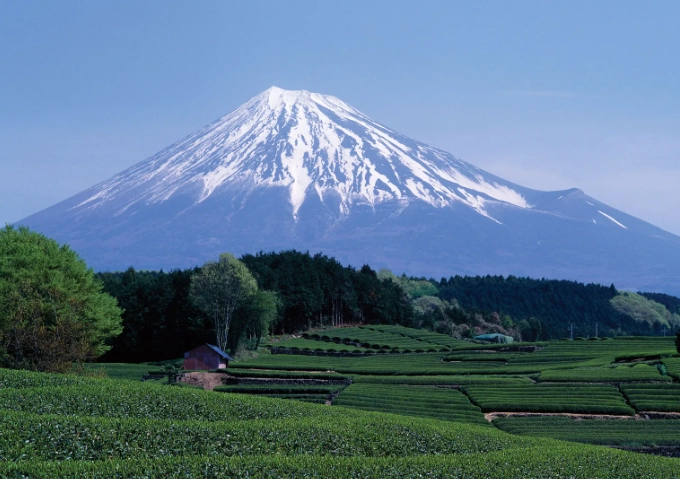
If you feel symptoms, stop ascending. Descend if they don't improve. The mountain huts carry oxygen canisters for sale, but they're a temporary fix. Listen to your body. Pushing through can lead to dangerous conditions like pulmonary or cerebral edema.
What's at the Summit? (Besides the View)
Reaching the top of Mt. Fuji is an achievement, but the summit is a wide, rocky crater. You can walk around the crater rim (about an hour). There's a post office where you can send a postcard from the top of Japan. There are several shrines, including the highest Sengen Shrine. And yes, there are vending machines selling hot drinks (at a premium price). The view, if you're lucky with weather, is unbelievable. On a perfectly clear day, you can see the Pacific Ocean.
But let's manage expectations. You might be in a cloud. It might be windy and miserable. The sunrise might be a faint glow behind a blanket of grey. That's mountain weather. The experience is about the climb itself, not just the trophy at the end.
Frequently Asked Questions (The Real Ones)
Can I climb Mt. Fuji in one day?
Technically, the "bullet climb" (doing the whole ascent and descent without staying in a hut) is possible for the extremely fit, but it's heavily discouraged by authorities. It leads to extreme fatigue, increases the risk of altitude sickness, and is a major safety concern. The official stance is to avoid it.
Is climbing Mt. Fuji dangerous?
It's a managed risk. During the official season, on the main trails, it's safe if you are prepared. The main dangers are altitude sickness, falls (especially on descent), hypothermia, and weather changes. Every year there are rescues and, sadly, fatalities, often involving people who are unprepared, climb off-season, or leave the designated trails.
Do I need a guide to climb Mt. Fuji?
For the standard routes in season, no. The trails are well-marked. However, if you're inexperienced, nervous, or want the cultural and historical context, a guide can be a great investment. For off-season or special routes, a guide is essential.
What about toilets and food?
Toilets are available at the 5th Stations and in mountain huts. They are basic, chemical toilets. You must pay to use them (200-300 yen). Carry coins. Food and drinks are sold at the mountain huts, but prices increase with altitude (a can of coke might be 500 yen at the 8th Station). It's wise to bring your own snacks.
Can children climb Mt. Fuji?
It's not uncommon to see older children (10+) on the mountain, but it's a serious physical challenge. You must be confident in your child's stamina, ability to handle discomfort, and listen to instructions regarding altitude. It's a big ask for a kid.
Beyond the Climb: Viewing Mt. Fuji from Afar
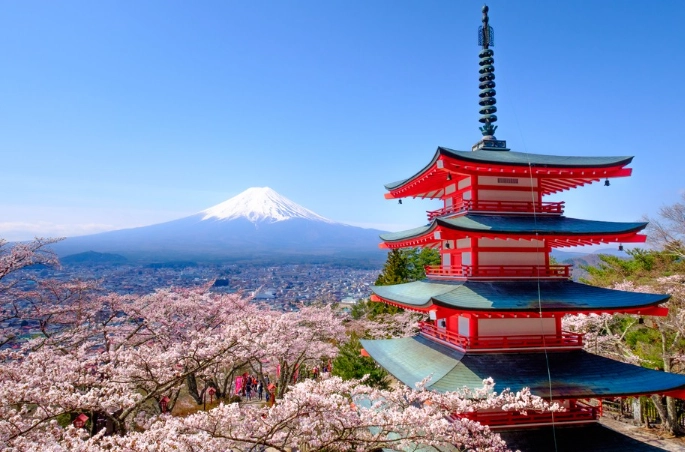
Maybe after reading this, you think climbing isn't for you. That's perfectly okay. In many ways, Mt. Fuji is best appreciated from a distance. Some of the most famous views are from the Fuji Five Lakes region (Lake Kawaguchiko is the most accessible), from the bullet train between Tokyo and Osaka (sit on the right side heading west from Tokyo), or from the Chureito Pagoda in Fujiyoshida—that iconic postcard shot.
The mountain's presence is constant. It's a mood, a backdrop to daily life. Seeing its perfect reflection in a lake on a still morning can be as powerful as standing on its summit.
The Final Word: Respect is Everything
Climbing Mt. Fuji is a physical test, but it's also a cultural lesson. It teaches you to respect the mountain, the environment (pack out your trash!), and your own limits. It's not a theme park attraction. It's a living piece of geology and spirit.
If you go, prepare well. Go slowly. Soak it in. The camaraderie among climbers in the dark hours before dawn is special. The feeling of accomplishment is real. And when you get back down, your body will ache, but you'll look at that famous silhouette with a whole new understanding. You'll have seen the face behind the postcard.
For the most current and official information on trail status, bus schedules, and safety alerts, always double-check with the official sources like the official Mt. Fuji climbing website managed by the local prefectural governments. Conditions change, and having the latest info is your best first step.
Good luck, and climb safe.

Comments