Your Kanto Travel Roadmap
- First Things First: What & Where is Kanto?
- Crafting Your Perfect Kanto Travel Itinerary
- The Lifeline: Navigating Kanto's Transport Like a Pro
- Where to Stay: Kanto's Accommodation Landscape
- Beyond the Postcard: Must-See & Overrated Spots
- Fueling Your Adventure: A Foodie's Guide to Kanto
- Budgeting for Your Kanto Travel: A Realistic Breakdown
- Your Kanto Travel Questions, Answered (FAQ)
- Final Thoughts: Embracing the Kanto Mindset
So, you're thinking about a trip to Japan's Kanto region? Good choice. It's the pulsing heart of the country, home to the neon-drenched madness of Tokyo, the serene beauty of Mount Fuji, and a thousand experiences in between. But here's the thing I wish someone had told me before my first trip: planning Kanto travel can feel overwhelming. The options are endless, the transport system is a beautiful but complex beast, and it's easy to fall into tourist traps.
I've been back more times than I can count, made every mistake in the book (like trying to see Nikko as a day trip from Tokyo—don't do it), and slowly figured out how to do it right. This guide isn't a dry list of facts. It's the distilled, practical wisdom from those trips. We're going to talk about how to structure your days, how to get around without losing your mind, where to find the real magic away from the crowds, and how to do it without blowing your budget. Consider this your friendly, slightly opinionated roadmap.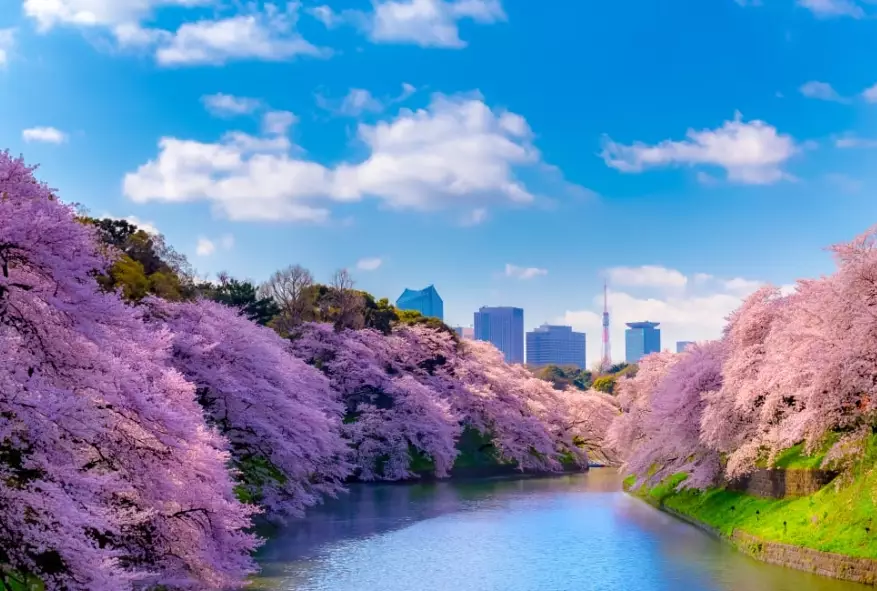
First Things First: What & Where is Kanto?
Let's clear this up before we dive in. Kanto is Japan's most populous region, sitting on the central part of Honshu island. Think of it as the greater Tokyo metropolitan area plus the surrounding prefectures. It's the political, economic, and cultural engine of the country. When you're planning Kanto region travel, you're typically looking at these seven prefectures:
- Tokyo: The megalopolis itself. Need I say more?
- Kanagawa: South of Tokyo, home to Yokohama (Japan's second-largest city), the historic Kamakura, and the hot spring resort of Hakone.
- Chiba: East of Tokyo, where you'll find Narita Airport and Tokyo Disney Resort.
- Saitama: North of Tokyo, a mix of suburbs and quieter destinations like Kawagoe ("Little Edo").
- Ibaraki: Northeast, known for the stunning Hitachi Seaside Park and the scientific city of Tsukuba.
- Tochigi: North, famous for the UNESCO World Heritage site of Nikko.
- Gunma: Northwest, a mountainous area famed for its onsen (hot springs).
The beauty of Kanto travel is the sheer contrast. You can be in the world's most futuristic city in the morning and hiking in a misty, sacred forest by the afternoon.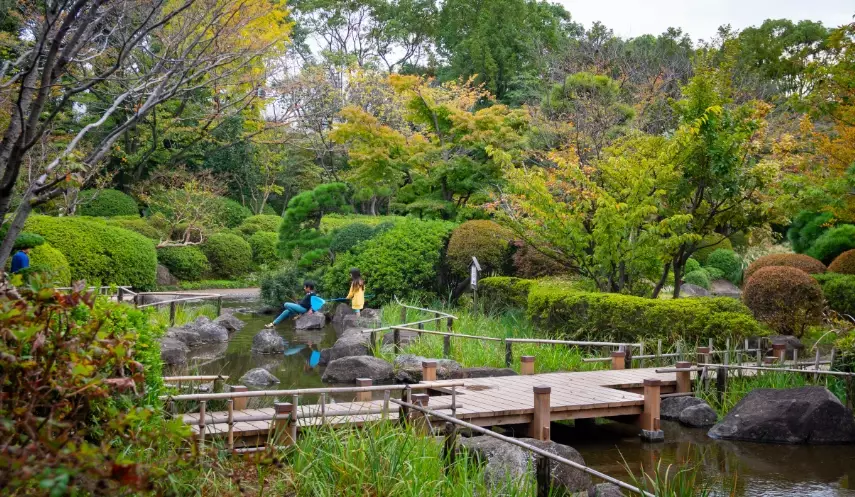
Crafting Your Perfect Kanto Travel Itinerary
This is where most people get stuck. How many days? What order? Here's the truth: there is no single perfect itinerary. It depends entirely on your interests, pace, and time. But I can give you frameworks that work.
The 5-Day Blitz (The Highlights Reel)
Tight on time? This is a sprint, not a marathon. You'll get a taste of the major contrasts.
- Days 1-3: Dive deep into Tokyo. One day for Central Tokyo (Shinjuku, Shibuya, Harajuku), one for East Tokyo (Asakusa, Ueno, Akihabara), and one for your personal picks (maybe Odaiba, museums in Ueno Park, or a deep dive into Shimokitazawa's vintage shops).
- Day 4: Day trip to Hakone. This is your classic Fuji-viewing, hot-spring, open-air museum loop. Book the Hakone Free Pass—it's a no-brainer for transport.
- Day 5: Day trip to Kamakura. Temples, the Great Buddha, and a relaxed coastal vibe. It's a sharp, refreshing contrast to Tokyo's intensity.
It's packed, but it works. You'll be exhausted, but you'll have seen the iconic trio.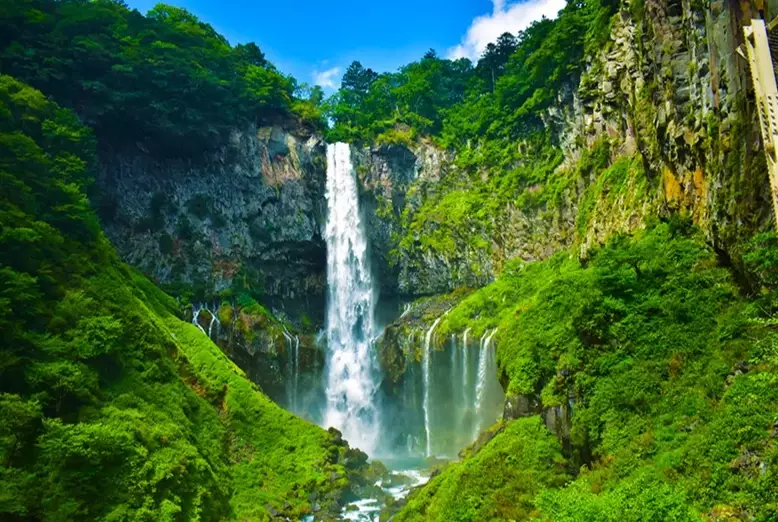
The 7-10 Day Sweet Spot (The Balanced Explorer)
This is my recommended baseline for a fulfilling Kanto travel experience. It allows for breathing room and one deeper foray.
- Days 1-4: Tokyo, at a more relaxed pace. You can explore neighborhoods like Daikanyama or Koenji, take a food tour, or spend half a day at the Ghibli Museum (book WAY in advance!).
- Day 5: Hakone. Consider an overnight stay in a ryokan (traditional inn) here. Waking up to a view of Fuji (if you're lucky) with a multi-course kaiseki dinner is a pinnacle Japan experience.
- Day 6: Kamakura & Enoshima. Combine the history of Kamakura with the island shrine and coastal views of Enoshima. The Enoden train line between them is charming.
- Days 7-8 (or 9-10): Choose your adventure:
- Option A (History/Nature): Overnight trip to Nikko. This is non-negotiable if you love grand, ornate shrines set in majestic cedar forests. Toshogu Shrine is staggering. Trying to do it as a day trip from Tokyo is a painful, rushed mistake I've made so you don't have to.
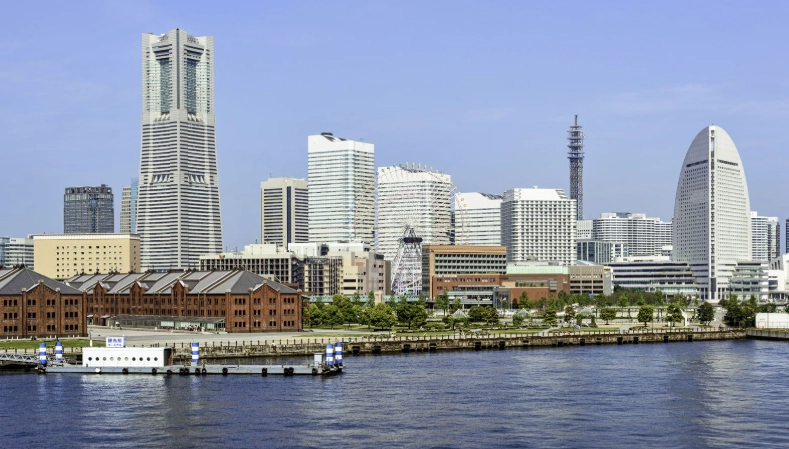
- Option B (Quirky/Modern): A night in Yokohama. Visit the Cup Noodles Museum, stroll the futuristic Minato Mirai waterfront, and explore Chinatown. It's a different, more laid-back city energy.
The 14-Day Deep Dive (The Immersion)
Lucky you. With two weeks, you can truly immerse yourself. Follow the 7-10 day plan, then add:
- Kawagoe (Saitama): A half-day trip to "Little Edo" for its preserved warehouse district.
- Mount Takao (Tokyo): An easy hike from central Tokyo with temple sites and (on clear days) views of Fuji.
- Izu Peninsula (Shizuoka, bordering Kanto): A stunning coastal area with dramatic cliffs, hot springs, and great seafood. Requires more travel time but is worth it for a 2-night stay.
- Gunma Onsen Towns: Like Kusatsu, one of Japan's most famous hot spring resorts, for a full-on traditional ryokan experience away from the international tourist trail.
The Lifeline: Navigating Kanto's Transport Like a Pro
This is the most important section for a stress-free trip. Kanto's rail network is incredible, but the array of passes and ticket types is dizzying.
The golden rule: Get a Suica or Pasmo IC card immediately upon arrival at the airport. Tap in, tap out on almost all trains, subways, and buses. You can even use it at convenience stores and vending machines. It's a lifesaver.
Now, for the passes. Do you need one? It depends.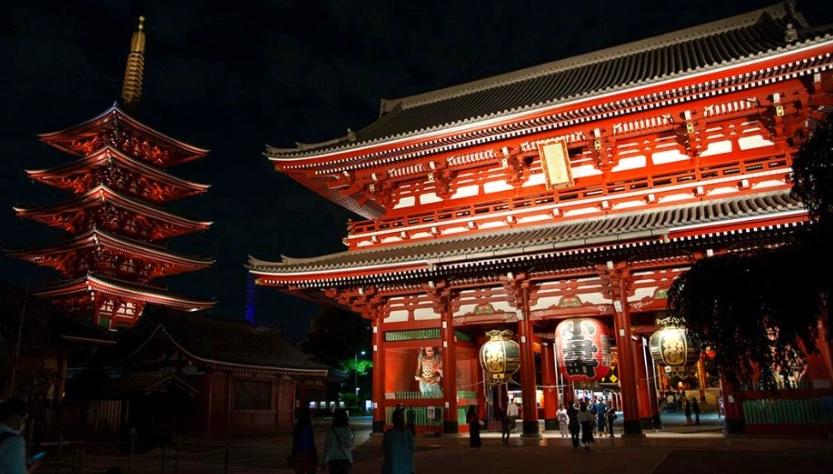
| Pass Name | What It Covers | Best For... | Price Point & Verdict |
|---|---|---|---|
| JR Tokyo Wide Pass | 3 consecutive days of unlimited travel on JR lines within a large area around Tokyo (includes Nikko, Karuizawa, the Izu Peninsula, and around Tokyo). | Travelers making several long-distance day trips from Tokyo within 3 days (e.g., Nikko + Karuizawa). | Around 10,000 yen. Do the math! A round trip to Nikko alone is ~5,000 yen. If your planned trips add up to more than the pass cost, it's worth it. Otherwise, skip it. |
| Odakyu Hakone Free Pass | Round-trip from Shinjuku to Hakone + unlimited use of 8 different transport modes WITHIN Hakone (trains, buses, cable cars, pirate ship!). | Anyone doing a Hakone day trip or overnight. This is almost always worth it and simplifies everything. | Around 6,000 yen for 2 days. A no-brainer purchase from Odakyu's Shinjuku station office or online. |
| JR East Pass (Nagano/Niigata) | Covers a wider area, including trips to places like Karuizawa. More expensive. | If you're extending your Kanto travel north into the Japanese Alps. | More expensive. Only consider if your itinerary goes well beyond Tokyo. |
| Metro & Toei Subway Passes | Unlimited travel on Tokyo's two main subway networks for 24/48/72 hours. | If you plan to subway-hop aggressively across Tokyo on consecutive days. Note: It doesn't cover JR lines (like the Yamanote Line). | Fairly cheap. Can be worthwhile, but your Suica card offers more flexibility. Compare your planned route map. |
My personal take? For a first-time visitor focusing on Tokyo, Hakone, and Kamakura, just get a Suica card and the Hakone Free Pass. You'll likely not travel enough in a short period to make the JR Tokyo Wide Pass pay off unless Nikko is firmly on your list.
See? Not so scary once it's broken down.
Where to Stay: Kanto's Accommodation Landscape
Location is everything. Your choice will define your daily experience.
Staying in Tokyo: The Neighborhood Breakdown
- Shinjuku: The transport hub. Excellent for first-timers. You have the skyscrapers, Kabukicho nightlife, and endless food options. Can feel overwhelming and a bit soulless at its core.
- Shibuya: Youthful, trendy, chaotic. Great if you want to be in the middle of the action 24/7. Not great if you value quiet evenings.
- Ginza/Tokyo Station: Upscale, polished, convenient for bullet trains. More expensive, with a business-like feel.
- Asakusa: Traditional vibe, close to Senso-ji Temple. Offers a different feel and often better value. Further from the western hubs like Shibuya.
- Ueno: Great value, amazing park and museums, fantastic street food (Ameyokocho). Slightly rough around the edges in a charming way.
- My Personal Favorite: Shinagawa. Hear me out. It's a major shinkansen (bullet train) station, on the Yamanote Line, has great hotel options (from business to luxury), and is quiet at night. It's a perfect, efficient base camp. It lacks the "soul" of Shinjuku, but for ease of travel, it's unbeatable.
Beyond Tokyo: Unique Stays
Part of the joy of Kanto travel is sleeping somewhere completely different.
- Ryokan in Hakone or Gunma: This is a must-do. A traditional inn with tatami mats, futons, kaiseki meals, and often a private or communal onsen. It's an experience, not just a bed. Be prepared for a higher price tag, but it's worth every yen for a night or two. Check places like Japanese Guest Houses for authentic options.
- Temple Stay (Shukubo) in Nikko or Kamakura: For a truly unique and spiritual experience, some temples offer simple lodging and participation in morning prayers. It's sparse but unforgettable.
- Business Hotel in Yokohama: If you're splitting your stay, Yokohama offers a more relaxed, maritime city atmosphere at often lower prices than central Tokyo.
Beyond the Postcard: Must-See & Overrated Spots
Let's get real. Some places are famous for a reason. Others... are just famous.
Top Tier: Worth the Hype
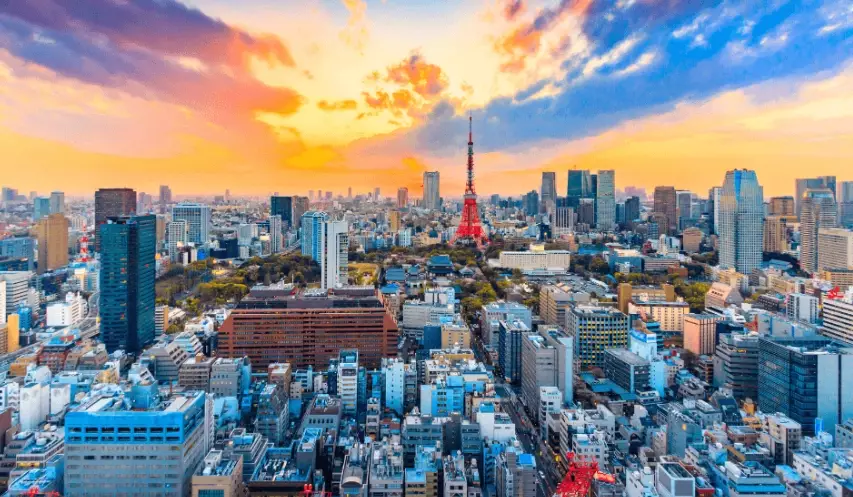
- Senso-ji Temple (Asakusa): Yes, it's crowded. Go early in the morning (before 8 AM) and it's a different, serene place. The atmosphere and scale are legit.
- Meiji Jingu Shrine (Harajuku): The contrast of stepping from Harajuku's chaos into this vast, quiet forest is magical. A masterclass in urban sanctuary.
- Toshogu Shrine (Nikko): The level of detail, the gold leaf, the carvings (including the famous "see no evil, hear no evil, speak no evil" monkeys)... it's breathtaking. The surrounding national park is equally stunning.
- The Hakone Loop: The variety—train, cable car, pirate ship, bus—keeps it interesting. The Open-Air Museum is fantastic. On a clear day, the Fuji view from Lake Ashi is iconic for a reason.
- The Great Buddha (Kamakura): It's powerful, serene, and accessible. The surrounding temple grounds are peaceful.
Honest Opinions: The Overrated List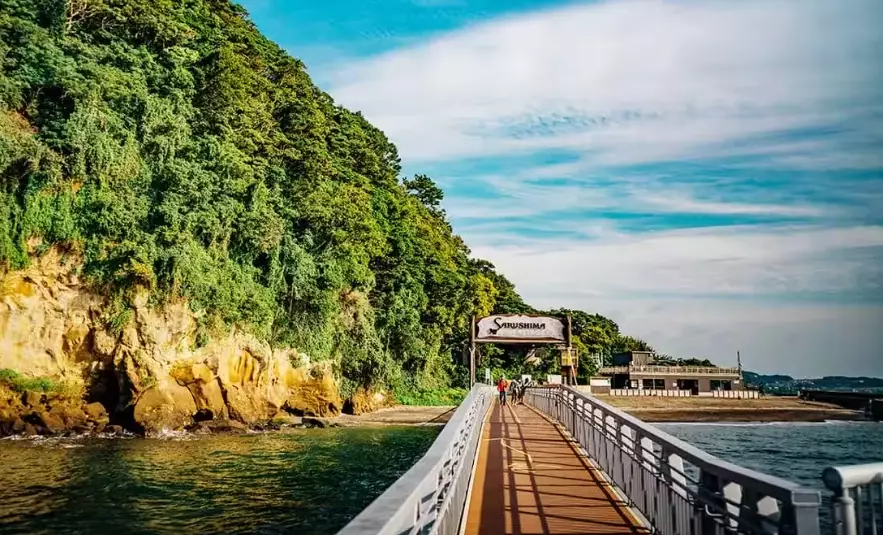
- Shibuya Crossing: It's a busy intersection. It looks cool in timelapse videos. Standing there in person is... underwhelming. The best view is from the Starbucks or the Magnet by Shibuya 109 building. Spend 15 minutes, get your photo, move on.
- The Imperial Palace East Gardens: They're fine. Nice lawns. But if you've seen Japanese gardens elsewhere (like in Kyoto), these are not particularly special. You can skip them if you're short on time without regret.
- Robot Restaurant (Shinjuku): Closed now, but it symbolizes a type of loud, expensive, chaotic "tourist experience" that feels inauthentic. Be wary of anything that seems designed purely for foreign Instagram feeds.
- Puroland (Sanrio): Unless you are a die-hard Hello Kitty fan with young children, it's small, expensive, and far. There are better ways to spend a day.
Hidden Gems & Local Favorites
- Yanaka Ginza (Tokyo): A surviving shitamachi (old downtown) neighborhood near Ueno. Low wooden shops, street food, zero skyscrapers. It feels like old Tokyo.
- Enoshima Island (Kanagawa): Often tacked onto Kamakura, but worth half a day itself. The sea caves, the lighthouse view, and the cat-shaped fortune slips are charming.
- Kawagoe (Saitama): The "Kurazukuri" warehouse district is photogenic and packed with sweet potato treats. A easy escape from Tokyo's modernity.
- Ashikaga Flower Park (Tochigi): If you're visiting in spring (wisteria) or winter (illuminations), it's a spectacular, almost surreal display of nature. It's a trip, but wow.
Fueling Your Adventure: A Foodie's Guide to Kanto
Kanto cuisine is diverse. Tokyo has everything, but each area has its specialties.
Must-Try Dishes & Where to Find Them
Tokyo:
- Sushi: Go to the Tsukiji Outer Market for a vibrant experience, or find a well-rated conveyor belt (kaitenzushi) chain like Sushiro or Kura for fun and value.
- Ramen: Each region in Japan has its style. In Tokyo, you often find shoyu (soy sauce) ramen. Ichiran is a famous chain for individual booths, but wandering into a small, busy shop in any neighborhood is the real adventure.
- Monjayaki (Tsukishima): Tokyo's answer to okonomiyaki, but runnier. It's a messy, social, delicious experience. Tsukishima's "Monja Street" is the place.
Yokohama: Home to Japan's largest Chinatown. The ramen here is a unique style, and the steamed buns are fantastic.
Kamakura: Known for shirasu (whitebait) served on rice or in dishes. Also, cute street food like dove-shaped cookies (hato sabure).
Nikko: Yuba (tofu skin) is the local specialty, prepared in countless ways. It's a vegetarian-friendly delight.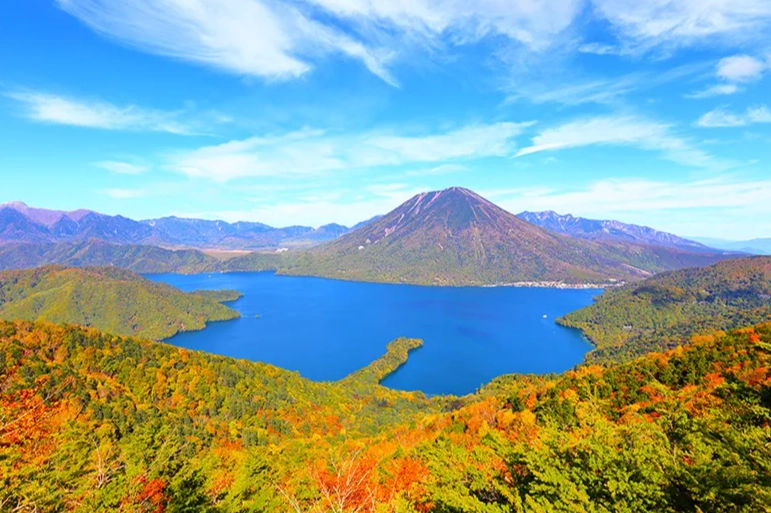
Budgeting for Your Kanto Travel: A Realistic Breakdown
Japan has a reputation for being expensive. It can be, but it doesn't have to be. Here’s a daily budget guide per person.
| Category | Budget Traveler | Comfort Traveler | Luxury Traveler |
|---|---|---|---|
| Accommodation | 3,000 - 6,000 JPY (Hostel / Capsule / Business Hotel) |
10,000 - 20,000 JPY (Mid-range Business / 3-4* Hotel) |
30,000+ JPY (Luxury Hotel / High-end Ryokan) |
| Food & Drink | 3,000 - 4,000 JPY (Convenience store, street food, cheap ramen) |
6,000 - 10,000 JPY (Nice lunch sets, sit-down dinners, some drinks) |
15,000+ JPY (Fine dining, omakase, premium sake) |
| Transport (Daily Avg.) | 1,000 - 2,000 JPY (Local travel, maybe 1 pass) |
2,000 - 3,500 JPY (More trips, a regional pass) |
3,500+ JPY (Taxis, Green Car shinkansen) |
| Activities & Souvenirs | 1,000 - 2,000 JPY (Temples, parks, free museums) |
3,000 - 6,000 JPY (Paid museums, one special activity) |
10,000+ JPY (Private guides, top-tier experiences) |
| Estimated Daily Total | 8,000 - 14,000 JPY ($50 - $100 USD approx.) |
21,000 - 39,500 JPY ($140 - $260 USD approx.) |
58,500+ JPY ($390+ USD approx.) |
See? A fantastic Kanto travel experience is possible on a moderate budget.
Your Kanto Travel Questions, Answered (FAQ)
Final Thoughts: Embracing the Kanto Mindset
Planning your Kanto travel is half the fun, but remember to leave room for spontaneity. Get lost in a side street. Follow the smell of something delicious. Accept that you won't see everything—that's just an excuse to come back.
The region's efficiency can make you want to optimize every minute. Resist that urge sometimes. Sit in a park and people-watch. Spend an hour in a tiny, second-hand bookshop. Have a second coffee in a kissaten (old-school coffee shop).
Kanto will meet you halfway. It's organized enough to make travel easy, but deep enough to offer endless discovery. Use this guide as your foundation, then go build your own unique adventure on top of it. From the summit of Takao to the depths of a subway station ramen shop, it's all waiting for you.
Safe travels, or as they say here, yoi tabi o.
Comments