You're standing in Naha Airport's departure hall, surrounded by shelves of colorful shisa dogs, pineapple cakes, and blue glass trinkets. It's tempting to just grab something and go. But the real treasures of Okinawa aren't found in those last-minute, mass-produced shops. They're in the backstreets of Tsuboya, the quiet workshops of Yomitan, and the markets where locals actually shop. Finding an authentic Okinawa souvenir isn't just about buying an object; it's about taking home a piece of the Ryukyu Kingdom's soul, its history of trade and resilience, wrapped in vibrant colors and skilled craftsmanship. This guide cuts through the tourist clutter. I've spent years exploring these islands, making mistakes (buying cheap glass that cracked on the flight home), and learning from local artisans. Let's talk about what's truly worth your luggage space and money.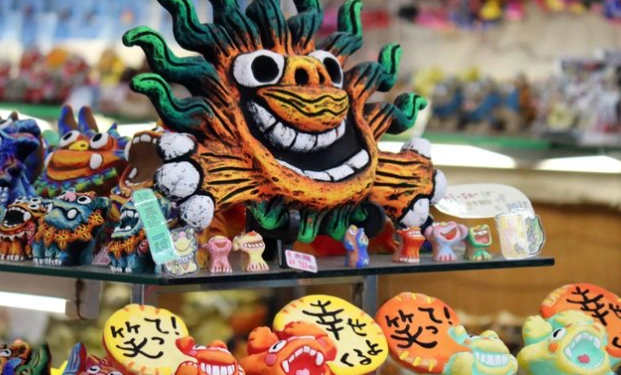
Your Quick Guide to Okinawa Souvenir Success
What Makes a Great Okinawa Souvenir?
Forget the keychains. A great souvenir tells a story and connects you to the place long after you've left. In Okinawa, that story is woven from centuries of independent Ryukyu culture, influences from China and Southeast Asia, and a deep connection to the ocean and land.
The most common mistake visitors make is equating "cute" with "authentic." That neon pink shisa might look fun, but a traditional one, hand-painted with natural pigments and fired in a wood kiln, carries a different energy and history. Look for items where you can see the maker's hand—slight imperfections in glass, unique brushstrokes on pottery, variations in textile dye. That's where the character lives.
Let's break down the heavy hitters, the items that consistently deliver on quality, authenticity, and cultural significance.
Ryukyu Glass: More Than Just a Color
Everyone knows about the iconic cobalt blue. But do you know why it's blue? Post-World War II, artisans used discarded Coke and beer bottles (which were often brown or green) as raw material. The vibrant blues, aquas, and purples came from adding minerals like cobalt and copper. Today, while most workshops use new materials, the techniques remain deeply manual. The bubbles and swirls aren't flaws; they're signatures of the hand-blown process.
Look for pieces with depth of color and interesting forms. A simple tumbler is fine, but a hand-blown vase with an organic shape tells a better story. Workshops like Ryukyu Glass Village in Itoman offer factory tours where you can see the process and buy directly.
Tsuboya & Yomitan Pottery: From Daily Use to Art
Okinawan pottery splits into two main styles: Arayachi (unglazed, porous vessels historically used for water storage and Awamori) and Joyachi (glazed, decorative tableware). The Tsuboya district in Naha is the historic heart. Walking its streets, you hear the hum of electric kilns and smell the clay. Here, you can find everything from 500-yen sake cups to 50,000-yen museum-quality jars.
Yomitan village, on the west coast, is another powerhouse. The pottery here often features bolder, more modern designs while using traditional local clay. A visit to the Yomitan Pottery Village lets you hop between dozens of individual kilns and studios. I once spent an hour talking to a potter there who explained how the island's typhoons influence the sturdy, grounded shapes of his work—art born from weather.
Textiles: Bingata & Kumeshima
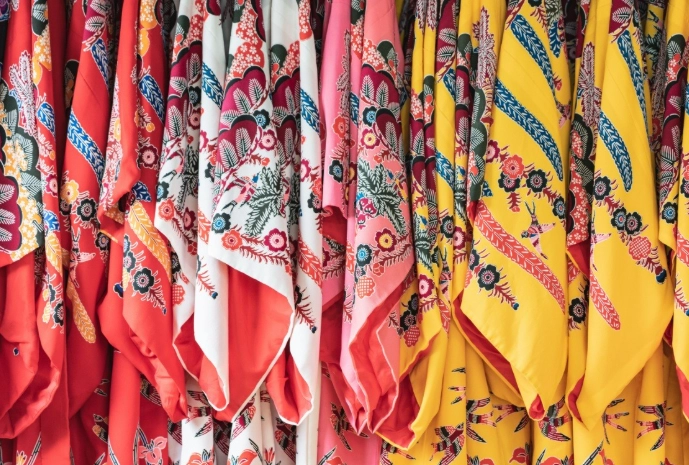
Okinawa's textiles are explosively colorful. Bingata is a resist-dyeing technique similar to batik, producing vibrant patterns of birds, flowers, and ocean waves on kimono fabric. Authentic bingata is expensive because it's painstakingly hand-stenciled and dyed. For a more accessible piece, look for small items like framed fabric art, coin purses, or tenugui (hand towels).
Kumeshima is a specific, geometric striped pattern with a fascinating history. You'll see it on everything from shirts to bags. The quality varies wildly. Cheap versions are printed polyester. The real deal is woven cotton or linen. Feel the fabric. If it's stiff and the pattern looks perfectly printed on, it's likely mass-produced.
Shisa: The Guardian Lions
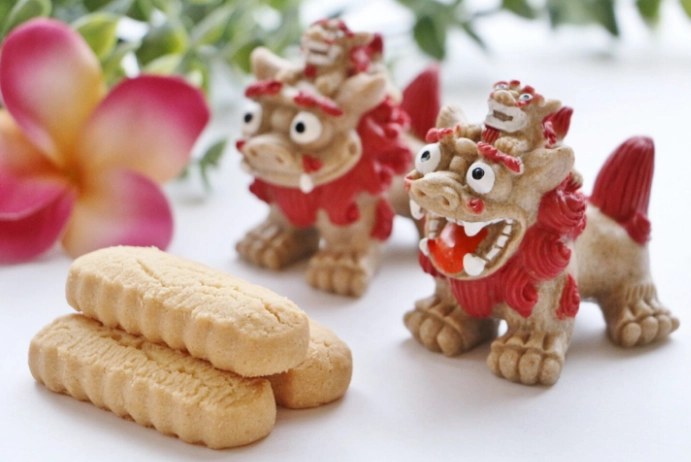
Yes, they're everywhere. But a well-made shisa has personality. The best ones are sold in pairs (one with an open mouth to ward off evil, one with a closed mouth to keep good in). Look for details in the modeling—the curl of the tail, the expression in the eyes. A ceramic shisa from a Tsuboya kiln, even a small one, has more gravitas than a plaster one from a souvenir chain. Don't just get a red one. Traditional colors include green, blue, and yellow, each with symbolic meanings.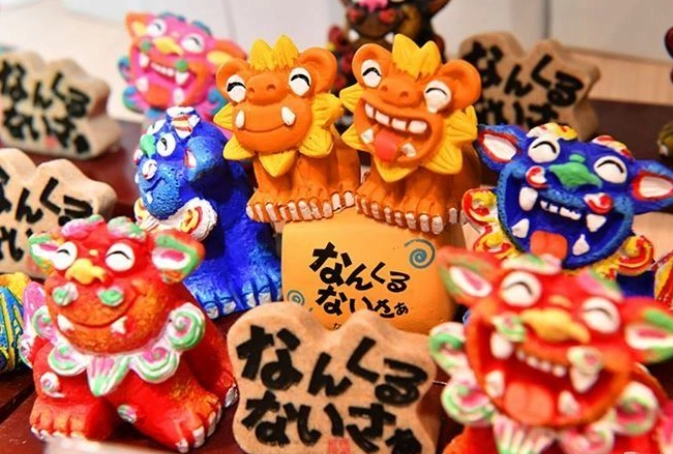
How to Choose Authentic Okinawa Souvenirs
This is where most guides stop. They give you a list. But knowing how to choose is what separates a thoughtful purchase from regret. Here's a mental checklist I use.
First, check the provenance. Is there a maker's mark, a studio name, or a region listed? Items from "Okinawa" are vague. Items from "Tsuboya, Naha" or "Yomitan Village" are specific and promising. Many quality pieces will have a small handwritten tag or a stamp on the bottom.
Second, engage your senses. Hold the pottery. Is it heavy for its size? Does the glaze have depth, or does it look painted on? For glass, hold it up to the light. Look for the play of light and color, the tiny bubbles. For textiles, rub the fabric. Natural fibers feel different than polyester.
Third, ask a simple question. Even with a language barrier, pointing to an item and asking "Koko?" (Here?) or "Jisaku?" (Handmade?) can yield revealing gestures or answers. Shop staff at genuine craft stores are usually proud to explain.
Avoid the airport for anything beyond last-minute snacks. The selection is generic and marked up. The only exception might be some sealed, branded food items you forgot earlier.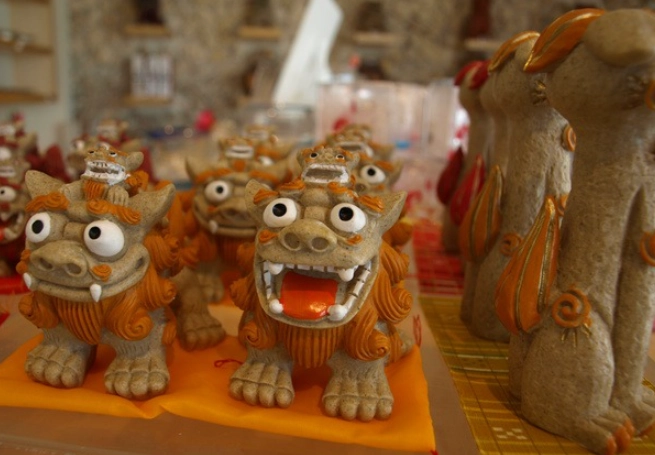
Where to Find the Best Okinawa Souvenirs
Location is everything. Here’s a targeted guide to the best shopping grounds, moving from the most tourist-centric to the most local.
td>First-time browsing, food souvenirs (Beniimo tart, chinsuko), getting a feel for prices. You need to hunt for quality here.>Serious pottery buyers. Finding unique, handcrafted pieces directly from kilns.>Guaranteed quality and authenticity in a convenient, air-conditioned setting. Perfect for fine bingata or premium Awamori.>Spending a half-day exploring diverse styles. Meeting potters. Finding contemporary takes on tradition.>Food items (seaweed, spices, brown sugar), simple textiles, sometimes pottery from nearby kilns. >Foodies, adventurous shoppers looking for everyday local goods at good prices. >Go early. Cash is king. Not all vendors speak English, but smiles work.| Area/Shop | What You'll Find | Best For | Notes & Vibe |
|---|---|---|---|
| Kokusai Dori & Heiwa Dori (Naha) | Everything, but heavily mixed. Tourist shops, some legit craft stores, food samples. | Busy, crowded, haggle in some stores. Don't buy the first thing you see. | |
| Tsuboya Pottery Street (Naha) | The epicenter of Okinawan pottery. Dozens of kilns and shops selling arayachi and joyachi. | Quieter, more artistic vibe. Visit the Tsuboya Pottery Museum first for context. Many shops close on Wednesdays. | |
| Mitsukoshi & Deparment Stores (Naha, various) | High-end, curated selection of crafts, textiles, and food on the basement "depachika" floors. | Prices are at retail, no haggling. Packaging is excellent for gifts. | |
| Yomitan Pottery Village (Yomitan) | A cluster of independent studios and kilns in a scenic setting. Each has its own style. | Driving required. Bring cash. Some studios allow you to watch them work. Stunning ocean views nearby. | |
| Local Markets (e.g., Itoman Fish Market, farmers' markets) |
If you have only one afternoon for souvenir shopping in Okinawa, skip Kokusai Dori and go straight to Tsuboya. Start at the museum, then wander. Pop into a small gallery called "Umikaji" on a side street—they often have exquisite mixed-media pieces from local artists that you won't find anywhere else. Then, head to the Mitsukoshi basement for perfectly packaged food gifts and a final quality check on any crafts.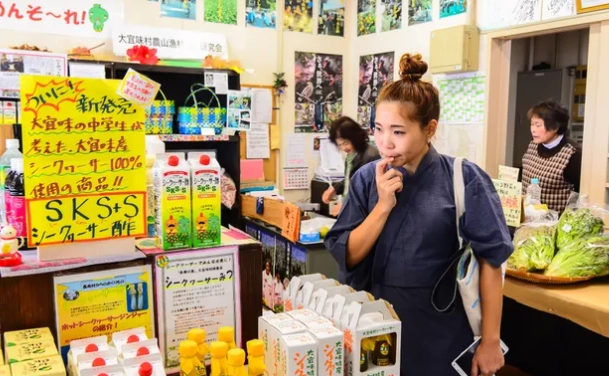
For Awamori, don't just buy the first bottle with a snake in it. Visit the Awamori Kaikan in Naha for a tasting session to find a flavor profile you like. Their staff can guide you to aged kūsu varieties, which are smoother and more complex, making for a far more impressive gift than the standard fare.
Okinawa Souvenir FAQ: Your Questions Answered

Comments