You hear "Fukuoka" and you think ramen. I get it. The rich, creamy tonkotsu broth is legendary. But after living here for a few years, I've realized that's just the appetizer. Figuring out what to do in Fukuoka is about discovering the layers of a city that's surprisingly compact, endlessly walkable, and packed with moments that feel genuinely local.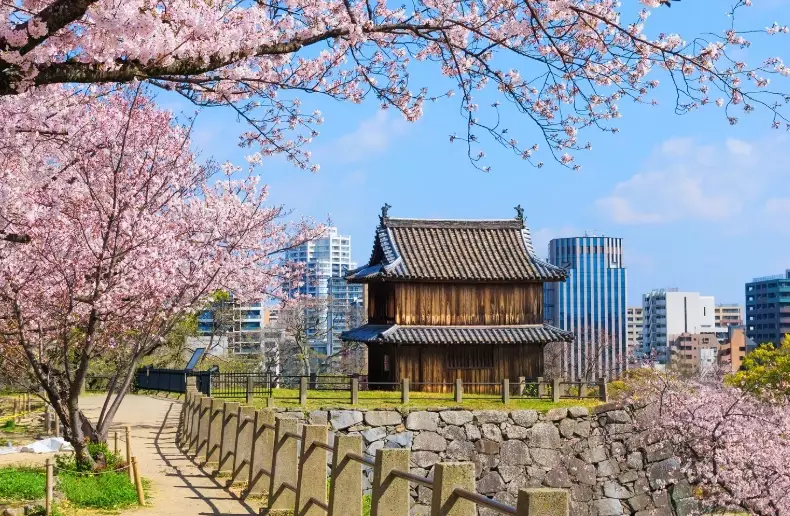
It's the smell of incense at a 8th-century temple steps from a skyscraper. It's the convivial chatter at a yatai stall under the neon lights. It's finding a serene seaside shrine an hour from downtown. This guide is my attempt to hand you that map—not just a list of spots, but a feel for the rhythm of the place.
Your Fukuoka Adventure at a Glance
Explore the Historic Heart of Hakata
Forget the idea of a dusty old town. Hakata, Fukuoka's historic core, is alive. Start at Kushida-jinja Shrine. This is the city's most important Shinto shrine, founded in 757. The giant kazariyama festival floats displayed year-round are mind-bogglingly detailed. Address: 1-41 Kamikawabatamachi, Hakata Ward. Free entry, open 24/7 but buildings ~9am-5pm.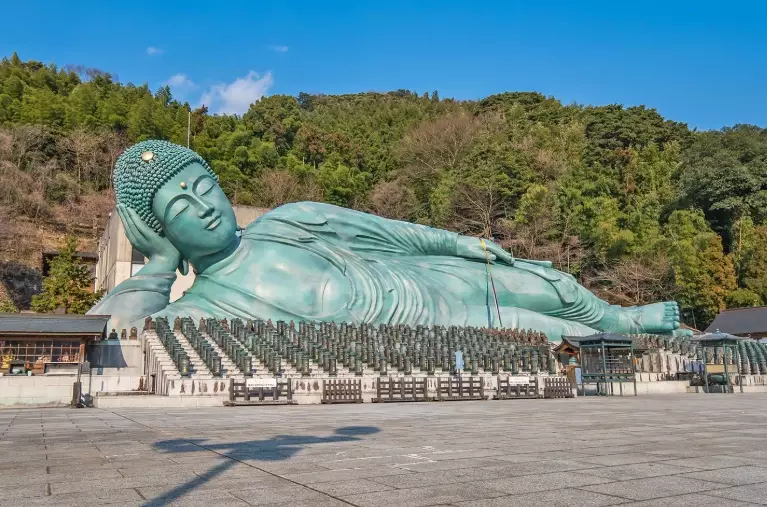
Five minutes away is Tocho-ji Temple. Its main draw is a massive, 10.8-meter tall wooden Buddha statue seated inside the main hall. But the real quest? Find the underground passage behind the statue—it's pitch black, and you're meant to feel your way along a wall to a "wish-granting stone" at the end. A unique, slightly claustrophobic experience. Address: 2-4 Gokushomachi, Hakata Ward. Free, open 9am-5pm.
Now, here's a common mistake: tourists rush from temple to temple. Slow down. Wander the streets between them, like Hakata Machiya Furusatokan. It's a folk museum recreating Meiji/Taisho-era merchant houses, with live demonstrations of Hakata weaving and puppet shows. It gives context. Address: 6-10 Reisenmachi, Hakata Ward. Entry: 200 yen. Open 10am-6pm (last entry 5:30pm).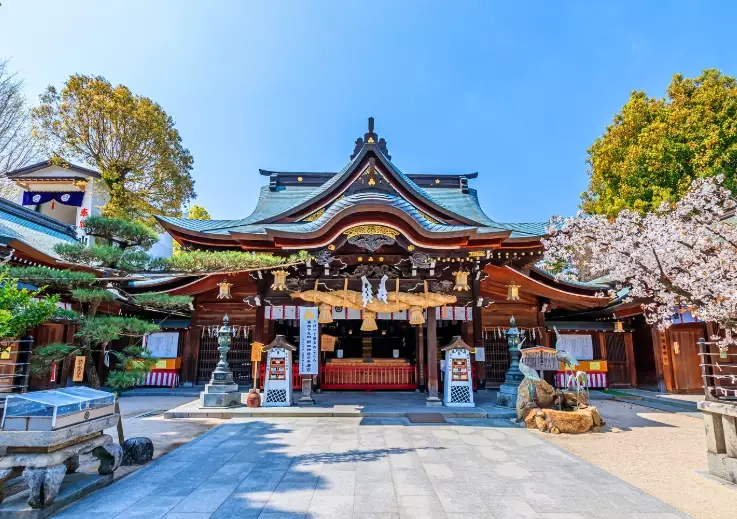
Eat (and Drink) Like a Local
Obviously, you need to try Hakata ramen. Ichiran is the famous chain, and it's good. But for a more local vibe, head to Ramen Stadium on the 5th floor of Canal City Hakata. Eight different ramen shops from across Japan compete here. You can try a famous Tokyo style or a creative variant without running across town.
The yatai (open-air food stalls) are a non-negotiable Fukuoka experience. They cluster along the Naka River in Tenjin and near Nagahama Stadium. Arrive by 6:30pm to snag a seat. Don't just get ramen—try mentaiko (spicy cod roe) dishes, yakitori, and oden. My pick? Look for a stall with a mix of locals and tourists; it usually means good food and a friendly owner. They typically operate from 6pm-2am, weather permitting.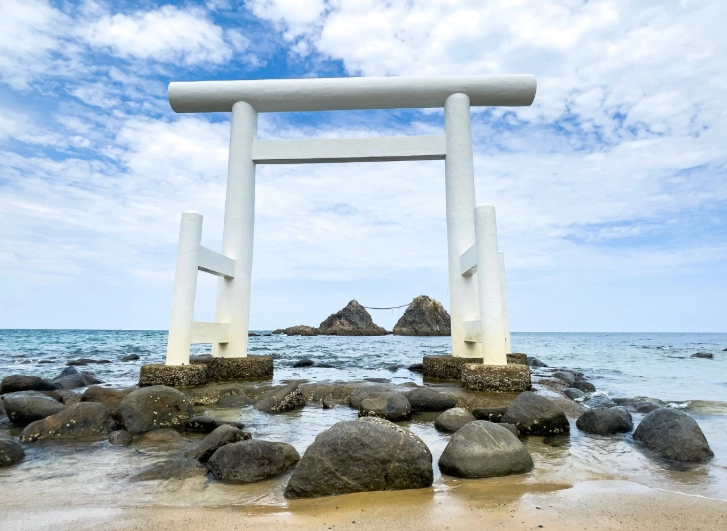
But let's talk about something other than ramen. Motsunabe is a Fukuoka hotpot masterpiece. It's a miso or soy-based broth with beef or pork offal, cabbage, and garlic chives. Sounds adventurous, tastes incredible. Motsunabe Ogura in Nakasu is an institution. Budget 3,000-4,000 yen per person.
For breakfast or a snack, hunt down a yatai or bakery selling mentaiko pan—a soft bread roll filled with creamy mentaiko. It's the perfect savory pick-me-up.
Local's Tip: The best yatai don't have English menus, but point-and-smile works perfectly. Carry cash. And if you're solo, you'll almost always be welcomed and likely end up chatting with neighbors. It's the friendliest dining experience in Japan.
Experience Modern Fukuoka's Pulse
Fukuoka Tower gets all the postcards, but let's compare your viewing options.
| Feature | Fukuoka Tower | Shops at ARK Building (Hakata Station) |
|---|---|---|
| View | Panoramic, 360-degree of the city and sea. | Close-up, stunning view of the Shinkansen tracks and station canopy. |
| Best For | Classic skyline photos, sunset over the bay. | Trainspotters, unique urban perspective, FREE. |
| Cost | Adults 800 yen, Children 500 yen. | Free (access via elevator to 13th-floor cafe area). |
| Location | Seaside Momochi area (needs a subway ride). | Directly above Hakata Station (incredibly convenient). |
I prefer the ARK building view. It's free, it's surreal watching the bullet trains silently glide in and out, and you can grab a coffee while you're up there.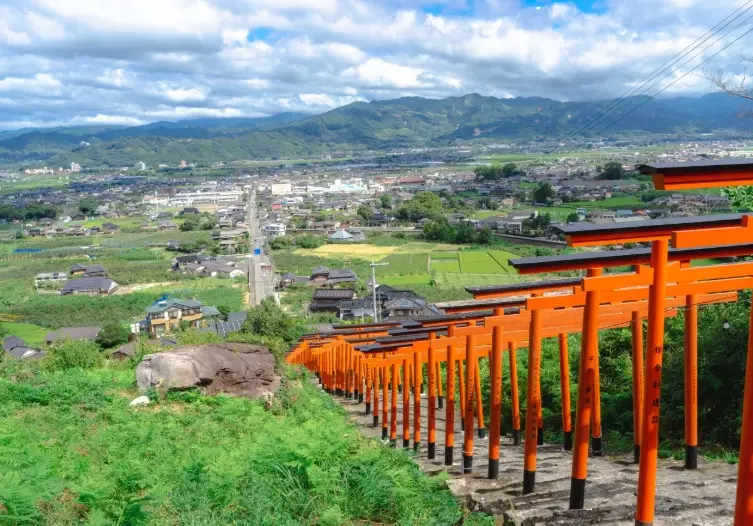
For shopping and spectacle, Canal City Hakata is worth the hype. It's a massive complex with a canal running through it. Every hour or so, there's a music and fountain show in the central sun plaza. Don't go just to shop—go to feel the energy. The Gundam statue at the entrance is a recent (and massive) addition.
Need a green escape? Ohori Park is a large park built around a central pond, modeled after West Lake in Hangzhou. You can rent paddle boats, visit the Fukuoka Art Museum, or just stroll the paths. It's especially lovely during cherry blossom season. A short walk away is the reconstructed Fukuoka Castle (Maizuru Park) ruins—more a pleasant hill with stone walls and great views than a castle, but a nice combo with Ohori.
Essential Day Trips from Fukuoka City
Fukuoka's location is a huge advantage. You can dive into very different worlds within an hour.
Dazaifu Tenmangu: For History and Academia
About 40 minutes by train from Tenjin Station. This is one of Japan's most important Tenmangu shrines, dedicated to the god of learning. Students flock here to pray before exams. The approach is a classic: you walk under a beautiful Starbucks (designed by Kengo Kuma), past souvenir shops selling umegae mochi (grilled rice cakes), to the striking orange arched bridge. The shrine itself is vast and peaceful. Combine it with the nearby Kyushu National Museum for a full half-day. Museum entry: 430 yen.
Yanagawa: The Venice of Kyushu
An hour south by train. Yanagawa is a sleepy town crisscrossed by narrow canals. The thing to do here is take a donkobune boat tour. A gondolier in a traditional hat punts you along the waterways, under low stone bridges, past willow trees and old samurai residences. It's incredibly serene. The boatman often sings local folk songs. Tours cost around 1,500 yen for 60 minutes. Eat unagi no seiro-mushi (steamed eel) for lunch—it's the local specialty.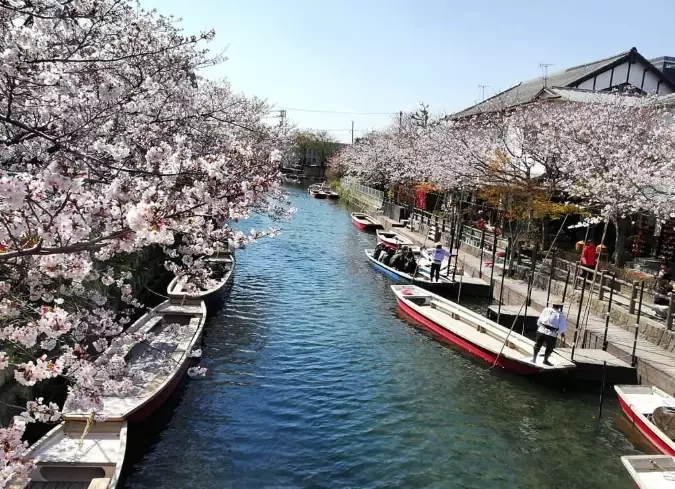
Itoshima Peninsula: Beaches and Hip Cafes
Heading west (about 60-90 mins by car/bus), Itoshima offers a bohemian coastal vibe. Visit the iconic Shiraito Falls (a gentle, wide cascade), the lonely seaside Futamigaura torii gate, and stop at one of the many stylish seaside cafes like Coffee or Roku. This is where Fukuoka locals go on the weekend to escape the city. Rent a car for this one if you can; it makes exploration much easier.
Practical Planning Tips for Your Trip
Getting around is a breeze. The subway has just three lines (Kuko, Hakozaki, Nanakuma) covering all key areas: the airport, Hakata Station, Tenjin, and Ohori Park. Get a one-day pass (620 yen) if you'll make more than three trips.
For buses, the Fukuoka Tourist City Bus (the "Green Bus") loops past all major sights. A one-day pass is 300 yen. It's slow but scenic.
Where to stay? Hakata Station area is best for transport (especially for day trips). Tenjin is the shopping and nightlife hub, more central for city exploration. I find Hakata more practical.
A common pitfall is trying to pack too much. Fukuoka rewards a slower pace. Leave time to get lost in the Kawabata Shopping Arcade, to sit by the river in the evening, to try that weird-looking pastry in a department store basement food hall (depachika).
The city's official tourism site, Crossroad Fukuoka, is a fantastic resource for current events and maps. Also check Japan National Tourism Organization for broader planning.
Frequently Asked Questions
What is the best time to visit Fukuoka?
Spring (March-May) and autumn (October-November) are ideal. Spring brings cherry blossoms, especially beautiful at Maizuru Park and along the Naka River. Autumn offers crisp air and comfortable temperatures perfect for exploring. Avoid late June to early July if you dislike heavy rain (tsuyu season), and note that August is very hot and humid, though it's festival season.
How many days do I need in Fukuoka?
Three full days is the sweet spot. Day one for central Fukuoka (Tenjin, Nakasu, Hakata Station area). Day two for exploring Hakata Old Town, Tocho-ji Temple, and maybe a half-day trip to Dazaifu. Day three for a longer day trip to Yanagawa or Itoshima, or diving deeper into local neighborhoods like Ohori Park. It's compact, so you cover a lot without feeling rushed.
What is Fukuoka best known for?
Fukuoka is the birthplace of tonkotsu (pork bone broth) ramen, specifically the Hakata-style ramen served at yatai (open-air food stalls). It's also a major gateway to Kyushu, known for its vibrant nightlife in Nakasu, historic temples like Kushida-jinja, and modern shopping complexes like Canal City. The city seamlessly blends ancient history with a buzzing, contemporary energy.
Is Fukuoka worth visiting?
It offers a more relaxed, locally-focused experience compared to Tokyo or Osaka. The food scene is phenomenal and accessible, the city is incredibly walkable and well-connected by subway, and it serves as a perfect base for exploring other parts of Kyushu. If you want great food, friendly locals, and a mix of culture and city life without the overwhelming crowds, Fukuoka is a top choice.

Comments