Let's cut to the chase. Choosing where to stay in Fukuoka can feel paralyzing. You've got the buzzing nightlife of Tenjin, the transport hub of Hakata, the historic vibes of Gion, and the riverfront buzz of Nakasu. Picking the wrong spot means more time on trains and less time eating ramen. I've lost count of the trips I've made here, and I've made every booking mistake you can think of. This guide is about getting it right the first time.
Fukuoka's accommodation scene isn't just about a bed. It's about positioning. A 10-minute walk difference can change your entire trip vibe. We'll break down the neighborhoods with brutal honesty, look at real places to stay (from capsule pods to proper ryokans), and tackle the questions you're actually typing into Google.
Your Quick Guide to Fukuoka Stays
The Neighborhood Lowdown: Where to Plant Your Flag
This is the most important decision. Get the area wrong, and you'll feel it every day. Here’s the real character of each major zone.
Hakata Station Area: The Ultimate Connector
If you're rolling in on the Shinkansen from Tokyo or Osaka, or taking the subway from the airport, this is your zero-stress zone. The pros are obvious: unparalleled access. The cons? It feels more like a business district after dark. The restaurants are good but lack the dense, winding alleyway charm of other areas.
Who it's for: First-time visitors, short stays, business travelers, anyone with a Japan Rail Pass planning lots of day trips (to Dazaifu, Yanagawa, even Hiroshima).
The subtle mistake people make: Booking a hotel that's a "5-minute walk from Hakata Station" but doesn't specify which exit. The station is massive. A hotel near the Hakata Bus Terminal exit is a 15-minute indoor walk from the Shinkansen gates. Aim for hotels clustered around the "Central Exit" (Chuo-guchi).
Tenjin: The City's Beating Heart
This is Fukuoka's downtown. Department stores, underground shopping malls that feel like cities, endless restaurants and bars. The energy is constant. Staying here means you're never more than a few blocks from food, drink, or shopping. The subway connection (Tenjin and Tenjin-minami stations) is excellent.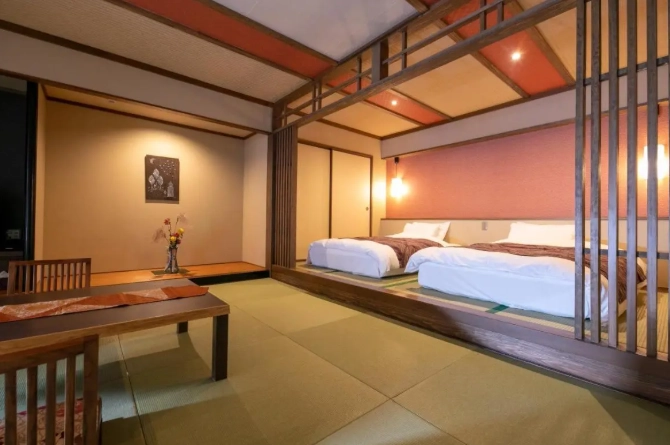
Who it's for: Shopaholics, nightlife lovers, foodies who want to stumble home after a late-night yakitori session.
The catch: It can be noisy. Rooms facing major streets might get traffic hum. Also, it's easy to get disoriented in the underground maze—downloading an offline map is a pro move.
Nakasu & Kawabata: The Riverside Mix
Nakasu is the entertainment district, home to the famous yatai (food stalls) along the river and a, let's say, vibrant nightlife scene. Just south is Kawabata Shopping Arcade, a covered shotengai with a more local, old-school feel. This area is about atmosphere.
Who it's for: Travelers who prioritize experience over pristine quiet, those who want to be steps from the yatai, and anyone wanting a blend of classic and modern.
Important note: Nakasu has a red-light district. While generally safe, the main drag can feel a bit seedy late at night. Families or those seeking tranquility should look at specific hotels on the periphery or in neighboring Tenjin.
Daimyo & Imaizumi: The Cool Kid's Hangout
West of Tenjin, this is the trendy, boutique neighborhood. Think narrow streets filled with indie fashion stores, vinyl cafes, craft beer bars, and stylish restaurants. The vibe is more relaxed and creative.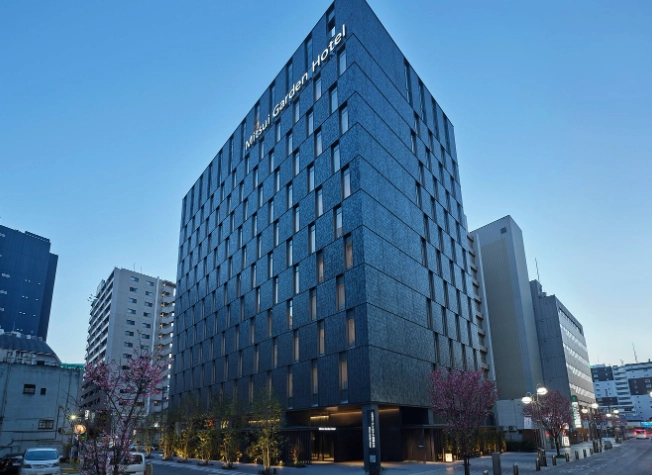
Who it's for: Younger travelers, couples, anyone wanting a more local, hipster vibe away from the big department stores.
The reality: It's not as well-connected by subway. You'll rely more on buses or walking 10-15 minutes to Tenjin or Akasaka stations. That's a fair trade-off for the ambiance for many.
Hotel, Ryokan, or Airbnb? Picking Your Vibe
Fukuoka offers the full spectrum. Your choice depends on what you want your day to start and end with.
| Type | Best For | What You're Really Paying For | Watch Out For |
|---|---|---|---|
| Business Hotel (e.g., Dormy Inn, Richmond Hotel) | Solo travelers, budget-conscious duos, pure functionality. | Clean, tiny, efficient rooms. Often includes free breakfast (usually decent) and late-night ramen. Fantastic locations. | Room sizes are comically small for two people with large suitcases. Walls can be thin. |
| Luxury/International Hotel (e.g., Hilton, Miyako Hotel) | Special occasions, points collectors, needing consistent service. | Space, views (river or bay), multiple on-site dining, concierge help. A predictable oasis. | Can feel detached from the local city vibe. Often the most expensive option. |
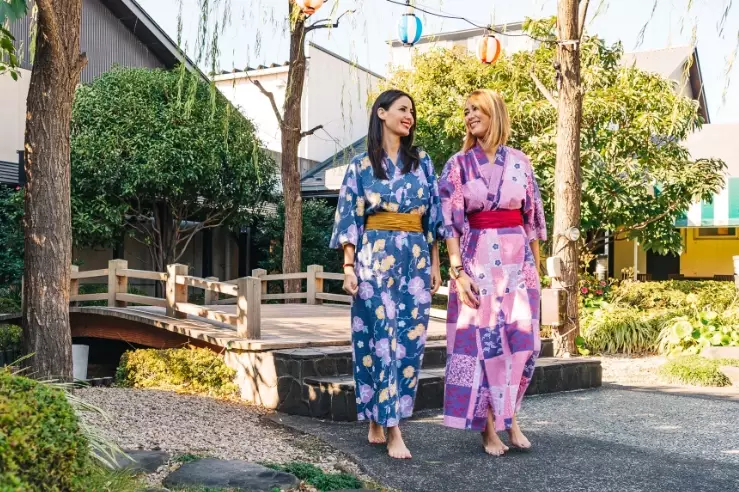
| Ryokan (Japanese Inn) | Cultural immersion, a special treat, romantic getaways. | The experience: tatami floors, futons, yukata robes, and often incredible multi-course kaiseki dinners served in-room. | Strict check-in/out times. May not have private bathrooms in all rooms. Rules and etiquette to follow. |
| Guesthouse / Hostel | Solo backpackers, social travelers, extreme budgets. | Community, local advice from owners, kitchen access. Some offer fantastic private pods. | Shared facilities. Noise from other guests. Location can be hit or miss. |
| Serviced Apartment / Condo | Families, long stays (3+ nights), groups wanting common space. | A washing machine, a kitchenette, separate living/sleeping areas. Feels like a home base. | Less daily housekeeping. Booking platforms can be unreliable; stick to major ones. |
My personal take? For a stay of 3+ nights, I now almost always look for a modern serviced apartment. Having a washer-dryer after days of travel is a luxury that changes your packing strategy. For a 1-2 night stop, a efficient business hotel right by Hakata Station can't be beat.
A Non-Consensus Opinion on Ryokans: Everyone says "stay in a ryokan." In a historic onsen town, absolutely. In central Fukuoka, it's a different calculus. The value isn't in serene gardens (you won't find them), but in the cultural punctuation. Doing it for your first night throws you into the deep end of Japanese traditions immediately. Doing it for your last night lets you decompress in tranquility before a flight. Either can work, but don't expect a Kyoto-level experience.
My Hand-Picked Stays for Different Travelers
Based on location, value, and that intangible "it works" factor.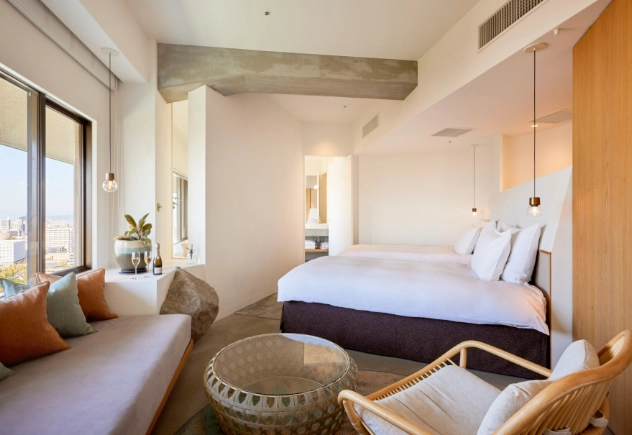
For the Efficiency Expert (Hakata Station)
The Royal Park Hotel Fukuoka: Connected directly to Hakata Station's building. You literally never go outside to get to your room. It's not the cheapest, but for an early Shinkansen or a late arrival, the convenience fee is worth every yen. Rooms are modern and quiet despite the location. Expect to pay around ¥18,000-¥25,000 per night.
For the Foodie Immersion (Tenjin/Nakasu Border)
Hotel Nikko Fukuoka: Its location is killer. A short walk to the Nakasu yatai, the Canal City shopping complex, and the heart of Tenjin. The rooms are starting to show a little age, but the views from higher floors and the sheer walkability to everything food-related is unmatched. Look for deals around ¥20,000/night.
For the Ryokan Experience (Gion)
Ryokan Hakata: One of the few true ryokans within walking distance of a subway station (Gion). The building is traditional, the service is gracious, and the in-room breakfast is a beautiful start to the day. Rooms are authentically Japanese—meaning compact. A cultural reset button in the city. Prices vary widely with meal plans; expect ¥30,000+ per person with dinner and breakfast.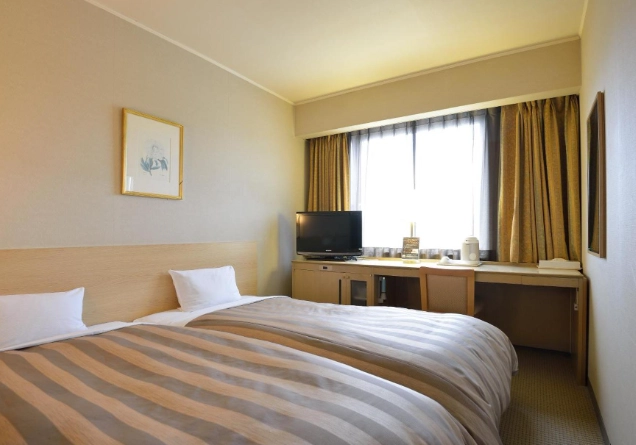
For the Family or Group
Fukuoka Amenity Studio Apartments (Various locations): This is a serviced apartment brand with multiple buildings, particularly in the Imaizumi area. You get a proper studio with a kitchen, washer, and microwave. The one near Imaizumi Chuo Park is in a quiet, residential-feeling street but still close to Daimyo's cool shops. For 4 people, you'd need two units, but it's often still cheaper and far more practical than two hotel rooms. Around ¥12,000-¥18,000 per unit per night.
Booking Smarts: Timing, Prices & Traps
Fukuoka isn't a secret. It's a major Japanese city and a gateway to Asia.
When to Book: For cherry blossom season (late March/early April) and autumn (November), book at least 3 months out. For other times, 1-2 months is safe. A hidden trap? Check if any major trade fairs are on at Marine Messe Fukuoka. The city's big convention center can swallow up hotel inventory and double prices overnight. A quick web search for "Marine Messe event schedule" can save you.
Price Ranges (Per Room, Per Night):
Budget Hostel/Capsule: ¥3,000 - ¥7,000
Business Hotel: ¥8,000 - ¥15,000
Mid-range Hotel: ¥15,000 - ¥25,000
Luxury Hotel/Ryokan: ¥25,000+
Direct vs. Aggregator: Always check the hotel's own website. Chain hotels (APA, Dormy Inn, Mitsui Garden) often have "members only" rates that are cheaper than Booking.com, even for first-time bookers. For ryokans, Japanese sites like Jalan or Rakuten Travel sometimes have better plans with elaborate meals included.
Real Answers to Your Burning Questions
What is the best area in Fukuoka for first-time visitors?
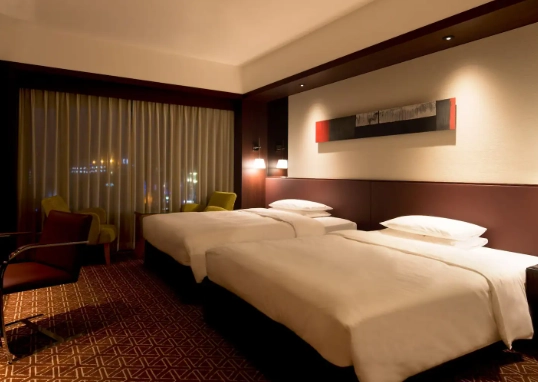
Where should I stay in Fukuoka with a family?
Is it worth staying in a ryokan in Fukuoka city center?
How far in advance should I book Fukuoka accommodation?
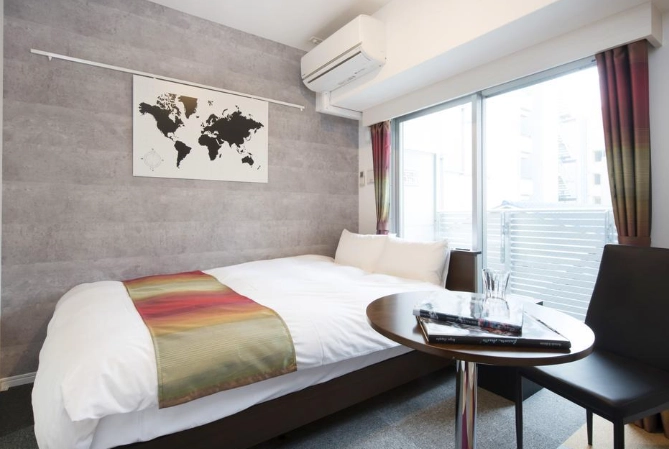
Your Fukuoka accommodation choice sets the rhythm for your trip. Prioritize location based on what you'll actually do most days. Don't overthink the perfect hotel—focus on the perfect neighborhood. Once you drop your bags in a well-chosen spot, the city's real magic—the ramen, the shrines, the friendly chaos—is waiting right outside.


Comments