Your Nikko Travel Map
So you're thinking about a Nikko travel adventure? Good choice. Honestly, it's one of those places in Japan that sneaks up on you. You might go for the famous golden shrine, but you'll stay for the mountains, the lakes, the sheer peace of the place. It's a world away from Tokyo's buzz, yet close enough for a day trip if you're really pressed. But let me tell you, rushing Nikko is a mistake. I did it once, years ago, and spent the whole train ride back wishing I'd booked a night in a ryokan.
This guide isn't just a list of sights. It's the stuff I wish I'd known before my first, second, and even third trips up there. We'll talk about the practicalities—the confusing bus passes, the best time to see autumn leaves without the worst crowds, where to find a decent bowl of noodles that won't break the bank. We'll also dive deep into what makes Nikko travel so special: the fusion of profound spirituality and raw, breathtaking nature.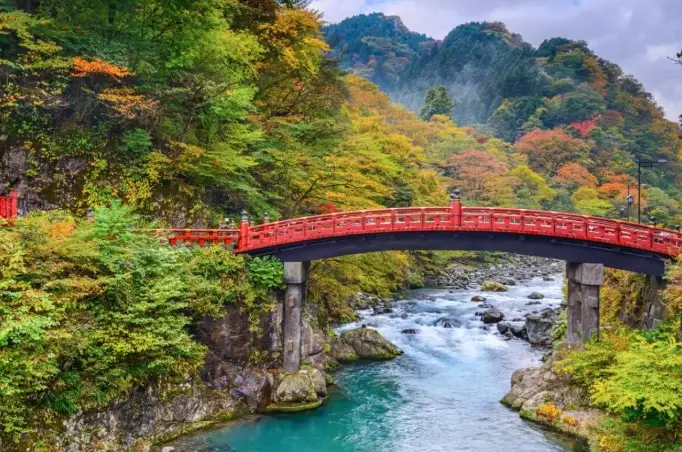
Before You Go: The Nitty-Gritty of Planning Your Nikko Travel
Alright, let's get the boring-but-essential stuff out of the way first. Skipping this part is how you end up standing in the wrong train line or missing the last bus up the mountain.
When to Visit: There's No "Bad" Time, Just Different Ones
This is the most common question. The answer depends entirely on what you want.
- Autumn (Mid-October to Early November): The peak season for a reason. The mountains are on fire with red and yellow koyo (autumn leaves). It's spectacular. It's also packed. Hotels book up months in advance, and the narrow paths around Toshogu can feel like a conveyor belt of people. Go for the iconic views, but be ready for company.
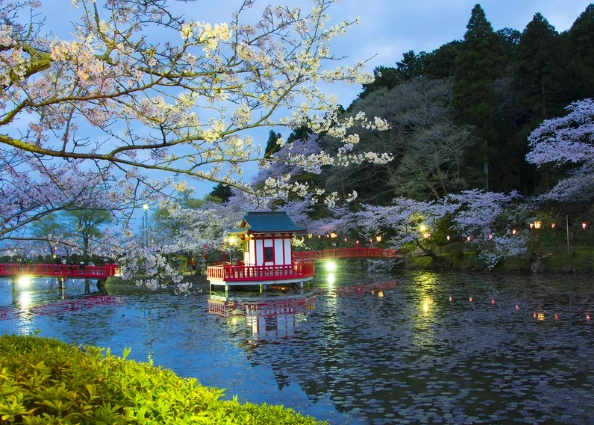
- Spring (Late April to May): Cherry blossoms come later here than in Tokyo, and the fresh green of the new leaves is stunning. The weather is mild, though it can still be chilly, especially up at Lake Chuzenji. Crowds are thinner than autumn, but it's still popular.
- Summer (June to August): A fantastic escape from Tokyo's humid misery. The highlands around Lake Chuzenji are cool and pleasant. This is the prime season for hiking. Downside? The famous Shinkyō (Sacred Bridge) is often covered in scaffolding for maintenance during this period, and June is the rainy season.
- Winter (December to March): Severely underrated. Toshogu under a blanket of snow is magical and profoundly quiet. The catch? The road up to Lake Chuzenji (the Irohazaka) often closes due to snow and ice, and many hiking trails are inaccessible. Some smaller lodges close. But if you want the shrines almost to yourself and love onsens in the cold, it's a unique Nikko travel experience.
My personal favorite? Late May or early October. You skirt the absolute peak madness but still get great weather and color.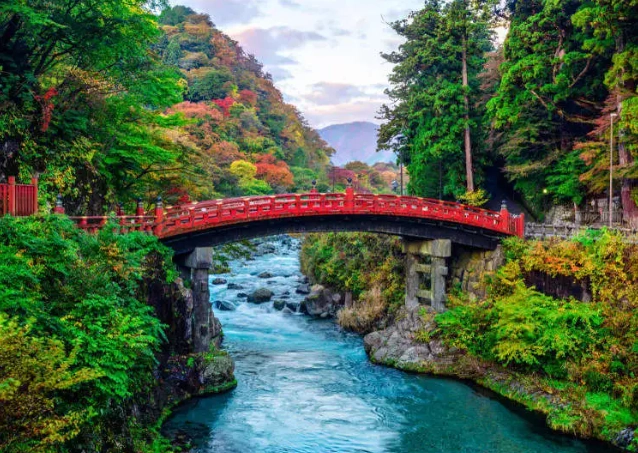
Budgeting: How Much Does a Nikko Trip Really Cost?
It can be done on a shoestring or as a splurge. A day trip from Tokyo is possible for under ¥15,000 per person if you're careful. An overnight stay opens up more possibilities but adds accommodation costs. Here's a rough breakdown.
| Expense Category | Budget (per person) | Mid-Range (per person) | Notes |
|---|---|---|---|
| Round-trip Transport from Tokyo | ¥5,000 - ¥8,000 | ¥13,000+ | Budget = Local trains, Mid-range = Tobu Rail Pass or JR Pass. The Nikko Pass is a game-changer. |
| Local Bus & Transport | ¥2,000 - ¥3,000 | Included in Passes | Getting to Chuzenji adds cost. Passes like the Tobu Nikko Pass cover this. |
| Shrine Entry Fees | ¥1,300 - ¥2,000 | ¥1,300 - ¥2,000 | Toshogu is ¥1,300. Adding Rinnoji & Futarasan shrines costs more. |
| Food (per day) | ¥2,000 - ¥3,000 | ¥5,000 - ¥8,000 | Budget = Soba stands, convenience store. Mid-range = Nice restaurant meals. |
| Accommodation (per night) | ¥4,000 - ¥8,000 (Hostel) | ¥15,000 - ¥30,000 (Ryokan) | Ryokan with kaiseki dinner & onsen is a splurge but classic. |
Where to Stay: Temple Town vs. Lakeside Serenity
This decision shapes your whole trip.
Staying in Nikko Town (near the shrines): You're steps away from the UNESCO sites. More dining options, easier access to train stations. The atmosphere is more "town" than "retreat." Good for a one-night trip where you want to hit the shrines early before the day-trippers arrive. I stayed at a small guesthouse here once, and being able to walk to Toshogu for a 8:30 AM opening was worth it.
Staying at Lake Chuzenji or Yumoto Onsen: This is where you go to unwind. The scenery is incredible, the air is fresh, and you're surrounded by hiking trails. The downside? You're reliant on the bus schedule to get down to the main shrines (about a 45-minute winding ride). Dining options are mostly your hotel/ryokan. Perfect for a second visit or if nature is your primary goal.
My take? For a first-time Nikko travel experience, stay in Nikko town. Logistically, it's just easier. Save the lakeside ryokan for a return trip when you know the lay of the land.
The Core Nikko Travel Experience: What to See and Do
Let's break down the attractions. Think of them in two zones: the Cultural Zone (the shrines and temples in the town) and the Natural Zone (the national park area around Lake Chuzenji).
The UNESCO World Heritage Site: More Than Just Toshogu
Yes, Toshogu is the star. But the World Heritage designation covers several shrines and temples. You can buy a combined ticket, but honestly, most people are shrine-fatigued after Toshogu. Choose wisely.
Toshogu Shrine: Prepare for sensory overload. This isn't the typical austere, minimalist Japanese shrine. This is Baroque, Edo-period style. Every surface is carved, painted, gilded. Look for the famous "See no evil, hear no evil, speak no evil" monkeys on the Sacred Stable. Hunt for the sleeping cat (nemuri-neko) above a doorway. And don't miss the Yomeimon Gate—they call it the "Sunset Gate" because you could look at it until sunset and not see all the details. It's breathtaking, but also... a lot. It can feel theatrical, which was the whole point—to show the power of the Tokugawa clan. Is it worth the ¥1,300 and the crowds? For a first visit, absolutely. Would I go in on a packed autumn Saturday afternoon again? Probably not.
Rinnoji Temple : Often overlooked, which is a shame. Its main hall, the Sanbutsudo, houses three giant, gold-lacquered Buddha statues. The atmosphere here is more solemn and traditionally Buddhist compared to Toshogu's Shinto spectacle. The garden behind it, Shoyoen, is a lovely, quiet strolling garden, especially beautiful in autumn.
Futarasan Shrine : The oldest of the complex, dedicated to the mountains of Nikko. It feels ancient and rooted. The shrine proper is a short walk from Toshogu, but its sub-shrine is by the famous Shinkyo bridge. The style is pure, simple Shinto—a stark and refreshing contrast to Toshogu.
Taiyuinbyo : The mausoleum of Iemitsu, Ieyasu's grandson. Architecturally, it's like a subdued, more refined version of Toshogu. Fewer people find their way here, so it's often peaceful. The walk up through the cedar forest is atmospheric.
Honestly? If you only do one, make it Toshogu. If you have time and interest, add Rinnoji for contrast. Futarasan is quick to see if you're nearby.
Venturing into Nikko National Park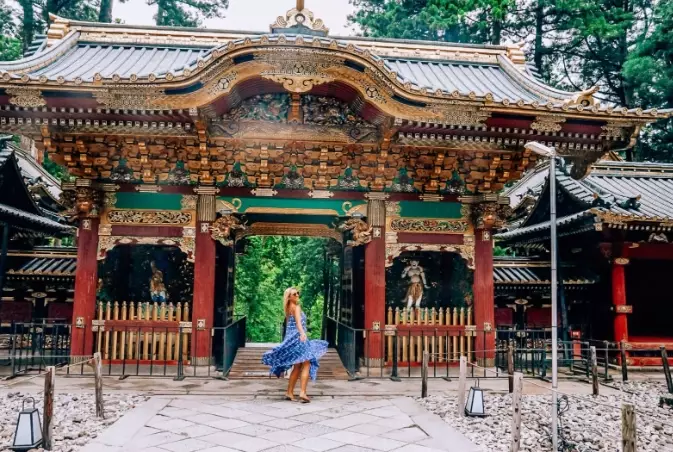
This is where your Nikko travel adventure expands. You'll need to take a bus from the town up the dizzying Irohazaka winding road.
Lake Chuzenji : A vast, beautiful crater lake formed by a volcanic eruption millennia ago. The bus drops you at the main tourist hub, which is a bit tacky with souvenir shops. Walk five minutes in either direction along the shore, and you find tranquility. You can take sightseeing boat tours, or just find a bench and soak it in. In autumn, the surrounding mountains are unreal.
Kegon Falls One of Japan's three most beautiful waterfalls. The water from Lake Chuzenji plummets 97 meters down a sheer rock face. You can view it from a free observation platform at the top (always crowded), or pay ¥570 to take an elevator down to the base observation deck. The base view is worth the fee and the short queue—you feel the spray and the power. Don't just snap a photo from the top and leave.
Okunikko - The Inner Nikko: Past Lake Chuzenji, the bus continues to Yumoto Onsen. This is the highland marsh and forest area. Highlights include the Senjogahara Marshland (a fantastic, flat hiking trail), Ryuzu Falls (smaller but picturesque), and Yudaki Falls. This area feels wilder and is less developed. If you're a hiker, this is your playground. The Nikko National Park website has good trail maps.
Crafting Your Perfect Nikko Travel Itinerary
Here’s the practical part. How do you stitch this all together?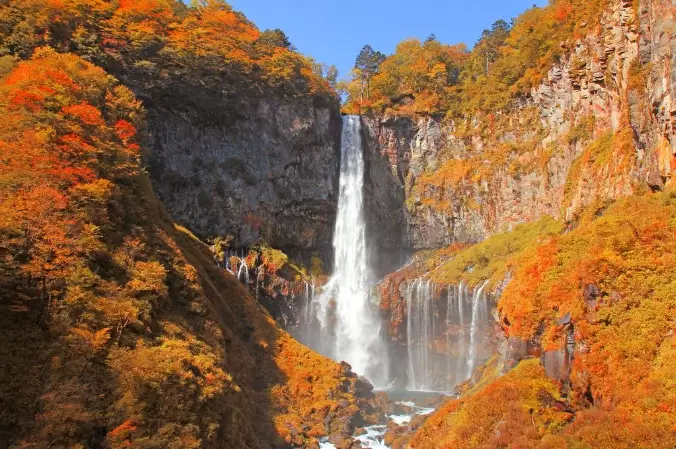
The Ambitious Day Trip (From Tokyo)
It's a long day, but doable if you catch an early train.
6:00 AM: Take the Tobu Limited Express "Kegon" from Asakusa.
8:30 AM: Arrive at Tobu-Nikko Station. Store luggage in coin locker.
9:00 AM: Walk to shrine area, visit Toshogu (2-2.5 hours).
12:00 PM: Quick lunch in town (soba noodles).
1:00 PM: Take bus to Lake Chuzenji/Kegon Falls.
1:45 PM: Visit Kegon Falls (base viewing platform).
3:00 PM: Brief stroll along Lake Chuzenji shore.
4:00 PM: Bus back to Nikko town.
5:00 PM: Pick up luggage, maybe see Shinkyo bridge.
5:30 PM: Catch return train to Tokyo.
8:00 PM: Arrive back in Asakusa.
It's rushed. You see the two biggest hits (Toshogu and Kegon) but feel no relaxation. You won't touch Okunikko. I only recommend this if you're extremely short on time.
The Ideal 2-Day, 1-Night Itinerary
This is the sweet spot for a first Nikko travel visit.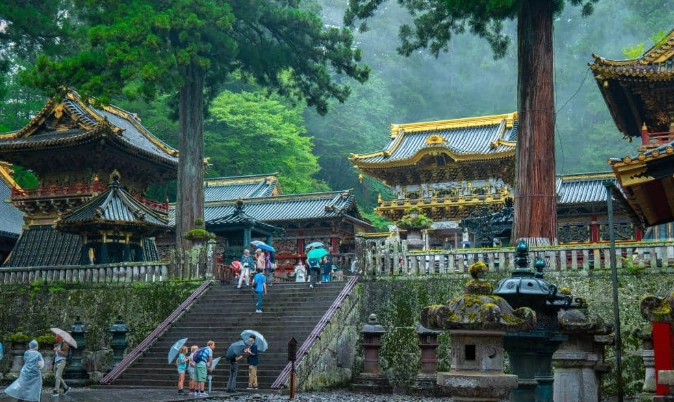
Day 1:
- Morning train from Tokyo, arrive by 10:30 AM.
- Drop bags at your lodging in Nikko town.
- Visit Futarasan Shrine and the iconic Shinkyo bridge.
- Lunch in town.
- Spend the afternoon at Toshogu and Rinnoji Temple. Explore at a leisurely pace.
- Check into accommodation. Relax. Enjoy a nice dinner—try yuba (tofu skin), a local specialty.
Day 2:
- Check out, leave luggage at station or hotel.
- Take early bus up to Lake Chuzenji.
- Visit Kegon Falls properly.
- Walk part of the lakeside trail.
- Take bus further to Ryuzu Falls or Senjogahara for a short walk (1-2 hours).
- Return to Chuzenji for a late lunch.
- Bus back to Nikko town in mid-afternoon.
- Collect luggage, maybe pick up souvenirs, catch train back to Tokyo.
This gives you a balanced taste of both culture and nature without being insane.
The 3-Day Immersion Itinerary
For those who want to hike, soak in onsens, and really disconnect.
Day 1: As above, explore the shrine area in Nikko town. Overnight in town.
Day 2: Bus to Chuzenji. Do a proper hike (e.g., the Senjogahara Marshland trail from Ryuzu Falls to Yudaki Falls). Bus to Yumoto Onsen. Check into a ryokan there. Soak in the onsen. Enjoy a kaiseki dinner.
Day 3: Morning walk around Yunoko lake near Yumoto. Lazy morning. Bus back down to Nikko town in the afternoon for your return train to Tokyo.
Nikko Travel: The Practicalities & FAQs
Here are the answers to the questions that pop up when you're actually planning.
Frequently Asked Questions
Insider Tips You Won't Find in Every Guide
Just a few more things from my own stumbles and discoveries.
The walk from the stations to the shrines is along a main road. It's not particularly scenic. Consider taking the local bus (circular route) for ¥210 if you have heavy bags or just want to save energy.
If you're going to Chuzenji, sit on the right side of the bus on the way up (left side on the way down) for the best views of the valley below. The bus drivers are masters of those hairpin turns on Irohazaka.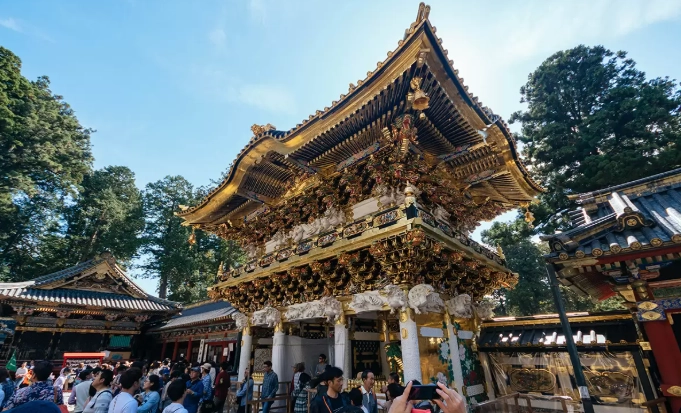
There's a small, free observation deck called Akechidaira halfway up Irohazaka. You get a postcard-perfect view of Kegon Falls from above and Lake Chuzenji. The bus stops here for 10 minutes. It's a fantastic photo op. Don't sleep through it.
Mobile reception can be spotty in the deep valleys and around Okunikko. Download offline maps (Google Maps lets you download areas) and your bus schedules beforehand.
Finally, slow down. The essence of Nikko travel isn't in ticking off every single shrine and waterfall. It's in the smell of the ancient cedars, the cool mist from the falls, the quiet of a stone lantern path away from the main crowd. It's in that moment when you turn a corner and see a vermilion gate framed by a thousand-year-old tree.
Plan well for the logistics, but leave some room to just be there. That's when Nikko gets under your skin.



Comments