Quick Navigation
Let's be honest. Planning a trip to Hakone can feel like you're trying to solve a puzzle where half the pieces are in Japanese. Onsen etiquette, the Hakone Free Pass, the ropeway, the crowds – it's a lot. I remember my first time staring at a map of the Hakone Round Course, completely bewildered. Was the pass worth it? Which onsen should I pick? Would I even see Mount Fuji?
I've been back several times since, made my share of mistakes (like waiting in a two-hour line for the pirate ship on a golden week), and figured out what actually works. This guide isn't a fluffy list of attractions. It's the practical, detail-oriented handbook I wish I'd had. We're going to talk logistics, money, timing, and how to actually enjoy yourself instead of just ticking boxes. Whether you're a first-timer or looking to dive deeper, let's get into it.
The Core Idea: Hakone travel is best experienced as a slow loop. You're not racing from point A to B. You're taking a scenic train, a cable car, a boat, and a bus to see the area from every angle, with plenty of stops for hot springs and black eggs along the way.
Getting Your Bearings & Getting There
Hakone is part of Fuji-Hakone-Izu National Park, about 90 minutes southwest of Tokyo by train. It's not a single town but a mountainous area dotted with villages, lakes, and hot spring resorts (onsen). The classic way to explore is the “Hakone Round Course” (or “Loop”), which connects different types of transport in a circle. But before you even think about the loop, you need to get to the gateway.
The Train Situation: Romancecar vs. Odakyu Limited Express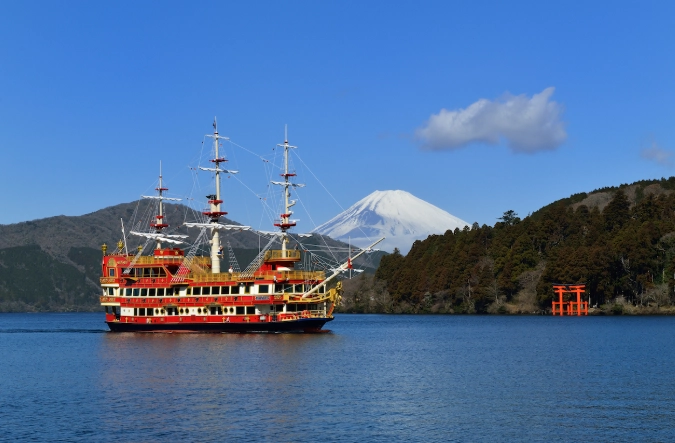
From Shinjuku Station in Tokyo, you have two main options, both operated by Odakyu Railway. This is where your first big decision hits.
The Romancecar is the direct, reserved-seat, premium express. It's comfortable, has large windows, goes non-stop to Hakone-Yumoto (and sometimes Gora), and makes you feel like you're on vacation the moment you sit down. You need to book a seat reservation on top of the base fare. It's more expensive, but for a hassle-free start, it's golden.
The Odakyu Limited Express is the regular express train. It's cheaper because it only requires the base fare (no extra reservation fee). The catch? It's not non-stop, and during peak times, you might be standing for part of the 90-minute journey. I've done both. If your budget is tight, the Limited Express is perfectly fine. If you value comfort and guaranteed seating (especially with luggage), the Romancecar is worth the extra yen.
My take? For a weekend Hakone travel itinerary, spring for the Romancecar. It sets the tone.
The Absolute Game-Changer: The Hakone Free Pass
This is non-negotiable for 99% of visitors. Just get it. The Hakone Free Pass (officially the Hakone Kamakura Pass) is a discounted pass from Odakyu that covers your round-trip from Shinjuku (on the Odakyu line, including the Limited Express, but *not* the Romancecar surcharge) and, crucially, unlimited use of almost all transportation within Hakone for 2 or 3 days. That includes the Hakone Tozan Railway (the mountain train), the cable car, the ropeway, the pirate ships on Lake Ashi, and most local buses.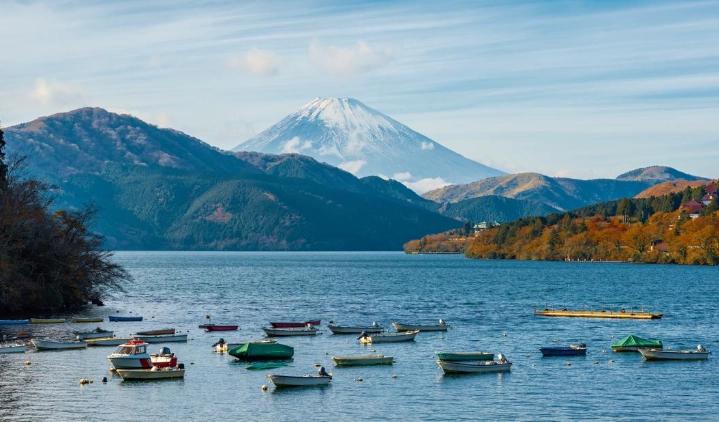
Why it's a no-brainer: Even if you only take the round-trip from Tokyo and do the basic loop once, you'll likely break even or save money. The real value is in the freedom. See a temple you like? Hop off the bus. Want to go back to that onsen? No need to buy another ticket. It removes all the friction from your Hakone travel. You can buy it online or at the Odakyu Sightseeing Service Center at Shinjuku Station.
One small gripe – the name “Free Pass” is a bit misleading. It's not free; it's a discounted unlimited pass. But that's a minor quibble for what it offers.
Crafting Your Hakone Itinerary: 1, 2, or 3 Days?
You can do a rushed day trip from Tokyo, but you'll be exhausted and miss the best part: the onsens. Hakone is about slowing down. Here’s how I’d break it down.
The Classic 2-Day, 1-Night Hakone Travel Itinerary
This is the sweet spot for most people.
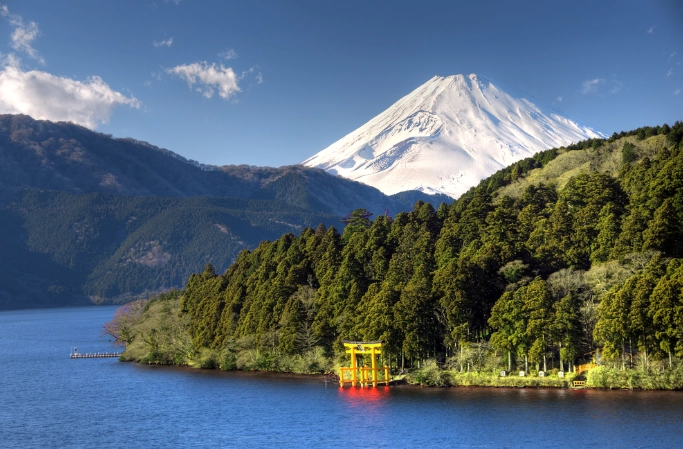
Day 1: Arrive at Hakone-Yumoto by late morning. Stow your luggage at your ryokan or a station coin locker. Start the loop counter-clockwise: Take the Hakone Tozan Railway up the switchbacks to Gora. Have lunch there. Walk to the Hakone Open-Air Museum (it's genuinely fantastic, even if you're not a huge art fan). Then, take the cable car up to Sounzan, transfer to the Hakone Ropeway, and soar over the volcanic valley (Owakudani). Get off at Owakudani station to try the famous black eggs (kuro-tamago), boiled in the sulfuric waters – they say each egg adds seven years to your life. The taste? Like a slightly sulfurous hard-boiled egg. It's about the experience. Continue on the ropeway to Togendai on Lake Ashi. Take the pirate ship (yes, it's touristy, but the views of Mt. Fuji on a clear day are worth it) across the lake to Hakone-machi or Moto-Hakone. Explore the lakeside path and the Hakone Checkpoint if history interests you. Take a local bus back to your ryokan in Hakone-Yumoto or Gora. Check-in, soak in your private or communal onsen, and enjoy a kaiseki dinner.
That’s a full day. See why a day trip is rough?
Day 2: A leisurely morning enjoying your ryokan's breakfast and perhaps one more soak. Check out, leave your bags. Now you can explore what you missed. Maybe visit the Pola Museum of Art, the Hakone Shrine (the torii gate in the lake is iconic), or just wander the streets of Gora. Use your still-valid Hakone Free Pass to take buses to these spots before collecting your luggage and heading back to Tokyo in the late afternoon.
If You Have 3 Days
This is luxury. Follow the 2-day plan, but at a much slower pace. Dedicate a whole day to museum-hopping (the Open-Air Museum, Pola, the Venetian Glass Museum) or hiking one of the older trails like the Old Tokaido Road. Book a ryokan with a truly exceptional onsen and spend an afternoon doing nothing but rotating between baths, your room, and the viewing lounge. Explore the lesser-known onsen towns like Miyanoshita. This turns your Hakone travel from a sightseeing tour into a genuine retreat.
The Brutally Honest 1-Day Trip
Only attempt this if you're pressed for time and understand you'll be rushing. Take the earliest Romancecar possible. Do the loop exactly as described in Day 1, but with no museum stops and a very quick lunch. You'll be racing against the clock to catch transport connections. You might see Fuji, you'll definitely smell the sulfur, but you'll miss the atmosphere. It's a sampler, not the full meal.
The #1 Mistake: Trying to do the full loop starting after 10 AM on a weekend or holiday. The lines for the ropeway and pirate ship can become soul-crushingly long. Start early, or do the loop in reverse order to try and avoid the worst crowds.
Where to Stay: The Great Ryokan Debate
Your accommodation is a core part of the Hakone experience. This isn't just a place to sleep.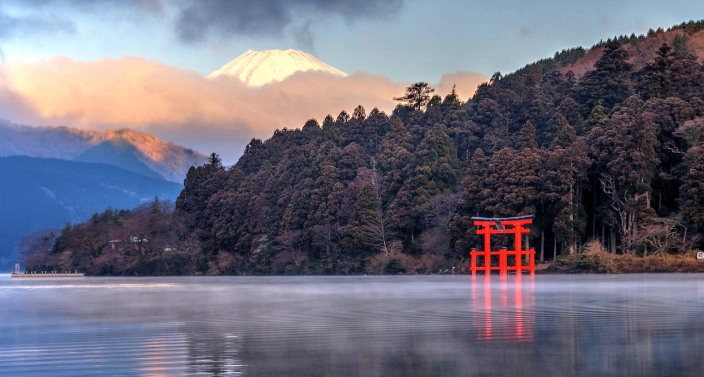
| Type | What It Is | Best For | My Personal Note |
|---|---|---|---|
| Traditional Ryokan | Full Japanese inn experience. Tatami rooms, futons, multi-course kaiseki dinner & breakfast served in-room or in a dining hall. Almost always has onsen baths. | Travelers seeking authentic cultural immersion, couples, special occasions. The pinnacle of Hakone travel. | Can be expensive, but often includes two lavish meals. Dinner is an event that can last 1.5-2 hours. Be prepared to sit on the floor (though many have leg wells under tables). |
| Onsen Hotel | A more Western-style hotel (beds, chairs) but focused on hot springs. May have buffet dining options. | Families, those who prefer beds, or want more flexible meal plans. | Often has more extensive bath facilities (multiple pools, saunas) than a small ryokan. Good for those who find ryokan rituals a bit daunting. |
| Minshuku / Guesthouse | Family-run, budget-friendly guesthouses. Simple meals, shared bathrooms. May or may not have a small bath. | Solo travelers, backpackers, budget-conscious visitors. | A more social, down-to-earth experience. Don't expect luxury, but you'll get great local advice and a cozy feel. |
| Standard Hotel / Business Hotel | Just a regular hotel, often near Hakone-Yumoto station. No onsen. | Those on a very tight budget who plan to visit public bathhouses instead. | You're missing a key part of Hakone if you do this, in my opinion. At least visit a day-use onsen. |
Location matters too. Hakone-Yumoto is the main gateway, has lots of options and restaurants, but feels more like a town. Gora is higher up, quieter, and central to the loop. Miyanoshita is historic and charming but requires bus rides to get to the main sights. I've stayed in Gora and loved the convenience of walking to the cable car station in the morning. Hakone-Yumoto is better if you're arriving late.
The Heart of It All: Onsen Etiquette (Don't Panic)
This stresses out so many first-timers. Relax. The rules are simple and logical once you know them. The official Japan National Tourism Organization guide to onsen is a great reference.
Here’s the stripped-down, practical version for your Hakone travel:
- Wash First, Soak After: Enter the bathing area naked (no swimsuits). Take a stool, a bowl, and sit at one of the shower stations. Wash and rinse your entire body thoroughly *before* you even think about entering the communal bath. Soap and shampoo must not get in the onsen water.
- Small Towel Etiquette: You get a small towel. You can use it to wash yourself, then wring it out. In the bath, you can put it on your head, fold it on the side, or (in some mixed-gender outdoor baths) strategically place it. Never let it touch the onsen water.
- Be Quiet and Calm: Onsen are for relaxation. No splashing, swimming, or loud talking. Just soak.
- Tattoos: This is the tricky one. While attitudes are slowly changing, many public onsens still ban tattoos due to their association with yakuza. Your ryokan's private bath is always fine. For public facilities, check their policy online beforehand. Many now allow small tattoos if covered with a patch, or have “tattoo-friendly” hours.
My first time, I was so nervous I almost didn't go. Now it's my favorite part. Just remember: everyone is there to do the same thing, and no one is staring at you.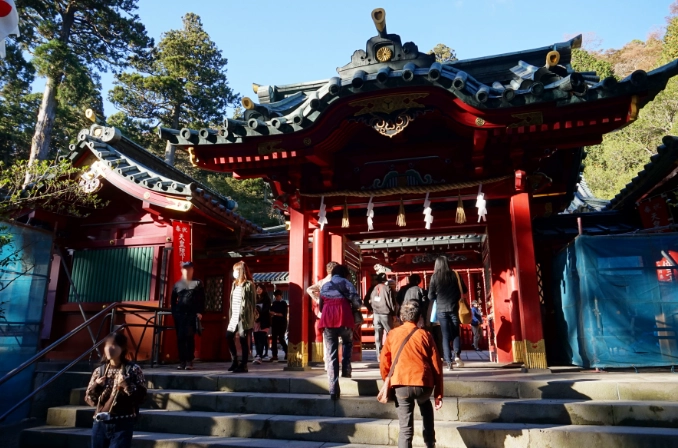
What to Eat (Beyond Black Eggs)
Hakone isn't a global food capital, but it has its specialties tied to the land and water.
- Kaiseki Ryori: If you stay in a ryokan, this is your dinner. A seasonal, multi-course feast that's a work of art. Local fish, mountain vegetables, delicate broths. It's an experience in itself.
- Kuro-tamago (Black Eggs): The must-try novelty at Owakudani. Sold in packs of five. They're just hard-boiled eggs with a black shell, tasting faintly of minerals.
- Hakone Soba: The mountain water is said to make excellent soba noodles. Look for a soba shop for lunch.
- Yosegi-zaiku: Okay, not food. This is the beautiful, intricate parquetry woodcraft Hakone is famous for. Great for souvenirs like puzzle boxes or coasters.
Practical FAQs for Your Hakone Travel Plan
Final Thoughts Before You Go
Hakone travel works when you embrace the pace. It's not about how many sights you cram in. It's about the feeling of steam rising from a river, the warmth of a rock bath under an open sky, the quiet click-clack of the mountain train, and the hope that the clouds will part just enough to give you a glimpse of that famous mountain.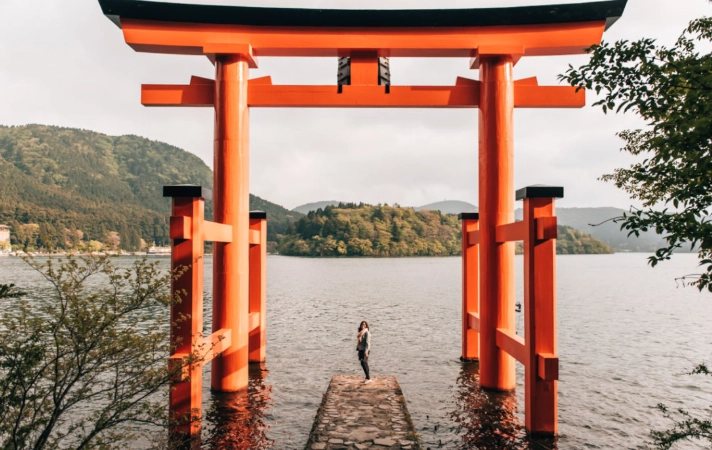
Book your key ryokan well in advance, especially for weekends. Get the Hakone Free Pass. Start your loop early. And most importantly, give yourself permission to just soak it all in—literally and figuratively. Have an amazing trip.

Comments