Mt. Fuji isn't just a mountain—it's a symbol of Japan that draws millions each year. Whether you're planning to climb to the summit or just want to soak in the views, this guide cuts through the noise to give you the real deal. I've spent years exploring the area, and I'll share everything from climbing routes to hidden spots that most tourists miss. Let's dive in.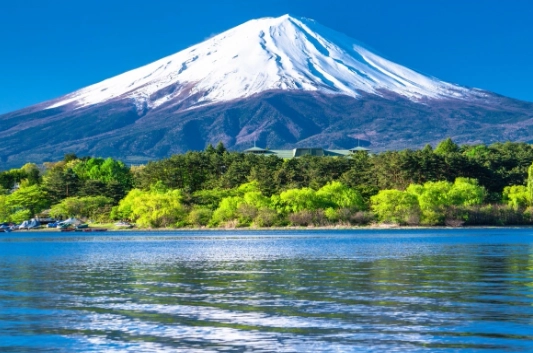
Jump to What Matters
How to Climb Mt. Fuji Successfully
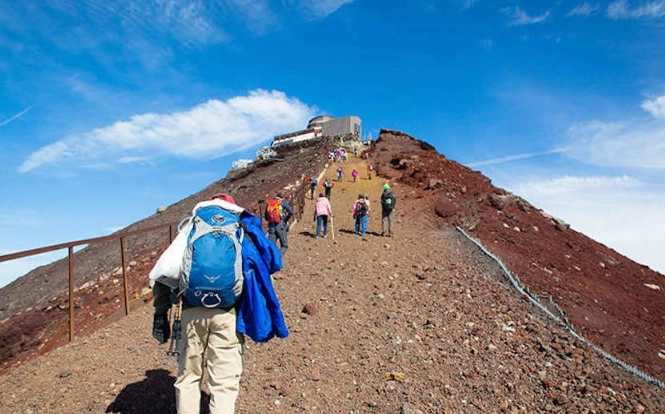
Climbing Mt. Fuji is a bucket-list item, but it's not a walk in the park. The official climbing season runs from early July to mid-September, when the trails are snow-free and mountain huts are open. Outside this window, it's dangerous and often prohibited. I made the mistake of trying in June once—trust me, don't do it.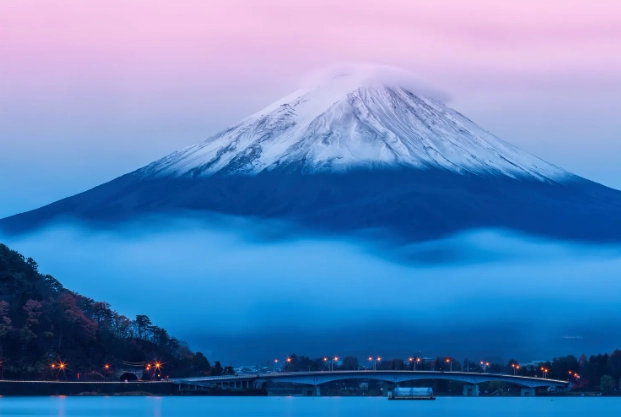
Choosing the Right Climbing Season
Most guides say July is best, but I disagree. July can be rainy and crowded with school groups. August offers clearer skies, but it's peak season—expect queues on the trails. If you can handle the cold, late September is quieter, though some huts may close. Check the Japan National Tourism Organization for updates.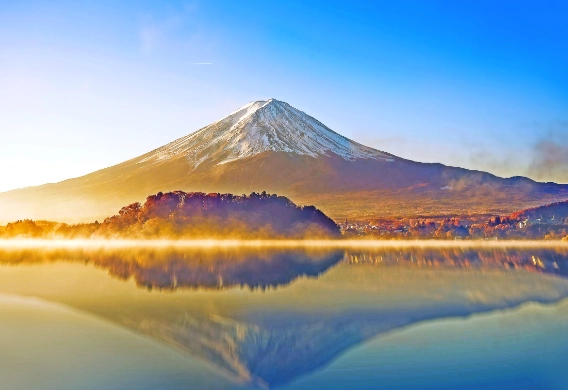
Mt. Fuji Climbing Routes Explained
There are four main routes: Yoshida, Subashiri, Gotemba, and Fujinomiya. Yoshida is the most popular, starting from the Fifth Station at 2,300 meters. It's well-maintained but packed. Subashiri is less crowded and more scenic, but the descent can be dusty. Here's a quick comparison:
| Route | Starting Point | Difficulty | Crowd Level | Notes |
|---|---|---|---|---|
| Yoshida | Fujiyoshida City (Fifth Station) | Moderate | High | Best for beginners, many huts |
| Subashiri | Subashiri Town (Fifth Station) | Moderate | Medium | Scenic, quieter descent |
| Gotemba | Gotemba City (Fifth Station) | Hard | Low | Longest route, less facilities |
| Fujinomiya | Fujinomiya City (Fifth Station) | Moderate-Hard | Medium | Steep, direct to summit |
No entrance fee is required to climb, but you'll pay for transportation and huts. A bus from Tokyo's Shinjuku Station to the Fifth Station costs around 2,700 yen one-way and takes about 2.5 hours. Book in advance during peak season.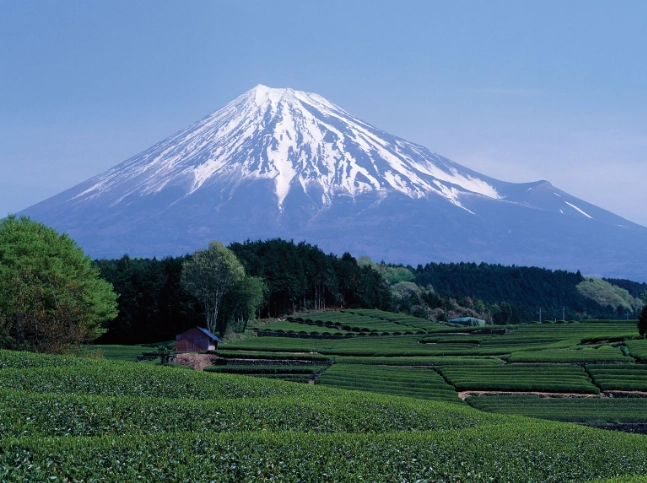
Pro tip: Start your climb in the afternoon, stay overnight at a mountain hut (around 8,000 yen with meals), and summit for sunrise. It beats rushing up in the dark with a headlamp.
I remember my first climb—I underestimated the altitude. Even fit folks can get headaches. Take it slow, drink water, and consider spending a night at the Fifth Station to acclimatize.
Best Places to See Mt. Fuji (Without Climbing)
Not up for the climb? No problem. The Fuji Five Lakes area offers stunning views. Lake Kawaguchiko is the most accessible, with buses from Tokyo. But let me tell you, the classic spots are overrun with tourists. Here are some alternatives.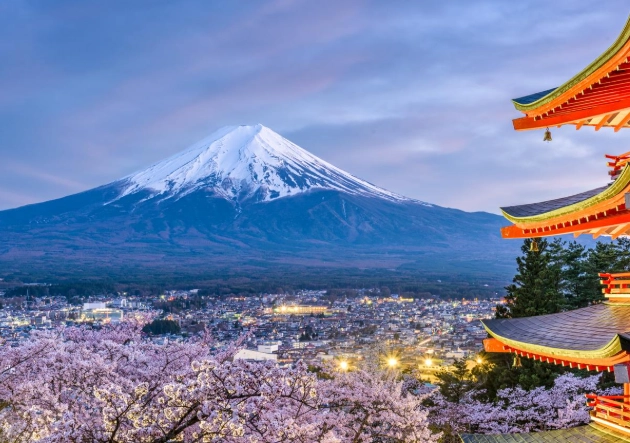
Lake Kawaguchiko: The Classic View
Address: Kawaguchiko, Fujikawaguchiko Town, Minamitsuru District, Yamanashi Prefecture. Best time: Early morning or sunset. The north shore near the music forest museum gives a clear shot. Parking costs 500 yen, but you can walk from the station for free.
Chureito Pagoda: Iconic Photo Spot
Address: 3353-1 Arakura, Fujiyoshida, Yamanashi. It's a 20-minute hike from Shimo-Yoshida Station. The pagoda with Mt. Fuji in the background is postcard-perfect, but go on a weekday to avoid the crowds. No entrance fee, open 24/7.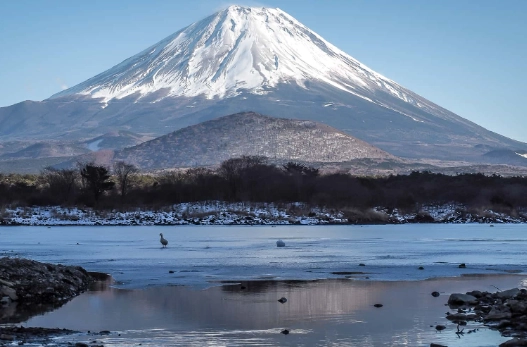
For something different, head to Oshino Hakkai—eight spring ponds with reflection views. Address: Shibokusa, Oshino, Minamitsuru District, Yamanashi. Open 9 AM to 5 PM, entry 300 yen. It's touristy, but the water is crystal clear.
Practical Information for Your Mt. Fuji Trip
Planning is key. Let's break down transportation, accommodation, and costs.
Transportation: From Tokyo, take a JR train to Otsuki (about 1,300 yen), then transfer to the Fujikyuko Line to Kawaguchiko (1,140 yen). Or, book a direct highway bus from Shinjuku—cheaper and faster. Buses run frequently during climbing season; check Japan Highway Bus for schedules.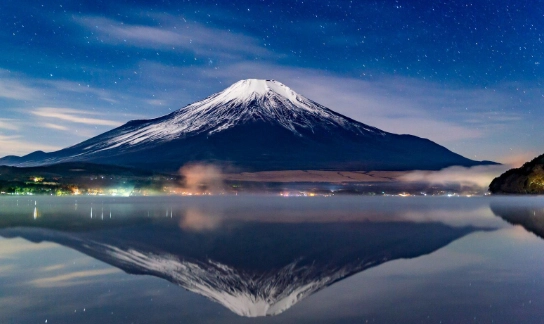
Accommodation: Near the lakes, hotels range from 10,000 to 20,000 yen per night. For budget options, try hostels in Fujiyoshida. I stayed at K's House Mt. Fuji—clean, friendly, and around 3,000 yen for a dorm bed. Book months ahead for July-August.
Costs: A day trip from Tokyo can cost 10,000 yen including transport and food. A two-day climb with hut stay might run 20,000 yen. Bring cash; many places don't accept cards.
Weather is fickle. Check forecasts on the Japan Meteorological Agency site. Even in summer, temperatures at the summit can drop below freezing.
FAQ: Your Mt. Fuji Questions Answered
Mt. Fuji is more than a checklist item—it's an experience that requires respect and preparation. Whether you climb or just gaze, take your time to appreciate it. I've seen too many people rush through and miss the magic. Use this guide, plan ahead, and you'll have a trip to remember.
Comments