Your Quick Guide
Let's be honest. The moment you decide to go to Japan, a wave of excitement hits, followed quickly by a tidal wave of "How on earth do I plan this?" You're not just booking a beach holiday. You're piecing together a puzzle of ancient temples, bullet trains, futuristic cities, intricate etiquette, and a language that looks beautiful but can leave you utterly lost. I've been there. My first trip was a mess of missed connections, cultural faux pas, and a budget that blew up faster than a sumo wrestler's diet. That's why I'm obsessed with the idea of a proper Japan travel planner—not just an app, but a mindset and a process.
This guide is that process. Think of it as your blueprint. We're going to move from the dizzying "I want to go everywhere" phase to a calm, confident "I know exactly what I'm doing and when" state. We'll cover the boring-but-essential stuff like budgets and visas, the fun stuff like building your dream itinerary, and the crucial-in-between stuff that most guides gloss over, like how not to offend people at a shrine or the best way to navigate the Tokyo subway at rush hour.
Why You Absolutely Need a Japan Travel Planner (And What It Really Means)
You might think you can wing it. I thought so too. Big mistake. Japan rewards preparation like few other countries. Peak-season accommodation vanishes months in advance. The famous Ghibli Museum tickets? Gone in minutes online. And showing up at a popular ramen shop without knowing the ordering system is a recipe for hunger and embarrassment.
A Japan travel planner isn't a single thing. It's the combination of research, tools, and a structured approach. It's the difference between seeing Japan and experiencing it smoothly. It's what saves you from standing in the wrong, hour-long line for the Shinkansen (yes, I did that) and puts you on the right train, with a bento box in hand, watching Mount Fuji glide by.
The goal here is immersion, not just transit. A good plan creates space for magic—the spontaneous izakaya find, the quiet temple garden you have all to yourself—by taking care of the logistics upfront.
Your Step-by-Step Japan Travel Planning Framework
Let's break this monster down into digestible chunks. Follow these steps in order, and you'll build a trip that makes sense.
Step 1: Find Your Inspiration & Set Priorities
Japan is too diverse for a one-size-fits-all trip. Are you a history buff drawn to Kyoto's geisha districts and Nara's ancient deer park? A foodie on a mission to hunt down the best sushi in Tsukiji (or Toyosu) and okonomiyaki in Osaka? An anime fan making a pilgrimage to Akihabara? A hiker wanting to conquer Kumano Kodo trails? Be honest with yourself.
Actionable tip: Create a "Must-See" list and a "Nice-to-See" list. Be ruthless. Trying to cram Tokyo, Kyoto, Osaka, Hiroshima, and Hokkaido into 10 days is a classic rookie error—you'll spend more time on trains than in places. For a first trip, focusing on the classic Golden Route (Tokyo, Kyoto, Osaka, with day trips) is perfectly valid and amazing.
Step 2: Nail Down Your Budget (The Realistic Way)
Japan has a reputation for being expensive, but it's more accurate to say it has a wide range. You can spend $500 a night on a ryokan or $80 on a fantastic capsule hotel. The key is knowing where your money goes.
Here’s a rough breakdown for a moderate budget per person, excluding international flights. These are mid-range estimates—you can go lower or much higher.
| Expense Category | Daily Estimate (Moderate) | Notes & Money-Saving Tips |
|---|---|---|
| Accommodation | $80 - $150 | Business hotels, mid-range ryokans. Save with hostels/capsules ($30-$60). Book early! |
| Food & Drink | $40 - $80 | You can eat VERY well here. Lunch set meals (teishoku) are great value. Conbini (convenience store) breakfasts are cheap and tasty. |
| Local Transport | $20 - $40 | This adds up fast. A Japan travel planner must evaluate rail passes. Subway day passes in cities are gold. |
| Attractions & Activities | $15 - $30 | Many temples/shrines have small fees (~$5). Museums cost more. Prioritize paid vs. free sights. |
| Souvenirs & Misc | $10 - $30 | Don't underestimate this! You will want to buy stuff. From kitkats to knives. |
See that transport line? That's your biggest variable. Which brings us to the single most debated topic in any plan a trip to Japan forum...
Step 3: Craft Your Japan Itinerary Planner
This is where your trip takes shape. I use a simple method: a spreadsheet or a dedicated app (we'll get to those). For each day, I map out:
- Base City: Where am I sleeping tonight?
- Morning: 1-2 key activities or areas. (e.g., Asakusa & Senso-ji Temple)
- Lunch: A specific neighborhood or a type of food I want to try there.
- Afternoon: 1-2 more activities, ideally near the morning spots to minimize travel.
- Evening: Dinner area and any night activities (observation decks, izakaya hopping).
- Travel Notes: How am I getting between cities today? What train pass covers it?
Crucial advice: Group activities by geographical area. In Tokyo, don't put Shinjuku in the morning and Asakusa in the afternoon—that's hours of subway time. Cluster. And for heaven's sake, build in downtime. Schedule a free afternoon to wander, get lost, or just recover from sensory overload. Japan is intense.
Step 4: Book Your Essentials Early
In Japan, early bird doesn't just get the worm; it gets the hotel room, the train seat, and the museum ticket. Here’s your booking timeline:
3-4 Months Out (or more):
- Flights: Obvious one. Use fare alert tools.
- Accommodation: Especially for popular ryokans, boutique hotels, or peak season (cherry blossom, autumn leaves). Many places offer free cancellation.
- Special Accommodation: Temple stays (shukubo) on Mount Koya, certain unique ryokans. These sell out.
1-2 Months Out:
- Japan Rail Pass: If you've decided it's worth it (see FAQ below), you MUST purchase the Exchange Order before you arrive in Japan. You then swap it for the actual pass there. The official JR Pass site has all the details and authorized sellers.
- Other Regional Passes: Like the JR East Pass or Hokkaido Rail Pass. Same rule—often cheaper bought overseas.
- Major Attractions: Studio Ghibli Museum tickets (released on the 10th of the month for the following month). TeamLab Planets/Borderless tickets. Sumo tournament tickets if your dates align.
1-2 Weeks Out:
- Reserve seats on specific Shinkansen trains if you have large luggage (requires the oversized luggage seats) or are traveling during a busy holiday.
- Book any special dining experiences (like a high-end kaiseki meal).
Essential Japan Travel Planning Tools & Resources
You can't do this with a notepad anymore. Here are the digital allies you need.
Digital Japan Travel Planner Tools & Apps
Forget one app to rule them all. You need a suite. Here’s my tried-and-tested toolkit:
| Tool/App | Best For | Why It's Indispensable |
|---|---|---|
| Google Maps | Navigation, train times, walking directions. | Its public transport accuracy in Japan is spooky-good. It tells you platform numbers, train names, and even which car to board for easiest exit. Offline maps save you. |
| Google Sheets/Excel or Notion | The master itinerary, budget tracker, packing list. | Total flexibility. I can link to hotel confirmations, embed maps, and share it with travel companions. It's the brain of my Japan itinerary planner. |
| HyperDia (Website/App) or Jorudan | Advanced train planning. | When Google Maps gets fuzzy on the rare local line, these Japanese sites are the authority. They filter by JR Pass validity, which is a killer feature. HyperDia is a lifesaver. |
| Google Translate | Reading menus, signs, labels. | The camera instant-translate function is pure magic. Point it at a restaurant menu or a convenience store item. Not perfect, but gets you 90% there. |
| XE Currency | Quick currency conversions. | When you're holding a 5,000 yen note, is that $35 or $50? This app (with offline mode) stops you from overpaying. |
Navigating Transport: Your Passport to Smooth Travel
Transport is Japan's superpower and its most complex puzzle for visitors. Let's demystify it.
The IC Card (Suica/Pasmo/Icoca): This is non-negotiable. Get one the moment you land at the airport. It's a rechargeable tap-and-go card for almost all subways, buses, and trains in major cities. You can also use it at convenience stores, vending machines, and some restaurants. It eliminates fumbling for change for every single ride. Just tap and go.
The Japan Rail Pass (JR Pass) Conundrum: This is the big one. The pass allows unlimited travel on most JR trains (including Shinkansen) for 7, 14, or 21 consecutive days. The key question: Is it worth it for you? The price increased significantly in late 2023, changing the math for many.
Here’s a quick comparison to help your Japan travel planning decision:
| Scenario | JR Pass Likely WORTH IT | JR Pass Likely NOT WORTH IT |
|---|---|---|
| Your Itinerary | Tokyo -> Kyoto -> Hiroshima -> Tokyo within 7 days. | Just Tokyo and Kyoto with a day trip to Nara. |
| The Math | That round-trip Tokyo-Kyoto Shinkansen alone is ~$260. Add Hiroshima and local JR trains, and you easily surpass the 7-day pass cost (~$335). | One-way Tokyo-Kyoto Shinkansen is ~$130. Local travel likely won't bridge the gap to $335. |
| Better Alternative | -- | Buy individual Shinkansen tickets + an IC Card for local travel. Consider a regional pass like the JR Kansai-Hiroshima Pass if focusing west. |
The absolute best advice? Once you have a draft itinerary, use HyperDia to price out each long-distance JR trip individually. Add them up. Compare the total to the current JR Pass price. It's the only way to know for sure.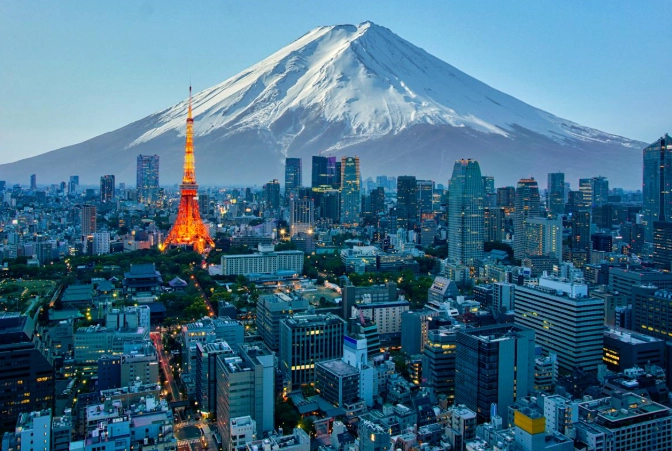
Beyond the Itinerary: Cultural Etiquette & Practical Tips
This is the stuff that transforms you from a tourist to a respectful guest. A good Japan travel planner thinks about this.
Money: Japan is still a cash society in many places, especially outside major cities, at small restaurants, temples, and markets. Always carry yen. ATMs at 7-Eleven (Seven Bank) and Japan Post Offices accept foreign cards reliably. Inform your bank you're traveling.
Pocket WiFi vs. SIM Card: You need data. Renting a pocket WiFi device is great for groups (one device shares data). For solo travelers, a prepaid data SIM (picked up at the airport) is simpler. Both are easy and essential.
The Trash Can Mystery: Public trash cans are rare. You're expected to take your rubbish with you. Carry a small plastic bag in your daypack. Recycle at your hotel or at convenience stores (they have bins for cans, bottles, burnables).
Onsen & Public Baths (Sento): A must-do experience. Rules are strict: wash thoroughly at the shower stations before getting in the bath. No swimsuits. No towels in the water. Tattoos can be problematic at public onsens (many ban them), but tattoo-friendly onsens are increasing, or you can book a private onsen ryokan.
Japan Travel Planner FAQs: Your Burning Questions Answered
It depends entirely on your itinerary, more than ever. For the classic high-speed, cross-country dash (e.g., Tokyo-Kyoto-Hiroshima-Tokyo in 7 days), it can still break even or save a little. For slower travel, or trips focused on one region (just Kansai, just Hokkaido), it's almost certainly not. Do the math with HyperDia. Regional passes (JR East, JR West) are now often better value for focused travel.
Not at all. In major cities and tourist areas, you'll find English signs and menus. However, learning a few key phrases (arigatou gozaimasu - thank you, sumimasen - excuse me/sorry, eigo no menyu arimasu ka? - Do you have an English menu?) is hugely appreciated. A smile and effort go a long way. The language barrier is more of an adventure than a barrier.
This is a classic "it depends."
- Spring (Mar-May): Cherry blossoms (late Mar-early Apr). Magical but crowded and expensive.
- Autumn (Oct-Nov): Stunning fall foliage. Also very popular.
- Summer (Jun-Sep): Hot and humid, but great for festivals (matsuri) and hiking in the north (Hokkaido).
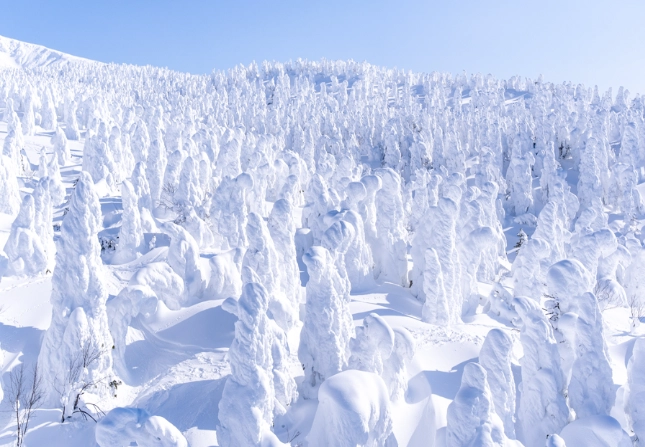
- Winter (Dec-Feb): Cold, but great for skiing, onsens, and seeing places like Shirakawa-go covered in snow. Fewer crowds.
My personal favorite? Late November for autumn colors, or February for fewer crowds and lower prices.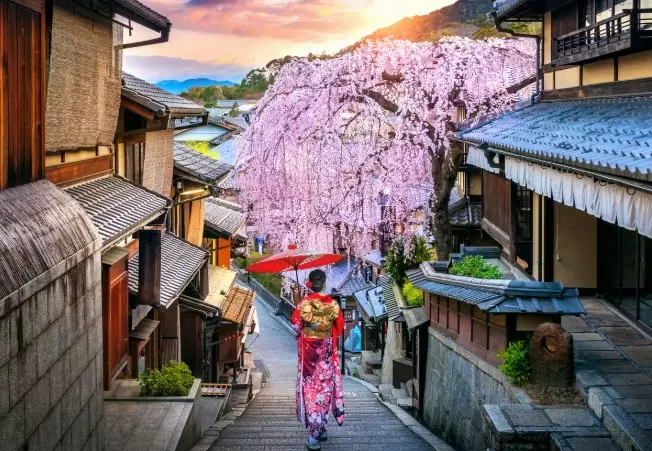
I budget for about 5,000-10,000 yen ($35-$70) in cash per person per day, on top of what I can put on my IC card or credit card. I use credit cards for hotels, department stores, and larger restaurants. Cash is for street food, small shops, temples, and local restaurants. Withdraw 30,000-50,000 yen at a time from a 7-Eleven ATM to minimize fees.
From my own blunders and watching others:
- Overpacking the itinerary. You will get tired. Japan is a lot.
- Not checking if your accommodation is near a train station. A 15-minute walk with luggage in the rain is no joke.
- Assuming everything is open late. Many restaurants close by 9 or 10 PM. Department stores close early (8 PM). Conbinis are your 24/7 saviors.
- Not bringing comfortable shoes. You will walk 10-20,000 steps a day, easily.
- Forgetting to check public holiday calendars. Golden Week (late Apr/early May) and Obon (mid-August) are massive domestic travel periods. Transport and hotels are packed and pricey.
Look, planning a trip to Japan can feel daunting. But that's also part of the fun. The research, the anticipation, the puzzle-solving. When you step off the plane with a solid Japan travel planner in your pocket (and on your phone), you're not just visiting. You're ready to engage, to respect, and to be utterly swept away by one of the most fascinating countries on earth. Start with your priorities, build your framework, use the right tools, and embrace the details. Your perfect trip is waiting.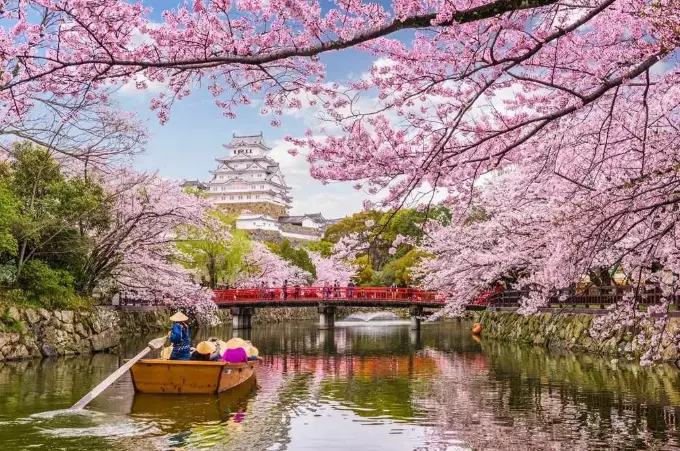



Comments