Quick Guide
- The Olympic Legacy: More Than Just a Sporting Event
- The Natural Wonders: Snow Monkeys, Alps, and Onsen
- Culture and Spirituality: The Soul of Nagano
- The Food and Drink: A Taste of the Mountains
- Practical Guide: Getting There, Around, and Making the Most of It
- Answering Your Questions (The FAQ Section)
You type that question into Google, "What is Nagano Japan known for?" and you probably have a few images in your head already. Maybe you've seen that iconic photo of snow monkeys soaking in a steaming hot spring, looking more relaxed than any human on a Monday morning. Or perhaps you remember the name from the 1998 Winter Olympics. But let me tell you, there's so much more to this place tucked away in the heart of Japan's Alps.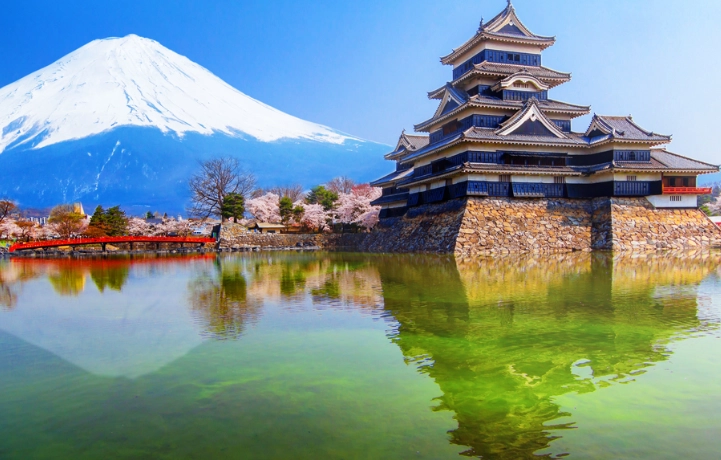
I spent a good chunk of time there a while back, and honestly, my expectations were just about the monkeys and the skiing. I was blown away by what I found. Nagano isn't just a single-activity destination; it's this incredible layered experience of nature, deep history, seriously good food, and a pace of life that feels different from the frantic energy of Tokyo or even the tourist buzz of Kyoto.
This guide is my attempt to answer that question fully. We're going beyond the listicle and into the nitty-gritty of what makes Nagano, Nagano. We'll talk about the must-sees, the hidden gems, the practical stuff like how to get around and when to go, and even tackle some of those questions you might be too hesitant to ask. Think of it as a chat with a friend who's been there and made a few mistakes so you don't have to.
At its core, what is Nagano Japan known for? It's the perfect trinity: Breathtaking alpine nature (those monkeys!), profound cultural and spiritual heritage centered on one of Japan's most important temples, and a world-class winter sports legacy from hosting the Olympics. It's where you go to hike among peaks that look painted, meditate in ancient temples, sip sake made from pristine mountain water, and yes, watch monkeys take a bath.
The Olympic Legacy: More Than Just a Sporting Event
For many around the world, Nagano first popped onto the radar in 1998. Hosting the Winter Olympics was a huge deal, and it fundamentally changed the region's infrastructure and international profile. But the legacy isn't just a faded memory; it's something you can actively experience today.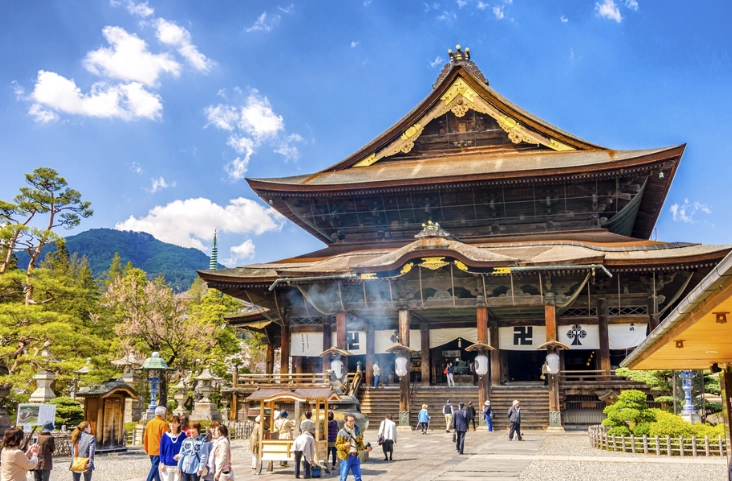
The main venues are still very much in use. M-Wave in Nagano City, the speed skating oval, is a stunning piece of architecture and still hosts events. You can even skate on the same ice where records were broken. Over in Hakuba, the ski jump towers stand as dramatic landmarks against the mountain skyline. Walking around these places, you get a sense of the scale of the event.
But the real impact is on the skiing and snowboarding. The Olympics poured investment into the resorts of Hakuba, Nozawa Onsen, and Shiga Kogen, transforming them into some of the finest in Asia. We're talking about reliable lifts, varied terrain for all levels, and a genuine international vibe, especially in Hakuba. It's not just for pros, though. The facilities made these mountains more accessible to everyone.
So when you're wondering what is Nagano Japan known for, the Olympic connection is a big part of the answer. It provided the global stage, but the region had the raw material—those magnificent Japanese Alps—all along.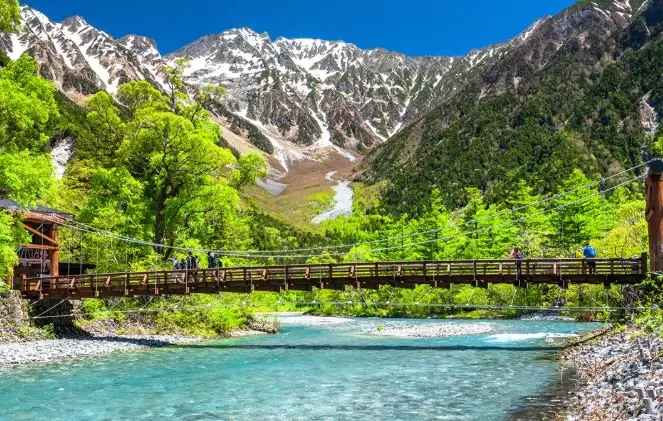
Key Olympic Sites You Can Still Visit
- M-Wave (Nagano City): The iconic speed skating oval. Go for a public skate session—it's a unique experience.
- Hakuba Ski Jump Stadium: Even if you're not jumping, the view from the base is impressive. In summer, it's sometimes used for grass skiing events (yes, really).
- Olympic Museum in Nagano City: A bit dated in its presentation, to be honest, but full of memorabilia and interesting for sports history buffs.
- The Olympic Torch Route: Parts of the route are now popular hiking and cycling paths, connecting you to the scenery in a peaceful way.
The Natural Wonders: Snow Monkeys, Alps, and Onsen
If the Olympics put Nagano on the map, its natural beauty is what makes people stay. This is the heart of the Japanese Alps, a range that deserves every bit of praise it gets. The landscapes are dramatic, pristine, and surprisingly accessible.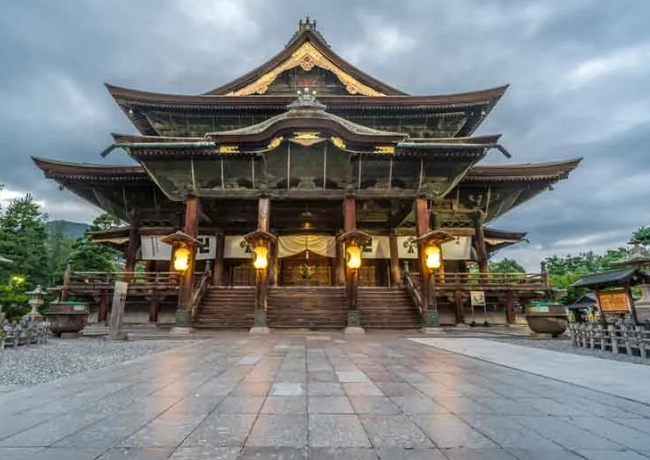
Jigokudani Monkey Park: The Famous Snow Monkeys
Let's address the fluffy elephant in the room. Yes, the Japanese macaques (snow monkeys) of Jigokudani are probably the single most famous image associated with Nagano. And for good reason. Seeing a troop of wild monkeys casually lounging in a natural hot spring while snow falls around them is a surreal and magical sight.
The park is open year-round, and each season offers a different perspective. Winter is classic for the "snow monkey" photo, but watching the monkeys with their newborns in spring or playing in the lush green forest in summer is equally captivating. It's a well-managed park that prioritizes the monkeys' natural behavior, which I really appreciated.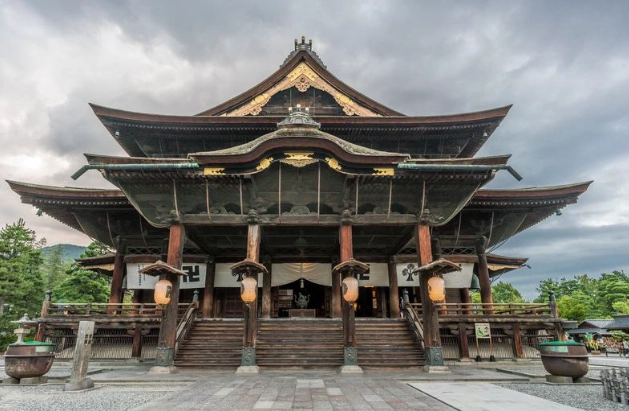
The Japanese Alps and Kamikochi
While the monkeys get the fame, the true star of Nagano is the mountain scenery. The Northern, Central, and Southern Alps cut through the prefecture, offering some of Japan's best hiking, views, and alpine flora.
Kamikochi is the crown jewel for many hikers and nature lovers. This highland valley, often called the "Japanese Yosemite," is a protected part of the Chubu Sangaku National Park. It's closed to private vehicles, so you arrive by bus or taxi, which immediately makes it feel peaceful. A flat, easy walking path follows the crystal-clear Azusa River, with the towering peaks of the Hotaka Mountains as a backdrop. You can do a gentle hour-long stroll or use it as a gateway to serious multi-day mountain climbs.
The Onsen (Hot Spring) Culture
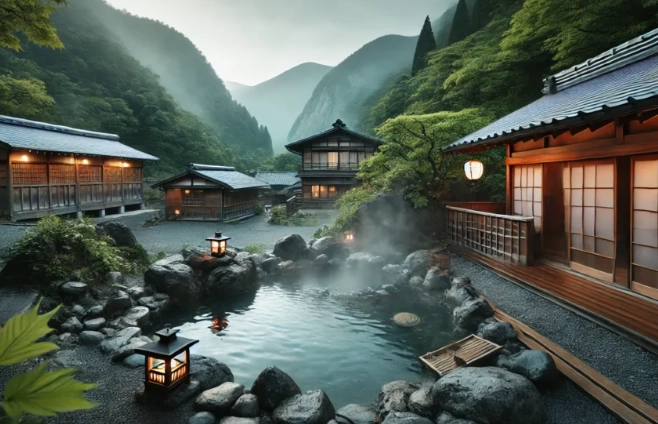
All that volcanic activity that created the Alps also blessed Nagano with an abundance of natural hot springs. Onsen towns are woven into the fabric of the prefecture. They're not just fancy hotel amenities; they're social hubs and a way of life.
- Nozawa Onsen: This is my personal favorite. The town feels like a living museum, with 13 public, free "soto-yu" bathhouses scattered around the community, each with its own character and temperature. Locals use them daily. After a day on the slopes, there's nothing better than doing a "meguri" (bathhouse crawl).
- Shima Onsen: Known for its historic ryokans (traditional inns) and a reputation for healing waters.
- Backcountry Onsen: For the adventurous, there are hidden, undeveloped hot springs tucked into the mountains. These require research, proper hiking, and an understanding of onsen etiquette (and often, a tolerance for mixed-gender bathing).
So, what is Nagano Japan known for in the realm of nature? It's the unforgettable combination of unique wildlife, majestic alpine landscapes accessible to all levels of explorers, and a deeply ingrained hot spring culture that invites you to slow down and soak it all in, literally.
Culture and Spirituality: The Soul of Nagano
Beyond the postcard views, Nagano has a spiritual and historical depth that can catch you off guard. This is old Japan, with roots stretching back over a thousand years.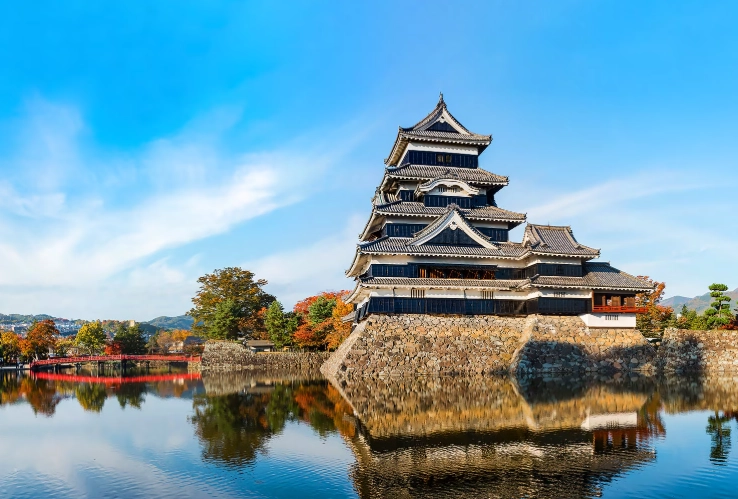
Zenko-ji Temple: The Heartbeat of Nagano City
You can't talk about Nagano without talking about Zenko-ji. This temple, founded in the 7th century, is one of the most important and popular Buddhist pilgrimage sites in all of Japan. What makes it special is its unique doctrine of "absolute welcome"—it belongs to no single Buddhist sect and welcomes everyone, regardless of faith or gender. The main hall is a massive, imposing wooden structure that exudes centuries of devotion.
The main object of worship is a hidden Buddha statue, a "hibutsu," which is never shown to the public. Replicating this is the "Key to Paradise." In the pitch-dark basement beneath the main altar, visitors can try to find this metal key on the wall. Touching it in the darkness is said to grant enlightenment. It's a simple but incredibly powerful experience—groping along a wall in complete darkness, hearing the whispers of other pilgrims around you. It feels ancient and personal.
The temple approach, Nakamise-dori, is a lovely street lined with old wooden shops selling pickles, souvenirs, and sweet treats. It's lively but has a different, more reverent feel than the commercial streets leading to some other major temples.
Matsumoto Castle: The Crowning Architectural Jewel
While not in Nagano City, Matsumoto Castle (also known as "Crow Castle" for its black exterior) is a must-visit and a stunning contrast to Zenko-ji's spiritual aura. It's one of Japan's few original castles (most are concrete reconstructions), dating back to the late 16th century.
Climbing up its steep, original wooden staircases to the top floor is a workout, but the view over Matsumoto city to the Alps is worth every step. The interior is a fascinating museum of samurai history and castle architecture. The setting, surrounded by a moat with swans, is picture-perfect, especially during cherry blossom season.
Other Cultural Gems
- The Nakasendo Trail: Parts of this historic post road, which connected Edo (Tokyo) to Kyoto, run through Nagano. Walking the preserved sections, like the Tsumago to Magome pass, is like stepping into a woodblock print. You pass through quiet villages with traditional houses, stone paths, and forests.
- Local Crafts: Regions like Kiso are famous for exquisite woodworking (Kiso lacquerware), while others produce fine silk and textiles.
- Festivals: Nagano's festivals are energetic and deeply local. The Nozawa Onsen Dosojin Fire Festival in January is famously chaotic and exciting, involving a massive bonfire and brave (or crazy) 42-year-old men.
When pondering what is Nagano Japan known for culturally, it's this profound blend of accessible spirituality, pristine historical architecture, and living traditions that aren't just performed for tourists.
The Food and Drink: A Taste of the Mountains
You can't have a complete picture of a place without talking about what's on the plate. Nagano's cuisine is hearty, fresh, and shaped by its mountainous, landlocked geography.
Must-Try Nagano Specialties
| Food/Drink | What It Is | Why It's Special in Nagano |
|---|---|---|
| Shinshu Soba | Buckwheat noodles | Nagano is one of Japan's top buckwheat producers. The noodles are fragrant, nutty, and have a great texture. Eat them cold (zaru soba) with a dipping sauce or in a hot broth. |
| Oyaki | Steamed or grilled dumplings | A rustic snack made from fermented buckwheat or wheat dough, stuffed with seasonal fillings like nozawana (pickled greens), pumpkin, or sweet red bean paste. Perfect on-the-go food. |
| Shinshu Salmon (or Masu) | Freshwater trout/char | Once nearly extinct, this local salmon is now a sustainable delicacy. It's often served as sashimi, grilled with salt (shioyaki), or in a rice bowl. |
| Nozawana | Pickled leafy green | A signature pickle from Nozawa Onsen. It's tangy, slightly spicy, and served with almost every meal. You'll see fields of it drying in the winter sun. |
| Shinshu Apples | Apples | Nagano produces some of Japan's finest apples. They're incredibly crisp, sweet, and juicy. Try fresh apple juice, cider, or even apple-based desserts. |
| Local Sake | Rice wine | The cold, clean water and high-quality rice result in elegant, crisp, and refined sake. Breweries like Masuichi and Obuse Winery (which also makes wine!) are worth visiting. |
My personal food highlight? Sitting in a tiny, family-run soba shop in the mountains, watching the owner hand-cut the noodles, and then eating a simple bowl of zaru soba. The flavor was so clean and direct. It was a world away from the soba you get in big cities.
Practical Guide: Getting There, Around, and Making the Most of It
Alright, so you're sold on what Nagano Japan is known for. Now, how do you actually do it? Here’s the real-world, no-fluff advice.
Getting to Nagano
The bullet train (Shinkansen) is your best friend. The Hokuriku Shinkansen gets you from Tokyo Station to Nagano City in about 80-100 minutes. It's fast, comfortable, and the views of the mountains as you approach are fantastic. You can use your Japan Rail Pass on this line. For areas like Hakuba or Matsumoto, you'll often take the Shinkansen to Nagano City or another station and then transfer to a local train or bus.
For a deep dive into train schedules and passes, the official JR East website is the most reliable source.
Getting Around Nagano
This is the tricky part. While trains connect major hubs (Nagano City, Matsumoto), many of the best places—the monkey park, ski resorts, Kamikochi—require a bus or car.
- Buses: Extensive but schedules can be infrequent, especially outside peak seasons. Plan your day carefully. The Alpico Group runs many key routes.
- Rental Car: Offers maximum freedom, especially for exploring multiple mountain areas or visiting onsen towns off the train line. Just be prepared for mountain driving, potential winter tire requirements, and sometimes narrow roads.
- Taxis & Tours: For specific day trips (like to the monkey park from Nagano Station), shared taxis or organized tours can be a stress-free, though pricier, option.
Best Time to Visit
Nagano is a true four-season destination, but your experience depends entirely on what you want to do.
- Winter (Dec-Mar): For skiing, snowboarding, snow monkeys in their prime, and winter festivals. It's cold and snowy, but magical.
- Spring (Apr-May): Cherry blossoms (later than Tokyo), fresh greenery, and comfortable hiking weather. Kamikochi opens.
- Summer (Jun-Aug): Excellent for high-altitude hiking in Kamikochi and the Alps to escape the lowland heat. Lush and green.
- Autumn (Sep-Nov): Arguably the most beautiful season. The autumn colors (koyo) in the mountains are spectacular, especially in October. Weather is crisp and perfect for hiking.
Answering Your Questions (The FAQ Section)
Is Nagano worth visiting if I don't ski?
Absolutely, 100%. In fact, I'd argue summer and autumn might be even better for non-skiers. The hiking, temple visits, onsen hopping, food exploration, and cultural walks (like the Nakasendo) are all world-class activities. The scenery is arguably more accessible when it's not covered in deep snow.
How many days do I need in Nagano?
A minimum of 3 full days to get a taste. With 5-7 days, you can comfortably explore two distinct areas (e.g., Nagano City/Monkey Park and Hakuba, or Matsumoto and Kamikochi) without feeling rushed. It's not a place to rush.
Is it family-friendly?
Yes, but with planning. Kids love the snow monkeys and easy walks like in Kamikochi. Ski resorts have beginner slopes and lessons. The challenge is transportation—buses with strollers or tired kids can be tough. Consider a rental car or bases where you can walk to most attractions (like Nozawa Onsen village).
What's the budget like?
It varies. You can stay in budget-friendly guesthouses or business hotels, eat at local soba shops and convenience stores (which are excellent in Japan), and use public transport passes. Or, you can splurge on a luxury ryokan with kaiseki meals and private onsen. It's generally slightly cheaper than Tokyo or Kyoto, except in peak ski season when popular resort hotels can be pricey.
Can I do it as a day trip from Tokyo?
Technically, yes. The Shinkansen gets you to Nagano City quickly. But it would be a very long, rushed day to see anything meaningful. You could maybe see Zenko-ji and the castle in Matsumoto on a hyper-organized tour, but you'd miss the essence of the place. To truly understand what Nagano Japan is known for, you need to spend at least a night, preferably more, to slow down to its rhythm.
So, there you have it. A deep dive into what makes this place tick. What is Nagano Japan known for? It's not just one thing. It's the feeling of awe in the alpine air, the quiet reverence in a ancient temple's darkened basement, the warmth of a hot spring after a day in the snow, the simple perfection of a bowl of handmade soba, and the unforgettable sight of a monkey doing what we all wish we could do—relaxing completely in nature's spa.
It's a destination that rewards curiosity and a slower pace. It asks you to look beyond the first famous image and discover the layers underneath. Whether you come for the winter sports, the summer hikes, the history, or just those famous bathing monkeys, Nagano has a way of surprising you and leaving a mark that's deeper than just a checked box on a travel list. It's a place you experience, not just visit.



Comments