Let's be honest. Planning a Japan itinerary feels overwhelming. You've got Tokyo's neon buzz, Kyoto's serene temples, Osaka's food paradise, and a bullet train network that's both a blessing and a puzzle. Where do you even start? I've been traveling to Japan for over a decade, and I still see first-timers making the same classic mistakes—trying to cram too much into one day, misunderstanding the rail passes, or missing out on local food spots because they're glued to a generic guidebook. This guide is different. It's built from the ground up to be your practical, no-nonsense playbook for crafting a Japan trip that flows smoothly, fits your budget, and delivers those "wow" moments you're dreaming of. We'll dive straight into a sample 7-day plan you can adapt, then unpack all the logistics you need to make it happen.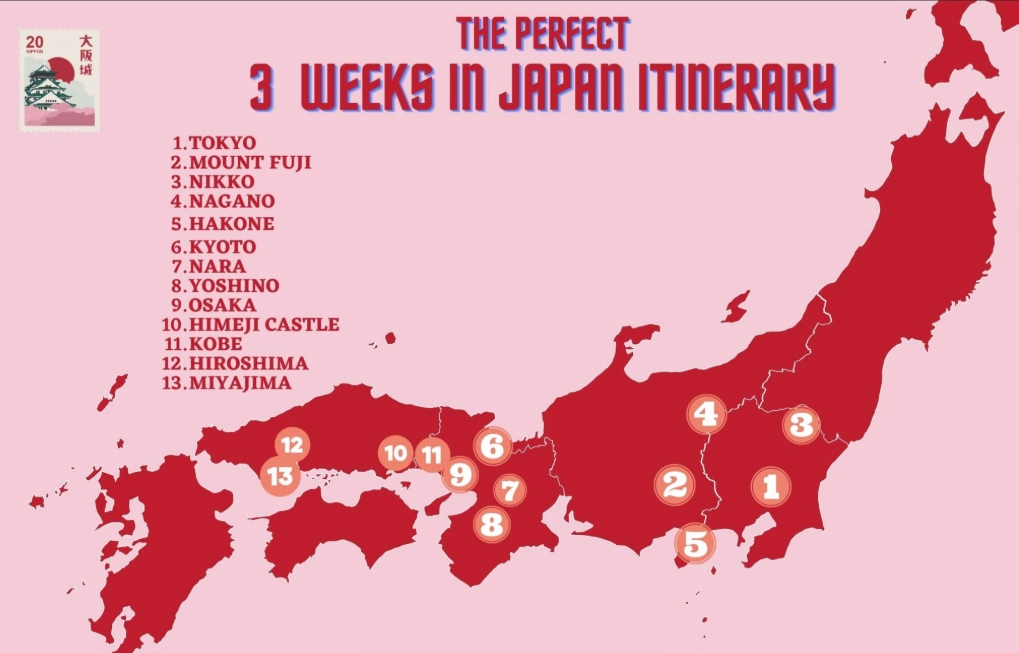
Your Quick Navigation
- Why You Absolutely Need a Japan Itinerary
- The Classic 7-Day Japan Itinerary: Tokyo, Kyoto, Osaka
- Navigating Japan: Your Transport Guide Made Simple
- Where to Stay: Picking the Right Base
- The Food Lover's Guide: What & Where to Eat
- Realistic Budget Planning for Japan
- Your Japan Travel Questions, Answered
Why You Absolutely Need a Japan Itinerary
Japan rewards the prepared traveler. Unlike some destinations where you can wing it, key things here require advance planning. Popular museums, studio tours, and even some restaurants operate on timed-entry ticket systems that sell out weeks ahead. Accommodation in prime areas, especially during cherry blossom or autumn leaf season, gets booked months in advance. More importantly, a logical itinerary saves you hours of backtracking and wasted transit time. Think of your itinerary not as a rigid schedule, but as a strategic framework. It ensures you see the highlights of each city in a sensible geographic order, leaving room for spontaneous discoveries along the way.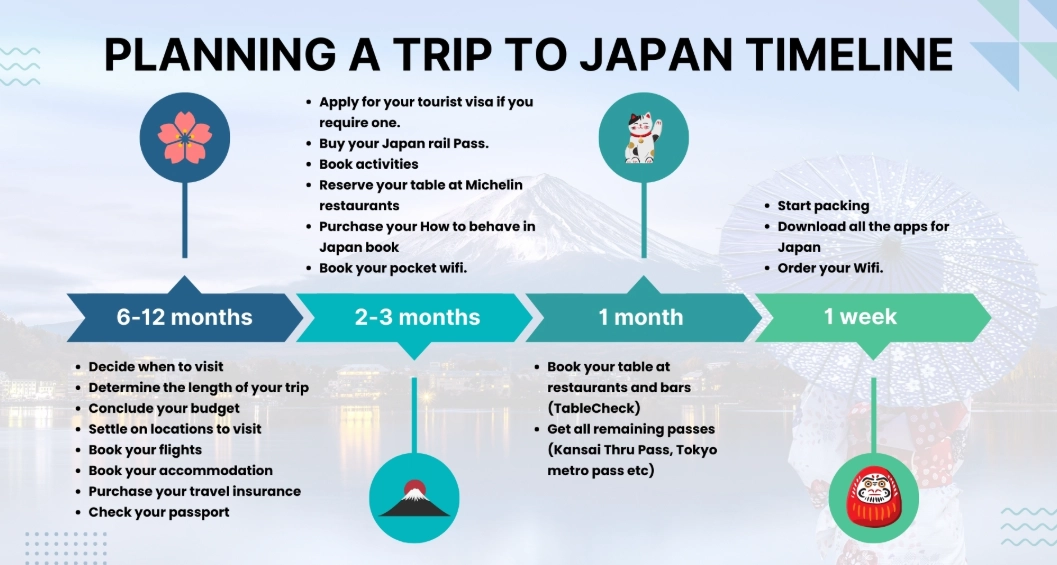
The Classic 7-Day Japan Itinerary: Tokyo, Kyoto, Osaka
This one-week loop is the gold standard for first-time visitors. It balances modern energy, traditional culture, and culinary delights. Here’s a day-by-day breakdown you can use as your template.
Days 1-3: Tokyo – The Electric Metropolis
Day 1: Arrival & Shinjuku. Land at Narita (NRT) or Haneda (HND). Take the Narita Express (N'EX) or Keikyu Line to your hotel. Don't plan anything major. After checking in, head to Shinjuku. See the chaotic energy of the scramble crossing, then go up the Tokyo Metropolitan Government Building (observatory open 9:30 AM - 11:00 PM, free) for a panoramic view. For dinner, explore the tiny izakaya alleys of Omoide Yokocho.
Day 2: Asakusa & Modern Tokyo. Morning at Senso-ji Temple (Asakusa). Get there by 8:30 AM to beat the crowds. Walk down Nakamise-dori for snacks. Afternoon, cross the river to the futuristic teamLab Planets TOKYO in Toyosu (book tickets online at least a month in advance). Evening in upscale Ginza or the anime hub of Akihabara.
Day 3: Harajuku, Shibuya & a Choice. Morning in Harajuku: walk through Takeshita Street, then find peace in the adjacent Meiji Jingu shrine. Afternoon in Shibuya (the crossing, Hachiko statue). Now, choose your adventure: Art fans head to the Mori Art Museum in Roppongi. Shoppers explore Omotesando. Ghibli lovers (with pre-booked tickets) venture out to the Ghibli Museum in Mitaka.
Day 4: Travel to Kyoto via Bullet Train
Check out, take a taxi or train to Tokyo Station. Experience the Shinkansen (bullet train) to Kyoto (about 2 hours 15 minutes). The right-side window offers a view of Mount Fuji on clear days. In Kyoto, check into your hotel (stations like Kyoto or Gion are ideal). Spend the afternoon in the Gion district. Wander the preserved streets like Hanami-koji and keep an eye out for geiko (the local term for geisha) in the evening.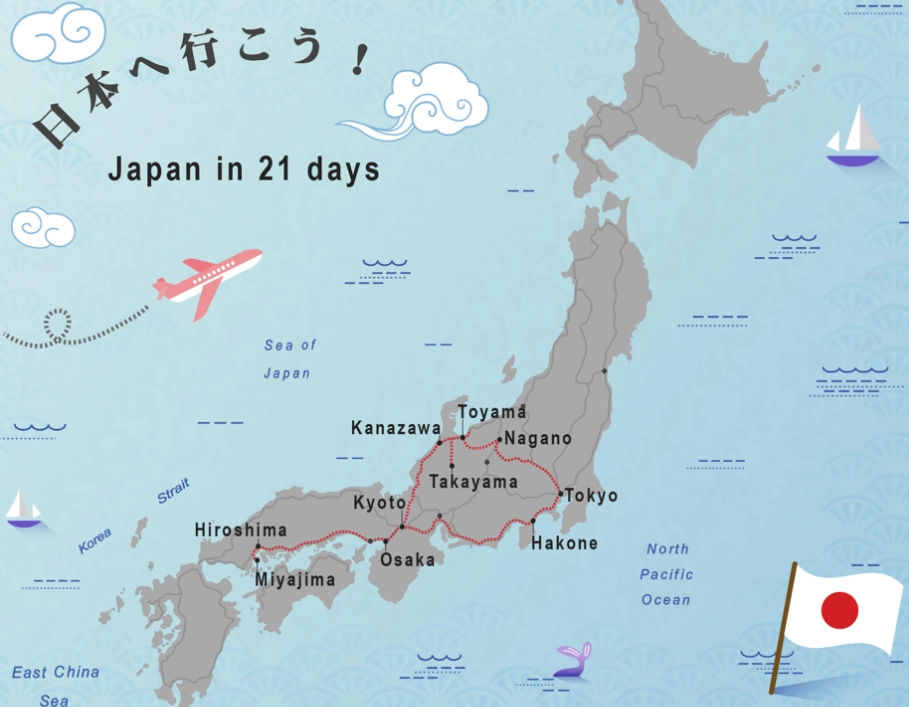
Day 5: Kyoto's Iconic Temples
This is a big walking day. Start early at Fushimi Inari Taisha (open 24 hours, free). Go as early as you can—7 AM is good—to hike through the iconic red torii gates before the crowds descend. Afterward, take a train to Arashiyama. See the bamboo grove (gets crowded, go quickly), then visit the beautiful Tenryu-ji Temple (opens at 8:30 AM, 500 yen garden fee). Finish at the scenic Togetsukyo Bridge. Most people are exhausted by now. Call it a day.
Day 6: Day Trip to Osaka
Kyoto to Osaka is only a 15-30 minute train ride. Make Dotonbori your first stop. This is Japan's kitchen. See the Glico Running Man sign, then eat your heart out: takoyaki from Kukuru, okonomiyaki from Mizuno, and fresh crab legs from Kani Doraku. Afterward, visit Osaka Castle (9 AM - 5 PM, 600 yen) or get a city view from the Umeda Sky Building. Return to Kyoto to sleep.
Day 7: Final Morning in Kyoto & Departure
Visit one last serene spot. I recommend Kinkaku-ji (the Golden Pavilion, 9 AM - 5 PM, 400 yen) or the rock garden at Ryoan-ji. Then, head to Kansai International Airport (KIX) from Kyoto Station via the direct Haruka express train (about 75 minutes).
Navigating Japan: Your Transport Guide Made Simple
The Japan Rail Pass (JR Pass) is the biggest puzzle. It's not always the money-saver it's touted to be. For this 7-day Tokyo-Kyoto-Osaka itinerary, do the math. A 7-day ordinary JR Pass costs about 50,000 yen. A one-way Shinkansen ticket from Tokyo to Kyoto is around 13,000 yen. The round-trip is 26,000 yen. You'll use local JR trains too, but likely not enough to bridge the 24,000 yen gap. For this specific trip, buying individual tickets might be cheaper. The pass becomes valuable if you add long side trips, like to Hiroshima.
In cities, get a rechargeable IC card (Suica or Pasmo) immediately. Tap on and off all subways, buses, and convenience stores. For Kyoto's buses (the main way to get around), a one-day bus pass (700 yen) is great if you take 3+ rides.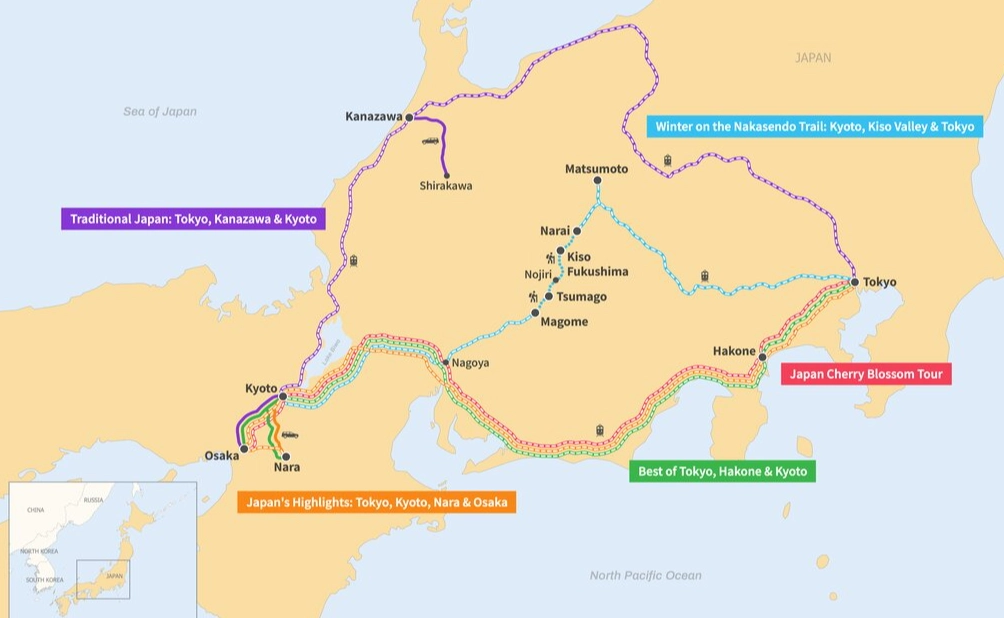
Where to Stay: Picking the Right Base
Location is everything. Here’s a quick comparison to help you decide.
| City | Recommended Area | Why It Works | Sample Hotel & Price/Night* |
|---|---|---|---|
| Tokyo | Shinjuku or Tokyo Station | Major transport hubs. Shinjuku has nightlife; Tokyo Station is best for early Shinkansen departures. | Hotel Gracery Shinjuku (mid-range, ~$150) or Mitsui Garden Hotel Kyobashi (great value, ~$120). |
| Kyoto | Near Kyoto Station or Gion | Station area is ultra-convenient for trains/buses. Gion is atmospheric and walkable to historic sites. | Hotel Vischio Kyoto (by station, ~$130) or Gion Hotel Sano (in Gion, ~$180). |
| Osaka | Namba or Umeda | Namba is right in the Dotonbori food action. Umeda is a business hub with great department stores. | Hotel The Flag Shinsaibashi (near Namba, ~$110) or Hilton Osaka (Umeda, ~$200). |
*Prices are approximate for a standard double room, excluding peak season.
The Food Lover's Guide: What & Where to Eat
Beyond sushi and ramen, Japan's regional specialties are a journey in themselves. Don't just eat in department store food halls—venture into small, local spots.
In Tokyo: For top-tier sushi without a Michelin-star price tag, try Sushi Dai in Toyosu Market (expect a long queue, go at 5 AM or book a tour). A fantastic ramen option is Ichiran (multiple locations), famous for its solo dining booths and rich tonkotsu broth (around 1,000 yen). For a unique experience, visit a yakitori (grilled chicken skewers) alley in Shinjuku's Omoide Yokocho.
In Kyoto: You must try kaiseki (multi-course haute cuisine). It's expensive (from 10,000 yen per person), but Kikunoi (address: 459 Shimokawara-cho, Higashiyama-ku) offers an authentic experience. For a more affordable taste of Kyoto, have yudofu (tofu hot pot) at one of the temples in Nanzen-ji area. Their set menus run 2,500-4,000 yen.
In Osaka: This is street food heaven. In Dotonbori: Takoyaki (octopus balls) from stands like Kukuru, Okonomiyaki (savory pancake) at Mizuno (1-4-15 Dotonbori, Chuo-ku), and Kushikatsu (deep-fried skewers) at Daruma (multiple shops). Remember the rule at kushikatsu places: no double-dipping your skewer in the shared sauce!
Realistic Budget Planning for Japan
Japan isn't as expensive as its reputation, but costs can spiral without a plan. Here’s a daily breakdown for a mid-range traveler (per person):
- Accommodation: $100 - $150 for a clean, central business hotel.
- Food: $40 - $70. Breakfast from a convenience store (7-Elenen's egg salad sandwich is legendary), a mid-range lunch, and a nice dinner.
- Transport (local): $10 - $15 for city subways/buses using an IC card.
- Sightseeing & Souvenirs: $20 - $40. Many temples/gardens cost 300-800 yen entry.
For a 7-day trip excluding international flights, budget a minimum of $1,200 - $1,800 per person. The single biggest saver? Choosing business hotels over international chains and eating one meal a day from department store basements (depachika) or quality convenience stores.
Your Japan Travel Questions, Answered
 What's one common mistake first-timers make with their Japan itinerary?
 Your Japan trip is more than a vacation; it's an experience that stays with you. With this itinerary as your foundation and these practical tips in your pocket, you're set up for a smooth, deep, and unforgettable journey. Start checking those hotel and attraction booking dates—your adventure awaits.



Comments