Let's be honest. When you think of Kyoto food, you probably picture perfect sushi, maybe a fancy multi-course kaiseki dinner. That's part of it, sure. But after a decade of eating my way through this city's backstreets, I can tell you the real magic happens in the places most guidebooks gloss over. The sizzle of a street-side taiyaki grill, the profound silence of a 400-year-old tofu house, the unexpected joy of finding the best curry bread in a train station basement. This isn't just about fuel. It's a direct line into Kyoto's soul—part ritual, part art, entirely delicious.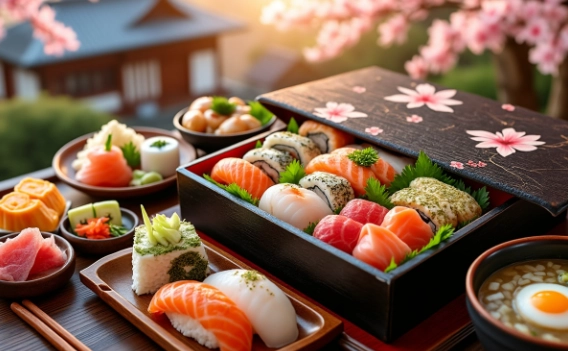
Your Kyoto Food Journey Starts Here
How to Find Authentic Kyoto Restaurants (And Avoid Tourist Traps)
The biggest mistake first-timers make is clustering around Gion, Pontocho, or Nishiki Market's main drag. The food there can be good, but it's often priced for visitors and loses the neighborhood feel. To eat like a local, you need a simple shift in strategy.
Walk five minutes in any direction from a major sight. The density of excellent, family-run spots skyrockets once you leave the postcard zone. Look for places with:
- Handwritten menus pasted on the window, only in Japanese.
- A noren (split curtain) at the door and maybe a few salarymen smoking outside.
- Plastic food models that look a little faded—it means they've been there a while.
My personal rule? If the menu has an English section with photos bigger than my hand, I keep walking. The gems don't need that.
Pro Tip: Use Google Maps' street view to "walk" a neighborhood like Demachiyanagi or near Kitano Tenmangu before you go. Spot promising shops. Then, search for their name plus "食べログ" (Tabelog, Japan's premier restaurant review site). A Tabelog score above 3.5 is excellent; above 3.7 is destination-worthy. Ignore Google reviews for high-end places—they're not the primary audience.
Kyoto Dishes You Can't Miss (And Where to Start)
Forget generic "Japanese food." Kyoto has its own culinary identity, shaped by its inland location and imperial history. You need to try these.
Kaiseki: The Ultimate Culinary Symphony
It's not just a fancy dinner. It's a seasonal story told in 8-12 small courses. People get intimidated by the price (¥15,000-¥50,000 per person) and formality. Here's the secret: book a lunch kaiseki. You'll experience the same precision, artistry, and core dishes for a third to half the price. Places like Kikunoi Roan offer brilliant lunch sets. Don't just eat it; notice the pottery, the leaf garnish that hints at the month, the way the soup's temperature is perfect. It's a meditation.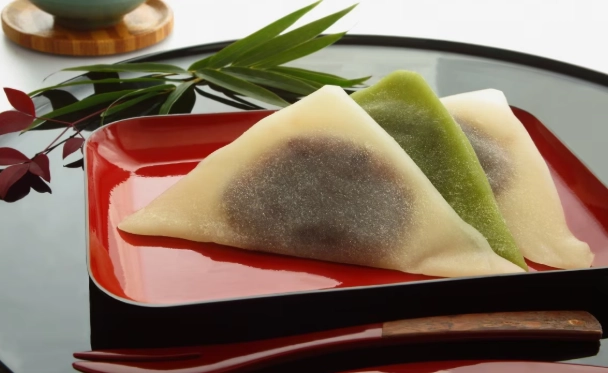
Yudofu: Kyoto's Humble Masterpiece
Simmered tofu in a delicate kelp broth. Sounds simple. In Kyoto, it's transcendent. The city's soft, mineral-rich water makes tofu silkier than anywhere else. The best spots are in the temple districts of Nanzen-ji and Okazaki. You sit in a quiet tatami room, cook morsels of tofu in a personal pot, and dip them in ponzu or a sesame sauce. It's the ultimate comfort food that makes you slow down. A common tourist error is dousing it in soy sauce—you'll obliterate the subtle, sweet flavor of the beans and water.
Obanzai: Kyoto's Home Cooking
This is what locals actually eat daily. Small, seasonal vegetable and fish dishes, often simmered, steamed, or pickled. Look for small obanzai-ya shops with a glass case full of colorful dishes. You point, they plate. It's affordable, healthy, and the fastest way to taste a dozen different Kyoto flavors in one meal. The area around Daimaru Department Store's basement (depachika) is a great, accessible starting point to see this tradition in its perfected, takeaway form.
A Deep Dive into 3 Essential Kyoto Restaurants
Here are three places that, for me, define different pillars of the Kyoto food experience. I've included the practical details you need to actually go.
1. Hyotei (瓢亭)
Address: 35 Kusakawacho, Nanzenji, Sakyo Ward. Nearest Station: Keage Station (Subway Tozai Line).
The Deal: This isn't just a restaurant. It's a 400-year-old institution, originally a tea house for Nanzenji Temple visitors. It holds three Michelin stars, but forget stuffiness. The main draw is their legendary breakfast kaiseki, a tradition for centuries. You get grilled fish, rice, tofu, and their signature soft-boiled egg that's almost custard-like, all served in a serene garden setting.
Price & Booking: Breakfast starts around ¥8,000. Dinner kaiseki is ¥40,000+. You must book months in advance, ideally through your hotel concierge. Lunch is slightly easier. Is it worth it? For a once-in-a-lifetime immersion into history and understated perfection, absolutely.
2. Okutan (奥丹) - Nanzenji Branch
Address: 86-30 Nanzenji Fukuchicho, Sakyo Ward. Nearest Station: Keage Station.
The Deal: The definitive yudofu experience since 1635. You dine in a stunning wooden hall overlooking the moss garden of Nanzenji's sub-temple. The set menu is tofu, tofu, and more tofu: silken yudofu, crispy agedashi tofu, tofu skin (yuba), all showcasing different textures. It's vegan-friendly (shojin ryori style) and incredibly peaceful.
Price & Hours: Sets are ¥4,000-¥5,500. Open 11:00-16:30 (last order). They do not take reservations and queues can be long, especially for garden-side seats. Go right at opening on a weekday.
3. Unagi Hirokawa (うなぎ 廣川) - Arashiyama
Address: 44-1 Sagatenryuji Susukinobabacho, Ukyo Ward. Nearest Station: Arashiyama Station (Randen line).
The Deal: Forget the overhyped, tourist-packed places. Hirokawa is where Kyoto locals go for unagi (eel). It's a small, unassuming place that sources live eels and cooks them over special binchotan charcoal. The result is a crispy exterior, meltingly tender interior, and zero muddy aftertaste. Their unaju (eel over rice in a lacquer box) is flawless.
Price & Booking: Sets from ¥3,500 to ¥7,000. They operate a same-day ticket system. You go in the morning, get a numbered ticket with a designated return time (often for late lunch/early dinner). No advance reservations. It's a hassle, but it's the best eel in the city.
Smart Budgeting for Kyoto Food: A Realistic Plan
Let's get practical. Kyoto can be expensive, but you don't need to eat conbini (convenience store) food every meal to survive. Here’s a balanced daily strategy for a mid-range traveler seeking quality.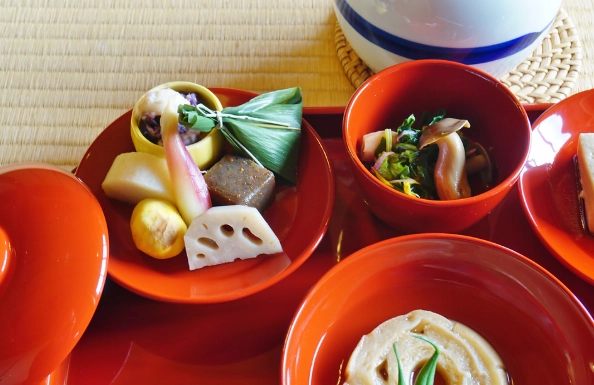
The Splurge & Save Method: Designate one meal as your investment. If it's a ¥7,000 kaiseki lunch, then go casual for dinner—a fantastic bowl of ramen at Ramen Muraji (their chicken-based tori-paitan is incredible) for ¥1,200. Or, have a simple obanzai dinner and splurge on a high-end sushi lunch. Mixing tiers keeps the budget in check and the palate excited.
Don't underestimate department store basements (depachika). Takashimaya or Daimaru's food halls are culinary wonderlands. You can assemble a breathtaking picnic of sushi, pickles, wagashi (sweets), and grilled skewers for under ¥2,500 per person. Eat it in the nearby Imperial Palace Park.
Navigating Kyoto's Food Markets: Nishiki and Beyond
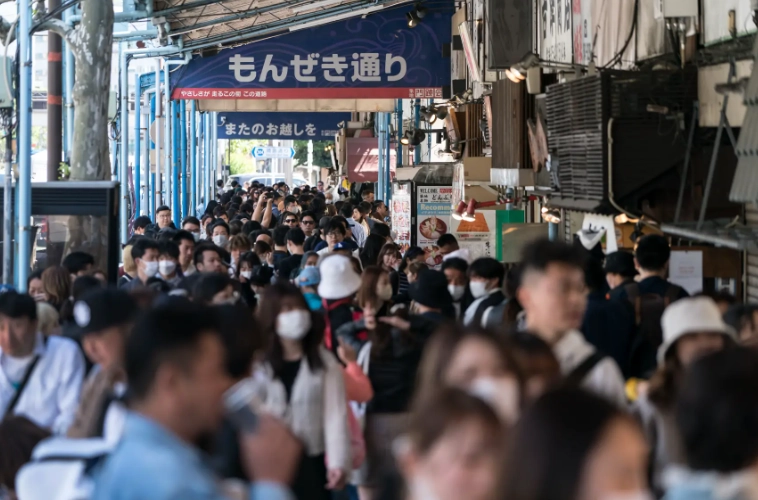
Nishiki Market is famous for a reason. It's also a zoo after 10 AM. Go at 9 AM when the shops open. Skip the generic skewers. Head for these specific vendors:
- Aritsugu: For knives (they engrave them for you) and their fresh-ground sansho pepper.
- Konna Monja: For tiny, addictive sweet and savory senbei (rice crackers).
- Fresh Yuba: Look for shops with vats of simmering soy milk, selling the fresh skin that forms on top. Eat it with a dash of soy sauce on the spot.
For a more local experience, visit the Kobo-san Market at Toji Temple (21st of each month) or the Tenjin-san Market at Kitano Tenmangu (25th of each month). These are flea markets with a huge food section—fresh produce, street food like grilled mochi and yakisoba, and pickles from nearby farms. You'll be the only tourist in line.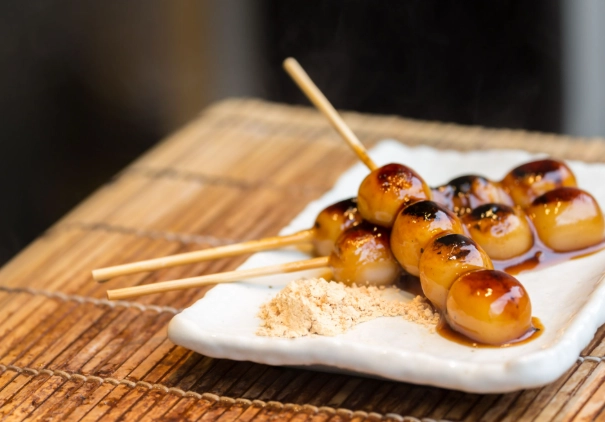
Your Burning Kyoto Food Questions Answered
What is a realistic daily budget for food in Kyoto for a mid-range traveler?
For a mid-range traveler aiming for quality experiences without luxury splurges, budget between ¥8,000 to ¥12,000 per person per day. This comfortably covers a solid breakfast (¥1,000-1,500 at a local cafe), a casual lunch like a premium ramen or udon set (¥1,200-2,000), a mid-range dinner at a reputable restaurant (¥4,000-7,000), and snacks or desserts (¥500-1,000). The key is balancing one 'splurge' meal with more casual, yet equally delicious, options.
As a vegetarian or vegan, is it difficult to find good food in Kyoto?
It requires more planning than in some Western cities, but Kyoto is arguably Japan's best city for plant-based dining. The trick is to focus on its Buddhist temple cuisine (shojin ryori), which is inherently vegan. Restaurants like Izusen and Shigetsu are dedicated to this. Many traditional dishes like yudofu (tofu hot pot) and vegetable tempura are easily adaptable. Always use the phrase 'bejitarian' or 'beegan' and carry a dietary card in Japanese. The biggest pitfall is assuming miso soup or dashi is vegetarian—it often contains fish stock.
Do I need to book Kyoto restaurants months in advance, and how?
For top-tier kaiseki, omakase sushi, or famous tempura houses, yes, book 1-3 months ahead. For most other well-regarded local spots, 2-4 weeks is safe. Don't rely on Google for bookings. Use the Japanese platform 'TableCheck' or have your hotel concierge call. Many smaller places only take phone reservations. A little-known tip: lunch reservations at famous dinner-only spots are sometimes easier to get and offer a similar experience at half the price.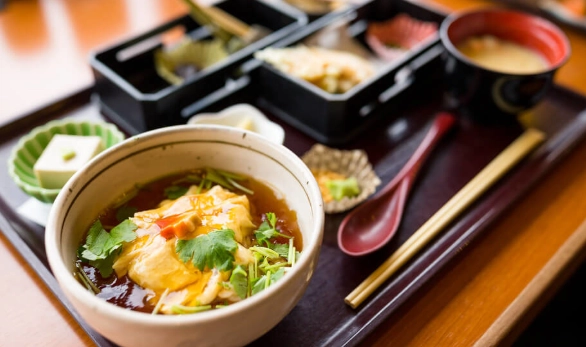
What's the one Kyoto food etiquette rule most tourists get wrong?
The biggest mistake is pouring soy sauce directly over white rice or mixing wasabi into the communal soy sauce dish. Rice is considered a sacred, perfect food on its own. Soy sauce is for dipping specific items, not for drowning your bowl. For sushi, you dip the fish side, not the rice. For sashimi, take a small amount of wasabi with your chopsticks and place it directly on the piece, then dip lightly. This shows respect for the chef's intended balance of flavors.
Kyoto's food scene isn't a checklist. It's a feeling. It's the warmth of the ceramic bowl in your hands at a tofu shop, the shock of how good a simple piece of pickled vegetable can be, the quiet pride of the chef who's been making the same noodle soup for fifty years. Move beyond the obvious. Wander. Point at something you don't recognize. Let the city feed you, not just in your stomach, but in your memory. That's the real Kyoto meal.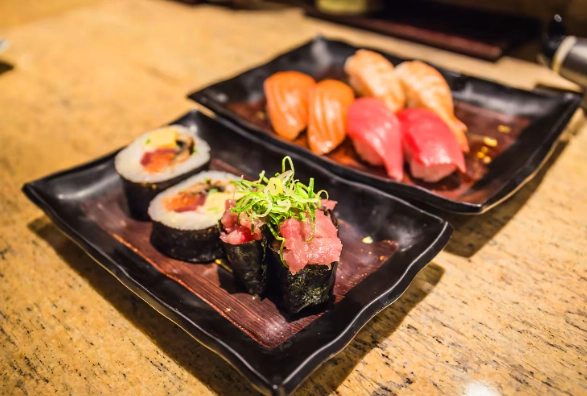
Comments