You've seen the photos. A blazing red maple tree framing a historic temple, a golden ginkgo avenue glowing under a crisp blue sky. Autumn in Japan feels like a dream. But here's the thing most guides don't tell you: chasing that dream can be a frustrating game of timing and crowds if you don't know the rules. I learned this the hard way on my first trip, showing up in Kyoto a week too early and finding mostly green leaves. After a decade of autumn trips, I've moved from hopeful tourist to strategic planner. This isn't just a list of pretty places. It's a system for actually experiencing Japan's fall magic, minus the stress.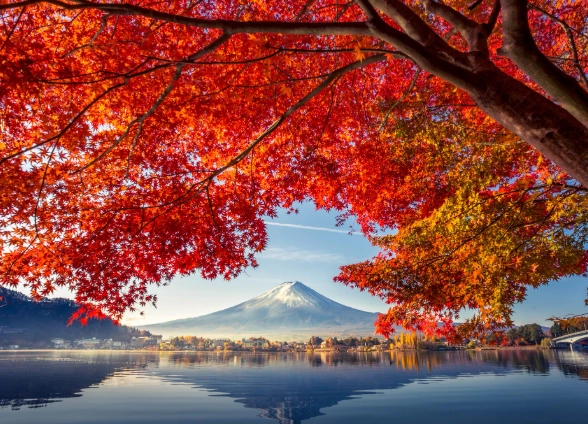
Your Autumn in Japan Jumpstart
What Makes a Japanese Autumn So Special?
It's more than color. It's a cultural season called "koyo" or "momiji-gari" (maple hunting), treated with the same reverence as cherry blossom viewing. The air turns sharp and clean, perfect for long walks. But the real magic is in the details: the way a temple garden is designed specifically for autumn reflections, the special "koyo" illuminations after dark, and the entire cuisine shifting to celebrate the harvest.
Most people just go to Kyoto. That's mistake number one. Kyoto is stunning, but it's also a pressure cooker of tourists in November. The secret is understanding that Japan's autumn moves like a wave.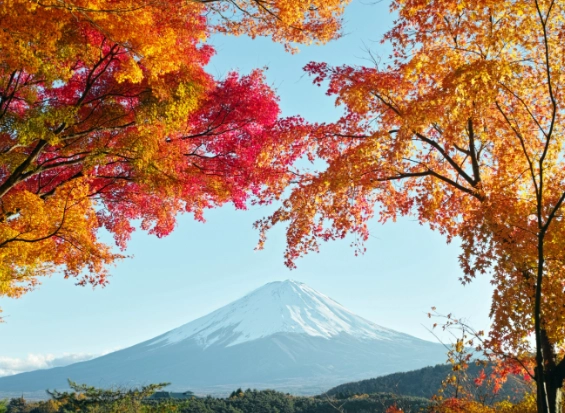
How to Plan Your Autumn Trip Around the Fall Colors
Forget fixed dates. Your entire plan hinges on the "koyo front" (autumn leaves front), which moves southward from Hokkaido in September to Kyoto and Tokyo in late November/December. Relying solely on the previous year's forecast is a classic error.
The Non-Consensus Tip: Forecasts Are a Guide, Not a Promise
Major weather sites like Japan Meteorological Corporation and Weathernews release detailed koyo forecasts. But a sudden warm spell (common lately) can delay peak color by 5-10 days. I always plan my base location around the beginning of the forecasted peak period, not the middle. This gives me a buffer. I also check live webcams from places like Rurikoin Temple in Kyoto or Lake Kawaguchiko a week before I go. Real-time beats any forecast.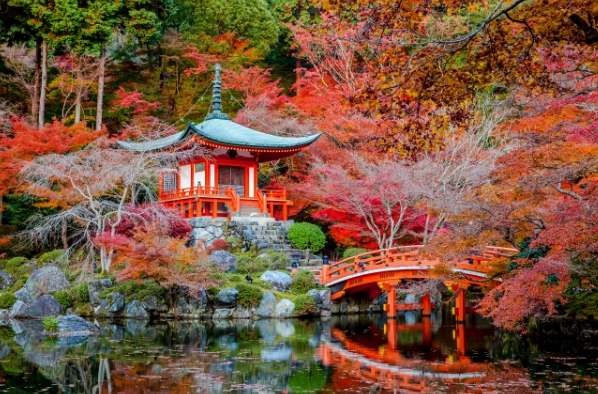
Your Regional Timing Cheat Sheet
| Region | Typical Peak Period | Vibe & Recommendation |
|---|---|---|
| Hokkaido (Daisetsuzan, Jozankei) | Late Sep - Mid Oct | Wild, mountainous colors. Comes with potential for early snow. Perfect for avoiding crowds if you go early. |
| Tohoku (Nikko, Oirase Gorge) | Mid Oct - Early Nov | Spectacular landscapes. Nikko's UNESCO sites with fall colors are unbeatable, but day-trip crowds from Tokyo are intense. |
| Central Japan (Japanese Alps, Karuizawa) | Late Oct - Early Nov | Stunning alpine scenery. Less international tourism pressure. Great for hiking combined with koyo. |
| Kansai (Kyoto, Nara, Osaka) | Late Nov - Early Dec | The classic postcard scene. Also the most crowded. Requires a military-level plan for famous temples. |
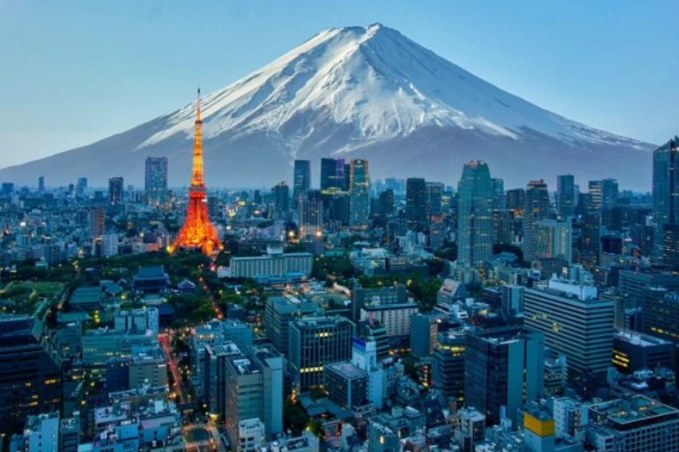
| Tokyo & Surrounds | Late Nov - Early Dec | Surprisingly great urban koyo. Less travel stress. Spots like Rikugien Garden and Mount Takao offer top-tier views. |
Where Are the Best Places to See Autumn Leaves in Japan?
Let's get specific. Here are my top picks across different categories, with the practical info you need to decide.
1. The Unforgettable Classic (With a Strategy): Kyoto's Temples
Kiyomizu-dera Temple is iconic for a reason. The wooden stage jutting out over a sea of red maples is breathtaking. But at peak season, you'll queue for an hour just to enter.
Address: 1-294 Kiyomizu, Higashiyama Ward, Kyoto.
Hours: 6:00 AM - 6:00 PM (varies slightly by season).
Entry: 400 yen.
My workaround: Go right at opening (6 AM) or during the night illumination (special hours, usually 400-600 yen extra). The crowds are thinner, and the lit-up maples are ethereal. For a less hectic alternative, Bishamon-do Temple in eastern Kyoto has a stunning sloped garden and maybe 10% of the people.
2. The Natural Wonder: Oirase Gorge, Aomori
A mountain stream flanked by vibrant beech and maple trees for 14 kilometers. This is hiking immersion, not a temple photo-op.
Access: Take the JR bus from Hachinohe or Aomori Station to the gorge entrance.
Best section: The walk from Ishigedo to Nenokuchi (about 9 km).
Cost: Free to walk. Bus fare is your main cost.
It's remote, so crowds disperse. The sound of water and rustling leaves is the main soundtrack.
3. The Urban Oasis: Rikugien Garden, Tokyo
Proof you don't need to leave Tokyo. This 18th-century strolling garden is a masterclass in landscape design, with a central pond surrounded by perfectly placed maples.
Address: 6-16-3 Honkomagome, Bunkyo City, Tokyo.
Hours: 9:00 AM - 5:00 PM (last entry 4:30).
Entry: 300 yen.
Night Illumination: During peak, they host incredible light-ups (separate 500 yen ticket). It's orderly, easily accessible via the Yamanote Line (Komagome Station), and gives you a perfect koyo fix without a long train ride.
Autumn on a Plate: Seasonal Food & Where to Rest Your Head
Autumn is a feast. Menus everywhere feature sanma (Pacific saury), matsutake mushrooms (pricey but aromatic), sweet kabocha pumpkin, and the new rice harvest. Look for set meals called "shokado bento" that showcase these ingredients.
For a memorable meal in Kyoto, try Yudofu Sagano near Arashiyama. They specialize in yudofu (tofu hot pot), a warming, simple dish that feels perfect on a cool autumn day. Expect to spend 3,000-4,000 yen per person. In Tokyo, wander the depachika (department store basement food halls) for an overwhelming display of seasonal sweets and delicacies.
Where to Stay: Location Over Luxury
In Kyoto, staying in the Higashiyama area means you can walk to temples like Kiyomizu-dera and Kodai-ji before the tour buses arrive. A mid-range hotel like The Hotel Seiryu Kyoto Kiyomizu offers this location. In Tokyo, any hotel near a major Yamanote Line station (Shinjuku, Shibuya, Ueno) gives you maximum flexibility for day trips to Nikko or Mount Takao.
Book accommodation at least 4-5 months in advance for peak koyo periods. Prices spike, and good places vanish.
Your Autumn Japan Questions, Answered (Without the Fluff)
Is early November or late November better for autumn in Japan?
It entirely depends on the region and that year's weather. Early November is prime for Nikko, Karuizawa, and the Japanese Alps. Late November targets Kyoto, Tokyo, and Kanazawa. Don't try to do both on one trip unless you're flying between them. The distance is too great. Pick one climatic zone.
Kyoto in autumn is too crowded. Are there any good alternatives?
Absolutely. Kanazawa on the Sea of Japan coast has Kenrokuen Garden (one of Japan's top three), fantastic food, and samurai districts, with crowds that are manageable. Nikko, while popular, absorbs crowds better with its vast natural and temple complex. For a deep cut, the temple town of Hiraizumi in Iwate is a UNESCO site with beautiful autumn colors and a fraction of the visitors.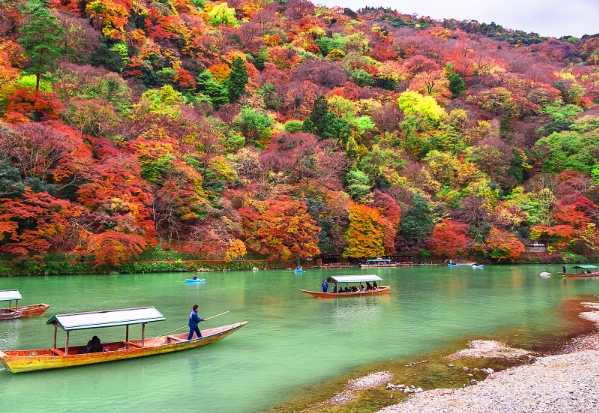
What should I absolutely pack for an autumn trip to Japan?
Layers are non-negotiable. A typical day can start at 5°C (41°F) and warm to 18°C (64°F). Pack a thermal base layer, a fleece or sweater, and a wind/water-resistant jacket. Comfortable walking shoes with good grip are essential for temple stone paths and forest trails. A portable power bank is a lifesaver—you'll be using your phone for maps, translations, and photos constantly.
Can I rely on public transport for autumn foliage spots?
Japan's public transport is superb, but for some remote gems, you'll hit limits. Buses to places like Oirase Gorge or Lake Towada run frequently during koyo season but can be packed. For maximum flexibility in regions like Tohoku or the Alps, consider renting a car for a day or two. In Kyoto and Tokyo, trains and buses are perfectly fine, though they will be very crowded on weekends.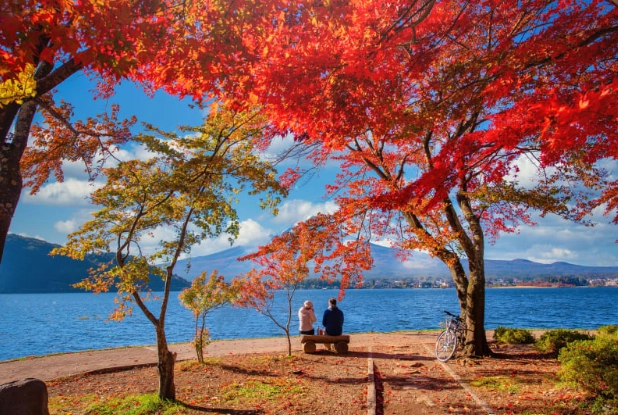

Comments