Quick Guide
Alright, let's talk about one of the most common questions I get from friends planning a Japan trip: how many days in Tokyo and Kyoto is actually enough? It's like trying to decide how much pizza to order – you don't want to be left hungry, but you also don't want a soggy, cold slice the next day. There's no single right answer, which is probably why you're searching for it. The "perfect" number depends entirely on you. Are you a museum marathoner or a shrine-and-sake sampler? Do you thrive on a packed schedule or need time to just wander and get lost?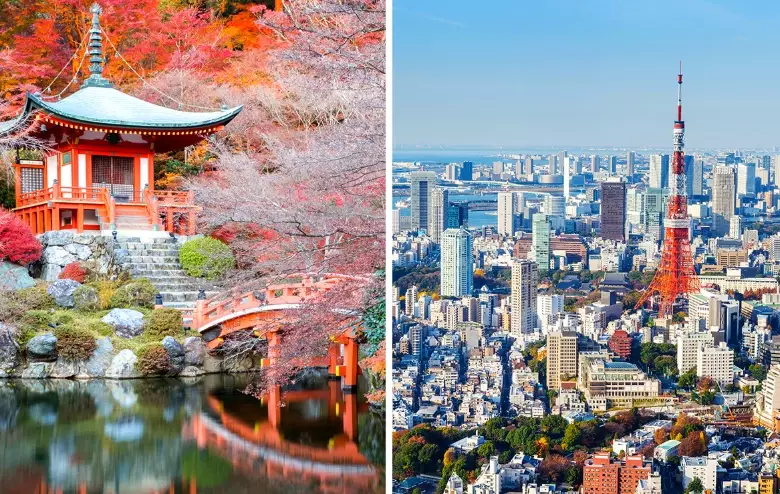
I've made the mistake of trying to cram too much into too few days (hello, blistered feet and missed trains), and I've also lingered a bit too long in one spot. Based on all that trial, error, and a lot of fantastic trips in between, I'll break down exactly what you can realistically see and do with different timeframes. This isn't about a rigid hour-by-hour schedule, but about giving you the framework to build your own dream itinerary.
My first trip, I did Tokyo and Kyoto in 7 days total. Big mistake. I spent half the time on trains or looking at maps, stressed about my next reservation. I remember sitting in a Kyoto cafe, exhausted, realizing I was ticking boxes instead of enjoying the moment. Learn from my rush-job!
The Core of the Question: Why It's So Hard to Decide
Tokyo and Kyoto aren't just two cities; they're two completely different worlds. Tokyo is a sprawling, neon-drenched metropolis of the future, a city that never sleeps, where you can find anything from robot restaurants to tiny bars hidden on the eighth floor of an unmarked building. Kyoto is the heart of traditional Japan, a city of serene temples, wooden machiya houses, and deliberate, centuries-old beauty. Transitioning between them isn't just a train ride; it's a mental and cultural shift.
So when you ask how many days for Tokyo and Kyoto, you're really asking two separate questions. You need to budget time for the travel itself (about 2.5-3 hours on the Shinkansen bullet train, plus getting to/from stations), and for the very different pace each city demands.
Let's tackle them one at a time.
Tokyo: How Many Days to Feel the Pulse?
Tokyo is overwhelming in the best possible way. You could live there for years and not see it all. For a visitor, the goal isn't to "conquer" it, but to experience its distinct neighborhoods, each with its own personality.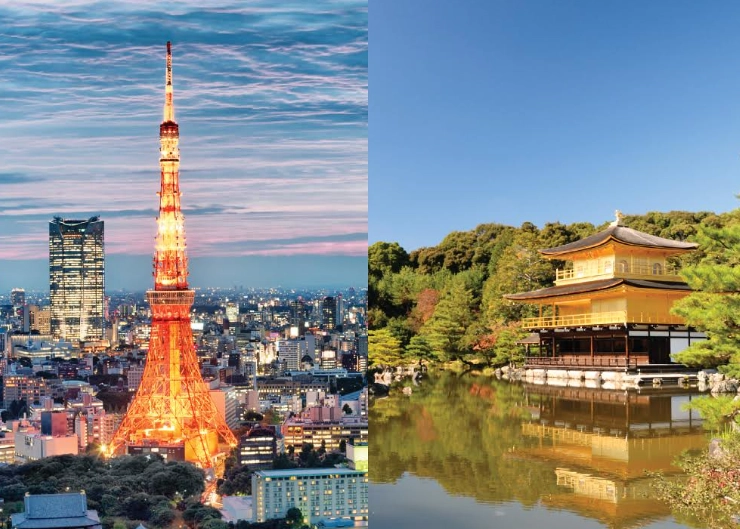
The Bare Minimum (3 Days)
With three days, you're on a highlights sprint. It's doable, but you'll be busy.
- Day 1: Modern & Pop Culture. Dive into Shibuya (the scramble crossing, Hachiko statue), Harajuku (Takeshita Street for crazy fashion, Omotesando for upscale shopping), and Shinjuku in the evening (skyscraper views from the Tokyo Metropolitan Government Building, which is free, and the buzzing atmosphere of Kabukicho).
- Day 2: Tradition & History. Head to Asakusa for Senso-ji Temple and Nakamise shopping street. Then, maybe hop over to Ueno Park for museums or Akihabara in the afternoon if you're into electronics and anime.
- Day 3: Choose Your Own Adventure. Pick a theme. Foodies might do a Tsukiji Outer Market visit followed by exploring upscale Ginza. Others might prefer a day trip to Kamakura (the Great Buddha is stunning) or a more relaxed day in Daikanyama and Ebisu.
This schedule is fast. You'll get a great taste, but it's surface-level. You won't have much time for serendipity – like following a weird alleyway or spending an extra hour in a tiny record shop.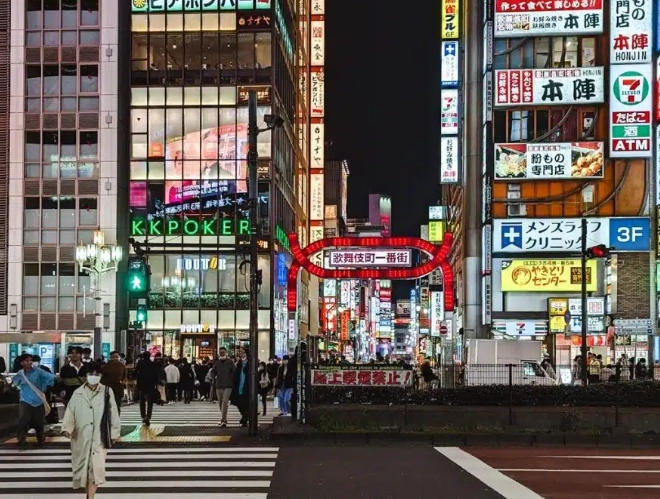
Pro Tip: If you only have 3 days, base yourself near a major Yamanote Line station (like Shinjuku, Shibuya, or Tokyo Station). This loop line connects almost all major districts, saving you tons of time. The official JR East website is your best friend for train info.
The Sweet Spot (4-5 Days)
This is where Tokyo starts to feel comfortable, not frantic. You can cover the major highlights without running yourself ragged and add some deeper cuts.
- You can dedicate a full day to a proper day trip. Nikko's lavish Toshogu Shrine or the mountain views of Hakone (with potential Fuji sightings) become realistic options. The Japan National Tourism Organization page on Hakone has great logistics.
- You can explore neighborhoods beyond the core. Spend an afternoon in the trendy, relaxed Shimokitazawa, known for vintage shops and cafes, or explore the old-school shitamachi (downtown) vibes of Yanaka.
- You can have a "slow" morning. Enjoy a long breakfast, wander a local park like Shinjuku Gyoen, or revisit a place you loved.
Five days lets you breathe. You might even catch a niche museum or a unique festival. For most travelers asking how many days in Tokyo as part of their dual-city trip, 4-5 is the recommendation that balances sightseeing with sanity.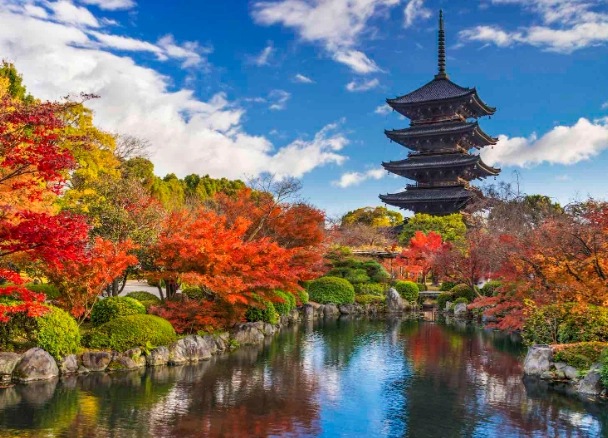
The Deep Dive (6+ Days)
You're not just visiting; you're starting to understand the city's layers. This is for the food-obsessed (booking that elusive sushi omakase, doing a ramen tour), the art lovers (teamLab Planets, Mori Art Museum, small galleries), the hobbyists (a full day in Akihabara or a model kit shop in Nakano), or those who just love urban exploration. You can take multiple day trips or simply settle into the rhythm of Tokyo life.
Watch Out: Tokyo's size can be deceptive. Crossing the city can take an hour easily. Always check travel times on Google Maps or a transit app. A visit to the Ghibli Museum in Mitaka, for example, can eat up half a day with travel.
Kyoto: How Many Days to Soak in the Spirit?
Kyoto's beauty is more concentrated but requires a different approach. It's about ambiance, gardens, and quiet moments (though the main temples can be anything but quiet!).
The Express Tour (2 Days)
Two days is a whirlwind, forcing you to prioritize heavily. You'll see the postcard spots, but it will feel like a checklist.
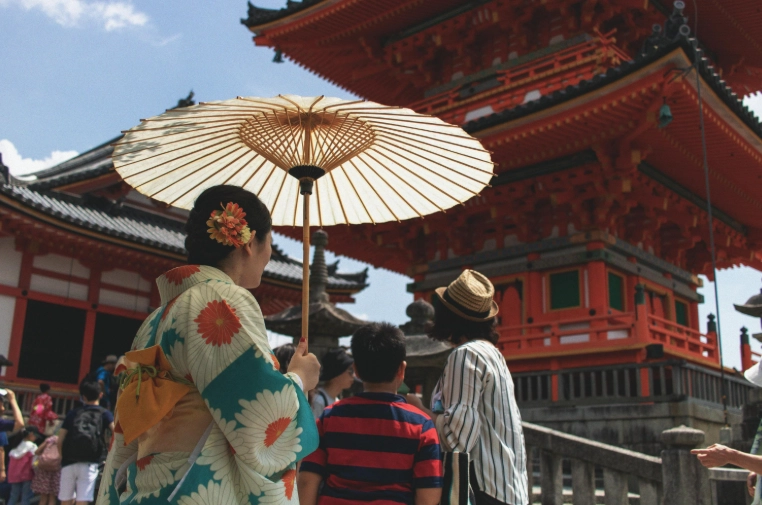
- Day 1: Eastern Higashiyama. The classic walk from Kiyomizu-dera (get there at opening to beat some crowds) down through Sannenzaka and Ninenzaka lanes to Yasaka Pagoda and Maruyama Park. Maybe fit in Gion in the evening for geisha-spotting (be respectful!).
- Day 2: Arashiyama & Central. Morning at Arashiyama Bamboo Grove (go early, I beg you – by 9 AM it's a human highway), then maybe Tenryu-ji Temple's garden. Afternoon for the golden Kinkaku-ji (Golden Pavilion) and the imposing Nijo Castle.
It's packed. You'll miss Fushimi Inari's thousands of torii gates (which is best done very early or later in the evening) or the philosophical rock garden at Ryoan-ji. You'll be temple-fatigued by the end.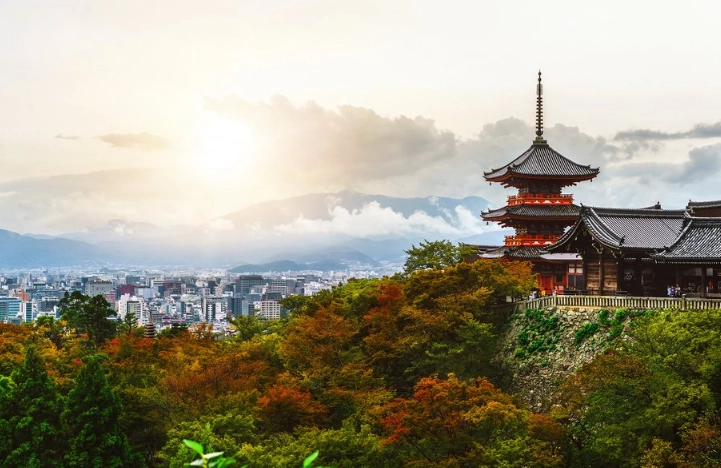
The Balanced Visit (3-4 Days)
Three days is the minimum I'd recommend to anyone who wants to enjoy Kyoto. Four is even better.
- You can spread the major sights out, pairing a busy temple morning with a relaxed afternoon in a neighborhood like Pontocho or along the Philosopher's Path.
- You can include Fushimi Inari Taisha properly. Go for a hike up the mountain past the main crowded sections – the higher you go, the quieter it gets, and the views are worth it.
- You can explore the northern temples like Kinkaku-ji and Ryoan-ji without rushing, or venture to the serene Daigo-ji in the south.
- With four days, a day trip to nearby Nara (the friendly deer and Todai-ji's giant Buddha) or Uji (for green tea lovers) becomes a relaxed possibility instead of a rushed ordeal. The Kyoto City Official Travel Guide is an authoritative resource for planning.
My favorite Kyoto memory isn't from a major temple. It was getting lost in the backstreets of Gion at dusk, the wooden lattices glowing from within, hearing the faint sound of a shamisen. That takes time you don't have on a 2-day schedule.
The Cultural Immersion (5+ Days)
This is for the true Japanophile. You can take a traditional craft workshop (like pottery or fan painting), do a proper tea ceremony, take multiple half-day hikes in the surrounding hills, or visit lesser-known temples where you might be the only visitor. You experience Kyoto at its own pace.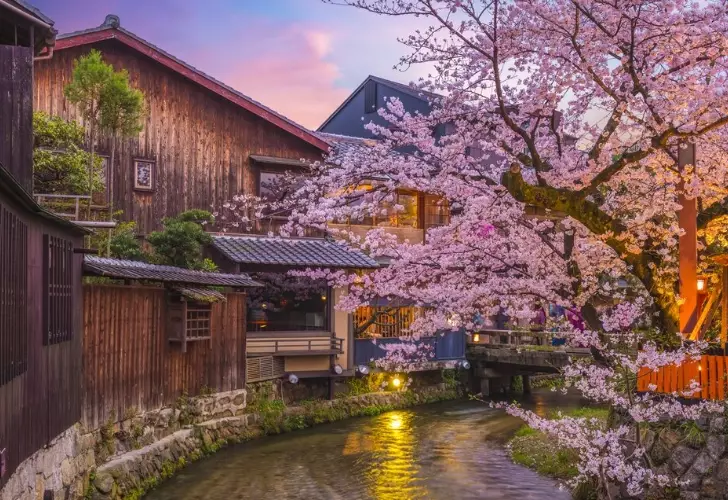
Putting It All Together: Classic Tokyo and Kyoto Itineraries
Now, let's combine them. Remember to add a half-day for travel between cities. Here’s a breakdown of what different total trip lengths feel like.
| Total Trip Length | Recommended Split | What You Can Realistically Do | Best For... |
|---|---|---|---|
| 7 Days Total | 4 days Tokyo, 2 days Kyoto, 1 travel day | A fast-paced highlights reel. See the top sights in both cities. Minimal day trips. Expect to be tired but exhilarated. | First-time visitors with limited time who want a taste of both modern and traditional Japan. |
| 10 Days Total | 5 days Tokyo, 4 days Kyoto, 1 travel day | The classic, balanced answer to how many days in Tokyo and Kyoto. Covers major sights comfortably, allows for 1-2 day trips (e.g., Hakone/Nikko from Tokyo, Nara from Kyoto), and has room for exploration. | Most travelers. Offers the best balance of depth, variety, and pace. Highly recommended. |
| 14 Days Total | 6-7 days Tokyo, 5-6 days Kyoto, 1-2 travel/flex days | A deep and relaxed exploration. Time for multiple day trips, niche interests, repeat visits to favorite spots, and simply wandering without an agenda. | Travelers who dislike rushing, those with specific interests (food, photography, history), or anyone combining with a third destination like Osaka or Hiroshima. |
See the difference? That 10-day framework is the real sweet spot for most people. It answers the how many days should I spend in Tokyo and Kyoto dilemma with a practical, tried-and-tested formula.
Factors That Can Change Your Math
Your personal travel DNA matters more than any generic guide.
Your Travel Pace: Are you out the door at 8 AM or do you start slow? I'm a slow starter, so I always budget extra time. If you're high-energy, you might fit more into fewer days.
Your Interests: A tech/gaming fanatic might want more Tokyo time for Akihabara and VR arcades. A history and garden lover will crave more days in Kyoto and Nara.
Season & Crowds: Visiting Kyoto during cherry blossom season or autumn leaves? Add at least an extra day. The crowds are immense, and moving between sites is slower. The beauty is unparalleled, but the experience is different. Off-season travel lets you cover more ground faster.
Budget: More days = more cost, obviously. But sometimes spreading your trip over more days can mean cheaper, slower travel styles (local trains vs. Shinkansen for day trips, more time in free parks/gardens).
My Personal Rule of Thumb: For a first trip focusing on Tokyo and Kyoto, start with the 10-day plan (5/4 split). It's the most forgiving and enjoyable template. Then, adjust a day toward the city that calls to you more.
Answering Your Burning Questions (The FAQ)
It's the absolute minimum to say you've done both. You'll be constantly on the move, and you'll see the top sights, but you won't have time to dig deeper or recover from jet lag properly. I did it once and wouldn't do it again by choice. If 7 days is all you have, go for it – Japan in a week is better than no Japan – but know you'll be on a tight schedule.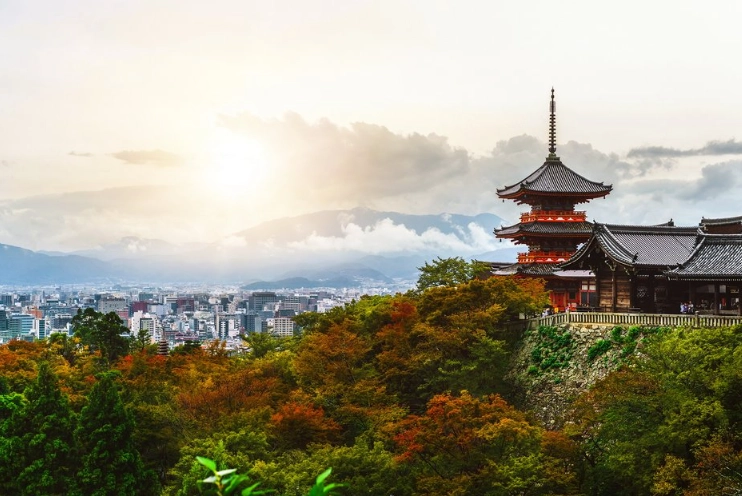
This is the million-yen question. Generally, if you thrive on energy, innovation, food variety, and nightlife, lean Tokyo. If you prefer history, traditional arts, gardens, and a (slightly) slower pace, lean Kyoto. Most people are surprised by how much they love the contrast. That's why the balanced split works so well.
When planning how many days for Tokyo and Kyoto, I count a day trip as a day for that base city. A day trip to Hakone is a Tokyo day. A day trip to Nara is a Kyoto day. They use your base city's hotel and are part of experiencing the region.
Door-to-door, budget a solid half-day. The Shinkansen ride is about 2 hours and 20 minutes from Tokyo Station to Kyoto Station. But you also need to: check out of your hotel, get to Tokyo Station (could be 30 mins), maybe buy an ekiben (station lunchbox), find your platform, then upon arrival in Kyoto, get to your new hotel (another 20-30 mins). So, 3.5 to 4 hours is realistic. Don't plan a detailed itinerary for either your departure or arrival day.
Most people fly into Tokyo (Narita/Haneda), so starting there is logistically easiest. Some argue that ending in Kyoto is more relaxing, a calm finale before flying home. Personally, I like starting in Tokyo. The sensory overload is an amazing introduction, and then Kyoto feels like a peaceful, reflective counterpoint. Either works!
You can, but don't over-schedule. The biggest mistake is packing every hour. Leave gaps. Some of the best Japanese experiences are unplanned: the random izakaya down some stairs, the small shrine you stumble upon, the conversation with a local. Schedule your 2-3 "must-dos" per day, and let the spaces in between fill themselves.
So, what's the final answer to how many days in Tokyo and Kyoto?
For a trip that feels complete, not rushed, aim for 9-11 total days on the ground, split roughly equally. That's the magic zone.
It gives you time to see the icons, have a few adventures, eat incredible food, and still come home feeling like you had a vacation, not a marathon. You'll get your answer to how many days are needed not from a blog, but from your own experience – wanting just one more bowl of ramen, one more temple gate, one more view of that skyline.
Start there, and build the trip that calls to you. You really can't go wrong.

Comments