In This Guide
- The Heart of the Matter: Rules & Etiquette (The Non-Negotiables)
- A Step-by-Step Walkthrough: Your First Onsen Visit
- Types of Onsen and Where Foreigners Fit In
- Beyond the Basics: Health, Hygiene, and Unspoken Rules
- Frequently Asked Questions (The Real Ones)
- Finding the Right Onsen for You
- The Bottom Line: Respect is Your Passport
Ever wondered, while planning your Japan trip, if that iconic hot spring experience is even an option for you? Let's cut straight to the chase. The short answer is a resounding yes, foreigners can absolutely go to onsen in Japan. But—and it's a big but—it's not as simple as just walking in. There's a whole world of unspoken rules, cultural nuances, and yes, some potential hurdles that can turn a relaxing soak into a moment of sheer panic if you're not prepared. I've been there, fumbling with a tiny towel, and I'm here to make sure you don't have to.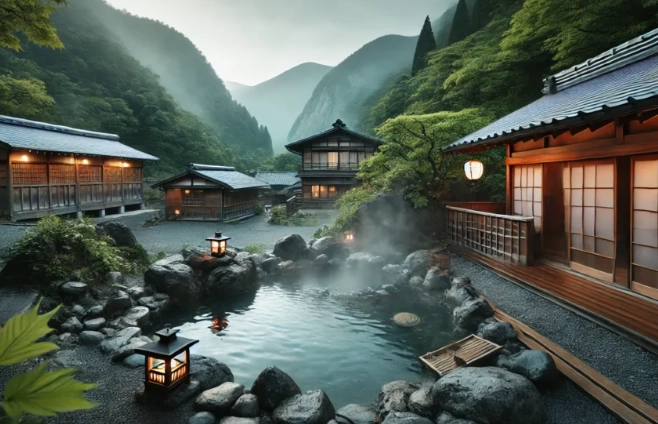
This isn't just a list of do's and don'ts. It's a deep dive into the why behind the rules, the practical steps from entrance to exit, and honest advice on navigating the trickiest parts (looking at you, tattoo policies). We'll cover everything you need to know to confidently answer the question "can foreigners go to onsen in Japan?" for yourself.
The Heart of the Matter: Rules & Etiquette (The Non-Negotiables)
Before you even think about which onsen to visit, you need to internalize the core etiquette. This is what separates a smooth experience from getting sideways glances. Ignoring these isn't just rude; it can genuinely get you asked to leave.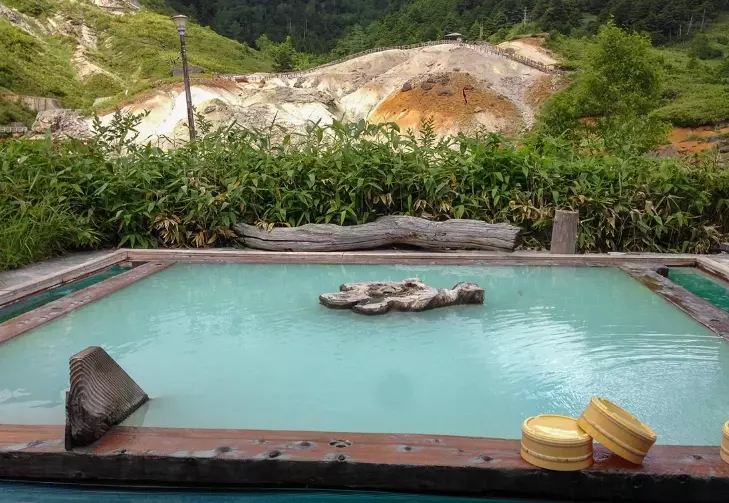
The Absolute Must-Do's
Wash Yourself Thoroughly Before Entering the Bath. This is rule number one, two, and three. Every onsen has a shower area with stools, faucets, and bowls. You must sit on the stool (never stand, you'll splash others), lather up completely, and rinse off every last bit of soap. The baths are for soaking only, not cleaning. I once saw a tourist skip this step, and the collective, silent disapproval in the room was palpable.
No Clothing or Swimsuits in the Bath. Everyone is naked. It's gender-segregated. This is non-negotiable. The small towel you're given (a tenugui) is for modesty while walking and for washing, but it must never touch the bath water. Most people fold it and place it on their head or on the side of the bath.
Keep Your Hair Out of the Water. If you have long hair, tie it up. Most places provide hair ties for this reason.
Enter the Bath Slowly and Quietly. No splashing, no swimming. It's a place for quiet relaxation. Conversations should be hushed.
The Trickiest Hurdle: Tattoos
This is the single biggest point of confusion and the most common reason foreigners might feel excluded. The association of tattoos with organized crime (yakuza) in Japan runs deep. While perceptions are slowly changing, especially in tourist areas, many traditional onsen and public bathhouses (sento) maintain a strict "no tattoos" policy.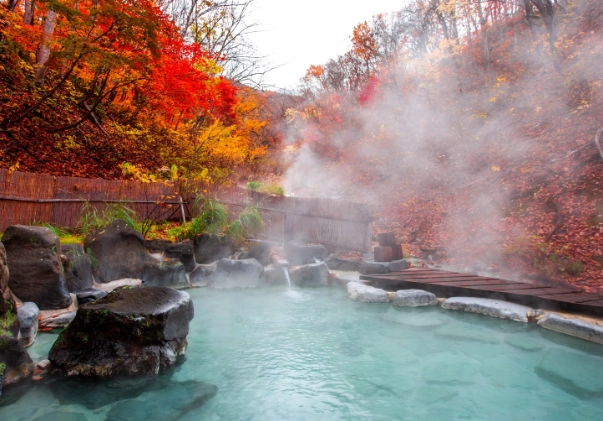
So, can foreigners with tattoos go to onsen in Japan? It's complex.
- Tattoo-Friendly Onsen: These are increasingly common in major tourist destinations like Hakone, Kyoto, and Beppu. They often market themselves as "international" or "tattoo OK." Always check their official website or contact them directly before going.
- The Cover-Up Solution: Some onsen allow entry if tattoos are fully covered by waterproof patches or bandages. You can buy large, skin-toned "onsen patches" (tattoo cover tape) at drugstores like Matsumoto Kiyoshi in big cities. It's a hassle, but it works.
- Private Onsen: Your safest bet. You can rent a family bath or a kashikiri (private) bath for an hour. No rules, no stress. More expensive, but worth it for peace of mind.
The Japan National Tourism Organization (JNTO) website sometimes lists tattoo-friendly facilities, but it's best to search in English using "tattoo friendly onsen [city name]".
A Step-by-Step Walkthrough: Your First Onsen Visit
Let's break down exactly what happens, from the moment you arrive to when you leave. Knowing the sequence kills the anxiety.
- Entrance & Payment: Pay at the front desk. You'll get a ticket, a small towel (sometimes for rent), and maybe a locker key. If there's a vending machine for tickets, just buy the standard "bath" ticket.
- The Changing Room: Find your gender's entrance (男 for men, 女 for women). Find an empty locker or basket. Undress completely. Put everything in the locker. Take your small towel with you. That's it. No swimsuit, no underwear.
- The Washing Station: Walk into the bathing area. Grab a stool and a wash basin. Sit down. Use the provided soap/shampoo (or your own) and wash EVERYTHING. Rinse thoroughly. Rinse the stool and area too. Leave it clean for the next person.
- The Soak: Now you can enter the main bath. Rinse off once more with a basin of clean water from the side (a symbolic gesture). Enter slowly. Relax. 10-15 minutes is usually enough. Stay hydrated.
- Exiting: Get out, dry off with your small towel in the bathing area before walking back to the changing room. Don't drip water everywhere. In the changing room, use a larger towel (if you brought one) to dry off fully before getting dressed.
Some places have multiple baths—hot, cold, jet, outdoor (rotenburo). Try them! The outdoor ones, especially with a view, are magical.
Types of Onsen and Where Foreigners Fit In
Not all onsen are created equal. Where you go dramatically affects your experience and how "foreigner-friendly" it is.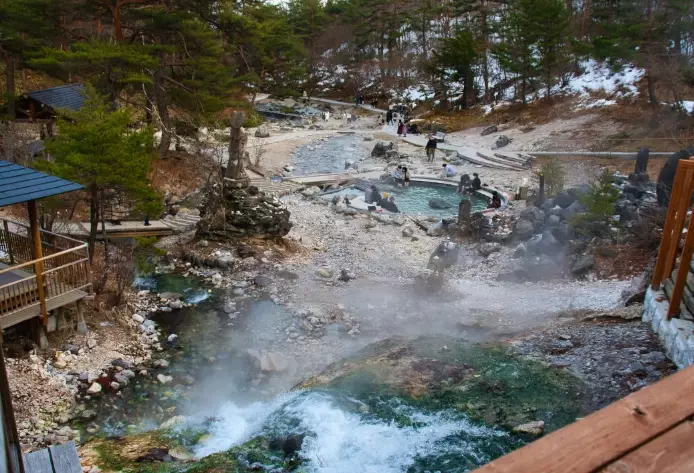
| Type of Onsen | Best For... | Foreigner-Friendliness & Notes |
|---|---|---|
| Large, Modern Resort Onsen (e.g., in Hakone, Beppu) | First-timers, families, those with tattoos (check policy). | High. Often have English signs, staff used to foreigners, sometimes private bath rental. Most likely to have tattoo-friendly policies. |
| Traditional Ryokan (Inn) Onsen | An authentic, immersive cultural stay. | Medium-High. As a guest, you're expected to follow rules, but staff will gently guide you. Can be less crowded. Tattoo policies vary by ryokan—ask when booking. |
| Public Sento (Bathhouse) | Local, affordable, no-frills experience. | Medium-Low. Very local. Fewer English signs. Tattoos are almost always prohibited. Go if you're confident and want a real slice of local life. |
| Super Sento / Spa Complex | A full day of relaxation, variety of baths, saunas. | High. Places like Oedo Onsen Monogatari (though currently closed) are built for tourists. Clear rules, often have yukata rental, food courts. Tattoo policies are usually the main barrier—check online. |
| Wild/Documented Onsen (kouen) | Adventurous souls, nature lovers. | Low. These are natural baths in rivers or by the sea. Minimal facilities. No staff. You must be expert-level confident in onsen etiquette and often need a car to reach them. |
My personal favorite? A ryokan onsen in the mountains. Nothing beats soaking under the stars after a day of hiking, even if you have to carefully check their tattoo rules beforehand.
Beyond the Basics: Health, Hygiene, and Unspoken Rules
There's more to it than just washing. The Japanese approach to onsen is deeply connected to health and purity.
Onsen water is rich in minerals believed to have therapeutic properties—sulfur for skin, sodium for muscle aches, etc. The official definition, managed by the Ministry of Health, Labour and Welfare, specifies temperature and mineral content. This isn't just hot tap water.
Because of this, the hygiene standards are sacrosanct. It's why the no-soap rule is so strict. It's why you shouldn't enter if you have open wounds, a contagious illness, or are heavily intoxicated. It's considered disrespectful to the water and to others seeking its benefits.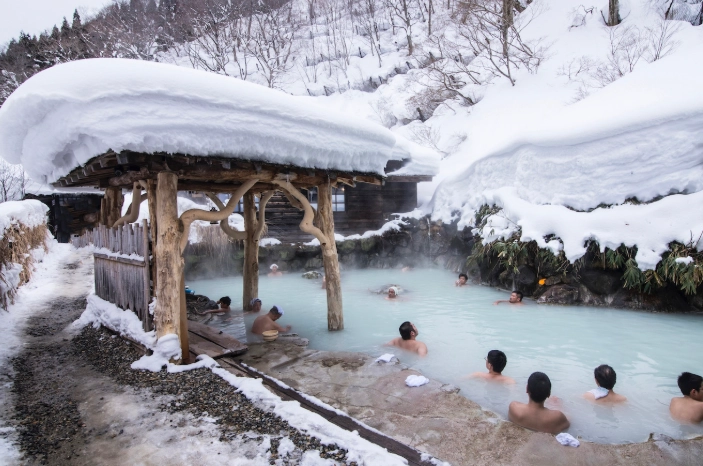
Another unspoken rule: don't stare, but don't aggressively avoid looking either. A neutral, relaxed demeanor is key. Everyone is in the same state, so just act normal. This was the hardest part for me to get used to, but you realize nobody cares what you look like.
Frequently Asked Questions (The Real Ones)
What if I'm shy or uncomfortable with nudity?
This is super common. Start with a private onsen (kashikiri) or a ryokan that has a small, reservable bath. It gets you used to the routine without the audience. After that, the large public baths feel less intimidating because you know what you're doing. Honestly, after 30 seconds in the hot water, you forget about it.
Can I go to an onsen if I'm menstruating?
Technically, yes, if you use a tampon or menstrual cup. It's a personal comfort and hygiene choice. Some women prefer to skip it during that time.
Are children allowed?
Yes, but they must follow all the same rules. Young children of the opposite gender can sometimes accompany a parent into the bath, but there's usually an age limit (around 5-7 years old). Check the specific onsen's policy.
What about medical conditions?
If you have heart conditions, high/low blood pressure, or are pregnant, consult a doctor. The heat can be intense. Always enter slowly, stay hydrated, and limit your soak time.
Can foreigners go to onsen in Japan during COVID or flu season?
Post-pandemic, hygiene awareness is even higher. You might see more spacing, better ventilation, and requests to wash your face at the washing station. If you're sick, stay home. It's the ultimate social faux pas.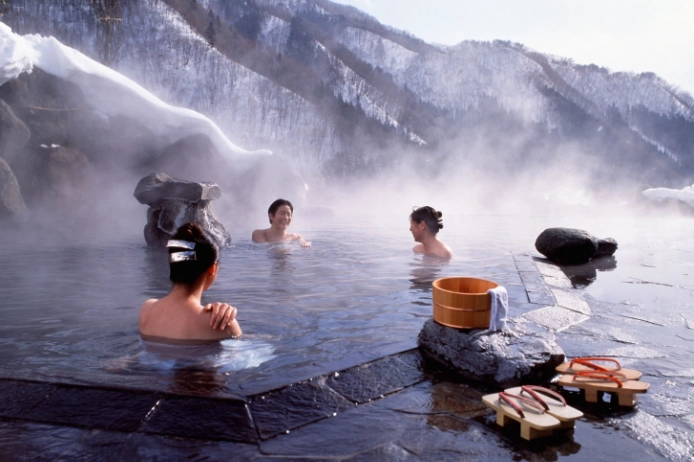
Finding the Right Onsen for You
Don't just pick the first one on Google. A little research goes a long way in answering "can foreigners go to onsen in Japan" positively.
- Use English-Friendly Resources: Sites like Japan Guide or even TripAdvisor forums have lists and reviews specifically noting tattoo policies and foreigner experiences.
- Look at the Website: A modern website with an English page is a good indicator they're used to international guests.
- Call or Email Ahead: If you have specific concerns (tattoos, mobility issues), contact them. A polite email in simple English is fine. Most places appreciate you asking.
- Consider a Ryokan Stay: This is the best way to experience onsen culture. You get multiple soaks, incredible meals, and the staff are there to help you.
I made the mistake once of not checking and ended up at a very local, very traditional sento where my (small, discreet) tattoo caused a minor scene. It was a mess. Lesson learned: always verify.
The Bottom Line: Respect is Your Passport
So, can foreigners go to onsen in Japan? Absolutely, yes. It's one of the most rewarding cultural experiences you can have. The barrier isn't nationality; it's knowledge and respect.
The key is to go in prepared. Understand that the rules aren't there to exclude you, but to preserve a centuries-old tradition of communal purity and relaxation. When you follow them, you're not just a tourist—you're a participant. You show respect for the culture, and in return, you get to fully immerse yourself in one of Japan's greatest pleasures.
Start with a tattoo-friendly or private option if you're nervous. Learn the washing ritual. Keep your towel dry. Soak quietly. Do that, and you'll not only be welcome, you'll have an experience you'll remember forever. The warmth of the water is nothing compared to the warmth of knowing you did it right.

Comments