Just a 30-minute train ride northwest of Tokyo's frantic Ikebukuro station, you'll find yourself in a different era. Kawagoe, often called "Ko-Edo" (Little Edo), isn't just a theme park version of old Japan. It's a living town where historic merchant warehouses stand next to modern shops, where the smell of roasting sweet potatoes mixes with coffee, and where you can genuinely feel the texture of Japan's past. I've lost count of my visits over the years, and each time I find something new—a hidden courtyard, a perfect piece of grilled eel, a quiet moment in a temple garden after the crowds thin. This guide isn't just a list of sights; it's the blueprint I wish I'd had on my first trip, packed with the practical details and subtle tips that make the difference between a good day out and a great one.
Your Kawagoe Trip at a Glance
Why Kawagoe is Worth Your Time
Let's be clear: if you want pristine, untouched historical sites, go to Kyoto. Kawagoe's charm is its lived-in authenticity. The iconic Kurazukuri Street is lined with fireproof clay-walled warehouses from the Edo and Meiji periods. They survived wars and disasters not by being in a museum, but because people kept using them as shops, homes, and businesses. You're not just looking at history; you're shopping for crafts in it, eating in it. This tangible connection is what makes Kawagoe special. It's a manageable size—you can walk almost everywhere—and offers a concentrated dose of traditional atmosphere without the overwhelming scale of larger historical cities.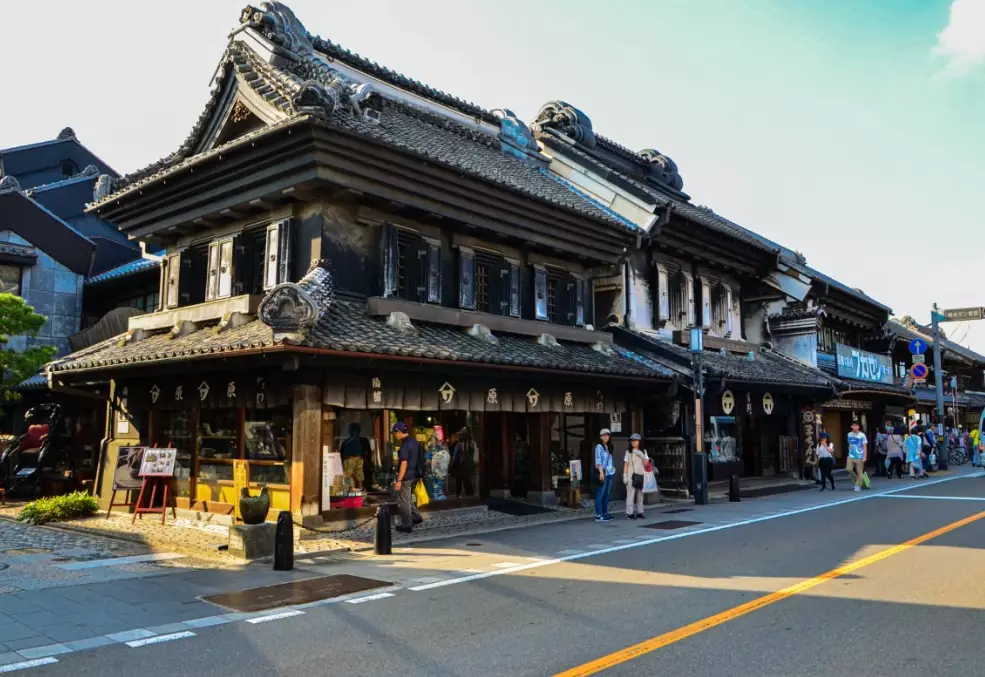
Most visitors are day-trippers, which creates a distinct rhythm. Mornings and early afternoons buzz with energy. By late afternoon, a calm settles in. If you have the flexibility, that post-4 PM period is golden for photography and leisurely exploration.
How to Get to Kawagoe (Without the Hassle)
The most common mistake? Taking the wrong train and wasting an hour. From central Tokyo, the most efficient route is the Tobu Tojo Line from Ikebukuro Station.
Key Transport Facts:
- Best Route: Tobu Tojo Line "Express" or "TJ Liner" from Ikebukuro to Kawagoe Station.
- Travel Time: About 30 minutes on express trains, up to 60 on locals.
- Cost: Approximately 500 yen one way with IC card (Suica/Pasmo).
- Alternative: JR Pass holders can take the JR Saikyo/Kawagoe Line from Shinjuku/Shibuya, but it's often slower with transfers.
At Ikebukuro, follow signs for the Tobu Tojo Line. Look at the departure boards. You want trains marked "急行" (Express) or "Kawagoe" directly. Avoid trains terminating at "Wakoshi"—you'll likely have to change. The Tobu Railway website has reliable, up-to-date timetables.
Once at Kawagoe Station (Tobu or JR), the main sights are a 15-20 minute walk. There's also a convenient "CO-EDO Loop Bus," but on a nice day, walking is part of the experience. The tourist information center inside Tobu Kawagoe Station is excellent for maps.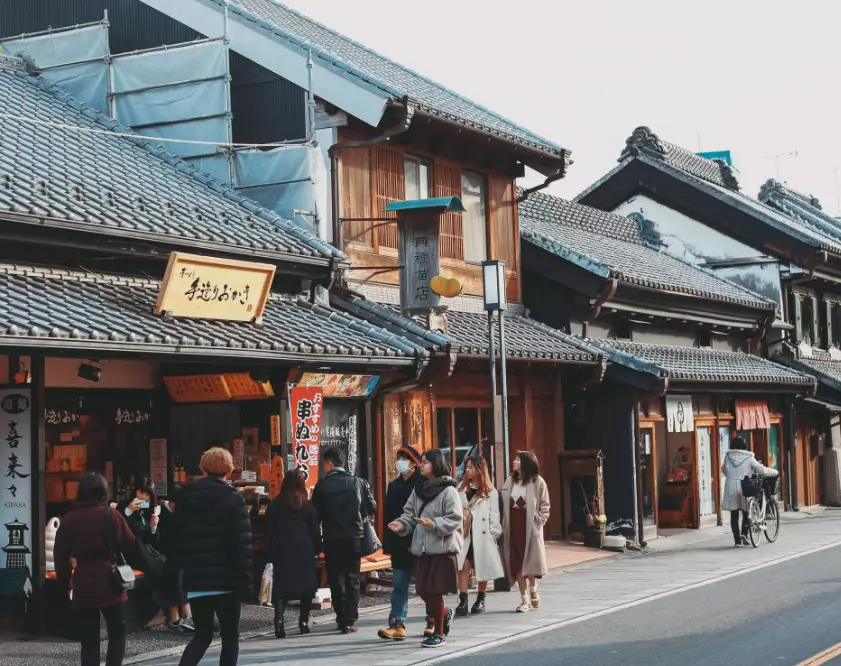
Must-See Sights & Landmarks
You can't see everything in a day, so focus is key. Here’s a breakdown of the core attractions.
The Heart of Little Edo: Kurazukuri Street & Toki no Kane
This is the postcard view. The street itself is free to wander, and that's what most people do—walk, snap photos, and pop into shops. Don't just walk down the middle. Look up at the architectural details: the namako-kabe (black-tiled walls with white mortar), the heavy doors. Step into the courtyards of some shops; you'll often find serene little spaces in the back.
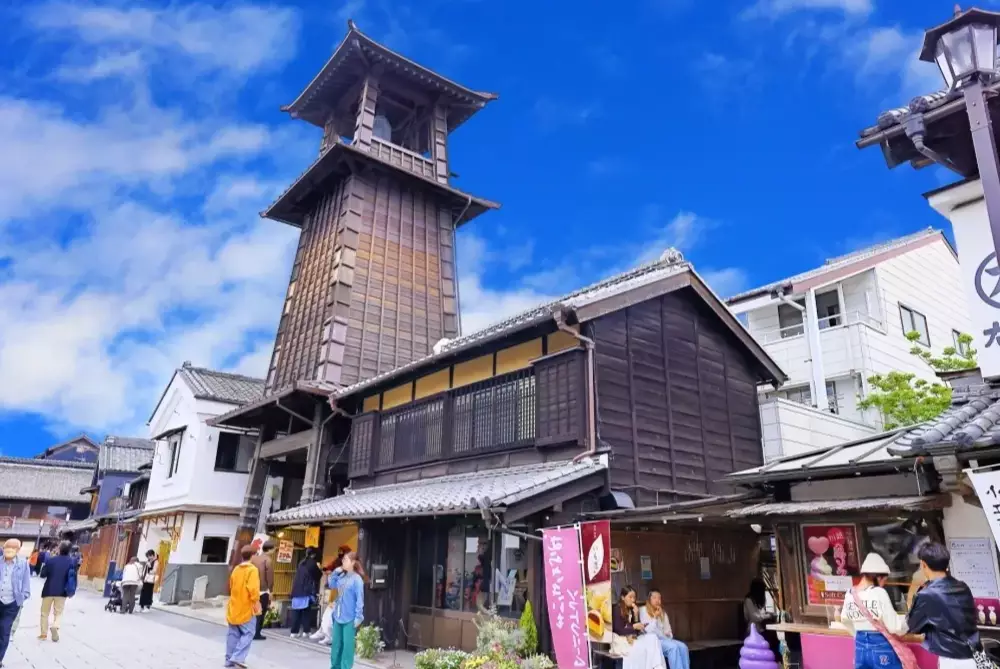
The Toki no Kane (Bell Tower) is the symbol. It chimes four times a day. It's not a climbable tower, just a landmark to see. The best photo spot is from the small square facing it, but also try the side streets for a more framed view.
Beyond the Main Street: Temples, Shrines & Culture
This is where many day-trippers run out of time, but these spots offer depth.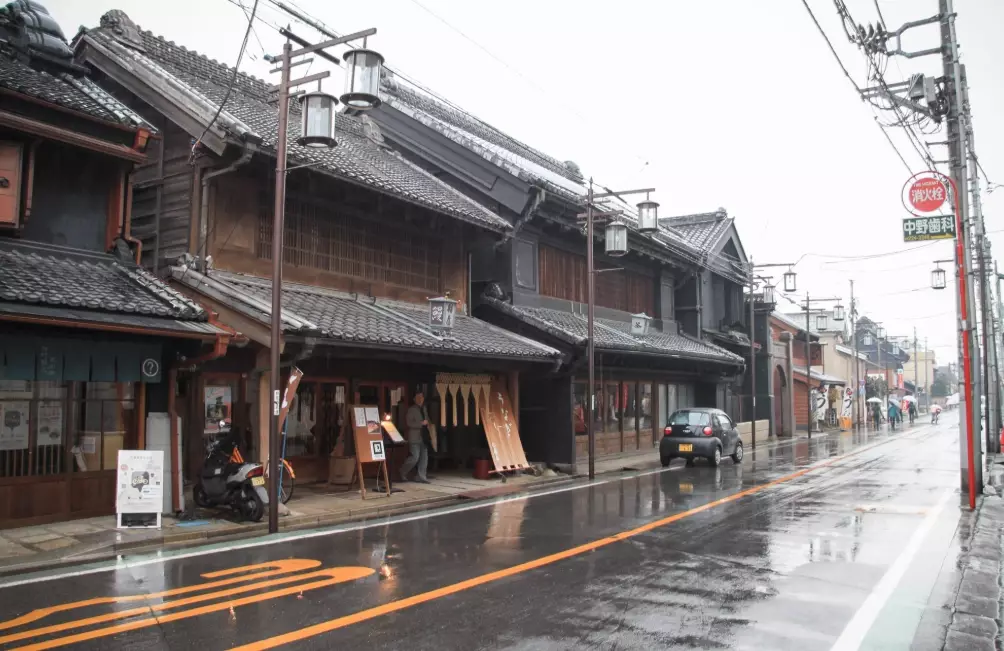
| Attraction | What It Is | Address / Access | Hours / Cost | Why It's Worth It |
|---|---|---|---|---|
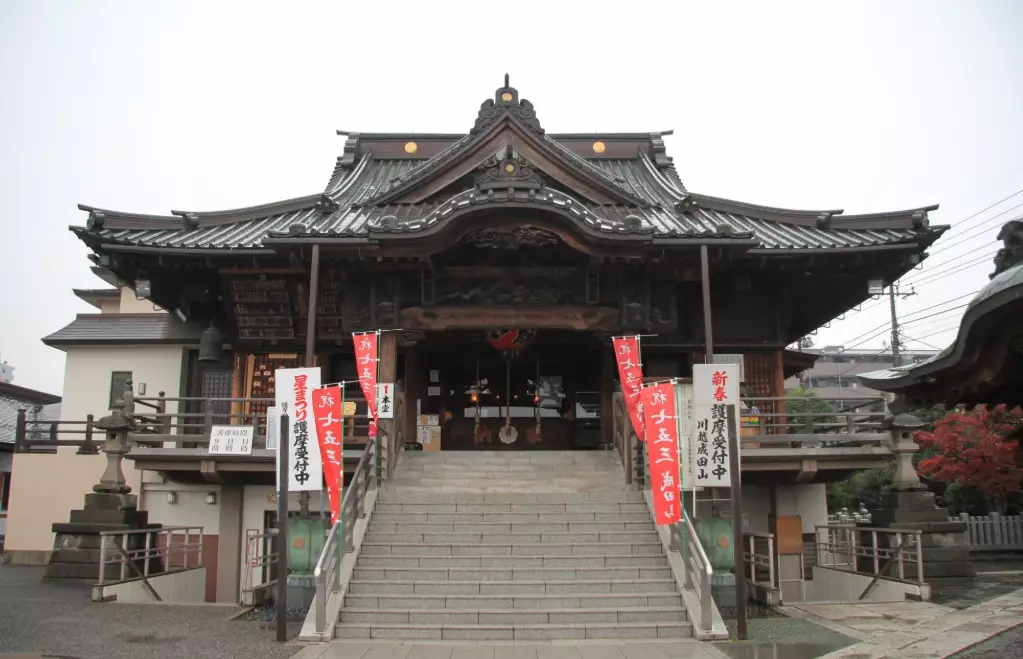
| Kitain Temple | A major Buddhist temple of the Tendai sect. | 1-20-1 Kosemba-machi. 15-min walk from Kurazukuri. | 9:00-16:30. 400 yen for garden/historic rooms. | Home to the only remaining palace rooms of the original Edo Castle and 540 unique "Rakan" disciple statues. |
| Kawagoe Hikawa Shrine | A Shinto shrine known for blessings in marriage and relationships. | 2-11-3 Miyashita-machi. 10-min walk from Kitain. | Open 24/7, office 9:00-17:00. Free. | The stunning tunnel of colorful "ema" (wish plaques) is incredibly photogenic and atmospheric. |
| Kashiya Yokocho (Candy Alley) | A narrow lane lined with old-fashioned sweet shops. | Off Nakamachi-dori, near the bell tower. | Shop dependent, typically 10:00-17:00. | Nostalgic vibe, great for picking up traditional Japanese penny candies and rice crackers as souvenirs. |
| Kawagoe Festival Hall (Matsuri Kaikan) | Museum dedicated to the grand Kawagoe Festival. | 2-1-10 Motomachi. On Kurazukuri Street. | 9:30-18:30 (until 17:00 Oct-Mar). 500 yen. | See the elaborate festival floats up close, with live demonstrations of the "hikizome" (float pulling) music. |
My personal preference? I like to hit Kurazukuri Street first thing, then walk to Kitain for a quieter, more contemplative experience. Hikawa Shrine feels different in the afternoon light.
The Kawagoe Food Guide: Beyond Sweet Potatoes
Yes, Kawagoe is famous for sweet potatoes (satsuma-imo). You'll smell them roasting everywhere. But there's a whole culinary scene here.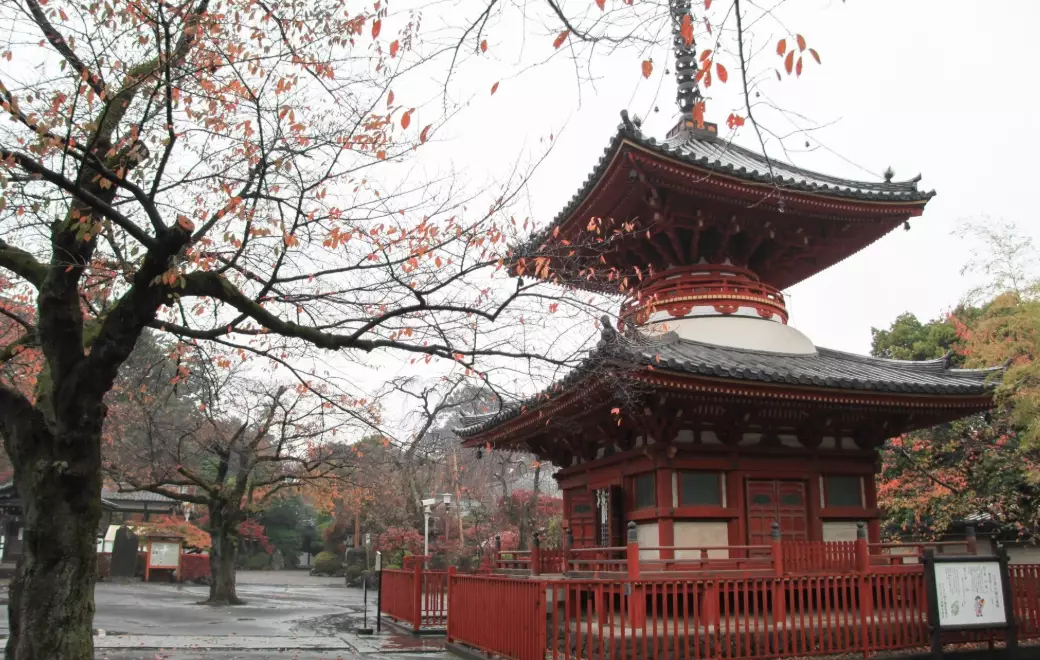
Unagi (Freshwater Eel): Kawagoe has a reputation for excellent unagi, thanks to clean local waters historically. A meal at a proper unagi restaurant is a splurge but memorable. Osawa (near the river) is a classic, with prices for a full unaju set starting around 4,500 yen. For something more accessible, look for smaller shops serving unagi pies or unagi sushi rolls.
Savoring the Sweet Potato: Don't just get any imo. Try different forms: imo-kenpi (candied sweet potato sticks), imo-shingen mochi (sweet potato starch dumplings), and the classic baked sweet potato. Kameya on Kurazukuri Street is an institution for imo-kenpi.
Savory Bites & Lunch Spots: For a quick, delicious lunch, look for stands selling menchi-katsu (minced meat cutlet). Kurikoan is famous for theirs. Also, try Kawagoe-style soba—it's often a bit darker and heartier. Many small restaurants in the backstreets serve great set lunches (teishoku) for 1,000-1,500 yen.
Crafting Your Perfect Itinerary
Here’s how I’d structure it based on your available time. These are frameworks—adjust based on your interests (food vs. temples).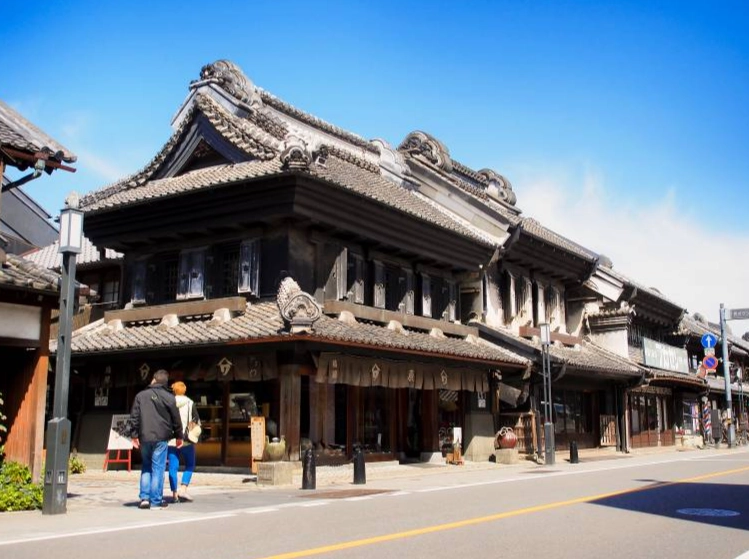
The Efficient Half-Day (4-5 hours): Arrive by 10 AM. Walk straight to Kurazukuri Street. Explore the warehouses, see the Bell Tower, wander Candy Alley. Grab a menchi-katsu and sweet potato snack for a walking lunch. Visit the Kawagoe Festival Hall for a cultural hit. Depart by 3 PM. You get the iconic experience.
The Classic Full Day (7-8 hours): Arrive 9:30 AM. Do the half-day plan above, but have a proper sit-down lunch (maybe unagi or soba). After lunch, walk to Kitain Temple (20 mins) and spend an hour there. Continue on to Kawagoe Hikawa Shrine. Loop back towards the station via some of the quieter residential streets. You'll get history, culture, food, and photography.
If You Stay Overnight: This is where you unlock Kawagoe's quieter side. Enjoy the illuminated warehouses at night. Have a relaxed dinner at an izakaya. The next morning, visit places before the day-trippers arrive, like the Kawagoe City Museum or the former residence of a sake brewer near Hikawa Shrine.
Pro Tips & Common Mistakes to Avoid
After dozens of visits, here are the things I see people get wrong, and the small adjustments that make a big difference.
- Timing is Everything: Weekends and Japanese national holidays are packed, especially from 11 AM to 3 PM. If you can, visit on a weekday. Arrive early (by 10 AM) to enjoy the streets in relative peace.
- The Walking Footwear Fallacy: The streets are mostly flat but can be uneven cobblestone or packed earth. Wear comfortable, supportive shoes. This isn't a high-heel or flimsy sandal kind of day.
- Cash is Still King (Mostly): While major shops and restaurants take cards, many small candy stores, food stalls, and temple entry fees are cash-only. Carry at least 5,000 yen in cash.
- Don't Just Follow the Crowd: The main drag of Kurazukuri Street is about 500 meters long. Take the first or second side street you see. You'll find interesting smaller shops, cafes in renovated warehouses, and often have the place to yourself.
- The Bathroom Strategy: Public restrooms are available near the Bell Tower and at major temples. Use them when you see them; cafes and small shops may not have facilities for non-customers.
Your Kawagoe Questions Answered
 Kawagoe works because it feels real. It's not trying to be a flawless recreation; it's a town that has gracefully held onto its past while living fully in the present. Go with comfortable shoes, an appetite, and a willingness to wander down a side street. That's where you'll find your own piece of Little Edo.

Comments