Your Quick Guide to Japan's Coastline
Why Japan's Beaches Deserve a Spot on Your Bucket List
When you think of Japan, towering skyscrapers and ancient temples might come to mind first. But have you ever considered its beaches? I remember stumbling upon a hidden cove in Okinawa years ago, where the water was so clear I could see starfish on the seabed. That moment changed my perception of this island nation forever.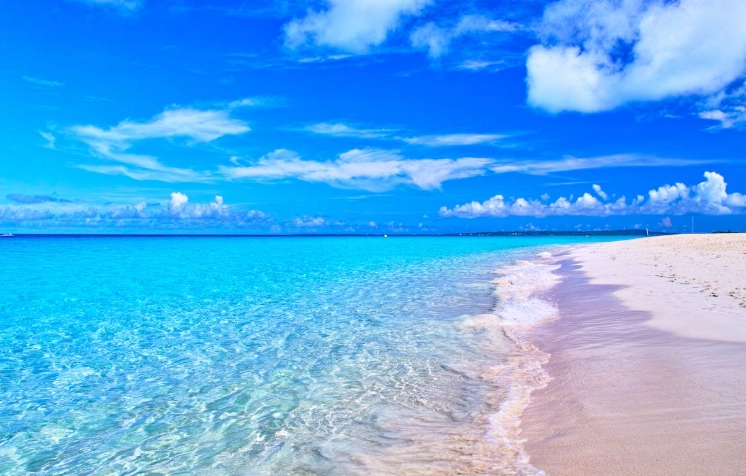
Japan's coastline stretches over 18,000 miles, offering everything from tropical white sands to rugged volcanic shores. The diversity is staggering. You've got the powdery white beaches of Okinawa, the surf culture of Shikoku, and the dramatic black sands of Izu. It's not just about lying in the sun; it's about immersing yourself in a culture that reveres the ocean.
What sets Japan apart is how these natural wonders intertwine with daily life and tradition. You might find a Shinto shrine overlooking a secluded bay, or witness a local festival where boats are decorated like dragons. The beach becomes a stage for cultural expression.
Top Picks: Must-Visit Beaches in Japan
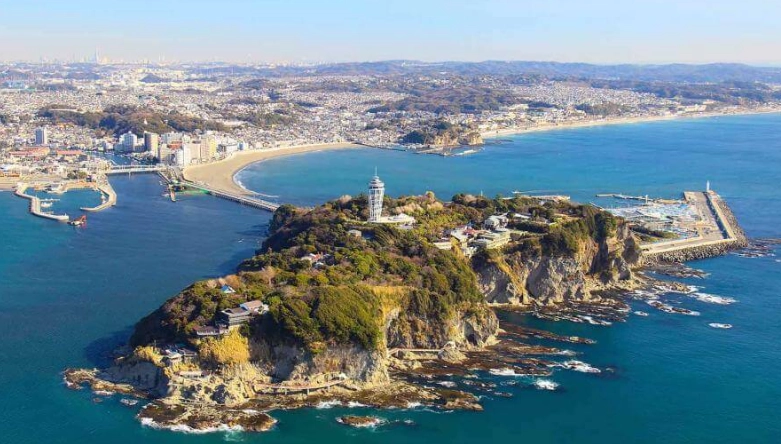
Let's cut to the chase. If you're looking for that iconic tropical paradise, head to Okinawa. Ishigaki Island offers beaches that could give the Caribbean a run for its money. The sand is so fine it feels like powder, and the water has this impossible blue hue. For something completely different, try the beaches near Tokyo. Yes, you read that right. Zushi Beach and Kamakura's Yuigahama offer a quick escape with a surprising amount of charm.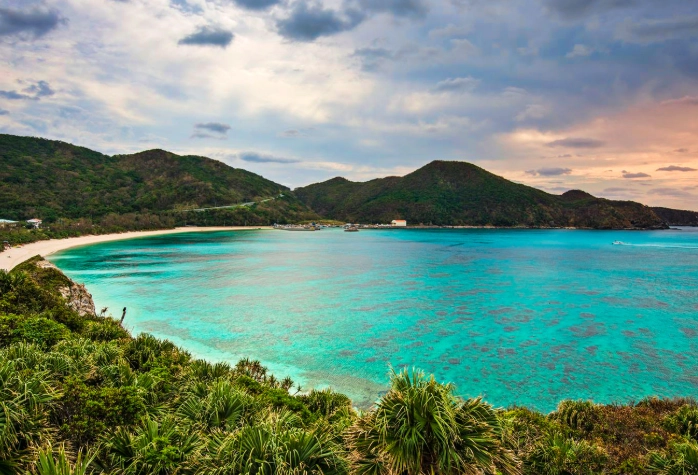
Up north, Hokkaido's coastlines are wild and untamed. Don't expect palm trees here; instead, you'll find dramatic cliffs and water that's brisk even in summer. It's for those who want to feel the raw power of nature.
Then there's the Seto Inland Sea, a network of calm waters dotted with islands. The beaches here are often connected to temples or historic sites. It's less about partying and more about contemplation.
Okinawa's Island Paradise
The Okinawa archipelago is Japan's tropical heart. Ishigaki Island is the crown jewel, with beaches that look like they're straight out of a travel brochure. Kabira Bay is the poster child, with its crescent-shaped beach and stunning coral reefs. But don't overlook places like Yonehara Beach, which is quieter and just as beautiful.
What's fascinating is how the local culture has adapted to island life. You'll see shisa statues guarding homes and maybe even catch a traditional eisa dance performance. The food is another highlight – fresh seafood, tropical fruits, and dishes that reflect the island's unique history.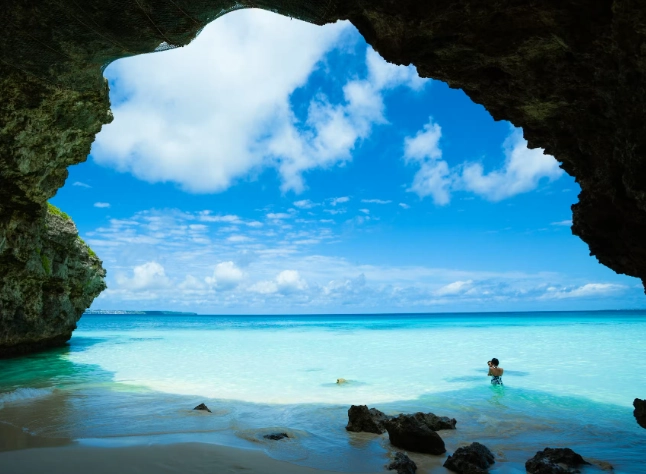
The Surf Capital: Miyazaki
Miyazaki, on Kyushu's east coast, is where Japan's surf culture thrives. The waves here are consistent and powerful, attracting surfers from across the country. But even if you're not here to ride them, the atmosphere is worth experiencing.
Local shops rent boards and offer lessons, and the beachfront is lined with casual eateries serving fresh seafood. At night, bonfires are common, and you might hear someone playing the shamisen. It's a blend of athletic passion and traditional charm that you won't find anywhere else.
A Spiritual Retreat: Kamakura
Just south of Tokyo, Kamakura offers a beach experience steeped in history. Yuigahama Beach is the main attraction, but the real magic lies in the surrounding area. The Great Buddha of Kamakura watches over the coast, and numerous temples offer a retreat from the summer heat.
It's a place where you can spend the morning surfing and the afternoon in quiet contemplation. The blend of natural beauty and spiritual heritage is seamless. Don't miss the chance to try shojin ryori, the vegetarian cuisine served in Buddhist temples. It's a culinary experience that nourishes both body and soul.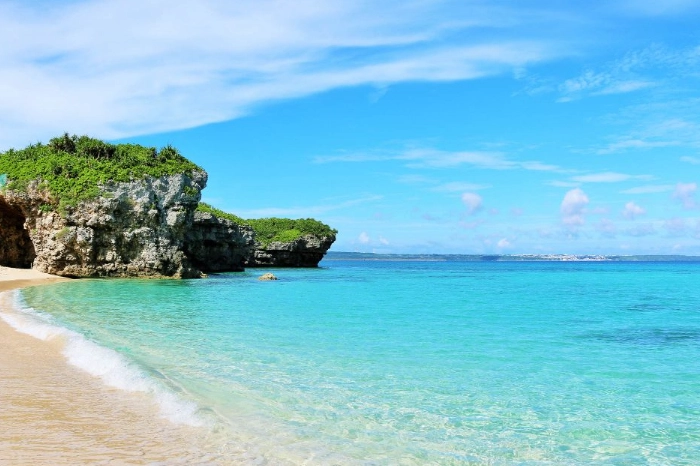
Beyond Sunbathing: Unique Cultural Experiences
Japan's beach culture goes beyond just swimming and sunbathing. There's a depth here that many travelers miss. Take, for example, the art of beachcombing, known as "sango-gari." It's not just collecting shells; it's a meditative practice that connects you to the ocean's rhythm. You might find anything from delicate shells to fragments of ancient pottery.
Then there are the festivals. The beach becomes a stage for performances that have been passed down for generations. In Okinawa, you might see eisa dances that tell stories of the island's history. In Tohoku, the Nebuta Festival features giant illuminated floats that parade along the shore, creating a spectacle that stays with you long after it's over.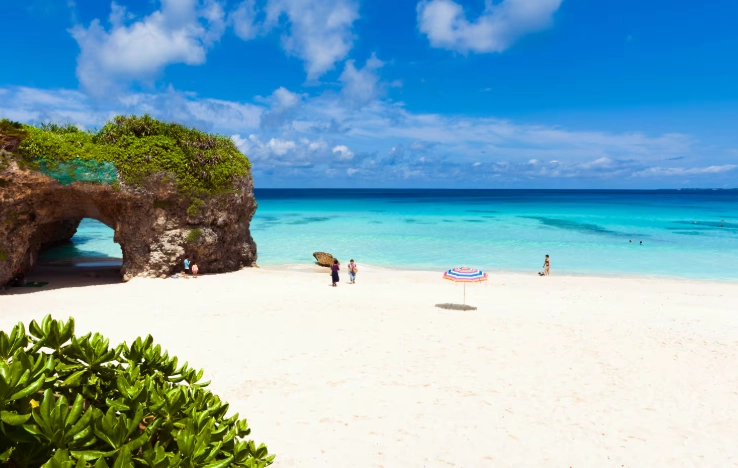
For the adventurous, there's "umibou," or beach hiking. This isn't a casual stroll; it's a journey along the coast that requires planning and respect for the tides. You'll navigate rocky outcrops, discover hidden coves, and see wildlife that most tourists miss. It's the antithesis of the crowded resort beach, and that's what makes it special.
Planning Your Japanese Beach Getaway
Timing is everything. The ideal months are from late June to early September, but that's also when everyone else is traveling. July and August bring heat, humidity, and crowds. If you can swing it, late June or early September offers a sweet spot of good weather without the peak tourist numbers.
Always check for local festivals – they can be the highlight of your trip or a logistical nightmare if you're not prepared. And keep an eye on typhoon season, which typically runs from July to October. A little research goes a long way.
Getting There & Getting Around
Japan's train system is a marvel, but it doesn't reach every beach. For remote coastlines, you'll need to combine trains with buses or even ferries. Renting a car offers flexibility, but remember they drive on the left here. If that's not your style, local buses are reliable and often scenic.
Ride-sharing is less common than in other countries, but taxis are available in most areas. Just be prepared for the meter to start at a higher rate than you might be used to.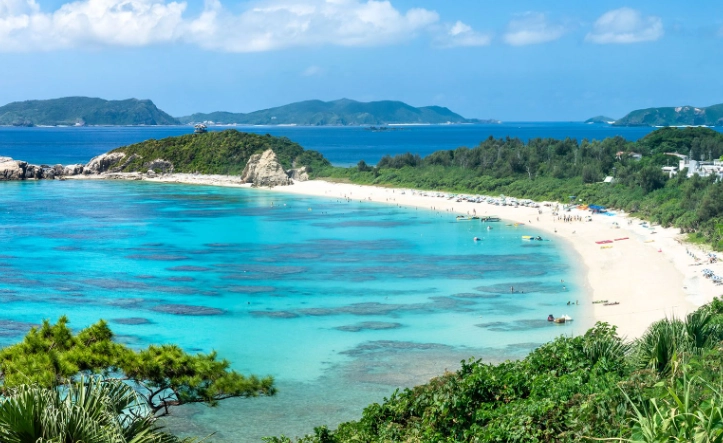
Where to Stay
Your accommodation can make or break your beach trip. Beachfront resorts offer luxury but can feel isolated. For a more immersive experience, try a minshuku (family-run guesthouse) or ryokan (traditional inn). You'll get home-cooked meals and a chance to practice your Japanese in a low-pressure setting.
Camping is another option, especially in national parks. Just be sure to book in advance during peak season. The Japanese take their camping seriously, so you'll find well-maintained sites with amenities that might surprise you.
Packing Essentials
Sun protection is non-negotiable. The Japanese sun can be intense, even on cloudy days. Reef-safe sunscreen is becoming more common, so look for brands that protect both your skin and the marine life. A wide-brimmed hat and UV-protective clothing are also smart choices.
For the water, pack swimwear that's respectful of local norms. Quick-dry towels are a lifesaver, and waterproof bags will keep your electronics safe. If you're planning to explore rocky areas, consider water shoes – they offer protection and better grip.
Hydration is key, especially in the peak summer months. While vending machines are everywhere, having your own refillable bottle is more sustainable. And don't forget that beach etiquette includes cleaning up after yourself and respecting designated swimming areas.
Local Insight: The Unspoken Rules
Every culture has its quirks, and Japan is no exception. On beaches, you might notice areas marked for swimming, surfing, or fishing. These aren't suggestions – they're for safety. Lifeguards are often present at popular beaches, but their resources can be stretched thin. Swimming outside designated areas is risky.
Alcohol is another point of consideration. Some beaches prohibit it entirely, while others allow it in designated zones. Always check the posted signs. If you're allowed to drink, do so responsibly and dispose of all trash properly. Being rowdy or leaving litter can result in fines or being asked to leave.

Comments