Most people know Chiba for two things: Narita International Airport and Tokyo Disney Resort. They land, maybe spend a night near the airport, or rush straight to the Disney gates, completely missing the point. Chiba is a destination in itself, a sprawling prefecture with a stunning Pacific coastline, deep cultural roots, and some of the most relaxed, friendly vibes you'll find near Tokyo. I've spent years exploring its corners, from the surfer towns of the south to the rural temples up north, and I'm here to tell you that skipping it is a mistake.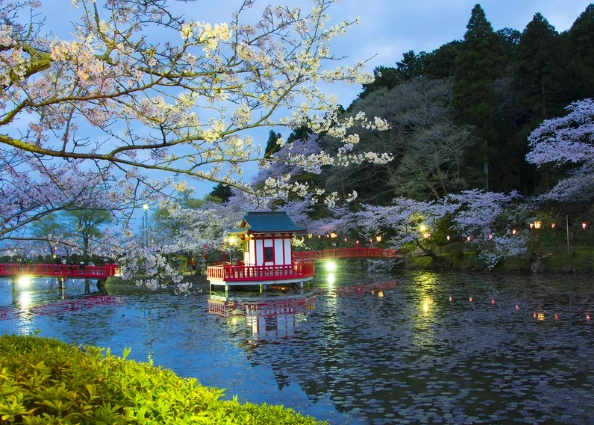
Your Quick Guide to Chiba
Top Things to Do in Chiba Prefecture
Let's break it down. Chiba isn't a single city; it's a region with distinct personalities. Think of it in zones.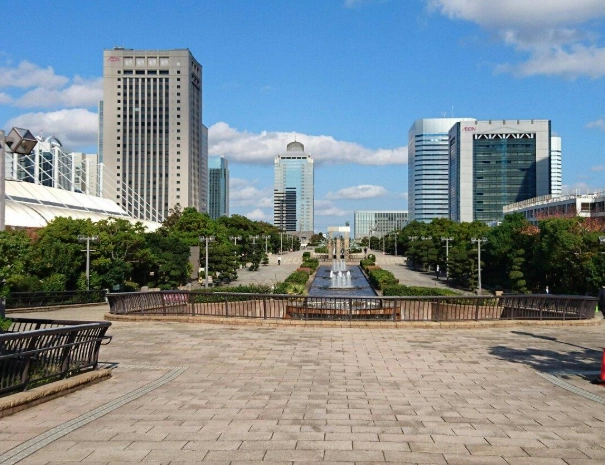
The Tokyo Disney Resort Zone
Yes, it's the obvious one, but even here, most visitors make a crucial error: they try to do both Tokyo Disneyland and DisneySea in one day. Don't. Each park deserves a full day, especially DisneySea, which is unique to Japan. A pro tip? The official hotels are fantastic but pricey. Look at the Official Partner Hotels like the Hilton Tokyo Bay or Hotel Okura Tokyo Bay. They offer early entry benefits (called "Happy 15") and are connected by the Disney Resort Line monorail. Check the official Tokyo Disney Resort website for calendar-based crowd forecasts—avoid Japanese public holidays like the plague.
Tokyo DisneySea at a Glance: Opens at 9:00 AM (8:45 for hotel guests). Adult 1-Day Passport: ¥9,400 - ¥10,900 (peak). Address: 1-13 Maihama, Urayasu, Chiba 279-0031. Take the JR Keiyo Line to Maihama Station.
The Coastal & Surf Zone (South Chiba)
This is Chiba's soul for me. Towns like Kujukuri-hama (a 60km long beach!) and Onjuku are surfing paradises. The water is cleaner and the crowds thinner than beaches closer to Tokyo. In Onjuku, you can rent a board for about ¥3,000 for half a day. Beyond surfing, the Katsuura Morning Market is a gem. It's smaller than Tokyo's Tsukiji but feels real. You can get a bowl of fresh donburi (rice bowl) topped with tuna for under ¥1,000. It runs from 7:00 AM to noon, but get there early.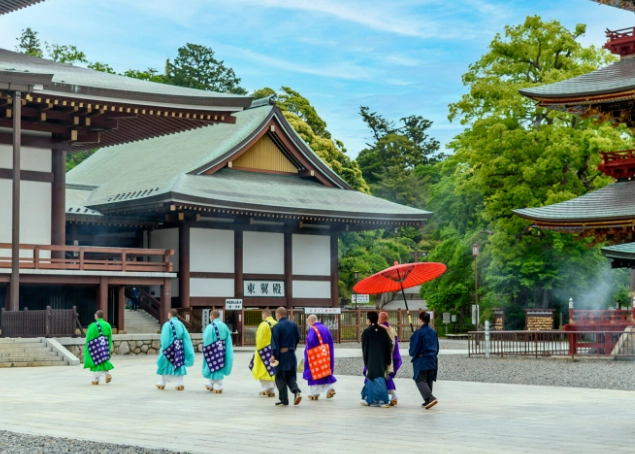
The Cultural & Historical Zone
Narita isn't just an airport. Narita-san Shinsho-ji Temple is a massive, active Buddhist complex a 15-minute walk from the station. The approach road, Omotesando, is lined with shops selling unagi (eel)—a local specialty. The temple grounds are vast and peaceful, a world away from the airport chaos. Further afield, Sawara is known as "Little Edo" for its preserved canal district. You can take a traditional boat ride there. It's quiet, photogenic, and most tourists never hear of it.
The Family & Nature Zone
If you're traveling with kids, Mother Farm in Futtsu is a hit. It's a huge working farm with animal feeding, shows, and fruit picking (seasonal). The views of Tokyo Bay are stunning. Admission is around ¥1,500 for adults. Another unique spot is the Chiba Prefectural Boso-no-Mura open-air museum, which recreates a traditional Japanese village. It's hands-on and educational.
How to Get Around Chiba: Transport Made Simple
This is where trips get derailed. The JR East network and local private lines cover most places, but the passes are key.
| Pass Name | Best For | Coverage & Price (Approx.) | Where to Buy |
|---|---|---|---|
| Tokyo Wide Pass | Visitors based in Tokyo wanting day trips to Disney, Narita, or Kamakura. | 3 consecutive days of unlimited travel on JR lines in the greater Tokyo area, including Narita Express and trains to Disney. ¥15,000. | Major JR East stations (Shinjuku, Tokyo, Ikebukuro) or online for foreign passport holders. |
| N'EX Round Trip Ticket | Round-trip airport transfer between Narita and Tokyo. | Round-trip on the Narita Express to Tokyo, Shinagawa, Shibuya, Shinjuku, etc. ¥5,000 (valid 14 days). | Narita Airport Terminal 1 & 2 JR East Travel Service Centers. |
| Local Buses | Reaching coastal towns and rural attractions. | Essential for areas like Kujukuri-hama. Fares are typically paid upon boarding (¥200-¥500 per ride). | On the bus. Have coins ready. |
Renting a car is a game-changer for the coastal and rural areas. Companies like Toyota Rent-a-Car have offices at Narita Airport and major stations. A compact car costs about ¥7,000-¥10,000 per day. Driving is on the left, and signs are in English and Japanese. The Boso Peninsula is perfect for a road trip.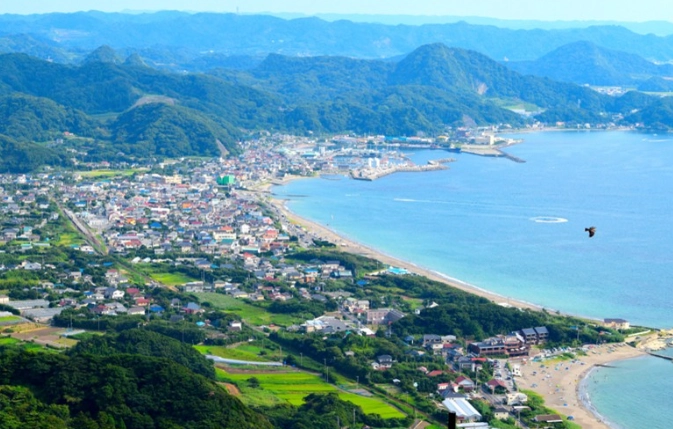
Where to Stay: From Airport Hotels to Beachfront Ryokans
Your base depends on your goal. The classic mistake is staying only in Tokyo and doing exhausting day trips to Chiba. Sometimes, it's better to base yourself locally.
- For Airport Layovers/Early Flights: The Narita Airport Rest House is literally inside Terminal 2. It's no-frills but unbeatable for convenience. For more comfort, the Hilton Narita or Marroad International Hotel offer free airport shuttles every 10-20 minutes.
- For Disney: As mentioned, the Official Partner Hotels offer the best balance of benefit and value. The Sheraton Grande Tokyo Bay Hotel is directly on the monorail loop.
- For the Coast: Try a minshuku (family-run guesthouse) or ryokan in Onjuku or Katsuura. Hotel Ocean in Onjuku has western-style rooms with ocean views. Expect to pay ¥15,000-¥25,000 per person with dinner and breakfast included.
- For Culture/Narita Town: Stay near Narita Station, not the airport. The APA Hotel Narita-Ekimae is a reliable business hotel a 3-minute walk from the station, putting you steps from the temple approach.
Insider Tip: If you're flying out of Narita late in the day, don't waste a morning checking out of a Tokyo hotel and hauling luggage. Book a last night at an airport hotel. Store your bags at the airport in the morning, do some last-minute sightseeing in Narita town or at the airport's own shopping plaza, then collect your bags and check in refreshed.
What to Eat: A Chiba Food Guide
Chiba's cuisine is defined by its geography: long coastline and fertile farmland.
Unagi (Eel): Narita is famous for it. The unagi here is typically broiled with a slightly sweeter, thicker sauce than elsewhere. Try it at one of the centuries-old restaurants on Omotesando like Kawatoyo. A full unagi set meal will cost ¥3,000-¥5,000.
Peanuts: Chiba is Japan's top peanut producer. You'll find peanut soft-serve ice cream, peanut miso, and even peanut ramen. The Chiba Prefectural Museum shop sells all sorts of peanut snacks.
Seafood: The morning markets are your friend. Sashimi is incredibly fresh and cheap. Look for local fish like sayori (halfbeak) and katsuo (bonito).
Local Sake: The water and rice make for excellent sake. Brands like Matsunami and Eikun are worth seeking out in izakayas or liquor stores.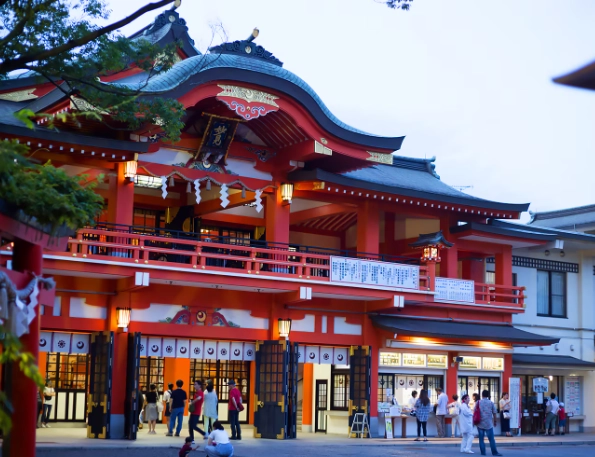
Planning Your Trip: Itineraries & Insider Tips
Sample 3-Day Chiba-Centric Itinerary
Day 1: Arrival & Narita Immersion. Land at Narita. Check into a hotel near Narita Station. Explore Narita-san Shinsho-ji Temple in the late afternoon when the day-trippers have left. Dinner of unagi on Omotesando.
Day 2: The Pacific Coast. Take a train to Ohara or Kazusa-Ichinomiya Station, then a bus/taxi to Kujukuri-hama. Spend the day surfing, beachcombing, or visiting the Kujukuri Hamabe no Michi cycling road. Stay overnight in a coastal minshuku.
Day 3: Culture or Disney. Option A: Head to Sawara for the "Little Edo" canals and boat ride before returning to Narita for your flight. Option B: Dedicate the full day to Tokyo DisneySea.
The One Big Mistake Everyone Makes
They treat Chiba as a transit corridor. The prefecture's official tourism site, Visit Chiba, has loads of updated info, but few people look. They miss events like the Sawara summer festival or the Tateyama firefly viewing. A little research beyond the top-5 Google results pays off massively here.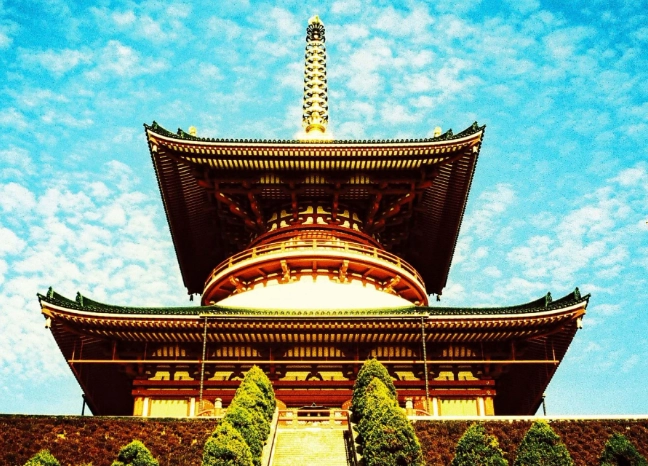
Comments