Quick Guide to Okinawa
- First Things First: When Should You Actually Visit Okinawa?
- Beyond the Main Island: Where in Okinawa Should You Go?
- Diving Deeper: Experiencing Ryukyu Culture (It's Not Just Shuri Castle)
- The Practical Stuff: Getting Around, Staying, and Not Breaking the Bank
- Your Okinawa Questions, Answered (The Stuff You Actually Google)
- Final Thoughts: What Makes Okinawa Special
Let's be honest, when you think of Japan, you probably picture Tokyo's neon lights, Kyoto's ancient temples, or maybe Hokkaido's snow. Okinawa? It often gets lumped in as just a beach destination. But after spending weeks there, getting lost in its markets, talking to locals about their history, and yes, floating in its absurdly blue water, I can tell you it's a world apart. It's a place where the pace slows, the smiles are genuine, and the culture has a depth that most travel brochures completely miss.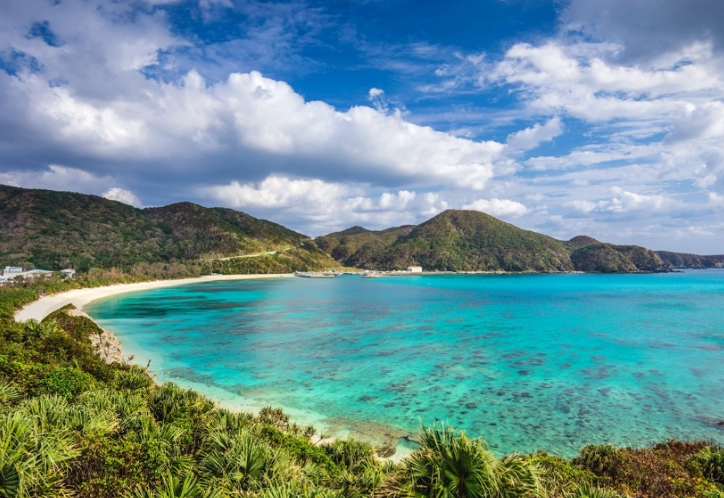
This isn't a generic list of tourist spots. This is the guide I wish I had before I went—a mix of must-sees, deep cultural dives, practical truths (good and bad), and answers to all those little questions that pop up when you're planning. We're talking about the real Okinawa, from the soulful Ryukyu kingdom roots to the best spot for taco rice.
First Things First: When Should You Actually Visit Okinawa?
Timing is everything here. Get it wrong, and you're either dealing with relentless rain or hiding from a typhoon. The classic "best time" is late March to early May (cherry blossoms are a different, earlier variety here!) and October to November. The weather is golden, crowds are manageable, and the ocean is still swimmable.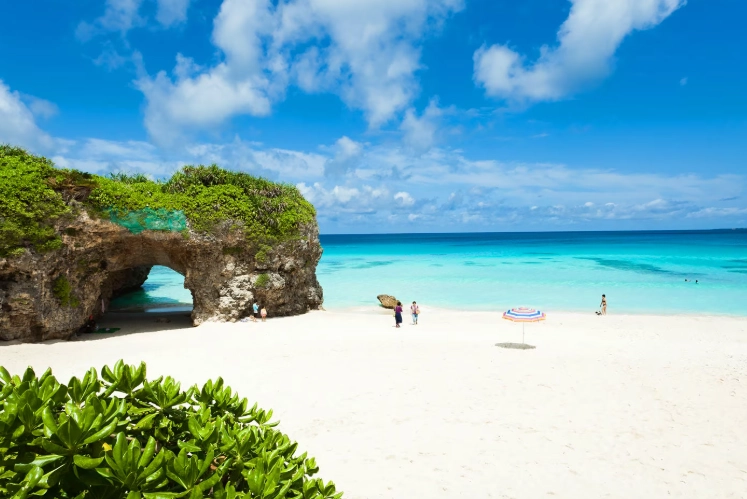
But let's break down the realities of each season, because your perfect time depends on what you want.
| Season | Pros | Cons & What to Know | Best For |
|---|---|---|---|
| Spring (Mar-May) | Pleasant temps, low humidity, Okinawan cherry blossoms (Jan-Feb), great for hiking & exploring. | Ocean can still be chilly in early March. Can be windy. Golden Week (late Apr/early May) is packed and expensive. | Culture vultures, active travelers, photographers. |
| Summer (Jun-Aug) | Guaranteed hot beach weather, vibrant festivals, perfect sea conditions for diving & snorkeling. | Humidity is intense. Rainy season (May-Jun) brings downpours. Peak of typhoon risk (Jul-Oct). Crowded and pricey. | Beach bums, divers, festival-goers who don't mind heat. |
| Autumn (Sep-Nov) | Typhoon season winds down, sea remains warm, comfortable air temps, great food festivals. | Early September is still prime typhoon territory. Seaweed can wash up on some beaches post-storms. | Foodies, snorkelers, travelers seeking good value post-summer. |
| Winter (Dec-Feb) | Cheapest time to visit, least crowded, cool & dry weather for sightseeing. Whale watching season! | Too cold for most to swim (sea temps drop to ~20°C/68°F). Some water activities/restaurants on remote islands close. | Budget travelers, whale watchers, culture explorers. |
My personal take? I went in late October. The water was like a bath, the sun was strong but not oppressive, and I only had one afternoon of rain. It felt like I hit the jackpot. Summer might be tempting for that perfect beach photo, but the sticky heat can really wear you down if you're trying to do more than lounge by the pool.
Beyond the Main Island: Where in Okinawa Should You Go?
Okinawa Prefecture is a sprawling chain of 160 islands. Just flying into Naha and staying put is like going to California and only seeing LAX. The character changes dramatically from island to island.
Okinawa Main Island (Okinawa Honto)
This is the hub. Naha, the capital, is where you'll likely fly into. It's busy, urban in parts, but packed with history in places like Shuri Castle (a reconstruction, but powerful nonetheless) and the bustling Makishi Public Market. The central and northern parts of the main island are where you find the famous Churaumi Aquarium (worth the hype, in my opinion), stunning coastlines like Cape Manzamo, and most of the resort hotels.
The Kerama Islands
A short, high-speed ferry ride from Naha (30-50 mins), these are your postcard-perfect getaways. Tokashiki, Zamami, and Aka are the main ones. We're talking powder-white sand, water with a visibility that feels impossible (often over 50 meters), and a laid-back, one-road vibe. If you have even two extra days, go here. It's the easiest way to experience "remote island" life without a complicated journey.
Miyako and Ishigaki/Iriomote (The Far-Flung Gems)
These require a separate flight from Naha (or direct from some Asian hubs). Miyakojima is famed for some of Japan's most breathtaking beaches like Yonaha Maehama. Ishigaki is the gateway for adventurers to Iriomote Island, which is 90% dense jungle and mangrove—home to the elusive Iriomote wildcat. This is for travelers who want to feel truly away from it all and don't mind planning a bit more.
So, which Okinawa is for you? If it's your first time and you want a mix of culture, convenience, and beach time, base yourself on the main island and do a day trip or overnight to the Keramas. If your soul craves nothing but sand, sea, and stars, fly straight to Miyako or Ishigaki.
Diving Deeper: Experiencing Ryukyu Culture (It's Not Just Shuri Castle)
This is the part most guides skimp on, but it's the heart of the place. The Ryukyu Kingdom's influence is everywhere if you know where to look.
Shisa: Those lion-dog statues guarding rooftops and gates? They're not just decorations. They're spiritual protectors, warding off evil. You'll see them everywhere, in all sorts of playful and fierce poses. Buying a Shisa pair (one with an open mouth to invite good, one closed to trap bad) is a meaningful souvenir.
Okinawan Music & Dance: Forget J-pop. The traditional sound of Okinawa is the sanshin, a three-stringed snake-skin banjo-like instrument. Its melancholic, twangy sound is the soundtrack of the islands. You can catch live performances at cultural villages like Ryukyu Mura or even in some bars in Naha's Kokusai Dori area. It's hauntingly beautiful.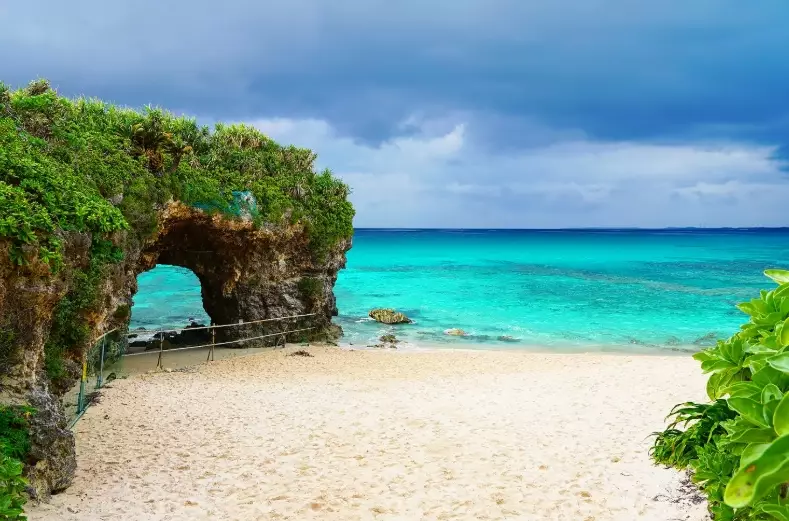
Bingata & Ryukyu Glass: Bingata is a vibrant, hand-dyed textile art using stencils and vivid colors from nature. Ryukyu glass, born from post-war ingenuity using recycled Coke and beer bottles, is characterized by its bubbles, swirls, and rich colors. Visiting a workshop to see these crafts made is a fantastic way to connect with the artistic heritage. The Okinawa Prefectural Government's culture page lists many recognized intangible cultural assets.
The Food (A Culture Unto Itself): Okinawan cuisine is built for longevity (Okinawa was once a famed Blue Zone). It's hearty, often using pork creatively (think Rafute - braised pork belly), bitter melon (Goya Champuru), and purple sweet potato. It's distinctly different from mainland washoku. You have to try the local soba—thick wheat noodles in a rich pork broth, nothing like the buckwheat soba up north.
And then there's the American influence from the post-war period. This is where you get taco rice—a glorious pile of seasoned ground beef, lettuce, tomato, cheese, and salsa on a bed of rice. It sounds weird, tastes incredible, and is a perfect example of Okinawa's unique fusion culture.
The Practical Stuff: Getting Around, Staying, and Not Breaking the Bank
Let's get real about logistics. This can make or break your Okinawa trip.
Transportation: On the main island, public buses exist but are slow and infrequent outside Naha. To truly explore at your own pace, renting a car is almost essential. They drive on the left, and international driving permits are required for most foreign licenses. For the outer islands, scooters or rental cars are the way to go. Taxis are expensive for long distances.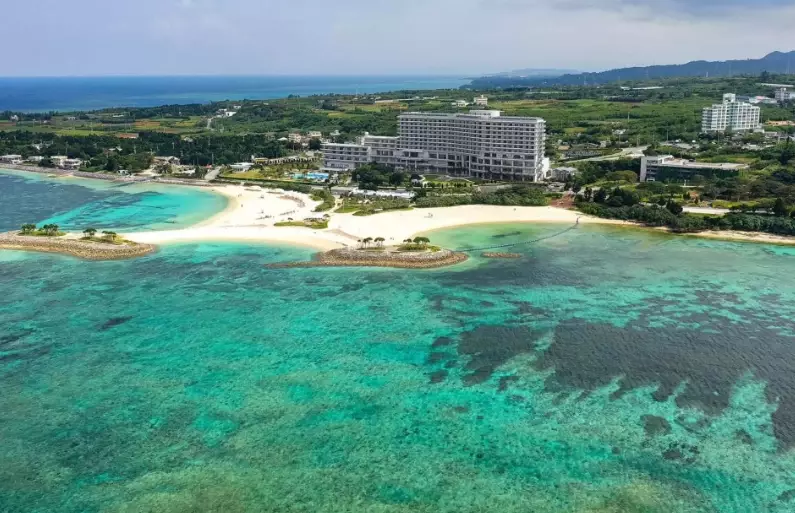
Accommodation: You've got the full spectrum. Naha has business hotels near the monorail line. The resort coast in the north (like Onna Village) has large international chains and luxury resorts. On the smaller islands, family-run minshuku (guesthouses) are the norm—basic but clean, often with incredible home-cooked meals included. Booking these can require a bit of Japanese or using a booking site that specializes in Japan.
Budget Tips: Okinawa can be pricey, but it doesn't have to be.
- Eat like a local: Skip the fancy hotel restaurants. Hit up the public markets (Makishi is great), small soba shops, and family-run izakayas. A bowl of fantastic soba can be under 800 yen.
- Travel off-peak: As the table showed, flights and hotels are significantly cheaper in winter and early spring/late autumn.
- Free attractions: Some of the best things are free: hiking to Cape Hedo (the northernmost point), exploring the countless beaches, wandering through traditional villages like Bise Fukugi Tree Path.
- Check combo tickets for attractions like the Ocean Expo Park (which houses Churaumi Aquarium).
Your Okinawa Questions, Answered (The Stuff You Actually Google)
Is Okinawa safe for solo travelers, especially women?
Incredibly safe. Japan's low crime rate extends to Okinawa. I traveled solo for a portion of my trip and never felt uneasy, even walking at night in Naha. Normal precautions apply, of course, but it's one of the least worrisome destinations I've been to.
How many days do I need in Okinawa?
This is the big one. To just scratch the surface of the main island, give it 4-5 full days. To include a 2-night trip to the Kerama Islands, you'll want a full week. To properly explore Miyako or the Yaeyama Islands (Ishigaki/Iriomote), plan for 5-7 days just for that region. Don't try to cram too many islands into one trip—you'll spend all your time in transit.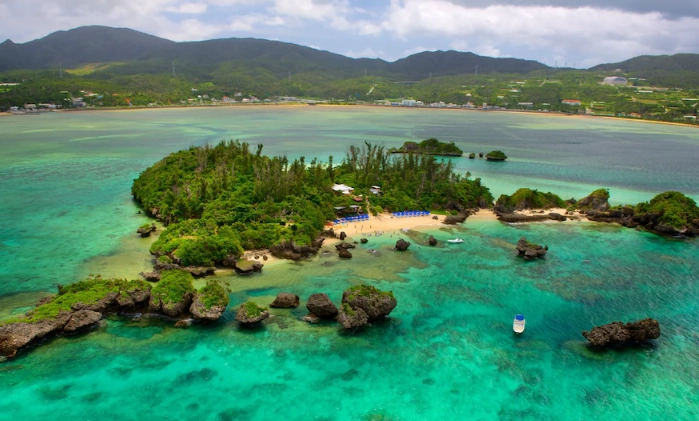
Do I need to speak Japanese?
It helps immensely, especially on the outer islands. In Naha and tourist hubs, you'll find basic English at hotels, major attractions, and some restaurants. But off the beaten path, menus and signs are often Japanese-only. Learning a few key phrases (arigatou - thank you, sumimasen - excuse me) goes a long way. A translation app on your phone is a lifesaver for menus.
What's the deal with the US military bases?
They are a visible and complex part of modern Okinawa. You might see fenced-off areas or hear aircraft. The relationship between the local community and the bases is a significant and sometimes contentious part of contemporary Okinawan life and politics. It's a layer of history that's important to be aware of as a respectful visitor.
Can I use credit cards everywhere?
No. Major hotels, department stores, and restaurants in tourist areas will take cards. But smaller shops, markets, minshuku, local eateries, and buses on remote islands are often cash-only. Always carry a good amount of yen with you.
Final Thoughts: What Makes Okinawa Special
Okinawa gets under your skin. It's not a place you just check off a list. It's in the slow, warm evenings; the taste of sea grapes and bitter melon; the sound of the sanshin on a quiet night; the profound sense of a culture that has endured so much yet remains so open and vibrant.
It challenges the typical image of Japan. It's messy, complex, heartbreakingly beautiful, and endlessly fascinating. You come for the beaches, sure. But you leave remembering the spirit of the people and the unique rhythm of the islands.
Oh, and pack strong sunscreen. The subtropical sun is no joke. Trust me on that one.

Comments