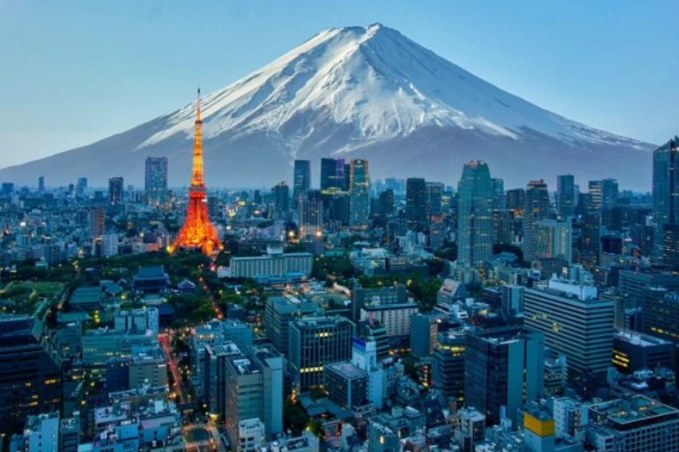
Two weeks in Japan is the sweet spot. It's enough time to feel the electric pulse of Tokyo, soak in the timeless serenity of Kyoto, and dive into the culinary chaos of Osaka without feeling completely rushed. I've done this trip multiple times, tweaking it after every visit. This itinerary is the result – it balances iconic sights with hidden local spots, considers practical logistics like train times, and leaves room for you to breathe and get lost (in a good way). Forget just ticking boxes; this plan helps you experience the country.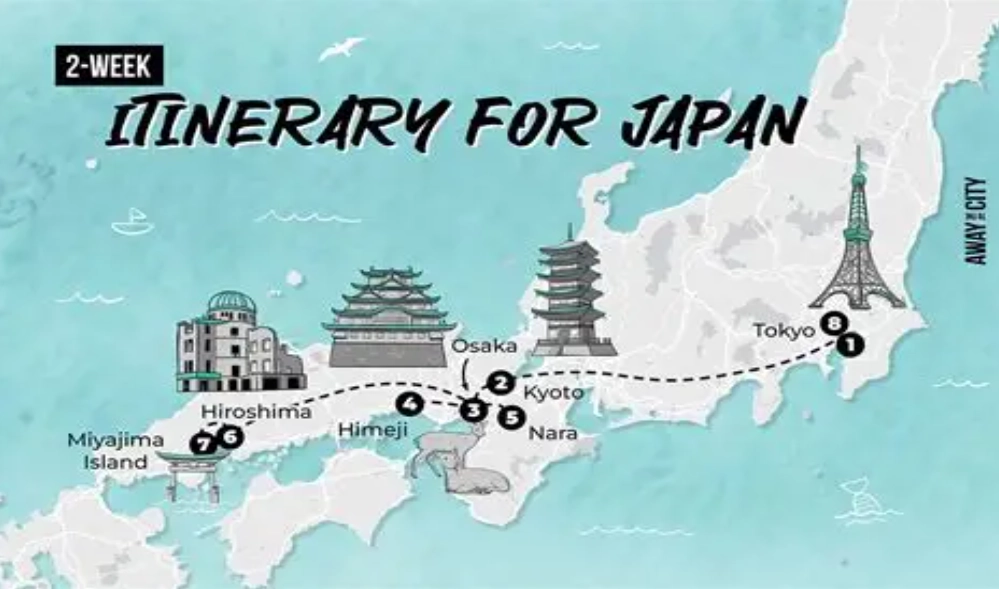
Your Journey at a Glance
The 14-Day Route: A Visual Overview
Here’s the flow: Land in Tokyo, spend six nights diving into its different districts. Take the shinkansen (bullet train) to Kyoto for five nights, using one of those days for a side trip to Nara. Then, hop on a quick local train to Osaka for three nights before flying out from Kansai International Airport (KIX). This order is strategic – you start with the most intense city and end with the most relaxed, food-focused one, with the cultural heart in the middle.
Your Day-by-Day Breakdown
This isn't a rigid minute-by-minute schedule. Think of it as a framework. Mornings are for major sights to beat crowds. Afternoons allow for exploration or rest. Evenings are for food and neighborhoods.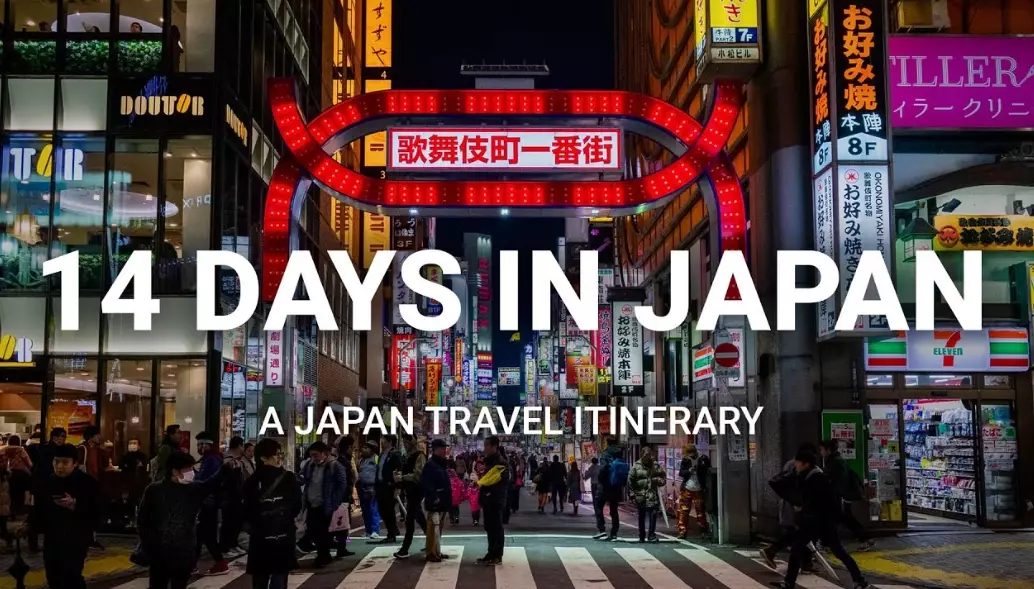
Tokyo: Days 1-6
Day 1: Arrival & Shinjuku. Land, clear immigration, pick up your pocket WiFi or SIM at the airport. Take the Narita Express or Keikyu Line to your hotel. Don't plan much. Just settle in, fight jet lag with a walk around Shinjuku. See the Metropolitan Government Building's free observatory for a panoramic view. Have your first dinner in Omoide Yokocho ("Piss Alley") – it's cramped, smoky, and utterly authentic. Try yakitori.
Day 2: Shibuya & Harajuku. Morning at Meiji Jingu Shrine. It's a forest in the city. Exit towards Harajuku for Takeshita Street (go early to avoid the worst crowds). For lunch, find a tonkatsu place. Afternoon in Shibuya: the scramble crossing, Hachiko statue. I often skip the Starbucks view and go to the Magnet by Shibuya109 building's rooftop instead (costs about 500 yen).
Day 3: Asakusa & Tokyo Skytree. Start at Senso-ji Temple. The Nakamise shopping street opens around 9 AM. Get a fresh ningyo-yaki (small cake). Afternoon, walk to Tokyo Skytree. Book tickets online to skip lines. The view is undeniable, but it's pricey (around 3,100 yen for the Tembo Deck). A cheaper alternative is the Tokyo Metropolitan Building you already saw.
Day 4: TeamLab & Odaiba. Book teamLab Planets TOKYO tickets weeks in advance for a morning slot. Address: 6-1-16 Toyosu, Koto-ku. Admission: 3,800 yen. It's an immersive digital art experience – you'll get wet, so wear shorts. Afterwards, take the Yurikamome line to Odaiba for futuristic architecture and the Gundam statue.
Day 5: Akihabara & Ueno. Morning in Akihabara for electronics and anime culture. Don't just stare; go into a multi-story arcade. Afternoon in Ueno Park. The Tokyo National Museum is vast – pick one wing. The park itself is lively with street performers.
Day 6: Tsukiji Outer Market & Ginza. Early start for Tsukiji Outer Market. It's not the old wholesale auction, but the food stalls and small restaurants are fantastic. Eat fresh sushi for breakfast. Then walk to Ginza for high-end window shopping. Relax before your Kyoto trip tomorrow.
Kyoto: Days 7-11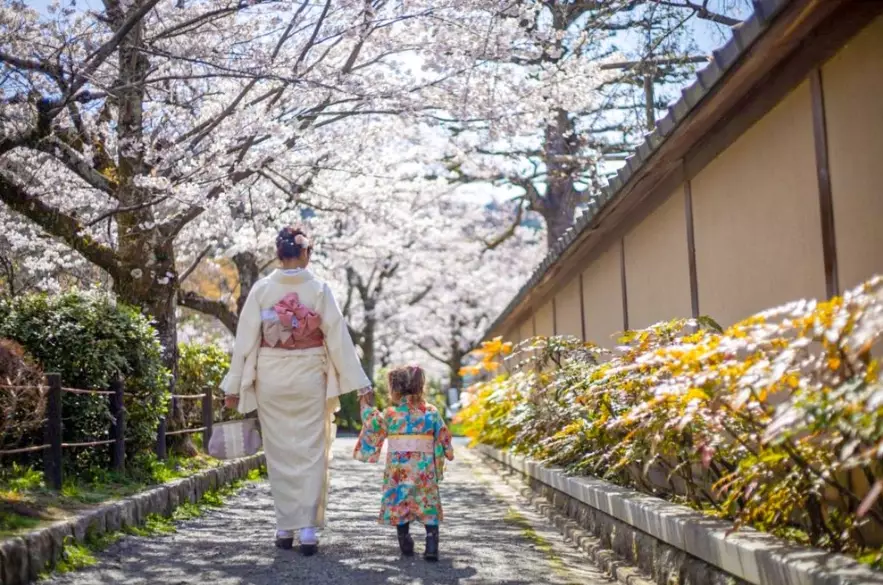
Take the morning shinkansen from Tokyo Station to Kyoto Station (about 2 hours 15 minutes on the Nozomi). Store your luggage in a station coin locker and start exploring.
Day 7: Arrival & Southern Higashiyama. After dropping bags at your hotel, head to Kiyomizu-dera Temple. The walk up Sannen-zaka and Ninen-zaka slopes is beautiful but packed. Go late afternoon; crowds thin slightly. The temple admission is 400 yen. Wander through Gion in the evening to spot maiko (apprentice geisha) scurrying to appointments.
Day 8: Arashiyama. Get to the Arashiyama Bamboo Grove by 7:30 AM. I'm serious. By 9 AM, it's a human highway. Afterwards, visit Tenryu-ji Temple (500 yen) with its stunning garden. Then, cross the Togetsukyo Bridge. Many miss the Okochi Sanso Villa (1,000 yen) – a quiet, privately-owned garden with a free matcha tea included. Worth it.
Day 9: Fushimi Inari & Downtown. Another early one. Fushimi Inari Shrine is open 24/7. Go for 7 AM to have the iconic torii gate paths somewhat to yourself. It's free. You don't need to hike the whole 2-hour loop; even 30 minutes in is rewarding. Afternoon in downtown Kyoto: Nishiki Market for food samples, then explore Pontocho Alley.
Day 10: Day Trip to Nara. A 45-minute train ride from Kyoto. Feed the (sometimes pushy) deer in Nara Park. Visit Todai-ji Temple (600 yen) to see the giant Buddha. The scale is humbling. Kasuga Taisha Shrine, with its thousands of stone lanterns, is a short walk away. Return to Kyoto by late afternoon.
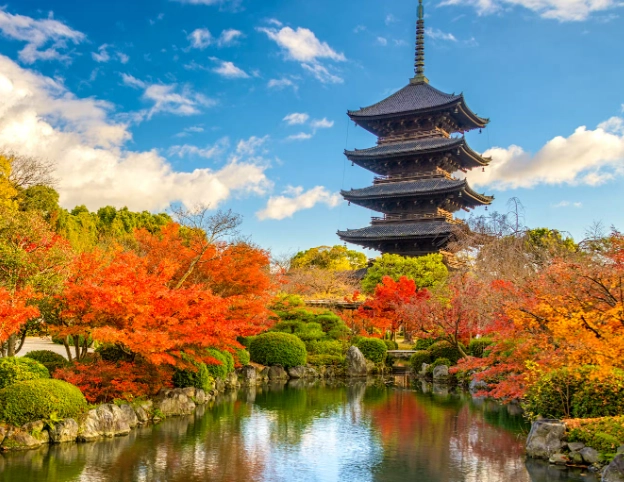
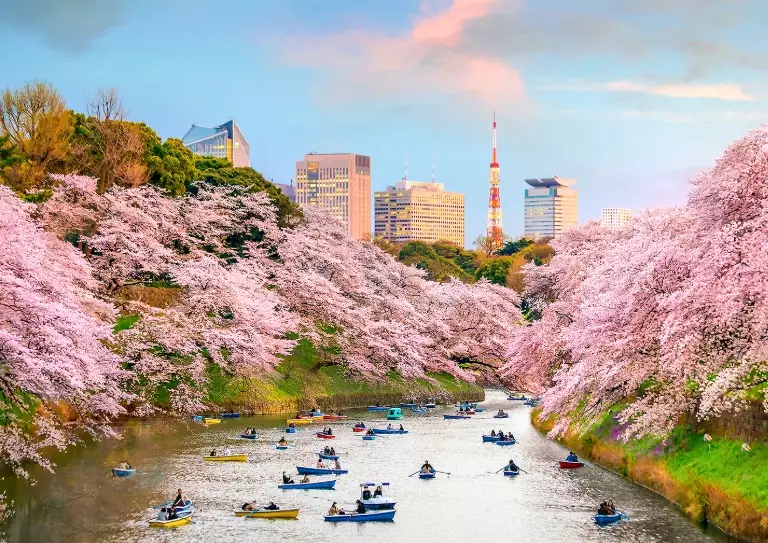
Day 11: Philosopher's Path & Northern Kyoto. A slower day. Walk the Philosopher's Path, especially nice if cherry blossoms or autumn leaves are out. Visit Ginkaku-ji (the Silver Pavilion, 500 yen) or the less crowded Honen-in Temple (free). Pack for Osaka tomorrow.
Osaka: Days 12-14
A short 30-minute train from Kyoto to Osaka Station.
Day 12: Osaka Castle & Dotonbori. Osaka Castle is a reconstruction, but the museum inside is good, and the views are fine (600 yen). The surrounding park is lovely. Spend the evening in Dotonbori. This is Osaka's heart. See the Glico Running Man sign, the giant crab, and eat takoyaki from a street stall. The energy is contagious.
Day 13: Shinsekai & Kuromon Market. Morning at Kuromon Ichiba Market, known as "Osaka's Kitchen." Try fresh seafood bowls. Then go to Shinsekai, a retro-futuristic district with the Tsutenkaku Tower. It feels like a time capsule. For dinner, have kushikatsu (deep-fried skewers) here. The rule: no double-dipping your skewer in the shared sauce!
Day 14: Departure. Last-minute shopping for kit kat flavors or souvenirs. Take the Nankai Line or Haruka Express to Kansai International Airport (KIX) for your flight home.
How to Get Around: The JR Pass Question
The Japan Rail Pass used to be a no-brainer. After the major price hike in late 2023, you need to do the math. For this specific itinerary, it's often on the borderline.
- The Calculation: A one-way Tokyo-Kyoto shinkansen ticket (Nozomi) costs around 14,000 yen. A round trip is 28,000 yen. A 7-day Ordinary JR Pass is about 50,000 yen. You'll also use it for the Kyoto-Nara trip, local JR lines in Tokyo (like the Yamanote Line), and the trip to Osaka/KIX. It might just pay off or save a small amount.
- My Advice: Use the official JR Pass calculator or a third-party one. If the savings are minimal (less than 2,000 yen), I'd skip it. The freedom to take the faster Nozomi trains (not covered by the pass) and not having to exchange paper tickets at stations can be worth a small premium for convenience.
- Alternatives: For intra-city travel, get a rechargeable IC card (Suica or Pasmo) as soon as you land. Tap and go on almost all trains, buses, and at convenience stores.
Where to Stay: Neighborhood Picks & Hotels
Location is everything. You want to be near a major train station to save commuting time.
| City | Best Neighborhoods | Hotel Recommendations (Mix of Budget & Mid-range) | Why It Works |
|---|---|---|---|
| Tokyo | Shinjuku, Shibuya, Ginza, Tokyo Station area | Shinjuku: Hotel Sunroute Plaza Shinjuku (good value, 5-min walk to station). Shibuya: Shibuya Excel Hotel Tokyu (directly over the station). Budget: The Millennials Shibuya (capsule/pod hotel with great lounge). | Central hubs with multiple train/subway lines. Shinjuku is a nightlife and transport epicenter. |
| Kyoto | Near Kyoto Station, Gion/Southern Higashiyama, Karasuma/Oike | Kyoto Station: Hotel Keihan Kyoto Grande (connected to station). Gion: Gion Hotel Sano (traditional feel). Mid-range: Hotel The Celestine Kyoto Gion (excellent service, quiet location). | Kyoto Station is the main transport hub. Staying in Gion is atmospheric but can be pricier and have smaller rooms. |
| Osaka | Namba, Umeda (Osaka Station), Shin-Osaka Station area | Namba: Hotel Nikko Osaka (connected to Nankai line to KIX). Umeda: Hotel Hankyu Respire Osaka. Budget-friendly: Dotonbori Hotel (right in the action, expect some noise). | Namba is the heart of food and entertainment (Dotonbori, Shinsaibashi). Umeda is a major business/shopping hub. |
What You Must Eat & Where
This is a food-focused itinerary. Don't just eat at random places; seek these out.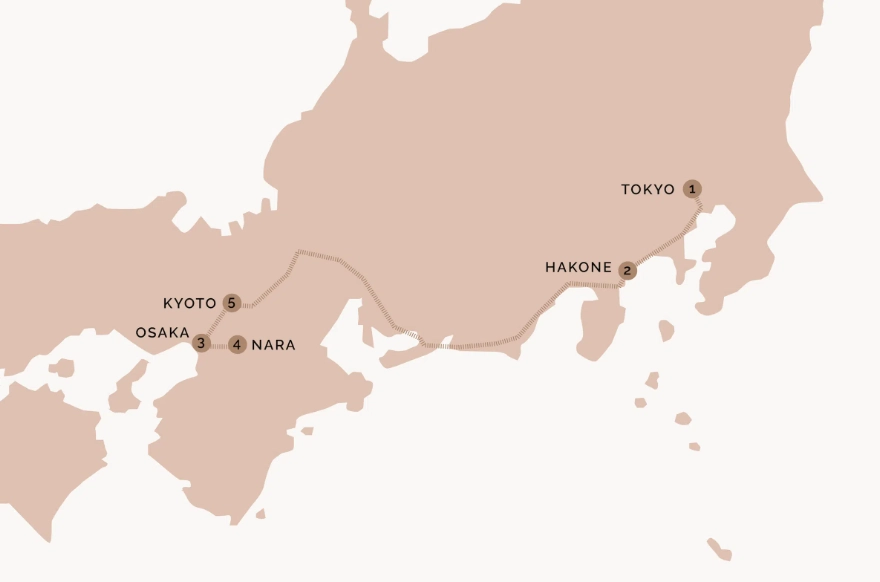
- Tokyo – Sushi: For a high-end omakase, try Sushi Saito (impossible to book, but try). For a fantastic, accessible alternative, go to Sushi Dai in Toyosu Market (very long queues) or Uogashi Nihon-Ichi (standing sushi bar chain, solid quality).
- Tokyo – Ramen: Ichiran is a famous chain for tonkotsu, with solo booths. For something different, try Tsuta in Sugamo, the first ramen shop to get a Michelin star (for its shoyu ramen). You need to get a ticket from a machine early.
- Kyoto – Kaiseki: A multi-course seasonal meal. Kikunoi is legendary but expensive. For a great mid-range option, try Gion Owatari. Book through your hotel concierge.
- Kyoto – Yudofu: Tofu hot pot. Okutan near Nanzen-ji Temple is the most famous, operating since the 1600s. Set menu around 3,000-4,000 yen.
- Osaka – Takoyaki: Takoyaki Juhachiban in Dotonbori. Be prepared to queue. Creamy inside, crispy outside.
- Osaka – Okonomiyaki: Savory pancake. Mizuno in Dotonbori is iconic (long wait). Chibo is a reliable chain found in many department stores.
A Realistic Budget Breakdown
Let's talk numbers for a mid-range traveler (not luxury, not shoestring). Prices are per person in JPY.
| Category | Estimated Cost (14 Days) | Notes & Tips |
|---|---|---|
| Accommodation | 140,000 - 200,000 JPY | Based on 10,000-15,000 JPY/night for a decent business hotel or 3-star. Capsule hotels can cut this in half. |
| Food & Drink | 70,000 - 100,000 JPY | 5,000-7,000 JPY/day. Mix of convenience store breakfasts, mid-range lunches, and nice dinners. Includes some drinks. |
| Transport (Intercity + Local) | 40,000 - 60,000 JPY | Highly variable. Includes potential 7-day JR Pass (~50,000) or point-to-point shinkansen tickets plus IC card top-ups. |
| Attractions & Activities | 15,000 - 25,000 JPY | Temples (300-1,000 yen each), Skytree/TeamLab (~3,000 each), museums. |
| Miscellaneous (Souvenirs, WiFi) | 15,000 - 20,000 JPY | Pocket WiFi rental is ~3,000-4,000 JPY for 2 weeks. |
| Total (Approx.) | 280,000 - 405,000 JPY | Roughly $1,800 - $2,600 USD per person, excluding flights. You can go higher or lower. |
Your Japan Travel Questions Answered
 Should I buy the Japan Rail Pass before my trip or in Japan?
This plan has been stress-tested. It works. It balances the iconic with the intimate, the planned with the spontaneous. Print it, bookmark it, and use it as your foundation. Then go out and make your own discoveries. That hidden izakaya down a tiny alley, the quiet garden you stumble upon, the conversation with a local – those will be the memories that stick with you long after the trip. Have an incredible two weeks in Japan.

Comments