Your Tochigi Trip Cheat Sheet
- Why Tochigi Should Be Your Next Japan Destination
- Top Experiences in Tochigi: From Nikko to Nasu
- Beyond the Crowds: Tochigi’s Hidden Gems
- Savoring Tochigi: Local Food and Where to Find It
- Where to Stay in Tochigi: From Ryokans to City Hotels
- A Sample 3-Day Tochigi Itinerary for First-Timers
- Tochigi Travel FAQ: Expert Tips and Answers
Let's be honest, when most people plan a trip to Japan, their minds jump straight to Tokyo, Kyoto, or Osaka. That's fine. They're amazing. But after a decade of exploring this country, I've found the real magic often lies in the prefectures between the mega-cities. Tochigi is a perfect example. It's the place where you can escape the shoulder-to-shoulder crowds and find a Japan that feels both grand and intimate.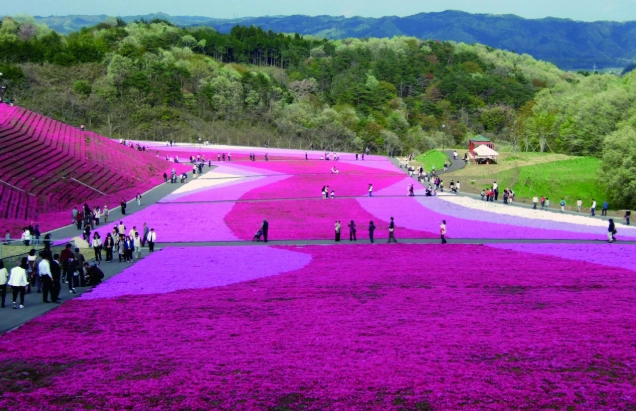
Think of it this way: Tochigi packs UNESCO World Heritage-level craftsmanship, waterfalls that feel like they're from a painting, sprawling highland resorts, and some of the best hot spring water in the Kanto region—all within a 2-hour train ride from Tokyo. Most visitors just do a rushed day trip to Nikko and miss 80% of what makes this place special. This guide is here to fix that.
Why Tochigi Should Be Your Next Japan Destination
You're not just ticking off a shrine. You're diving into a region with layers. The north, around Nasu, is all about volcanic landscapes, luxury farm stays, and outdoor activities. The central area, anchored by Utsunomiya, is a bustling city with a surprisingly edgy food and underground art scene. Then there's the south, the famous Nikko area, where history and nature collide on a spectacular scale.
The connectivity is a huge plus. From Asakusa Station in Tokyo, you can be at Tobu-Nikko Station in about 2 hours on the Tobu Railway Limited Express. Heading to Utsunomiya? The Shinkansen gets you there in under 50 minutes from Tokyo Station. It's accessible, but it doesn't feel overrun—at least, not if you know where to look beyond the main shrine path.
Top Experiences in Tochigi: From Nikko to Nasu
These are the pillars of a Tochigi trip. You can't really skip them.
Nikko Toshogu Shrine
Yes, it's the main event. The shrine complex, final resting place of Tokugawa Ieyasu, is a festival of gold leaf, intricate wood carvings (look for the famous "see no evil, hear no evil, speak no evil" monkeys), and overwhelming detail. The main hall area can feel a bit like a tourist conveyor belt during peak hours.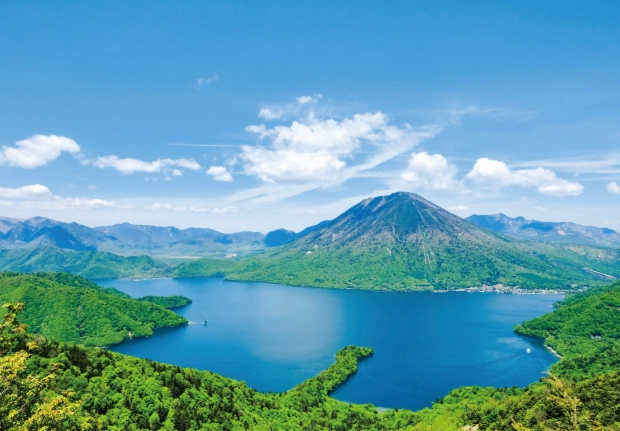
Pro Tip: Your ticket (1300 yen for adults) gets you into the main shrine area, but the real tranquility is at the Taiyuin Mausoleum, the tomb of Ieyasu's grandson. It's a 5-minute walk away, often has 90% fewer people, and is architecturally just as stunning. Go there first.
Address: 2301 Sannai, Nikko, Tochigi 321-1431. Hours: Apr-Oct 8:00-17:00, Nov-Mar 8:00-16:00. Access: 10-minute bus ride from Tobu-Nikko Station (World Heritage Bus).
Kegon Falls and Lake Chuzenji
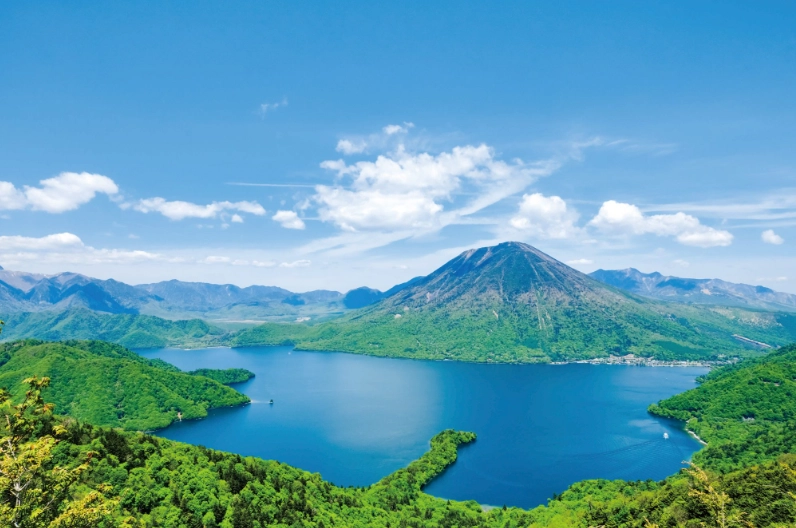
After the history, head up the winding Irohazaka road (by bus or car) to Lake Chuzenji. Kegon Falls, where water from the lake plunges 97 meters, is the star. The paid observation deck (550 yen) gets you right in front of it. The sound is humbling. The lake itself is serene, perfect for a short cruise or a lakeside stroll. The area is significantly cooler than Nikko town below.
Nasu Highlands
A complete change of scenery. This is resort and farm country, popular with Tokyo families. It's about fresh air, hiking up Mt. Nasu-dake (an active volcano you can hike to the rim of), visiting dairy farms for ice cream, and the charming Nasu Animal Kingdom. It's less about ancient temples and more about relaxing in nature. The autumn colors here are ridiculous.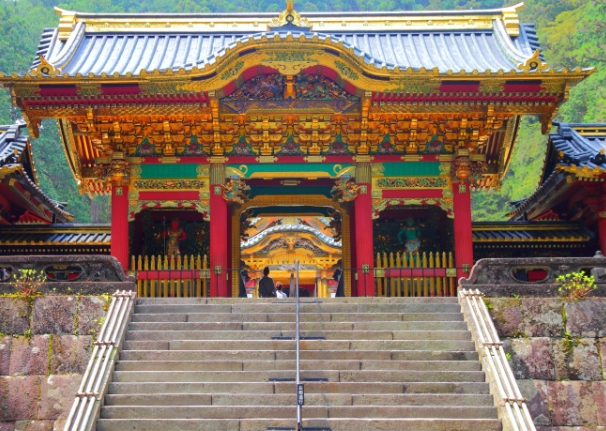
Beyond the Crowds: Tochigi’s Hidden Gems
This is where you get bragging rights.
The Oya History Museum (Oya Shiryokan): This isn't your typical museum. It's a colossal, underground cavern carved from Oya stone, used to build much of Tokyo. The scale is mind-bending—cathedral-like, cool, and eerily beautiful. They even hold concerts down here. It's a short taxi from Utsunomiya Station. Address: 909 Oyamachi, Utsunomiya. Hours: 9:00-17:00. Admission: 800 yen.
Edo Wonderland Nikko Edomura: I'm hesitant to recommend this because it's cheesy, but in the best way. It's a historical theme park recreating the Edo period. You can watch ninja shows, try samurai costumes, and eat period food. If you have kids, or if you're a grown adult who loves immersive, silly fun, it's a blast. If you're a strict temple-purist, skip it. It's about 20 minutes by bus from Nikko.
Ashikaga Flower Park: Depending on the season, this can be a hidden gem or a major draw. From mid-April to mid-May, the Great Wisteria trellises are a world-class spectacle. The park's illumination in winter is also famous. Check their calendar before you go.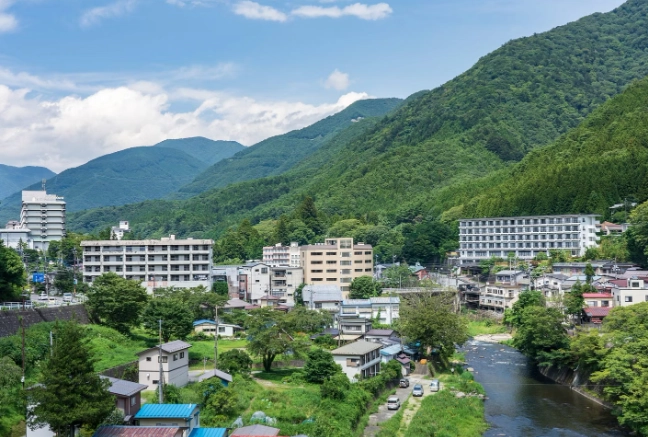
Savoring Tochigi: Local Food and Where to Find It
Tochigi's cuisine is hearty and delicious. Forget fancy kaiseki for a minute.
1. Yuba (Tofu Skin): Nikko's signature. This delicate, creamy skin forms on simmering soy milk. It's served in hot pots, as sashimi, or in countless other ways. Kaneyoji restaurant, inside the historic Nikko Kanaya Hotel, is the classic, slightly upscale spot to try a full yuba course. Lunch sets start around 3,000 yen.
2. Utsunomiya Gyoza: The city claims to be Japan's gyoza capital, with more gyoza shops per capita than anywhere else. The style is crispy, thin-skinned, and heavy on garlic. You can do a gyoza crawl downtown. Gyoza no Ohsho is a reliable chain, but for a local favorite, try Minmin near the station. Expect to pay 300-500 yen for a plate of six.
3. Tochigi Beef & Strawberries: Yes, strawberries. Tochigi is Japan's top strawberry producer. In season (winter-spring), visit a picking farm in Nasu. As for beef, it's a lesser-known but superb wagyu brand. Try it as a steak or sukiyaki at a yakiniku restaurant in Utsunomiya like Utsunomiya Tokusanen.
Where to Stay in Tochigi: From Ryokans to City Hotels
Your base defines your trip. Here’s a breakdown of the best areas and specific stays.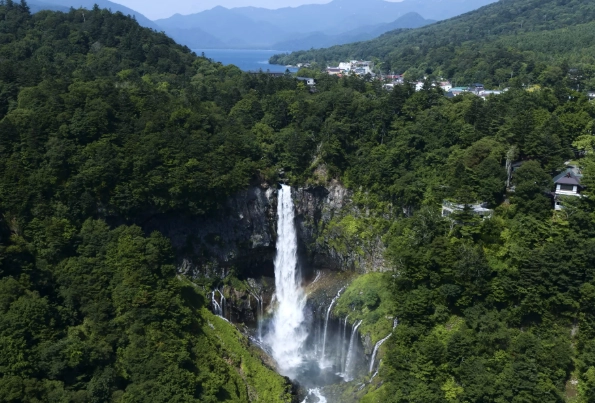
| Hotel / Ryokan | Type & Area | The Vibe & Key Feature | Price Range (per night) |
|---|---|---|---|
| Nikko Kanaya Hotel | Historic Hotel, Nikko | Japan's oldest resort hotel (1873), Western-style with immense character. Feels like stepping into a novel. Their yuba restaurant is top-tier. | 20,000 - 40,000 JPY |
| Kinugawa Onsen Hotel | Onsen Ryokan, Kinugawa | Classic hot spring town vibe. Many rooms have river views and private open-air baths. Less crowded than Hakone, more relaxed. | 15,000 - 30,000 JPY (with meals) |
| Utsunomiya Tobu Hotel | Business Hotel, Utsunomiya | Right above JR Utsunomiya Station. Ultra-convenient for gyoza crawls and Shinkansen access. Clean, efficient, no frills. | 8,000 - 12,000 JPY |
| Cottage Inn Nasu | Villa / Cottage, Nasu | Perfect for families or groups. Your own little house with kitchenette, often near farms. Space, privacy, and a homey feel. | 25,000 - 50,000 JPY (for whole cottage) |
My personal take? If it's your first time and you want the full experience, splurge for one night at a ryokan in Kinugawa with a kaiseki dinner and breakfast. The slow pace and ritual of an onsen stay is quintessential Tochigi.
A Sample 3-Day Tochigi Itinerary for First-Timers
This balances the big sights with local flavor and avoids backtracking.
Day 1: The Heart of Nikko. Take the early Spacia train from Asakusa to Tobu-Nikko. Store luggage. Visit Rinnoji Temple first, then the Taiyuin Mausoleum. Have lunch (yuba soba). Explore Toshogu Shrine in the afternoon when day-trippers start thinning. Check into your Nikko or Kinugawa hotel. Soak in the onsen.
Day 2: Nature & Transition. Morning bus to Kegon Falls and Lake Chuzenji. Hike a bit or take the cruise. After lunch, take a bus/train to Utsunomiya. Check into a hotel near the station. Evening = Gyoza Crawl in the downtown area.
Day 3: Underground & Home. Morning taxi to the Oya History Museum (book in advance if you want an English guide). Spend 2 hours marveling at the space. Return to Utsunomiya for a late lunch (maybe Tochigi beef). Catch the Shinkansen back to Tokyo, or extend your journey north to Nasu.
Tochigi Travel FAQ: Expert Tips and Answers
Tochigi isn't a place you just see. It's a place you feel. The cool mist from Kegon Falls, the smooth heat of the onsen water, the satisfying crunch of a perfectly fried gyoza, the awe inside a stone quarry turned art space. It offers a depth of experience that most whistle-stop tours completely miss. So, next time you're planning a Japan trip, look just north of Tokyo. Give yourself more than a day. Tochigi is waiting.
Comments