I almost skipped Shikoku. My first trip to Japan was the usual golden route: Tokyo, Kyoto, Osaka. It was incredible, sure, but also packed. Years later, looking for something different, I landed in Takamatsu. The air felt cleaner, the pace slower. An old man at a noodle shop smiled and said, "You're off the path." He was right. Shikoku, the smallest of Japan's four main islands, is for travelers, not just tourists. It's where you find the soul of Japan, away from the selfie sticks and souvenir shops. It's defined by the 88 Temple Pilgrimage, but that's just the spine of a place rich with surreal gardens, whirlpools, and some of the best udon on the planet.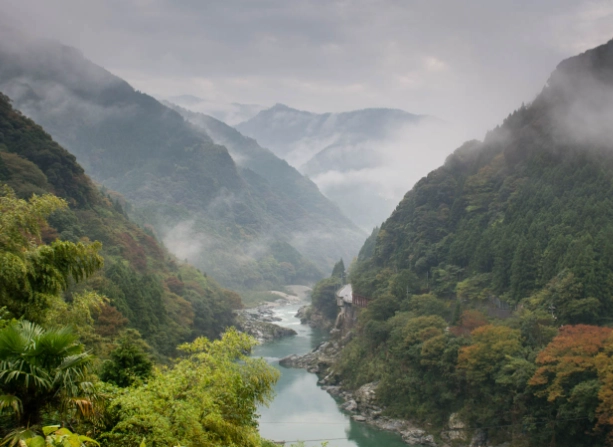
Your Shikoku Journey at a Glance
The 3 Things You Absolutely Cannot Miss
You could spend weeks here, but if time is short, focus on these pillars. They give you the full spectrum.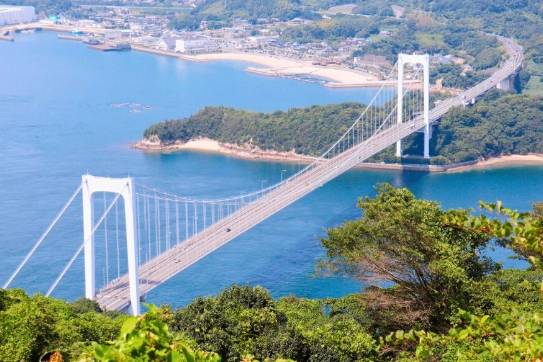
1. Walk a Part of the Shikoku Pilgrimage (Even Just a Bit)
The 88 Temple Pilgrimage (Shikoku Henro) is a 1,200-kilometer loop. Completing it takes 40-60 days on foot. You don't need to do that. The magic is in participating. Visit Kotohira-gu Shrine (Konpira-san) in Kagawa. It's not officially part of the 88, but it's a spiritual center. Climbing the 1,368 steps to the main hall is a pilgrimage in itself. The view? Breathtaking. For a true temple experience, head to Zentsū-ji (Temple 75) in Zentsuji City, Kagawa. It's the birthplace of Kobo Daishi, the pilgrimage's founder. The grounds are vast and peaceful, less curated for mass tourism than famous Kyoto temples. You'll see henro (pilgrims) in white, offering a quiet nod. Join them in getting a temple book (nōkyōchō) stamped. It's a meaningful souvenir.
Kotohira-gu Shrine Details: Address: 892-1 Kotohira, Nakatado District, Kagawa 766-8501. Open: 24/7 for grounds, shrine buildings approx. 8:30 AM - 5:00 PM. Admission: Free to enter, small fee for inner buildings (¥800). Access: 1-hour train from Takamatsu on the Kotohira Line.
2. Get Lost in Ritsurin Garden, Then Eat Udon
Ritsurin Garden in Takamatsu is often called Japan's finest strolling garden. I agree. It's not just a pretty pond. It's a masterpiece of borrowed scenery (shakkei), using Mount Shiun as a backdrop. You can spend hours finding new viewpoints. Take the tea ceremony at the Kikugetsu-tei teahouse—overpriced for the tea, but worth it for the room's perspective over the pond. Right after, you have a mission. Walk 10 minutes to the nearby Sanuki Udon School area. Dozens of udon shops line the streets. Try Kawafuku (address: 5-20 Hyogomachi, Takamatsu). It's basic, locals-packed, and the kake udon (basic broth) is perfection. About ¥500 a bowl.
3. Witness the Power of the Naruto Whirlpools
Between Tokushima and Awaji Island, the Naruto Strait creates some of the world's largest whirlpools. It's a natural phenomenon, not a theme park attraction. You can see them from the Naruto Whirlpool Sightseeing Boats (departing from both Tokushima and Naruto Park). The ride is choppy, the commentary is loud, but seeing a vortex 20 meters in diameter suck in water is humbling. For a free, stunning view, walk across the Ōnaruto Bridge on the Uzu-no-Michi walkway. You look down on the whirlpools. It's surreal. Check tide times—they only appear during tidal shifts.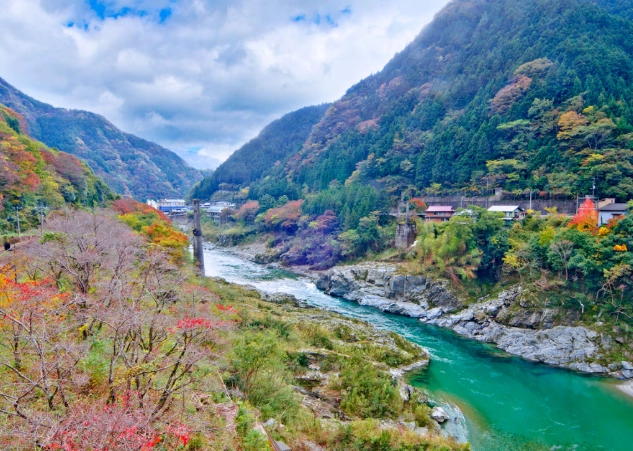
Building Your Perfect Shikoku Itinerary: A 5-Day Blueprint
This loop maximizes scenery and culture without feeling rushed. It assumes you have a rental car, which I strongly recommend.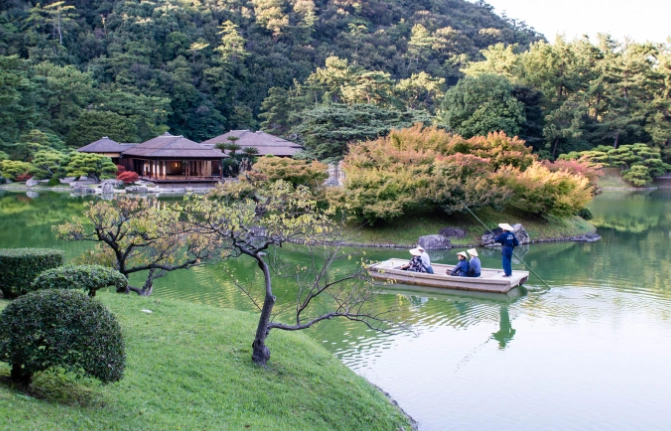
| Day | Base / Route | Highlights & Activities | Where to Sleep |
|---|---|---|---|
| 1 | Takamatsu Arrival | Arrive at Takamatsu Airport (TAK). Pick up rental car. Afternoon at Ritsurin Garden. Evening udon exploration in Tamamo Park area. | Hotel AreaOne Takamatsu (modern, central, ~¥8,000/night) or a business hotel near the station. |
| 2 | Takamatsu → Iya Valley | Drive west into Tokushima's deep mountains. Visit the Iya Vine Bridges (Kazurabashi). Explore the Oboke Koboke Gorge. Soak in a riverside rotemburo (outdoor onsen). | Hotel Iyaonsen. This is the splurge. A cable car goes down to a riverside onsen. Unforgettable. (~¥25,000 with meals). Book months ahead. |
| 3 | Iya Valley → Matsuyama | Scenic drive to Ehime. Stop at Ōzu Castle (a beautiful wooden reconstruction). Arrive in Matsuyama. If energy allows, visit the castle before dusk. | Dogo Onsen area. Stay in a ryokan like Funaya or try the public Dogo Onsen Honkan bath (the inspiration for Spirited Away's bathhouse). |
| 4 | Matsuyama | Matsuyama Castle (take the chairlift). Explore the castle grounds. Afternoon at Ishite-ji (Temple 51), one of the pilgrimage's most atmospheric stops. | Same as Day 3. Enjoy a proper kaiseki dinner at your ryokan. |
| 5 | Matsuyama → Naruto → Departure | Drive to Naruto (approx. 1.5 hrs). See the whirlpools (by boat or bridge). Return car at Tokushima Airport (TKS) or Takamatsu Airport for your flight out. | -- |
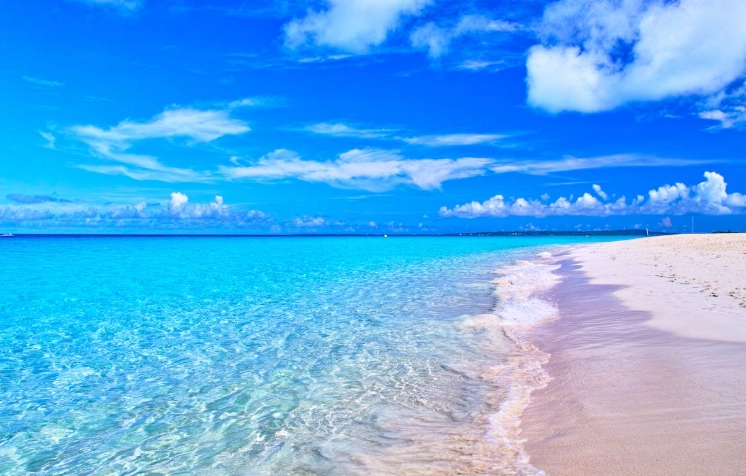
That's the core. Got more time? Add a day in Kochi for its vibrant Sunday market and Katsurahama Beach, or a day on the Shimanto River (Japan's last clear stream) for kayaking.
How to Get Around Shikoku: The Transport Truth Nobody Tells You
Public transport exists. Trains connect major cities. Buses go to remote areas. But here's the raw truth: you will waste precious hours waiting for infrequent buses in the best parts (Iya Valley, Cape Ashizuri). The train network is a loop around the coast, leaving the mountainous interior underserved.
If you absolutely cannot drive, focus on the train loop: Takamatsu → Kotohira → Matsuyama → maybe Tokushima. Use buses for specific day trips (like from Tokushima to Naruto). The All Shikoku Rail Pass (3, 4, 5, or 7 days) can be economical if you're moving a lot by train. Compare prices on the JR Shikoku website.
Where to Stay: From Ryokans to City Hotels
Accommodation defines your Shikoku experience. Don't just book Western-style hotels.
- For Culture & Onsen: Dogo Onsen (Matsuyama). Staying in a ryokan here is mandatory. Dogo Onsen Honkan is the historic public bath. For lodging, Funaya is legendary but pricey. Kamatani Saryo offers a more modern ryokan experience. Expect ¥15,000-¥40,000 per person with dinner and breakfast.
- For Nature Immersion: Iya Valley. This is where you disconnect. Hotel Iyaonsen (mentioned) is iconic. For a budget-friendly, unique stay, try Iya Bijin—a rustic onsen inn with great local food.
- For City Convenience: Takamatsu or Matsuyama. In Takamatsu, area around the station is best. JR Hotel Clement Takamatsu is connected to the station. In Matsuyama, staying near the castle or Dogo Onsen is better than the port area.
The Shikoku Food Guide: More Than Just Udon
Each prefecture has a signature. Missing these is a culinary sin.
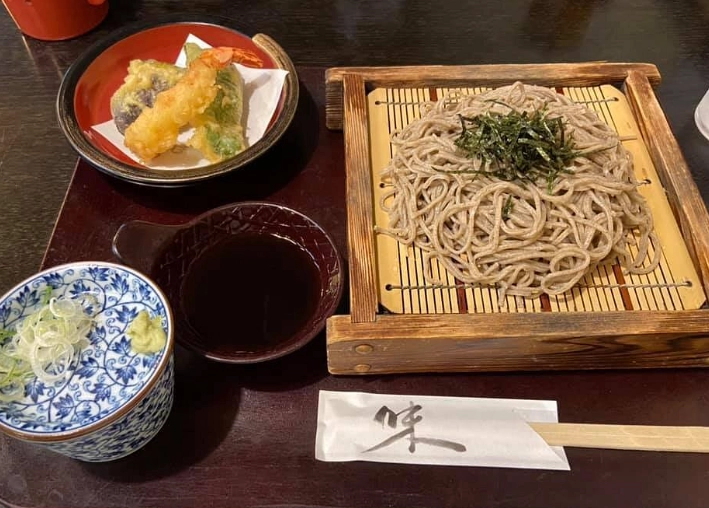
Kagawa: Sanuki Udon. Thick, chewy, perfect. Don't just eat it in a fancy restaurant. The best are the stand-up, no-frills shops (kakigoya). Look for a line of locals. In Takamatsu, Men-ichi (multiple locations) is a reliable chain. Try bukkake udon (cold udon with a thick dipping sauce).
Ehime: Jakoten and Mikan. Jakoten is a processed fish cake, a street food staple. It's an acquired taste—I found it fishy but addictive. Ehime produces most of Japan's mikan (mandarins). They're everywhere, incredibly sweet. Also, tai meshi (sea bream rice) is a Matsuyama specialty.
Kochi: Katsuo no Tataki. This is seared bonito, lightly charred on the outside, raw inside. It's served with garlic, ginger, and ponzu. The texture and flavor are incredible. Head to Hirome Ichiba, a bustling market hall in Kochi City, to try it fresh from dozens of stalls.
Tokushima: Sudachi and Tokushima Ramen. Sudachi is a small, fragrant citrus used on everything. Tokushima ramen comes in three broth colors (brown, yellow, white)—the brown, with pork belly and a raw egg, is the most popular. Try it at Daruma-ken, a local chain.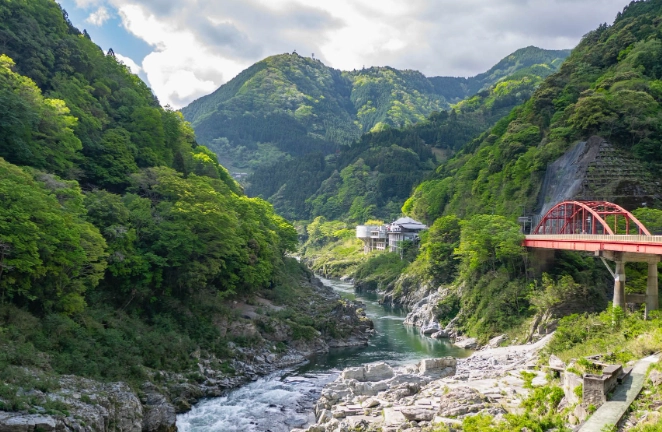
Your Shikoku Questions, Answered
What's the best Shikoku itinerary for 5 days without a car?
Stick to the northern train line. Fly into Takamatsu. Day 1-2: Takamatsu (Ritsurin, Kotohira). Take a train to Tokushima for a day trip to Naruto Whirlpools (train+bus). Then train to Matsuyama (requires a change, about 2.5 hrs) for Days 3-4. Fly out of Matsuyama. You'll miss the Iya Valley, but you'll cover gardens, pilgrimage sites, onsens, and whirlpools efficiently. Book hotels near stations.
Is the Shikoku Pilgrimage only for serious walkers or Buddhists?
Not at all. That's a common misconception that keeps people from engaging with it. The pilgrimage route is a cultural highway. You can visit temples by car, bus, or bike as a cultural tourist. The temples welcome all visitors. The act of getting a stamp (nōkyō) is a simple, meditative ritual anyone can participate in. It adds a layer of purpose to your sightseeing. Start with one or two easily accessible temples like Ishite-ji or Zentsū-ji to get a feel for it.
When is the worst time to visit Shikoku?
Mid-summer (late July-August). It's not just hot; it's oppressively humid, especially in the southern parts like Kochi and Tokushima. Hiking or even extensive temple walking becomes a sweaty chore. The rainy season (June-early July) also means constant dampness, which can obscure mountain views. The sweet spots are April-May (spring) for gardens and mild weather, and October-November (autumn) for fall colors and clear skies. Winter is cold but quiet, and the onsens are magical.
I've heard Shikoku is "rural." Will I struggle with language or ATMs?
In cities (Takamatsu, Matsuyama, Kochi City), you'll find English signs at major stations and tourist spots. ATMs at 7-Eleven, Lawson, and Japan Post Banks accept international cards—rely on these. In deep countryside like Iya Valley, English vanishes. Have your hotel name/address written in Japanese. Download Google Translate's offline pack. But here's the thing: the lack of English isn't a barrier, it's part of the adventure. People are incredibly kind and will go out of their way to help with gestures and smiles. Carry some cash, as small rural shops and restaurants are cash-only.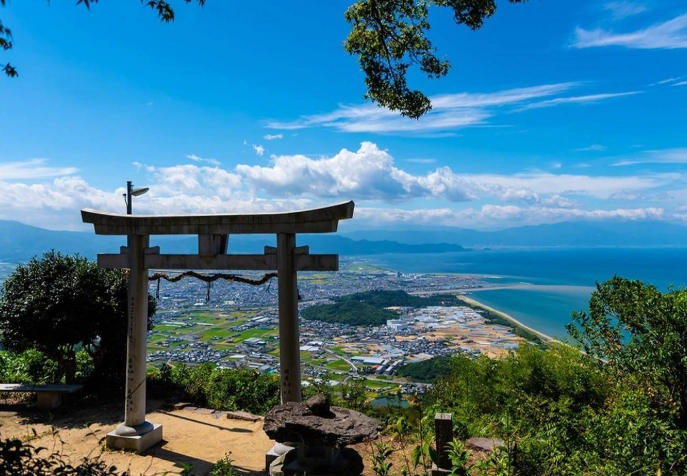

Comments