In This Guide
Let's be honest. For a lot of people planning a Japan trip, Wakayama prefecture destinations are an afterthought. Maybe you've heard of Koyasan, or saw a picture of the giant torii gate in the sea. But it often gets lumped in as a "maybe if we have time" side trip from Osaka or Kyoto. I was guilty of that thinking too, until I actually spent a week there.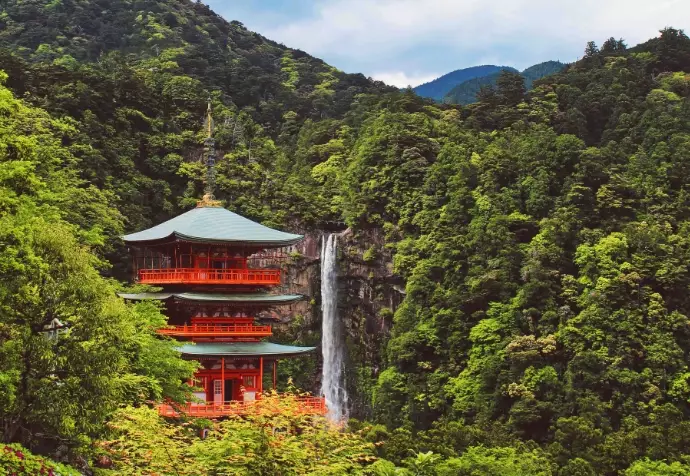
What I found completely changed my perspective. This isn't just a side trip; it's a full-fledged, deeply rewarding region that packs in mountains, coastlines, ancient pilgrimage routes, and some of the most profound spiritual sites in the country. The variety of Wakayama prefecture destinations is honestly staggering. You can go from meditating with monks in a misty mountain monastery to soaking in oceanside hot springs and eating the freshest tuna you'll ever taste, all within a couple of hours.
So, if you're wondering what to do in Wakayama, or trying to decide if it's worth carving out time for, you're in the right place. This isn't a fluffy listicle. It's a deep, practical dive based on getting lost (literally, on a hiking trail), making transport mistakes so you don't have to, and finding those quiet spots that most itineraries skip. We'll break down every major area, talk about how to connect them, and answer the questions you're probably already typing into Google.
The Core Idea: Think of Wakayama as two distinct personalities. The mountainous, spiritual north (Koyasan, Kumano Kodo) and the sun-drenched, coastal south (Shirahama, Nachi). Your trip will feel very different depending on which side you lean into, though connecting them is part of the fun.
The Spiritual North: Where Japan's Heart Beats
This part of Wakayama feels ancient. The air is cooler, the forests are denser, and there's a palpable sense of history. The two pillars here are the Kumano Kodo pilgrimage routes and the monastic complex of Mount Koya. They're often linked historically and spiritually, but offer very different experiences.
Kumano Kodo Pilgrimage Routes
Forget crowded city streets. The Kumano Kodo is a network of ancient trails through the Kii Mountains, used for over a thousand years by emperors and commoners alike on pilgrimages to the sacred Kumano Sanzan shrines. It's a UNESCO World Heritage site, and walking even a small section is transformative.
It's not one single trail. The main routes for travelers are the Nakahechi (the most popular, from Takijiri to the shrines), the Kohechi (tough, connecting to Koyasan), and the Iseji (along the coast). Most people tackle the Nakahechi.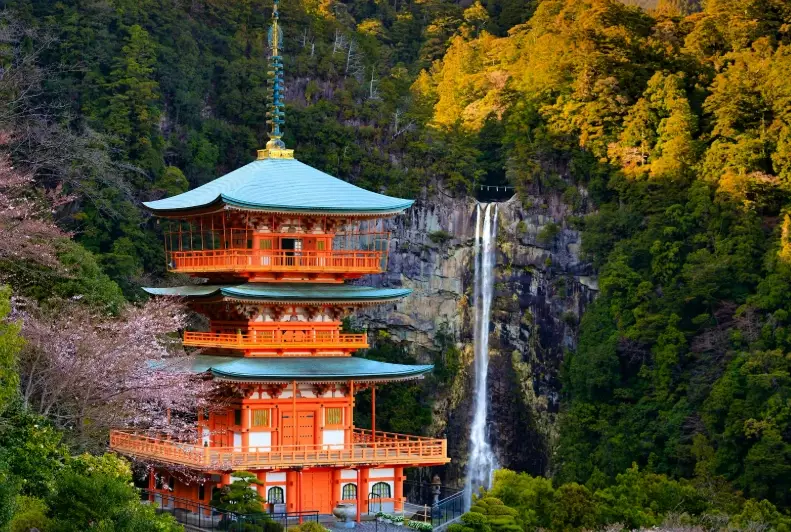
What's it actually like to hike?
You're walking on stone paths worn smooth by centuries of footsteps, through cedar and cypress forests so quiet you can hear every bird and rustle. You'll pass tiny Jizo statues, moss-covered stone markers, and occasional tea houses. It's moderately challenging—some steep sections will get your heart rate up—but it's more about endurance than mountain climbing. The real magic is in the rhythm of walking and the sudden, breathtaking views of valleys below.
My Practical Take: Don't feel you need to do a multi-day trek. The most accessible and rewarding section is the Hosshinmon-oji to Kumano Hongu Taisha stretch. It's about a 2-3 hour walk, mostly downhill, ending at one of the grand shrines. You can take a bus to the trailhead. It gives you the full flavor without committing to a huge hike. Pack good shoes, rain gear (the weather shifts fast), and plenty of water. The official Kumano Travel website is your bible for bus timetables and trail maps.
The three Grand Shrines (Kumano Sanzan)—Hongu, Nachi, and Hayatama—are the pilgrimage's endpoints. Hongu Taisha, with its unique giant thatched roof and serene atmosphere, was my personal favorite. Nachi Taisha is famous for its pagoda with the Nachi Falls in the background (more on that later).
Mount Koya (Koyasan)
Koyasan is a different beast. It's a small town sitting on a mountain plateau, founded over 1200 years ago as the headquarters of Shingon Buddhism. It's not just a temple you visit; it's an entire monastic community you can stay in.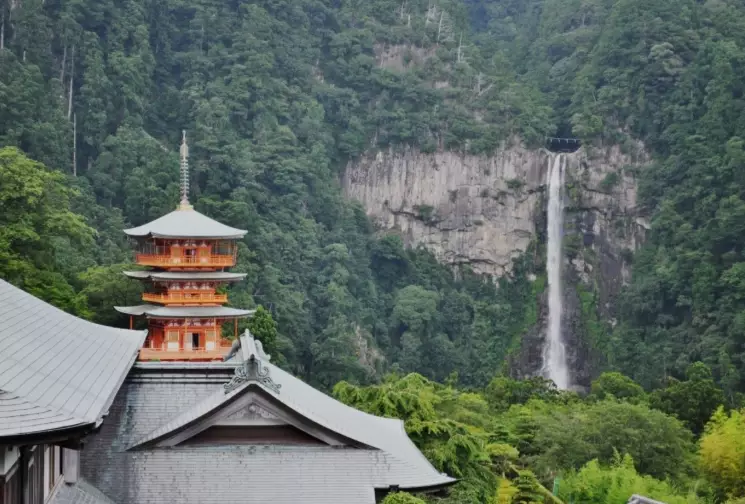
The highlight for almost everyone is the shukubo (temple lodging) experience.
You check into a working temple, sleep in a traditional room on futons, and join the monks for morning prayers (oya-tsutome) at the crack of dawn. They serve exquisite vegetarian Buddhist cuisine called shojin ryori. I stayed at Eko-in Temple, and sitting in the dim, incense-filled hall for the morning chanting, with the sound of the large drum reverberating in my chest, was one of the most memorable moments of all my time in Japan. It's peaceful in a way that's hard to describe.
Beyond the lodging, you explore the town's key sites:
- Okunoin Cemetery: This is the main event. A nearly 2km path through a towering, mossy forest filled with over 200,000 tombs and memorials. It leads to the mausoleum of Kobo Daishi, the founder. Go at night on a guided tour if you can—the lanterns lighting the path create an utterly ethereal atmosphere. It's not spooky; it's profoundly serene.
- Kongobuji Temple: The head temple. Don't miss the massive painted sliding doors (fusuma) and Japan's largest rock garden, the Banryutei.
- Danjo Garan Complex: A sacred precinct with several important halls and pagodas, including the iconic Konpon Daito pagoda.
Here's a bit of real talk: Koyasan is cool. Literally. Even in late spring, it was chilly. Pack layers. Also, the town itself feels a bit… quiet. There are a few cafes and shops, but nightlife is non-existent (which is the point). After the evening temple gate closes, you're really there to soak in the silence. If you need constant stimulation, a day trip might be better, but you'd miss the best part—the shukubo stay.
Getting to Koyasan is an experience itself, involving a scenic train ride on the Nankai Electric Railway to Gokurakubashi Station, then a breathtaking cable car ride up the steep mountainside. The Koyasan Shukubo Association website is the official place to book temple lodgings.
The Coastal South: Beaches, Onsen, and Killer Sushi
Drive south and the vibe shifts completely. The Pacific Ocean appears, the pace feels more relaxed, and the focus turns to seafood, sandy beaches, and therapeutic hot springs. This is where you come to unwind after the spiritual intensity of the north.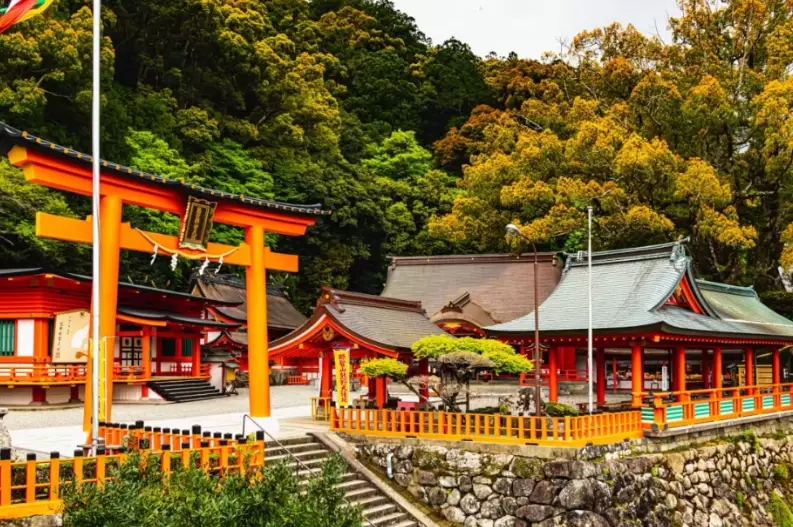
Shirahama
Shirahama is Wakayama's classic beach resort town. The name literally means "White Beach," and the main attraction is the curved, sandy Shirahama Beach. Is it the most pristine beach in Japan? No. But it's clean, family-friendly, and has a great holiday atmosphere in the summer. The water is surprisingly clear and swimmable from about July to September.
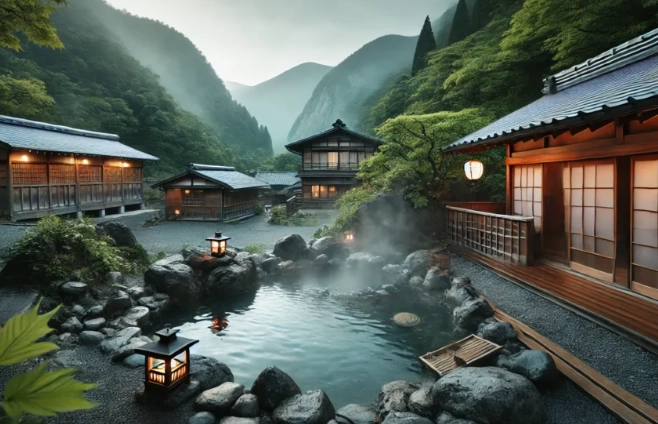
But Shirahama's real claim to fame is its onsen (hot springs). The water here is rich in sodium chloride, said to be good for muscle aches and skin.
- Sakinoyu Onsen: This is the iconic one. It's a public, mixed-gender bath right on the rocky shore. Soaking while waves crash against the rocks a few meters away is unforgettable. (Swimsuits are required here, which is rare for Japan).
- Shirasaki Coast: Don't miss this geological wonder just north of town. It's a dramatic, jagged coastline of white limestone cliffs formed over millions of years. The contrast of the white rock against the deep blue sea is incredible. There's a walking path along the top.
- Adventure World: A huge zoo/aquarium theme park if you're traveling with kids. They have pandas.
Shirahama is unapologetically a tourist town. The street leading to the beach is lined with souvenir shops, ice cream parlors, and casual seafood restaurants. It's cheesy in a fun way. The sushi and kaisendon (seafood rice bowls) are fantastic and fresh.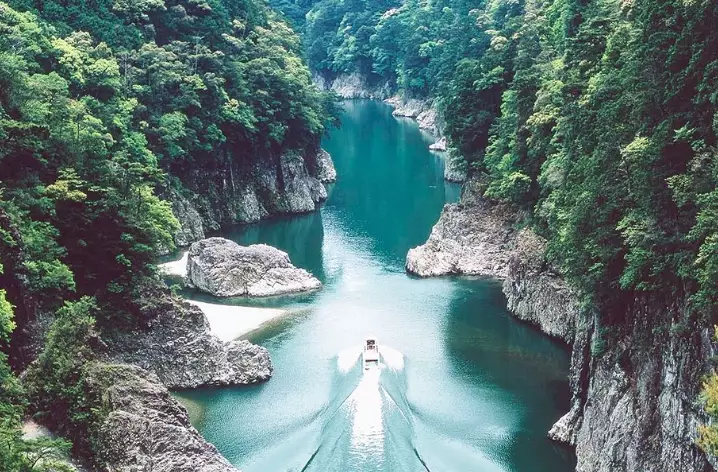
Kushimoto & The Southern Tip
Venture further south to Kushimoto, and you're at the southernmost tip of Japan's main island, Honshu. It feels more rugged and remote.
The star here is Kushimoto Marine Park (Kaiyo Koen). It's not your average aquarium. The main attraction is an underwater observation tower you descend into, surrounded by a coral reef. Watching tropical fish, rays, and the occasional sea turtle swim by while you stay dry is pretty cool. The park itself is built on a scenic, rocky outcrop.
Kushimoto is also the gateway to Oshima Island, connected by a bridge. It's quiet, with a few shrines and walking trails, offering a glimpse of slower-paced coastal life.
Nachi-Katsuura & Nachi Falls
This area is where the spiritual north and coastal south visually collide. It's home to Nachi Falls (Nachi no Taki), Japan's tallest single-drop waterfall with a height of 133 meters. It's a sacred site, considered a kami (god).
The famous postcard view is from the Nachi Seiganto-ji Temple pagoda, with the bright red pagoda in the foreground and the powerful waterfall cascading down the forested cliff behind it. It's stunning, even with the crowds. You can pay a small fee to go down to the base of the falls for a closer, misty, and much louder view.
Just down the road is the port town of Katsuura.
Katsuura is famous for its morning tuna auction at the Katsuura Fishing Port. It's smaller and more accessible than Tokyo's Toyosu. You can watch the action from a designated viewing area as giant tunas are auctioned off at an incredible speed. Afterwards, head to one of the port-side restaurants for unbelievably fresh and affordable tuna bowls (tekka-don). It ruined supermarket tuna for me forever.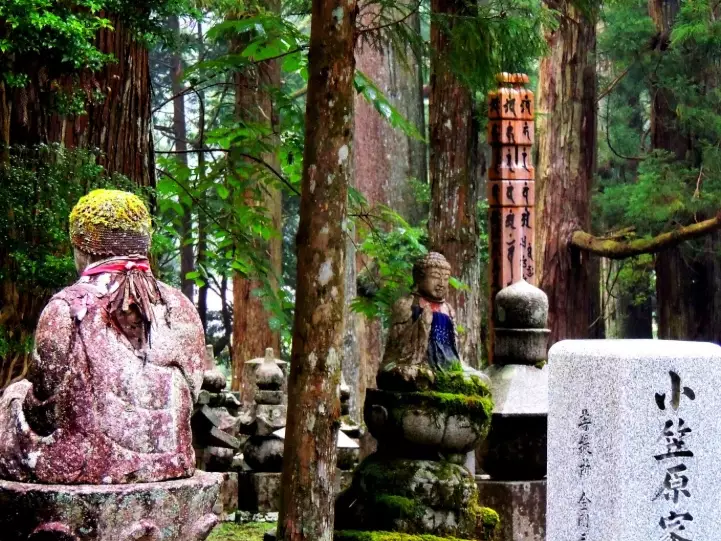
Wakayama City: The Often-Overlooked Capital
Most people just change trains here. That's a mistake if you have even half a day. Wakayama City has a laid-back, friendly charm and a couple of gems worth seeing.
Wakayama Castle: It's a concrete reconstruction (rebuilt in 1958), but the location on top of Torafusu (Tiger's Head) Hill is superb. The grounds, especially the Nishinomaru Garden, are beautiful, particularly during cherry blossom season. The view from the top floor over the city and river is nice. Is it the most impressive castle in Japan? No. But it's a pleasant visit that gives you a sense of the region's feudal history.
Kimiidera Temple: A short train ride from the city center, this temple is the second stop on the Saigoku Kannon Pilgrimage. It's known for its long stone stairway (231 steps!) flanked by hundreds of cherry trees. Climbing it is a bit of a workout, but the view from the top over Wakayama Bay is a great reward.
The city also has a great food scene, especially around the station. Try Wakayama ramen—it's a soy-sauce based broth with thin, straight noodles, typically topped with steamed pork (buta no kakuni). It's simple, savory, and delicious.
How to Actually Plan Your Trip: Itineraries & Logistics
This is where many guides fall short. They list places but don't tell you how to realistically string them together. Wakayama's public transport is good, but not as frequent as in Tokyo. Planning is key.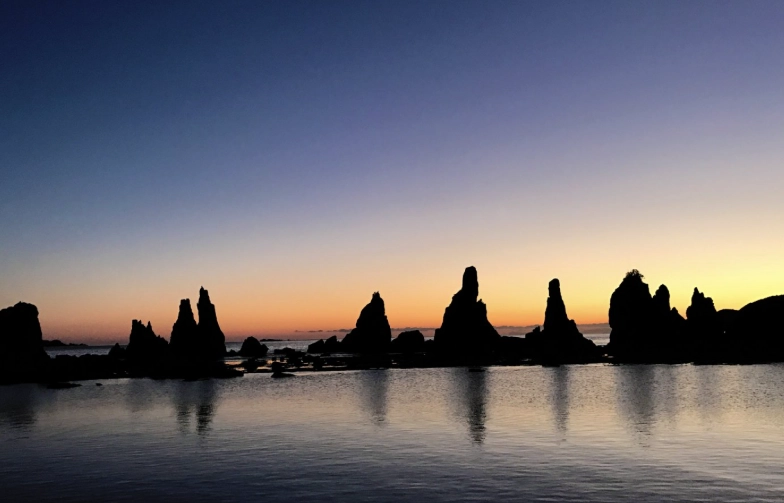
The Golden Rule: Base yourself in 2-3 locations. Trying to day-trip everywhere from one spot (like Osaka) is exhausting and wastes hours on trains. Pick a hub in the north and a hub in the south.
Suggested Itineraries
| For Whom | Duration | Sample Route | Key Focus |
|---|---|---|---|
| The Spiritual Seeker | 4-5 Days | Osaka → Koyasan (2 nights, temple stay) → Kumano Kodo/Tanabe area (2 nights, hike Nakahechi section) → Return from Shingu/Katsuura. | Deep immersion in Koyasan & the pilgrimage trails. Use the Kumano Travel Pass. |
| The Coastal Relaxer | 3-4 Days | Osaka → Shirahama (2-3 nights) → Day trips to Kushimoto Marine Park & Nachi Falls/Katsuura → Return from Shirahama. | Beach time, onsens, fresh seafood, and easy sightseeing. Rent a car for maximum flexibility. |
| The Best of Both Worlds | 6-7 Days | Osaka → Koyasan (1 night) → Travel to Shirahama (2 nights) → Katsuura (1 night for tuna/falls) → Kumano Kodo hike from Katsuura (1 night in Yunomine Onsen?) → Return. | The complete picture. This requires careful planning and use of buses/trains, or a rental car for part of it. |
Getting Around: Train, Bus, or Car?
Train: The JR Kinokuni Line runs along the coast connecting Wakayama City, Shirahama, and Kushimoto. The Nankai Line goes to Koyasan. For the Kumano Kodo area, trains are limited; buses are essential.
Bus: Vital for the Kumano Kodo region. The buses between the major towns (Shingu, Nachi, Hongu) and trailheads are reliable but can be infrequent (sometimes only a few per day). Always check the latest timetable the day before. The official websites are crucial.
Rental Car: This is my strong recommendation if you're comfortable driving on the left. It gives you incredible freedom, especially for linking the coastal south sights (Shirahama, Kushimoto, Nachi) and accessing more remote trailheads or onsens. The mountain roads to Koyasan are winding and the cable car is part of the experience, so I wouldn't drive there. A good hybrid plan: train to Koyasan, return to Osaka, pick up a car, drive to the south coast.
The Wakayama Tourism Federation's official site has a wealth of updated access information.
Answering Your Burning Questions (The FAQ You Need)
Final Thoughts: Why Wakayama Deserves Your Time
Looking back, what sticks with me about Wakayama isn't just one sight. It's the feeling of contrast. The profound silence of Okunoin cemetery versus the lively crash of waves at Sakinoyu Onsen. The physical effort of a mountain trail rewarded with a view, versus the pure indulgence of a perfect piece of tuna. It's a prefecture that engages both your body and your spirit.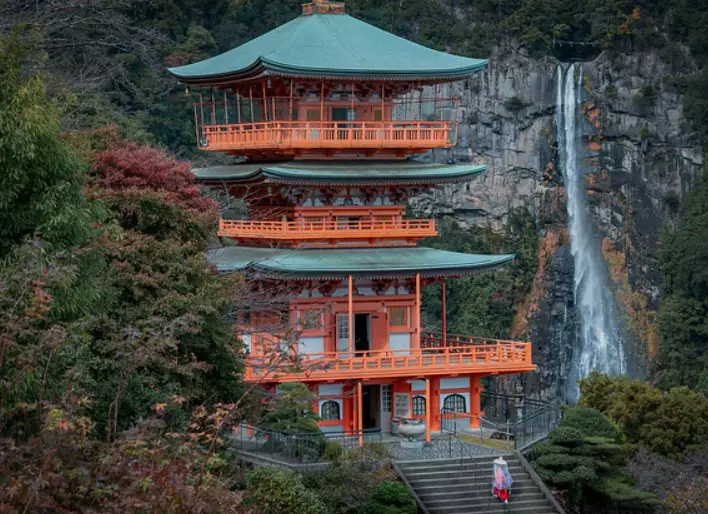
The variety of Wakayama prefecture destinations means you can craft a trip that's uniquely yours—whether it's a deep spiritual retreat, a relaxing beach getaway, or an active hiking adventure. It feels less polished for tourists than Kyoto, more raw and authentic. You might get a little lost, you'll definitely eat incredibly well, and you'll come away with memories that are less about ticking off landmarks and more about how a place made you feel.
So, skip the "maybe if we have time" thinking.
Give Wakayama the days it deserves. You won't regret it. Start by checking those official transport sites, think about what balance of mountain and coast calls to you, and get ready to explore one of Japan's most rewarding regions.

Comments