Let's cut to the chase. The requirements for entering Japan aren't just about having a passport and a visa sticker. It's a process, and missing one small step can turn your dream trip into a stressful airport standoff. I've seen it happen. Based on years of traveling and helping others navigate this, here's the complete, actionable breakdown of everything you need, from the obvious to the easily overlooked.
Quick Navigation: Your Entry Checklist
Visa Requirements: The Biggest Hurdle (For Some)
This is the make-or-break item. Japan has visa exemption agreements with many countries, but "many" isn't "all." The official source for this is the Ministry of Foreign Affairs of Japan (MOFA). Always double-check there.
Who Doesn't Need a Visa?
Travelers from over 60 countries, including the US, UK, Canada, Australia, South Korea, and most of the EU, can enter for tourism or business for short stays (typically 90 days or less) without a visa. You get a "Temporary Visitor" status upon arrival.
Who Definitely Needs a Visa?
If your country isn't on the exemption list, or if you plan to work, study, or stay longer than the visa-free period, you must apply for a visa before your trip at a Japanese embassy or consulate. This process isn't fast. It can take weeks.
Here’s a quick look at common visa types:
| Visa Type | Best For | Key Requirement | Typical Validity |
|---|---|---|---|
| Temporary Visitor (Tourist) | Short-term tourism, visiting friends/family, business meetings | Passport from visa-exempt country OR application with itinerary & financial proof | 15, 30, or 90 days |
| Work Visa | Employed professionals, engineers, instructors | Certificate of Eligibility (COE) from your Japanese employer/sponsor | 1 to 5 years |
| Student Visa | Enrollment at a Japanese language school or university | COE from the educational institution | Duration of study program |
| Spouse/Dependent Visa | Spouses or children of Japanese nationals or long-term residents | Marriage or birth certificate, proof of sponsor's financial stability | 1 to 5 years |
The application usually requires an application form, passport, photo, flight itinerary, hotel bookings, and bank statements. For work/student visas, the COE is the golden ticket.
Your Passport & The Arrival Card
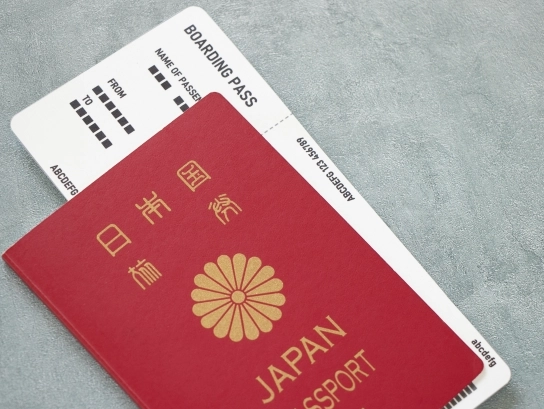
Your passport is your ticket. But Japan has specific rules about it.
- Validity: It must be valid for the entire duration of your stay. Some airlines might even require validity for six months beyond your entry date, though Japan's official rule is for the stay only. Safer to have more than six months.
- Blank Pages: You need at least one blank page for the entry stamp.
The Disembarkation Card for Foreigners
On the plane, you'll get a white "Disembarkation Card for Foreigner." Fill it out in pen. It asks for basic info: name, passport number, flight number, address in Japan (your hotel's is fine), and purpose of visit.
This little card is crucial. You hand it to the immigration officer. They'll stamp your passport and staple the return portion into it. DO NOT LOSE THIS STUB. You surrender it when you leave Japan. Losing it causes delays.
For mid to long-term residents, you won't get a stamp. Instead, you'll be issued a Residence Card (在留カード, Zairyū Card) at the airport. This is your ID in Japan. Treat it like gold.
Clearing Customs & Currency Rules
After immigration, you pick up your bags and head to customs. You'll fill out a yellow "Customs Declaration" form. Be honest.
What Can't You Bring In?
The usual suspects: narcotics, firearms, counterfeit goods. But Japan is strict on some things you might not think about:
- Certain Medicines: Over-the-counter drugs like cold meds containing pseudoephedrine (Actifed, Sudafed) or codeine are prohibited or require prior approval. Check the MHLW website for details. Bring a doctor's note and the original packaging for any prescription drugs.
- Fresh Fruits, Vegetables, Meat: Generally prohibited to prevent pests and diseases. Don't pack that apple for the flight.
- Pornography with certain content is illegal.

Currency Declaration
If you're carrying cash (any currency) or bearer instruments worth over 1 million Japanese Yen (approx. $6,500 USD, but check the current rate), you must declare it on the customs form. Not declaring can lead to confiscation and fines.
Honestly, just use ATMs or cards. It's easier.
Health & Safety Protocols
As of my last update, there are no COVID-19 vaccination or testing requirements for entry. But this can change. Always verify the latest health advisories on the Japanese Ministry of Health, Labour and Welfare site or your own government's travel page a week before departure.
Other health considerations:
- Travel Insurance: Not legally required, but an absolute must. A hospital visit in Japan is expensive for foreigners. A friend slipped on a temple step in Kyoto; the X-ray and consultation cost over ¥50,000. Insurance covered it.
- Vaccinations: No routine vaccinations are required. Recommended ones (like routine MMR, Hepatitis) are a good idea for any travel.
Your Top Entry Questions Answered
Look, the rules are there for a reason. Japan is an incredibly orderly country, and that starts at the border. Getting your documents in order isn't just about compliance; it's about peace of mind. You land, you're prepared, you sail through. Then the real adventure—eating that perfect bowl of ramen, seeing that serene temple—begins without a hitch. That's the goal.




Comments