Getting a tourist visa for Japan feels like a hurdle, but it's mostly about preparation. I've helped dozens of friends through this process, and the ones who get tripped up are usually missing one small, critical document or misunderstanding a step. The key isn't just knowing the list of requirements—it's understanding the why behind them and how embassy officers actually review your application. Let's break it down so you can submit with confidence.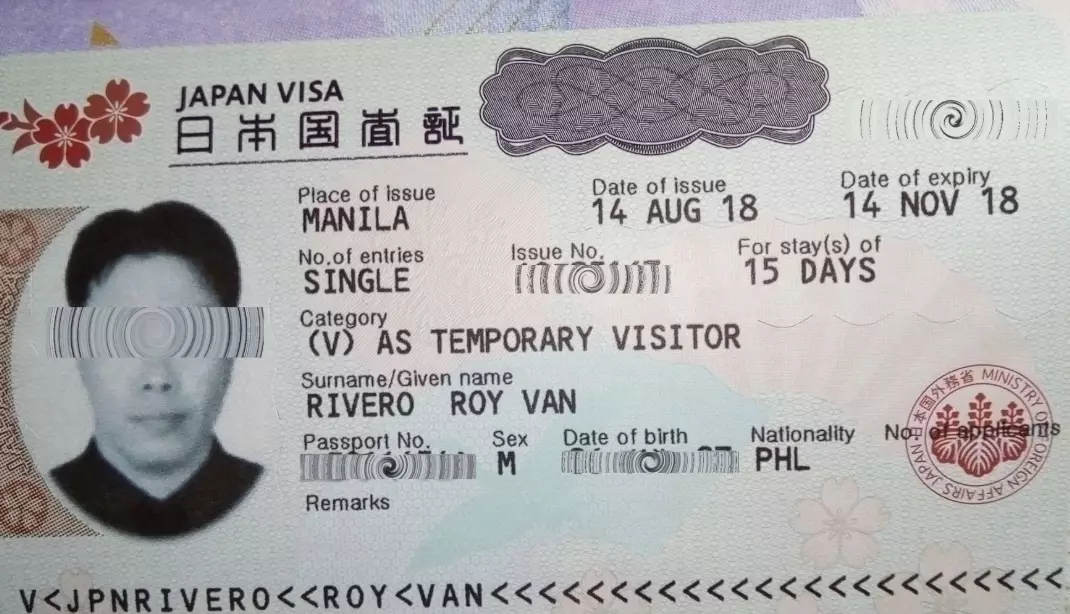
Your Visa Roadmap: What's Inside
- Understanding Japan's Tourist Visa Types
- Step-by-Step Visa Application Process
- The Complete Required Documents Checklist
- How to Fill Out the Visa Application Form Correctly?
- What Happens During the Visa Interview (if required)?
- Visa Fees, Processing Time & A Sample Timeline
- Top 5 Visa Application Mistakes to Avoid
- Your Japan Visa Questions, Answered
Understanding Japan's Tourist Visa Types
Japan offers a few types of short-term visas for tourism. Which one you get depends on your nationality, travel plans, and sometimes, your past travel history.
The Single-Entry Tourist Visa
This is the standard one for most first-time visitors. It allows one entry into Japan and is typically valid for 90 days from the date of issue. You can stay for up to 15 or 30 days per entry (the duration is stamped on your visa by the consulate). This is what we'll focus on primarily.
The Multiple-Entry Tourist Visa
These are gold dust for frequent travelers. Valid for 1, 3, or 5 years, they allow unlimited entries during that period, with each stay capped at 30 or 90 days. Eligibility is stricter. You usually need to prove a history of travel to Japan or other developed countries (like the US, UK, Canada, Schengen area) and demonstrate strong financial ties to your home country.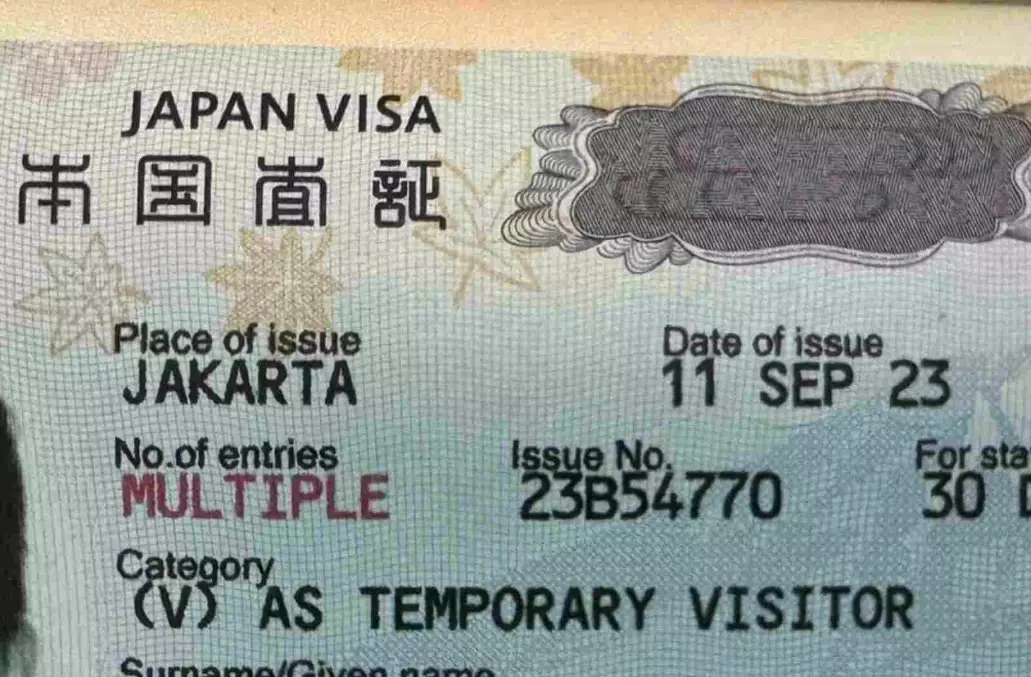
Step-by-Step Visa Application Process
You cannot apply online directly to the Japanese government. The process is embassy or consulate-centric. Here’s the flow:
Step 1: Find Your Jurisdiction. You must apply at the Japanese embassy or consulate that has jurisdiction over your place of permanent residence. If you live in California, you can't apply through the New York consulate. Their websites list covered states or provinces.
Step 2: Gather Documents. This is the meat of the work. We'll detail the checklist next. Start this at least a month before you plan to apply. Bank statements and flight itineraries have specific timing requirements.
Step 3: Submit Your Application. Most consulates require in-person submission or submission through an accredited travel agency. Walk-in hours are common, but some may require appointments. You'll hand in your passport, form, photos, and all supporting documents. They'll give you a receipt.
Step 4: Processing & Collection. You wait. Processing times vary. When it's ready, you return with your receipt, pay the fee, and collect your passport with the visa inside.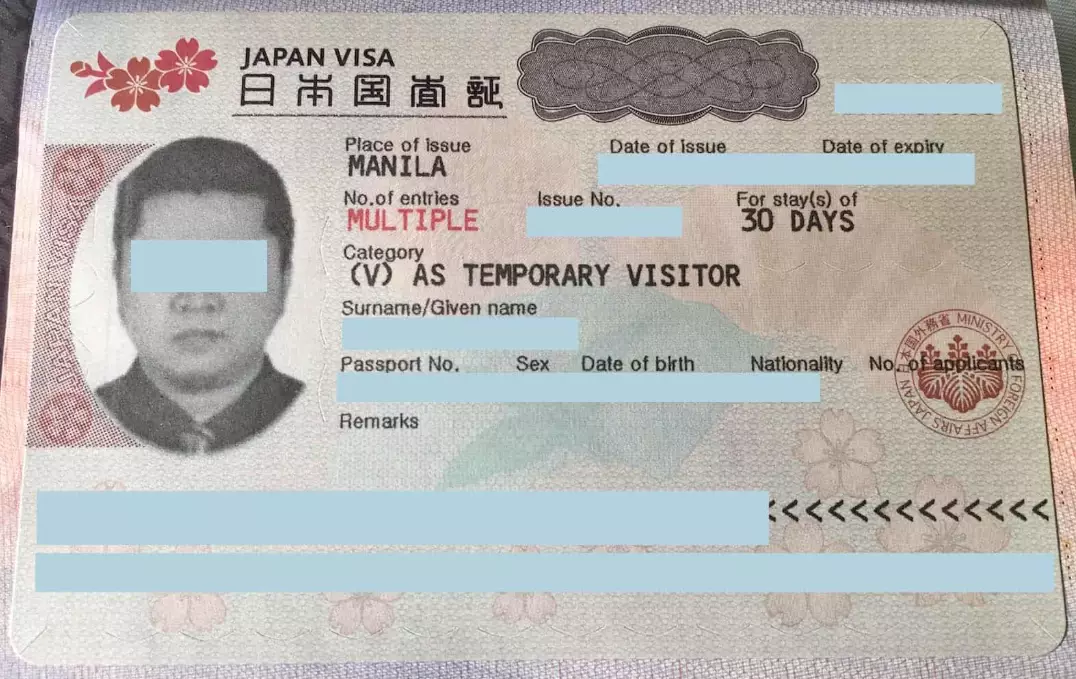
The Complete Required Documents Checklist
This list is non-negotiable. Missing one item equals delay or denial. I've seen applications sent back because a bank statement was a printout instead of stamped, or the photo background was off-white.
| Document | Specifications & Details | Expert Tip |
|---|---|---|
| Visa Application Form | Download the latest from your embassy's site. Must be typed or neatly handwritten in block letters. No scribbles. | Use black ink. If typing, use the PDF form fields. Print single-sided. |
| Passport | Original passport with at least 6 months validity remaining and TWO completely blank visa pages. | Check those blank pages. Amendment pages don't count. If low, renew first. |
| Photo | One 45mm x 45mm (or 2"x2") color photo, taken within last 6 months. White background, no glasses, neutral expression. | Go to a professional passport photo service. Selfies or prints on regular paper are rejected. |
| Flight Itinerary | A confirmed reservation. Not a paid ticket, but a reservation from an airline or travel agency showing dates and flight numbers. | Use a reputable travel agent. Some embassies call to verify. A dummy ticket from a sketchy website is risky. |
| Hotel Reservations | Confirmed reservations for your entire stay in Japan. Must show all names of applicants, dates, and hotel address. | Book refundable rates. Use platforms like Booking.com which provide proper confirmations. |
| Daily Itinerary | A day-by-day plan of your activities in Japan. Include dates, cities, and specific sightseeing spots. | Be realistic. "Day 3: Tokyo. Visit Sensoji Temple, Asakusa, Skytree." Vague plans like "sightseeing" raise flags. |
| Proof of Financial Means | Original bank statements for the last 3-6 months showing consistent balance. Some require a minimum balance (e.g., equivalent of $2,000-$3,000). | The balance should be stable or growing. A sudden large deposit right before applying looks suspicious. Use statements with bank stamps. |
| Employment Verification | Original letter from employer on company letterhead. Must include your position, salary, employment dates, and approved leave dates. | The leave dates MUST match your travel itinerary. This proves you'll return to your job. |
| Certificate of Eligibility (COE) | ONLY if you are visiting family/friends. Your host in Japan must obtain this from their regional immigration bureau. | This process in Japan takes 1-3 months. Start early. A simple invitation letter is NOT a substitute for a COE for tourist visa purposes in most cases. |
For students or the self-employed, documents differ. Students need a school enrollment letter and a sponsor's (parent's) financial documents. Self-employed need business registration, tax returns, and a letter explaining the business.
How to Fill Out the Visa Application Form Correctly?
The form seems straightforward, but small errors cause big headaches.
Section on Work: List your current employer's address and phone number exactly as on the verification letter. Inconsistency is a red flag.
Section on Travel History: Be honest. If you've been to Japan before, list it. They have records. Omitting a previous visa denial is a surefire way to get denied again.
Intended Length of Stay: This must mirror your flight itinerary and hotel bookings. If your flight leaves in 15 days, don't write "30 days."
Guarantor/Inviter in Japan: If you have a COE, fill this out with your host's details from the COE. If you're traveling independently as a tourist, write "N/A" or "SELF." Don't leave it blank.
The biggest mistake I see? People treating the itinerary on the form as separate from the detailed daily itinerary. They should be identical. The officer will cross-check.
What Happens During the Visa Interview (if required)?
Not all embassies require an interview for tourist visas, but some might call you in, especially if your documents need clarification.
It's not an interrogation. It's a verification. They want to hear that your story matches your paperwork.
Typical questions: "Why do you want to visit Japan?" "Which cities will you visit?" "What is your job?" "Who is funding this trip?" "Where will you stay in Kyoto?"
Answer clearly and concisely. Refer to your itinerary. If you say you're visiting the Ghibli Museum, know that you need advance tickets—it shows you've done real planning.
Dress neatly. Be polite. The goal is to prove you're a genuine tourist with solid plans and every intention of returning home.
Visa Fees, Processing Time & A Sample Timeline
Fees are generally low but vary by nationality and currency. For a single-entry tourist visa, it's often around $20-$50 USD or equivalent. You pay upon collection, only if the visa is issued.
Processing time is the wild card. Standard processing is 5 to 7 working days. During peak seasons (before Golden Week, New Year, cherry blossom season), it can stretch to 10-14 days. Some consulates offer expedited service for an extra fee.
Let's map a realistic timeline for a trip in May:
8-10 Weeks Before Travel: Check embassy website, download forms, start gathering documents (request bank statements, employer letter).
6 Weeks Before: Book refundable hotel stays and flight itineraries for the application. Finalize daily schedule.
4 Weeks Before: Submit your complete application package to the embassy/consulate.
3 Weeks Before: Collect visa. NOW book your actual flights and hotels (you might find better deals).
1 Week Before: Double-check visa dates, pack, and go.
Top 5 Visa Application Mistakes to Avoid
Based on conversations with consulate staff and countless applicant stories.
Mistake 1: Inconsistent Information. Your employer letter says you earn $50k, but your bank statements show an average balance of $500. Your itinerary says 10 days, but your hotel booking is for 7. Officers spot these mismatches instantly.
Mistake 2: Weak Proof of Ties to Home Country. This is the core of the application. You must prove you will return. A solid job, property ownership, family dependents—these are strong ties. A new graduate with no job and a thin bank account has a harder time.
Mistake 3: Assuming an Invitation Letter is Enough. For tourism, an invitation letter from a friend carries little weight without a Certificate of Eligibility (COE). The COE is the official document that proves your host in Japan has been vetted by Japanese immigration. The invitation letter alone often leads to a request for more documents or denial.
Mistake 4: Last-Minute Application. Applying a week before your flight is begging for stress. What if they request an extra document? Give the process the time it needs.
Mistake 5: Poor Quality Documents. Blurry scans, unstamped bank statements, photos that don't meet specs. It signals carelessness. Present a crisp, organized, professional application package.
Your Japan Visa Questions, Answered
 My visa was rejected. What should I do next?
The process is meticulous, but it's not designed to trick you. It's designed to ensure visitors are genuine. Treat your application like a professional proposal: complete, consistent, and convincing. Do that, and you'll be strolling through Shinjuku or temple-hopping in Kyoto before you know it.


Comments