So you're planning a trip to Japan, maybe you've got Tokyo and Kyoto locked in, and you're hearing whispers about this place called Okayama. Or maybe you just stumbled upon the name and that simple question popped into your head: what is Okayama famous for, really? Is it just another city, or is there something special there? Let me tell you, it's a lot more than just a stop on the Shinkansen line.
I had the same questions before my first visit. I expected a quiet, perhaps unassuming place. What I found completely rewired my idea of Japanese regional travel. Okayama Prefecture, and its capital city Okayama, packs a punch that's both deeply traditional and surprisingly unique. It's not about neon lights or crowds; it's about atmosphere, stories, and things you can't find anywhere else. People often ask me, "What's the big deal about Okayama?" Well, where do I even start?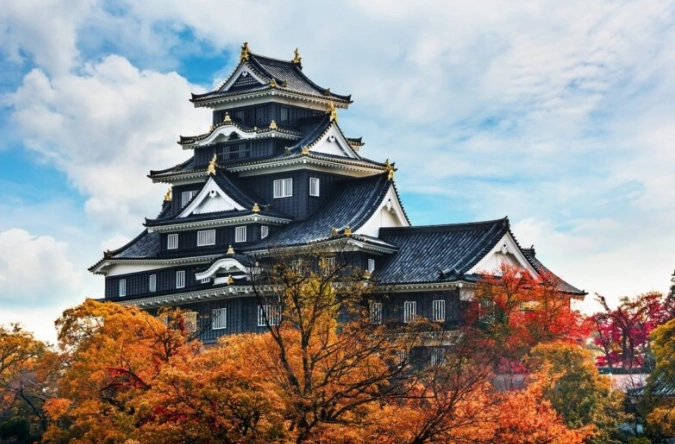
The Core Identity: Okayama is famously nicknamed the "Land of Sunshine" because it boasts some of the clearest, sunniest weather in all of Japan. This climate isn't just small talk; it fundamentally shapes everything the region is famous for—its lush gardens, its sweet fruits, and even the laid-back, warm vibe you feel when you're there.
Quick Navigation
- The Heavy Hitters: What Okayama is Most Famous For
- Beyond the Brochure: Okayama's Unique Products and Culture
- The Surrounding Gems: What Else is Okayama Prefecture Famous For?
- Okayama's Famous Foods (You Have to Try)
- Putting It All Together: Planning Your Visit
- Common Questions About What Okayama is Famous For
- The Final Word: What's the Real Answer?
The Heavy Hitters: What Okayama is Most Famous For
When you dig into what Okayama is known for, a few iconic names always rise to the top. These are the postcard images, the things that immediately come to mind for anyone who's done a bit of research.
Korakuen Garden: One of Japan's Top Three
This is the crown jewel. Korakuen Garden is consistently ranked among the Three Great Gardens of Japan (alongside Kairakuen in Mito and Kenrokuen in Kanazawa). But here's the thing—it has a different personality. Created over 300 years ago by a local lord, it's a "strolling garden" designed for pleasure and entertaining. It's not just a static painting; it's meant to be experienced.
What makes it special? The wide-open lawns are unusual for Japanese gardens, which often feel more intricate and enclosed. You get these beautiful, expansive views with Okayama Castle (which we'll get to) sitting in the background like a perfect prop. There's a tea plantation, a crane aviary, rice paddies, and ponds that mirror the sky. It's a microcosm of landscapes. Visiting the official Korakuen Garden website before you go gives you a great sense of its seasonal changes.
Okayama Castle: The Crow Castle's Unique Hue
Right across the river from Korakuen stands Okayama Castle, nicknamed "U-jo" or "Crow Castle" for its distinctive black exterior. This is a key part of what Okayama is famous for visually. While many Japanese castles are white (like Himeji) or a lighter color, the black lacquered wood panels of Okayama Castle give it a solemn, powerful, and slightly mysterious look.
A heads-up for history purists: the main keep is a concrete reconstruction (the original was destroyed in WWII). Some folks feel this lessens the impact. I get that. Walking inside, you do notice the modern feel. However, they've done a good job with the museum exhibits inside, and the view from the top floor is fantastic. Wearing a replica kimono for photos on the grounds is also a popular activity. For accurate historical context and visiting hours, checking the Okayama Castle official site is always wise.
The Legend of Momotaro (The Peach Boy)
This is where culture and commerce blend. Momotaro is arguably Japan's most famous folk tale, the story of a boy born from a giant peach who grows up to fight ogres (oni) with the help of a dog, a monkey, and a pheasant. Guess where he's from? Okayama Prefecture.
The legend is everywhere. You'll see Momotaro statues, manhole covers, souvenirs, and even snacks shaped like him and his animal friends. The local airport is called Okayama Momotaro Airport. This isn't just a cute story; it's the region's cultural mascot. Understanding Momotaro is key to understanding the local pride. You can even visit Kibiji District, an area associated with the tale, and see sites like Kibitsuhiko Shrine, said to be connected to the ogre-slaying.
Beyond the Brochure: Okayama's Unique Products and Culture
This is where Okayama truly shines and answers the deeper question of what is Okayama known for that's unique. It's a region of artisans and farmers, blessed by that sunshine.
Okayama Denim: The King of Japanese Jeans
This one surprises people. In the unassuming town of Kojima, within Okayama Prefecture, you'll find the epicenter of Japanese denim production. We're not talking about mass-market stuff. This is where denimheads and fashion connoisseurs make pilgrimages. Brands like Momotaro Jeans (named after the legend, of course), Japan Blue, and Kapital call this area home.
The quality is insane. They use vintage shuttle looms, often pure indigo dye, and selvedge fabric that ages and fades uniquely with every wear. Visiting the Jeans Street in Kojima is a trip—you can see small factories, buy directly from flagship stores, and even try your hand at making denim accessories. It's a world away from the gardens and castles, showing the region's industrial craftmanship.
Okayama Fruits: The Sunshine in Every Bite
Remember the Momotaro story? Born from a peach. That's no accident. Okayama is often called the "Fruit Kingdom" of Japan. The abundant sunshine produces some of the sweetest, most succulent fruit you'll ever taste.
- Peaches (Momo): The king. Okayama's white peaches, especially the variety called 'Hakuto', are legendary. They're juicy, fragrant, and incredibly tender. They're often given as luxurious gifts.
- Grapes: Pione grape, a large, green, almost candy-sweet variety, was pioneered here. Muscat grapes also thrive.
- Other Fruits: You'll also find amazing pears, figs, and strawberries depending on the season.
Visiting a fruit orchard for all-you-can-eat picking is a fantastic seasonal activity. It's a direct, delicious way to experience the region's famous agricultural bounty.
Local Tip: If you're not visiting in summer peach season, don't worry. Look for products made from these fruits year-round—peach juice, grape jellies, and even fruit-infmented sake or wine. The flavor captures that famous Okayama sunshine.
Bizen-yaki Pottery
Over in the Bizen area, you find one of Japan's oldest and most revered pottery styles: Bizen-yaki. Characterized by its lack of glaze, its earthy, reddish-brown color, and markings from the wood-firing process (like "fire marks" and ash deposits), each piece is completely unique. It's rugged, simple, and deeply connected to the earth. Visiting a Bizen-yaki kiln, like the famous ones in Imbe, lets you see potters at work and appreciate this centuries-old craft. It's the opposite of delicate porcelain—it's sturdy, functional art.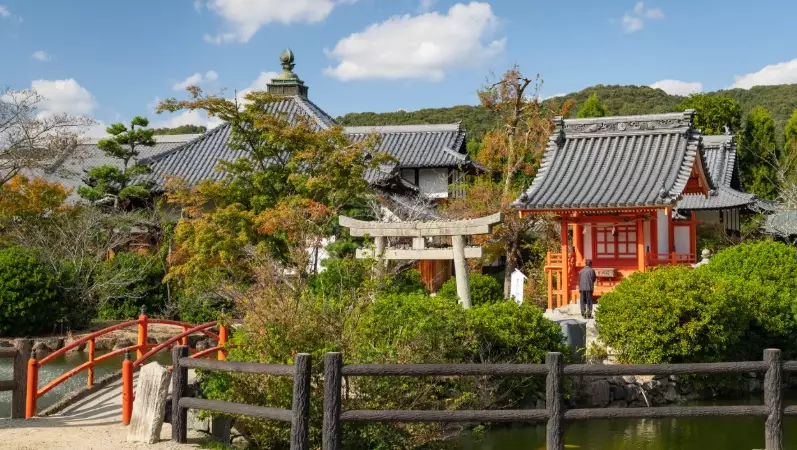
The Surrounding Gems: What Else is Okayama Prefecture Famous For?
The city is great, but the prefecture holds wonders that further define what Okayama is famous for.
| Destination | What It's Famous For | Why It's Special |
|---|---|---|
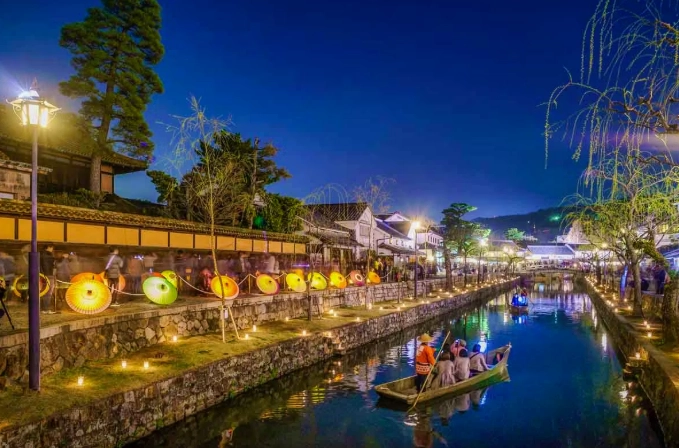
| Kurashiki | Kurashiki Bikan Historical Quarter | Picturesque canals lined with willow trees and white-walled, black-tiled kura (storehouses) from the Edo period. Houses top-notch museums like the Ohara Museum of Art (first Western art museum in Japan). Feels like stepping into an old painting. |
| Setouchi Islands (Naoshima, Teshima etc.) | Setouchi Triennale Art Festival | Okayama is a gateway to these incredible islands transformed by world-class contemporary art. Think Yayoi Kusama pumpkins, stunning museums carved into hillsides, and art blending with nature. A must for art lovers. |
| Kibitsu Shrine | Unique Architecture & Momotaro Links | Famous for its incredibly long, covered hallway leading to the main hall. The shrine's connection to the Momotaro legend adds a layer of mythic history. The architecture is powerful and unique. |
| Great Seto Bridge | Engineering Marvel | A series of bridges connecting Honshu (mainland) to Shikoku island. Driving or taking a train across offers stunning views of the Seto Inland Sea. It symbolizes the region's connection to the sea. |
Kurashiki deserves a special mention. That canal area is so photogenic it almost feels unreal. And the fact that you can hop on a short train from Okayama City to reach Naoshima, an island that's basically an open-air modern art museum, shows the incredible diversity packed into this one prefecture. The official Setouchi Triennale site is the best resource for planning an art island trip.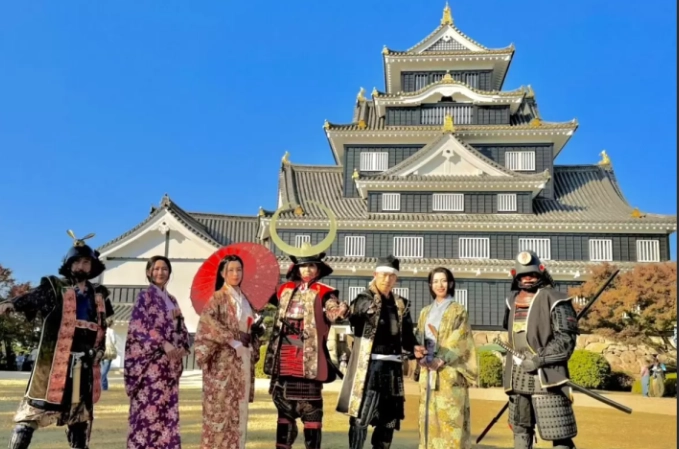
Okayama's Famous Foods (You Have to Try)
You can't talk about what a place is famous for without discussing the food. Okayama's cuisine is hearty, fresh, and often has a comforting, home-style quality.
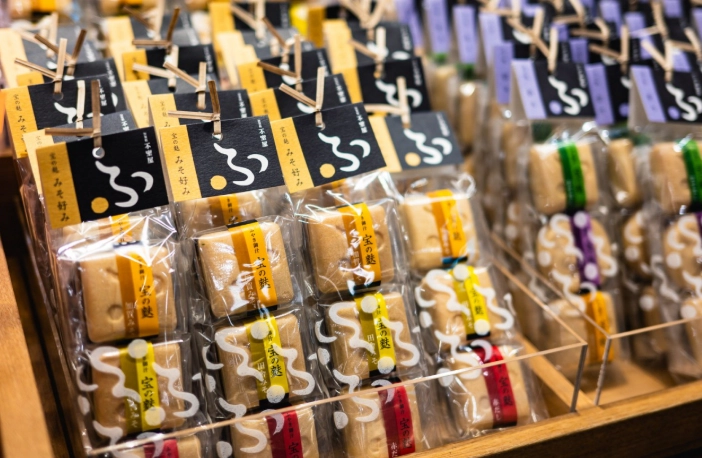
- Kibi Dango: This is the signature sweet. These are small, round, chewy dumplings made from millet (kibi) rice. In the Momotaro story, the hero gives kibi dango to his animal companions to recruit them. Today, you can buy them everywhere—plain, coated in kinako (soybean flour), or with sweet bean paste. They're the perfect souvenir.
- Okayama-style Demi Katsu: A local twist on the pork cutlet. Instead of the usual tonkatsu sauce, it's served with a rich, thick demiglace sauce, often with a pile of shredded cabbage. It's messy, hearty, and delicious.
- Barazushi: A colorful, scattered sushi where various ingredients (seafood, vegetables, egg) are artistically arranged over vinegared rice in a large box or plate. It's a feast for the eyes and stomach, often made for celebrations.
- Fresh Seafood from Seto Inland Sea: Oysters, sea bream, and other catches are incredibly fresh. The inland sea is calm and nutrient-rich, making for superb seafood.
Putting It All Together: Planning Your Visit
Knowing what Okayama is famous for is one thing; experiencing it is another. Here’s how to make it happen.
Getting There: Okayama is a major Shinkansen (bullet train) hub on the Sanyo Line. It's about 1.5 hours from Osaka, 3.5 hours from Tokyo. Flying into Okayama Momotaro Airport is also an option with domestic flights.
How Many Days? I'd recommend a minimum of two full days. One for Okayama City (Castle, Korakuen, maybe a denim trip to Kojima). One for Kurashiki. If you want to add the art islands (highly recommended), you'll need at least 3-4 days total.
Best Time to Go: Spring (cherry blossoms in Korakuen are sublime) and autumn for pleasant weather. Summer is hot but great for fruit picking. The famous sunshine means it's relatively good year-round, but winter can be chilly.
The Okayama-Kurashiki Area Tourist Pass is a fantastic value if you're planning to move around by local train. It covers travel between Okayama, Kurashiki, and even out to some of the denim areas. Always check the latest passes on the Okayama Tourism Federation website before your trip.
Common Questions About What Okayama is Famous For
The Final Word: What's the Real Answer?
So, after all that, what is Okayama famous for?
It's famous for contrasts. The profound serenity of Korakuen Garden against the bold, dark silhouette of the Crow Castle. The ancient, earthy feel of Bizen-yaki against the modern, global cult of Okayama denim. The childlike charm of the Momotaro legend against the sophisticated, adult appeal of the Setouchi art islands.
But more than any single item on a list, Okayama is famous for a feeling. It's the feeling of sunshine on your shoulders as you bike along a quiet path. It's the taste of a peach so juicy it demands your full attention. It's the satisfaction of finding world-class craftsmanship in unexpected places. It's not trying to overwhelm you; it's inviting you to slow down and appreciate the details.
It's a region that confidently offers both the textbook Japan experience (castles, gardens, folk tales) and something entirely its own (denim, art islands, demi-glace katsu). When people ask me what Okayama is known for, I don't just give them a list anymore. I tell them it's the perfect next step for anyone who wants to see more of Japan's soul, beyond the usual highlights. And honestly, once you visit, you'll probably start doing the same.


Comments