In This Guide
So you're thinking about Fukuoka. Maybe you saw a picture of a steaming bowl of ramen, or heard about these cool open-air food stalls. Maybe you're just tired of the usual Tokyo-Osaka-Kyoto loop and want something different. Whatever brought you here, you're asking the right question: what is Fukuoka, Japan known for?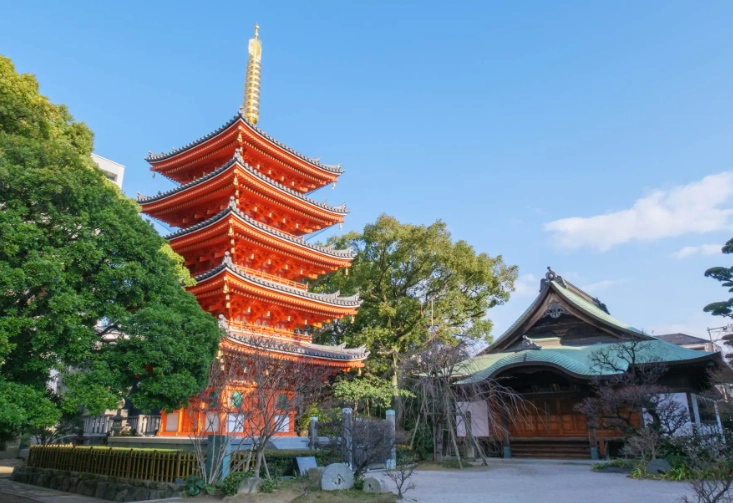
I spent a good chunk of time there, and honestly, my first impression was... quieter than expected. It's a major city, but it doesn't scream at you like Tokyo. The vibe is more relaxed, more human. Then you start digging, and the layers peel back. You realize it's not just one thing. It's a mix of ancient history sitting next to crazy modern architecture, of world-class food served on plastic stools under the stars, of a pace that somehow feels both energetic and completely laid-back.
Everyone who's been seems to have their own answer to "what is Fukuoka known for." For some, it's 100% about the food (and I get that). For others, it's the gateway to the rest of Kyushu. Let me break it down for you, not like a textbook, but like someone who's wandered those streets, maybe got a little lost, and found some amazing stuff along the way.
The Core Vibe: If I had to sum up Fukuoka's reputation in one sentence? It's Japan's best-kept major city secret, famous for having the country's best street food culture, a fascinating blend of ancient and contemporary, and a welcoming, easy-going atmosphere that makes you want to stay longer than you planned.
The Big One: Food Heaven (Seriously, It's Next Level)
Let's not beat around the bush. For most people, what Fukuoka is known for starts and ends with the stomach. And for good reason. This isn't just "good Japanese food." This is the birthplace of legends and home to a dining style you can't really find anywhere else in the world.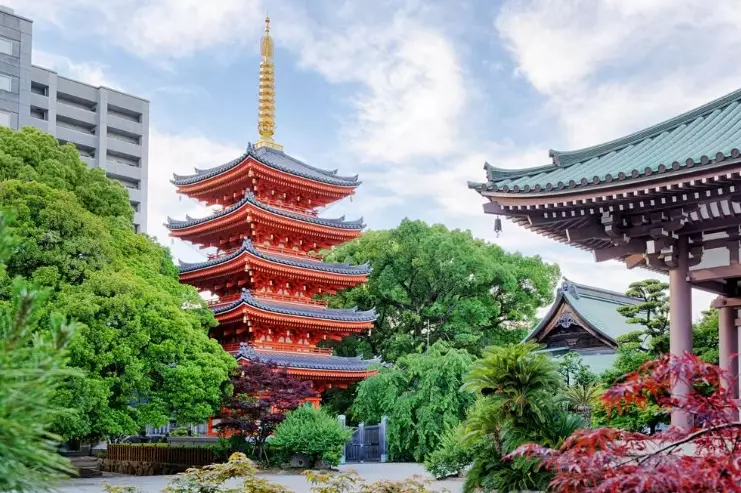
Tonkotsu Ramen: The Creamy, Porky King
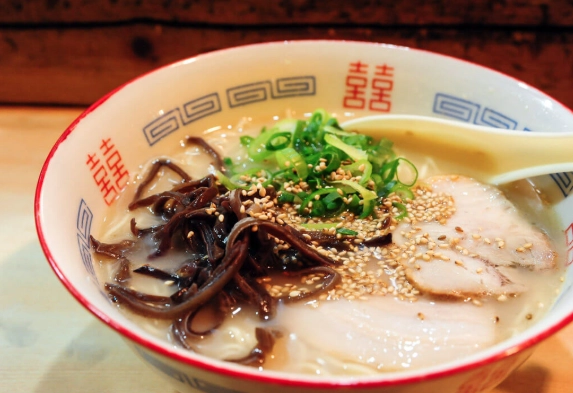
Hakata tonkotsu ramen. This is the star. You've probably had ramen before, but Fukuoka's version is a different beast. We're talking about a broth that's been simmered for hours and hours until pork bones literally dissolve, creating a milky, opaque, insanely rich and creamy soup. It's not a clear broth. It's a hearty, almost gravy-like experience.
The noodles are thin, straight, and firm. The locals call it "barikata" (very firm). The beauty is in the customization. At many famous spots like Ichiran (which started here!) or the local favorite Shin-Shin, you can often choose your noodle firmness, richness of broth, and amount of garlic. My first time, I went for the full rich broth and extra garlic. Delicious, but I could feel my arteries having a discussion by the end. Worth it.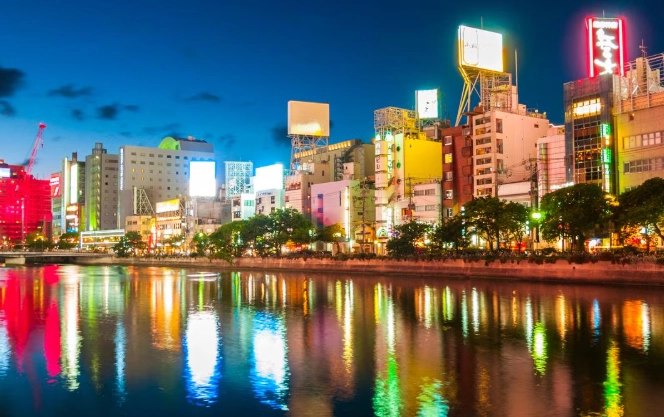
Pro Move: Most traditional tonkotsu ramen shops are "kaedama" friendly. That means when you finish your noodles, you can order a fresh noodle refill (a kaedama) to put into your remaining broth. It's the ultimate way to make sure not a single drop of that liquid gold goes to waste. A must-try ritual.
Yatai: The Magical Open-Air Food Stalls
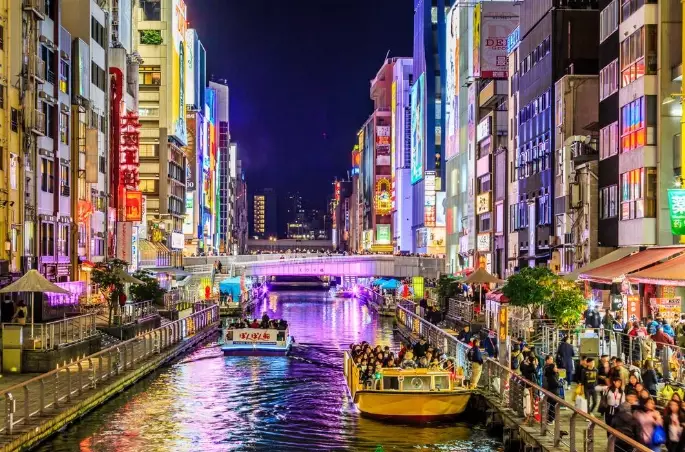
This is the soul of Fukuoka's street food scene and a huge part of its identity. Picture this: as dusk falls, small mobile kitchens on wheels start setting up along the riverbanks and certain city streets. By nightfall, they're glowing lanterns in the dark, with salarymen, tourists, and friends gathered on tiny stools around a counter.
The atmosphere is incredible. It's communal, lively, and uniquely Fukuoka. While Tokyo's yatai scene has dwindled, Fukuoka actively protects and regulates theirs. You'll find about 100 licensed yatai scattered, with concentrations in Nakasu, Tenjin, and Nagahama.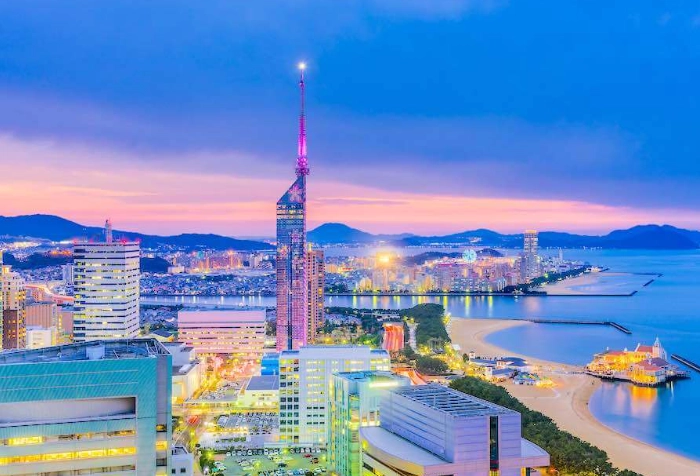
What do you eat at a yatai? Ramen is common, but also try:
- Oden: A comforting winter stew with various fish cakes, daikon radish, and eggs simmering in a light broth.
- Yakitori: Grilled chicken skewers, perfect with a cold beer.
- Motsunabe: A local hotpot featuring beef or pork offal (intestines) with vegetables in a miso or soy sauce broth. Don't knock it till you've tried it – it's way more delicious and less scary than it sounds.
Sitting at a yatai, squeezing next to strangers, and watching the chef work magic in a 2x2 meter space... that's a memory you keep.
Mentaiko: The Spicy Cod Roe Obsession
Fukuoka is the undisputed home of mentaiko – salted and spicy pollock (or cod) roe. It's a pinkish, granular paste that's bursting with umami and a kick of chili. You'll find it everywhere. Stuffed into onigiri (rice balls), mixed into pasta (mentaiko pasta is a weirdly amazing fusion dish), spread on crackers, or simply eaten with plain rice.
Places like the Fukuoka Mentaijin shops are pilgrimage sites for fans. You can buy everything from classic to extra-spicy, and even mentaiko-flavored snacks. It's a unique local flavor that defines what Fukuoka is known for in the gourmet souvenir department.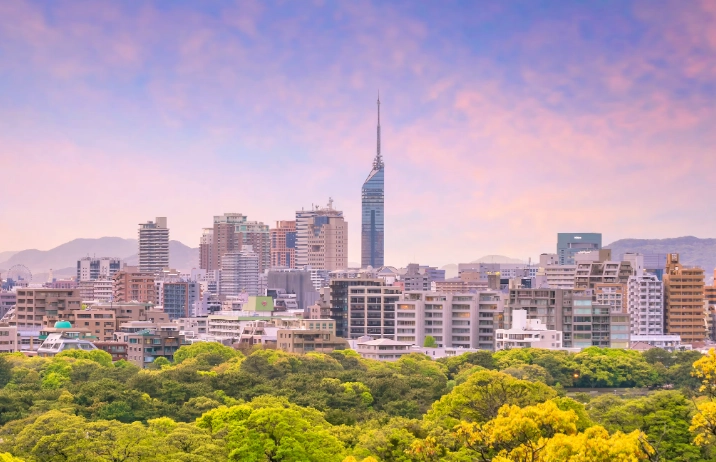
Local Secret: While Hakata ramen gets the glory, try the Nagahama ramen style. It originated in the Nagahama fishing district and is often considered the purist's version – usually just broth, noodles, scallions, and a couple of slices of chashu pork. No fancy toppings. It's cheap, fast, and incredibly focused on the quality of the base elements. A real local experience.
Beyond the Bowl: History, Culture & Unexpected Finds
Okay, you're fed. But what is Fukuoka, Japan known for besides being a foodie paradise? A lot, actually. Its history as a crucial port city linking Japan to Korea and China has left a deep cultural imprint.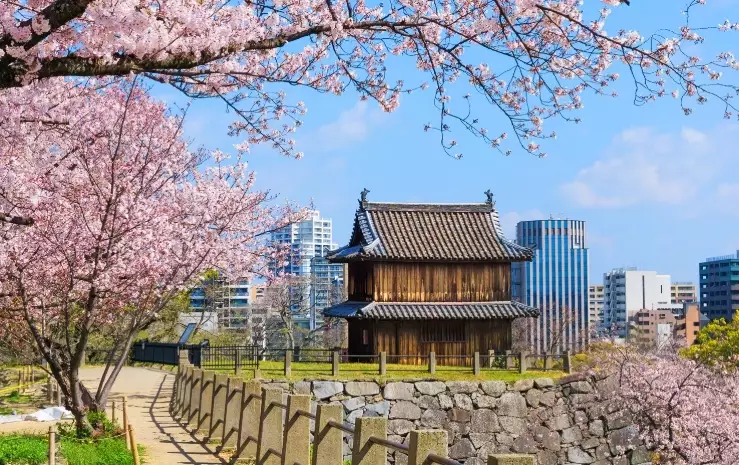
Ancient Gates and Serene Shrines
Fukuoka is a city of two old towns: Hakata (the merchant port district) and Fukuoka (the samurai castle town). That duality is still felt.
Fukuoka Castle (Maizuru Castle) Ruins: Don't expect a fully reconstructed castle like in Osaka. The stone walls and foundations remain in the beautiful Ohori Park, offering fantastic panoramic views of the city. It's more atmospheric than impressive, a nice place for a walk. The adjacent Ohori Park, with its large central pond modeled after West Lake in China, is a lovely escape.
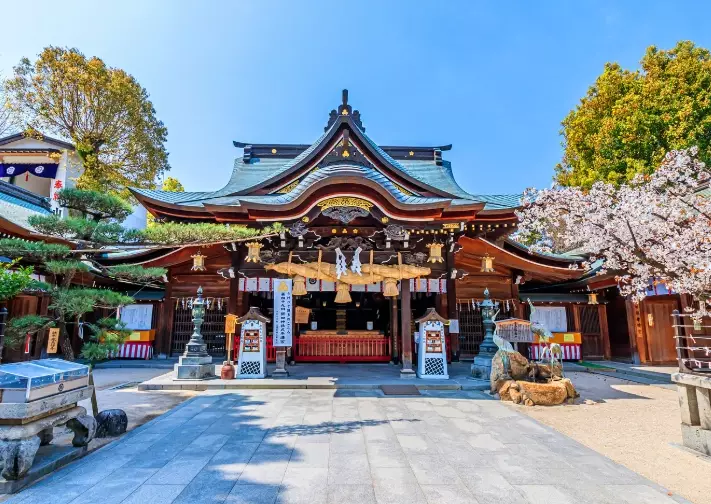
Kushida Shrine: This is the most important Shinto shrine in Hakata, founded in 757 AD. It's the home of the famous Hakata Gion Yamakasa festival. Even outside the festival (which is insane – men race through the streets carrying heavy floats at 4 AM in July), it's a serene spot. Look for the giant kazariyama (decorative float) display and the ancient gingko tree.
Shofukuji Temple: This one's for the history buffs. It's recognized as the very first Zen temple in Japan, founded in 1195. The grounds are quiet and meditative, a stark contrast to the modern city just outside its gates.
Festival Fire: If you want to see Fukuoka's passionate side, read up on the Hakata Gion Yamakasa. It's a two-week festival in July culminating in the Oiyama race. Teams from different districts compete, carrying one-ton floats while wearing traditional fundoshi (loincloths). The energy is raw and unforgettable. The city's official tourism site has a great page on its history and schedule: Fukuoka/Yokanavi Guide to Yamakasa.
Modern Marvels and Shopping Sprees
Fukuoka isn't stuck in the past. It's a hub for startups and design.
Canal City Hakata: This isn't just a mall; it's a spectacle. A huge complex with a canal running through the middle, daily water shows, a theater, cinemas, and every shop you can imagine. It's over-the-top, a bit chaotic, but you have to see it. The Ramén Stadium on the 5th floor is a curated collection of ramen shops from across Japan – perfect if you want to compare Fukuoka's tonkotsu to other regional styles.
Tenjin & Daimyo: Tenjin is the high-end shopping and business district, packed with department stores like Mitsukoshi and Daimaru. Cross into the adjacent Daimyo area, and the vibe shifts to trendy, narrow streets filled with independent boutiques, vintage clothing stores, hip cafes, and tiny bars. This is where the fashionable locals hang out. Getting lost in Daimyo's backstreets is highly recommended.
Fukuoka Tower & Seaside Momochi: For a view, head to the seaside Momochi area. Fukuoka Tower, Japan's tallest seaside tower, is covered in mirrored panels. The view from the observation deck is great, especially at sunset. The surrounding area is a planned, modern district with museums like the Fukuoka City Museum (check out the famous gold seal, a national treasure linked to ancient diplomacy) and the futuristic Fukuoka PayPay Dome, home to the Fukuoka SoftBank Hawks baseball team. The official Fukuoka Tower website has info on combo tickets with nearby attractions.
See what I mean? From 8th-century temples to 21st-century mirrored towers, all in one city.
Getting Around & Making it Work For You
Part of the charm is how manageable Fukuoka is. The airport is stupidly close to the city center – a 5-minute subway ride to Hakata Station. It's a game-changer.
The subway system (Nanakuma and Airport lines) is simple and covers most key areas. For wider exploration, the Nishitetsu railway and buses are easy to use. Renting a bicycle is also a fantastic idea; the city is relatively flat with good cycling paths along the river.
Wondering about a base? Here's a quick breakdown:
| Area | Best For | Vibe |
|---|---|---|
| Hakata Station Area | Convenience, first-time visitors, transport links. Direct airport access. Tons of ramen shops and department stores connected to the station. | Busy, efficient, a bit impersonal. The nerve center. |
| Tenjin | Shopping, nightlife, dining. Central to everything. Close to Daimyo and the yatai areas along the river. | Energetic, cosmopolitan, the heart of the city's action. |
| Nakasu | Nightlife (of all kinds), yatai galore. The island between Hakata and Tenjin. | Vibrant, chaotic after dark, the entertainment district. |
| Gion/Maidashi | Quieter, more local feel. Near Kushida Shrine and traditional crafts shops. | Residential, historic, peaceful. |
Answering Your Next Questions (The FAQ in My Head)
After talking about what Fukuoka is known for, other questions pop up. Here are the ones I had, and ones I hear a lot.
Is Fukuoka worth visiting, or should I just stick to Tokyo/Kyoto?
Absolutely worth it. It offers a distinctly different flavor of Japan. Less crowded (though not empty), more relaxed, and with a food culture that's arguably more accessible and fun. It's perfect for a 3-4 day trip, either on its own or combined with a visit to other Kyushu spots like Beppu, Yufuin, or Nagasaki.
How many days do I need?
Three full days is the sweet spot. Day 1 for Hakata ramen, yatai, and Canal City. Day 2 for Tenjin/Daimyo shopping, Ohori Park/Fukuoka Castle ruins, and maybe a museum. Day 3 for exploring a specific interest – maybe a deep dive into shrines, a trip to the seaside at Momochi, or a food tour focused on mentaiko and local sweets. It's a compact city, so you can cover a lot.
What's the best time to visit?
Spring (March-May) and Autumn (October-November) are ideal, with mild temperatures. Summer (June-August) is hot and humid, but you have the incredible Yamakasa festival in early July. Winter is mild compared to much of Japan, and a steaming bowl of ramen or hotpot hits the spot.
Is it budget-friendly?
More so than Tokyo or Kyoto. Accommodation can be slightly cheaper. The real win is the food. You can have a mind-blowing meal at a yatai or a local ramen joint for under 1,000 yen. High-end dining exists, but the value at the middle and lower end is exceptional.
A Word on "Must-Dos": Everyone will tell you to go to the famous ramen shops. And you should. But my personal favorite memory? Wandering through the Yanagibashi Rengo Market (Hakata's main food market) early in the morning. It's smaller and less frantic than Tokyo's Tsukiji, but you see the fresh seafood, the local produce, and you can grab a incredibly fresh sashimi breakfast at one of the tiny stalls inside. It felt real.
The Final Scoop: What's the Verdict?
Look, if you want the neon overload of Shinjuku or the timeless temples of Kyoto, those places are iconic for a reason. But if you want a city that feels lived-in, where world-class cuisine isn't behind a velvet rope but on a street corner, where history pokes through the modern grid, and where you can actually breathe and take it all in without being constantly jostled... then Fukuoka is your spot.
So, what is Fukuoka, Japan known for in the end? It's known for delicious, unpretentious food that warms your soul. It's known for a unique, festive spirit captured in its yatai and legendary festivals. It's known for being a gateway that's also a compelling destination all by itself. It's known for a balance that many cities strive for but few achieve.
It might not shout the loudest, but it stays with you the longest.
My advice? Go. Eat the ramen. Sit at a yatai. Get lost in Daimyo. Stand on the old castle walls. Then decide for yourself what Fukuoka is known for to you. I have a feeling your answer will involve a full stomach and a very contented smile.

Comments