Journey Highlights
- Before You Go: The Non-Negotiable Prep Work
- The Classic 10-Day Japan Itinerary: Golden Route Breakdown
- Days 1-4: Diving Headfirst into Tokyo
- Days 5-7: The Serene Soul of Kyoto
- Days 8-9: The Foodie Paradise of Osaka
- Day 10: Departure & Last-Minute Souvenirs
- The Nitty-Gritty: Budget, Transport & JR Pass Math
- Frequently Asked Questions (The Real Ones)
- Final Thoughts: Making This Itinerary Yours
Let's be real. Planning a trip to Japan can feel like trying to drink from a firehose. There's just too much. You've got ancient temples, futuristic cities, incredible food around every corner, and a culture that's both deeply traditional and wildly modern. Where do you even start with just ten days?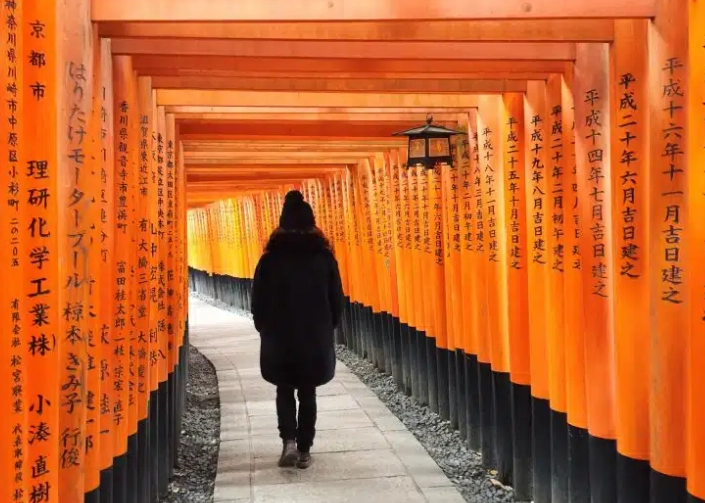
I've been there. My first trip was a mess of over-planning and under-experiencing. I spent more time on trains than I did in actual places. Not ideal.
This guide is the one I wish I had. It's a balanced, tried-and-tested Japan travel itinerary 10 days that hits the iconic spots (Tokyo, Kyoto, Osaka) but leaves room for you to breathe, wander, and find your own little moments. We'll talk logistics, money, food, and those small details that make a big difference. Forget the generic lists. This is about building a trip you'll actually remember.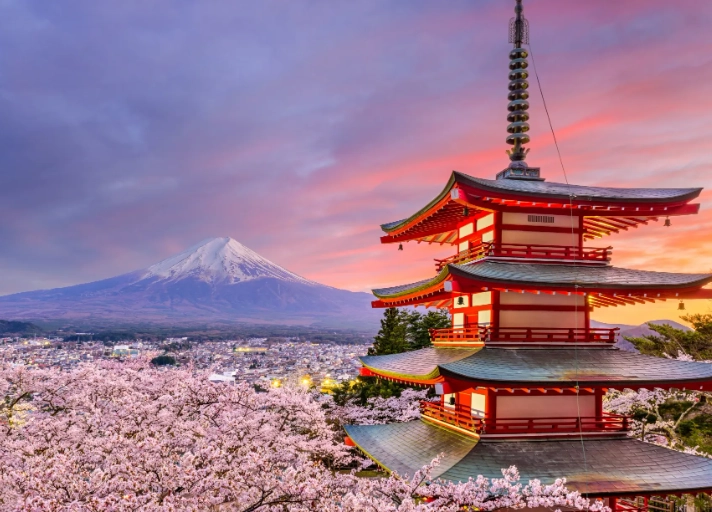
Before You Go: The Non-Negotiable Prep Work
Jumping straight into the day-by-day plan is tempting, but trust me, a little prep saves a ton of stress on the ground. Japan runs on its own rhythm, and a few things work differently.
The Absolute Must-Dos Before Your Japan 10 Day Itinerary
- Pocket Wi-Fi or SIM Card: Book this in advance. Google Maps is your lifeline for trains, and having constant data is a game-changer. I prefer a pocket Wi-Fi device you can pick up at the airport; it's reliable and can connect multiple phones.
- Cash is Still King (Mostly): While credit cards are more common now, especially in cities, many smaller restaurants, temples, and markets are cash-only. Withdraw a decent amount from an ATM at the airport (7-Eleven ATMs are foreign-card friendly).
- Download These Apps: Google Maps (for transit and walking), Google Translate (use the camera function to read menus!), and maybe an app like Japan Travel by Navitime for more detailed train info.
- JR Pass Calculation: This is a big one. The Japan Rail Pass can be a huge money-saver, but only if your long-distance travel justifies the cost. For this classic Tokyo-Kyoto-Osaka loop, it's often borderline. We'll do the math later.
One personal tip? Learn a few basic phrases. "Arigatou gozaimasu" (thank you), "Sumimasen" (excuse me/sorry), and "Kore o kudasai" (this one, please) go a long, long way. It shows respect, and people really appreciate the effort.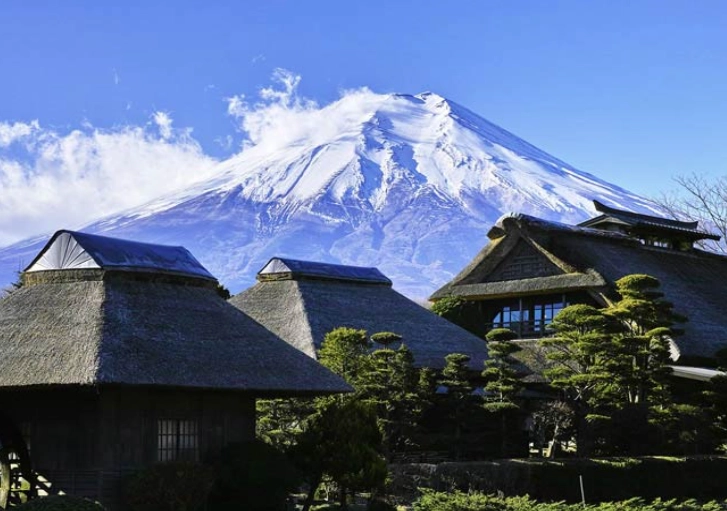
The Classic 10-Day Japan Itinerary: Golden Route Breakdown
This is the core route for a reason. It gives you a fantastic first taste of Japan's diversity. We're splitting time between the frantic energy of Tokyo, the serene history of Kyoto, and the gritty, delicious heart of Osaka. Is it touristy? Sure. But it's popular because it's incredibly good.
| Day | Base | Focus & Key Activities | Overnight |
|---|---|---|---|
| 1-4 | Tokyo | Arrival, Shibuya/Shinjuku, Asakusa & Akihabara, Day Trip Option | Tokyo |
| 5-7 | Kyoto | Travel to Kyoto, Fushimi Inari & Southern Higashiyama, Arashiyama & Kinkaku-ji | Kyoto |
| 8-9 | Osaka | Travel to Osaka, Osaka Castle & Dotonbori, Nara Day Trip | Osaka |
| 10 | Departure | Last-minute exploring, travel to KIX or HND for flight | - |
See? It looks manageable. Now, let's dig into what you actually do on those days.
Days 1-4: Diving Headfirst into Tokyo
You'll likely land at Narita (NRT) or Haneda (HND) airports. Haneda is closer. Either way, you'll be jet-lagged. Don't fight it. Plan a light first day.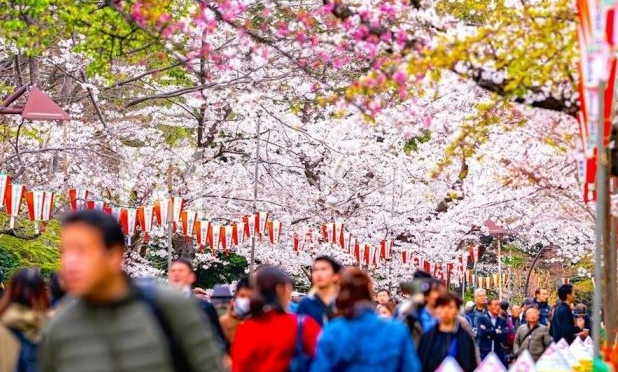
Tokyo Day 1: Arrival & First Impressions
Get through immigration, pick up your pocket Wi-Fi, get some cash, and figure out the train into the city. The Narita Express (N'EX) or Keisei Skyliner are your best bets from Narita. From Haneda, the monorail to Hamamatsucho is easy. I always stay in Shinjuku or Shibuya for the first visit—it's in the middle of everything and feels like you're in the heart of the action.
After checking in, just walk. Get lost around Shinjuku Station (it's a maze, you will). Find a ramen shop in a back alley. Don't worry about finding the "best" one. Just point at the vending machine for a ticket. Eat. That's your victory for the day. Go to bed early to reset your clock.
Tokyo Day 2: Shibuya & Harajuku Energy
Start at the Shibuya Scramble Crossing. It's cliché, but standing in the middle of that human river is a sensation. For a great (and free) view, head to the second-floor Starbucks in the Tsutaya building, though it's often packed. The Shibuya Sky observatory is a paid alternative with breathtaking 360-degree views.
Then walk to Harajuku. Takeshita Street is a sensory overload of crepe stands, quirky fashion, and crowds. Honestly, it can be a bit much. I prefer wandering the backstreets of Omotesando, which are lined with beautiful architecture and chic cafes. Meiji Jingu shrine, right next to Harajuku station, is a stunning, peaceful forest in the middle of the city. The contrast is magical.
Tokyo Day 3: Asakusa Tradition & Akihabara Future
Morning in Asakusa. The Senso-ji Temple is Tokyo's oldest. The Nakamise shopping street leading to it is packed with souvenir stalls. It's touristy, but the atmosphere is great. For a different perspective, take a short river cruise from Asakusa to Hama-rikyu Gardens or Odaiba.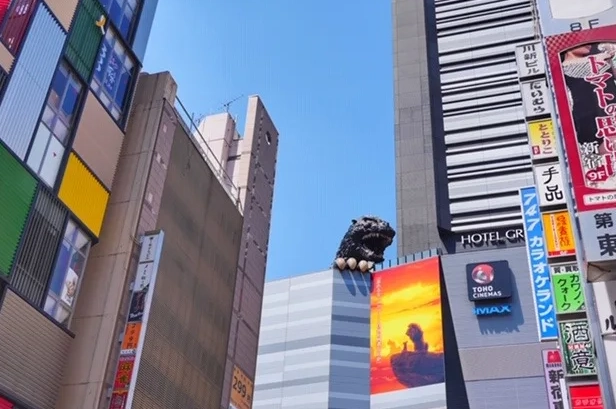
Afternoon in Akihabara, the electric town. This is for anime, manga, and electronics fans. Even if you're not, it's a spectacle. Multi-story arcades, maid cafes, and shops selling every gadget imaginable. It's loud, bright, and uniquely Tokyo. Don't miss the Yodobashi Camera complex—it's a consumer electronics wonderland.
Personal Gripe: The robot restaurant in Shinjuku used to be a staple recommendation. It's closed now, but be wary of similar "over-the-top tourist shows" that charge a fortune for what is essentially a noisy, confusing performance. Your money is better spent on food.
Tokyo Day 4: Choose Your Own Adventure
You have options. This is where your Japan 10 day itinerary gets flexible.
- TeamLab Planets/Borderless: An immersive, digital art experience. It's incredible for photos and a unique sensory trip. Book tickets well in advance.
- Day Trip to Kamakura: The "Kyoto of the East." See the Great Buddha (Daibutsu) and wander temple streets. It's a 1-hour train ride and a lovely break from the city.
- Explore Shinjuku Gyoen National Garden: A massive, beautiful park perfect for a stroll if you need a nature fix.
- Go Shopping in Ginza: For upscale department stores and flagship shops.
I did Kamakura on my last trip and loved it. The Buddha is humbling, and the street food leading up to Hase-dera temple was fantastic.
Days 5-7: The Serene Soul of Kyoto
Time to ride the Shinkansen (bullet train)! This is the iconic experience. From Tokyo Station, take the Tokaido Shinkansen line to Kyoto Station. The Nozomi is fastest but not covered by the JR Pass. The Hikari is slightly slower but is JR Pass compatible. The ride is about 2-2.5 hours.
Pro Tip: Buy an Ekiben (station bento box) from one of the shops in Tokyo Station before you board. Eating a beautifully arranged lunch while watching the Japanese countryside zip by at 300 km/h is a core memory moment.
Kyoto Day 5: Arrival & Fushimi Inari Taisha
Check into your accommodation. I recommend staying near Kyoto Station (for convenience) or in the Gion/Higashiyama area (for atmosphere). Drop your bags and head straight to Fushimi Inari Taisha.
Go later in the afternoon. Most tour groups are gone by 3-4 PM. The famous path of thousands of vermilion torii gates is stunning. A common mistake is to stop at the first crowded section. Keep walking. The path goes up the mountain, and the higher you go, the quieter and more atmospheric it becomes. You don't need to hike the whole loop; even 30-40 minutes up gives you a much better experience.
Kyoto Day 6: Southern Higashiyama - The Postcard Walk
This is the classic Kyoto temple day. Start early. I mean 8 AM early. It makes all the difference.
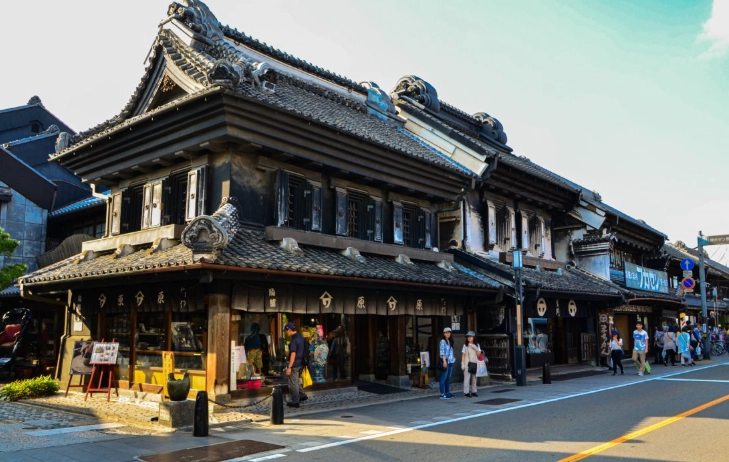
Begin at Kiyomizu-dera Temple. The wooden stage overlooking the city is iconic. The streets (Ninenzaka & Sannenzaka) leading down from it are lined with traditional wooden merchant houses—they're beautiful but get packed by 10 AM. Early birds get the photos and the peace.
Walk through Maruyama Park, past Yasaka Pagoda, and end up in the Gion district. This is the geisha district. Be respectful. Don't chase geiko or maiko for photos. You might spot one gracefully hurrying to an appointment in the evening around Hanami-koji street. For dinner, try Pontocho Alley, a narrow lane packed with restaurants along the river.
Kyoto Day 7: Arashiyama & The Golden Pavilion
Another early start for Arashiyama Bamboo Grove. By 9 AM, it's a pedestrian highway. If you can get there by 7:30 AM, you'll experience the magical, quiet light filtering through the bamboo. It's worth the lost sleep.
After the grove, explore the rest of Arashiyama. Tenryu-ji Temple has a stunning garden. You can take a quaint rowboat on the river or visit the Iwatayama Monkey Park (a short hike up to monkeys with a great view).
In the afternoon, head across town to Kinkaku-ji, the Golden Pavilion. It's covered in gold leaf and reflected in a pond. It's spectacular, but be prepared: the path is a one-way, crowded conveyor belt. You look, you take your photo, you move on. It lacks the serenity of other temples but is undeniably photogenic.
Feeling templed-out? That's normal. It's called "temple fatigue." Maybe swap one temple for a traditional tea ceremony experience or a cooking class. The Kyoto City Official Travel Guide has great listings for authentic cultural activities.
Days 8-9: The Foodie Paradise of Osaka
Kyoto to Osaka is a quick, easy train ride (about 30 minutes on the JR Special Rapid Service). The vibe changes instantly. Kyoto is refined; Osaka is bold, friendly, and all about eating.
Osaka Day 8: Castle & Kitchen
Start with Osaka Castle. The park grounds are vast and lovely. The castle itself is a modern reconstruction with a museum inside. The view from the top is nice, but the exterior is the main draw for me.
The real action is in the evening at Dotonbori. This is Osaka's famous entertainment and food district. The giant neon signs (the running Glico man, the crab, the pufferfish) are iconic. The energy is electric. This is where you come to eat street food: takoyaki (octopus balls), okonomiyaki (savory pancake), and kushikatsu (deep-fried skewers). Just follow the lines and the delicious smells.
Shinsekai district, with its old-school, slightly retro vibe and the Tsutenkaku Tower, is also worth a visit for a different feel.
Osaka Day 9: Day Trip to Nara
Osaka is a perfect base for a day trip to Nara. It's about 45-60 minutes by train.
Nara is famous for two things: Todai-ji Temple, which houses one of the largest bronze Buddha statues in the world in the world's largest wooden building (the scale is mind-blowing), and the hundreds of free-roaming, bowing deer in Nara Park.
Buy some "shika senbei" (deer crackers) from a vendor. The deer will bow to you for them! They can be a bit pushy, so be careful with maps or paper bags—they will try to eat them. It's a uniquely fun and slightly surreal experience. Also visit Kasuga Taisha shrine, with its hundreds of stone and bronze lanterns.
Day 10: Departure & Last-Minute Souvenirs
Your final day depends on your flight time. If you're flying out of Kansai Airport (KIX) from Osaka, you have it easy. The Nankai Rapi:t train or the JR Haruka express are straightforward.
If you need to fly out of Tokyo (HND/NRT), you'll need to factor in a ~3-hour Shinkansen ride back in the morning. Book your seat reservation the day before.
Use any spare time for last-minute shopping. Don Quijote ("Donki") is a famous discount chain store perfect for quirky souvenirs, snacks, cosmetics, and everything in between. It's chaotic and amazing. Stock up on Kit Kats (green tea, strawberry, wasabi flavors!) and other unique snacks for the trip home.
The Nitty-Gritty: Budget, Transport & JR Pass Math
Let's talk numbers and logistics, because this is where most guides get vague.
To JR Pass or Not to JR Pass?
For this specific 10 days Japan itinerary (Tokyo -> Kyoto -> Osaka -> back to Tokyo for flight), let's do a quick calculation as of my last check. Prices fluctuate, so always verify on the official site.
- 7-Day Ordinary JR Pass: ~¥50,000
- Key Shinkansen trips: Tokyo to Kyoto (Hikari) ~¥13,320 (one-way). Kyoto to Osaka (local JR) ~¥560. Osaka to Tokyo (Hikari) ~¥14,140. Total: ~¥28,020.
See? The round-trip Shinkansen alone doesn't cover the cost of a 7-day pass. The pass only becomes worth it if you activate it mid-trip to cover Tokyo->Kyoto and Osaka->Tokyo, and you take several other JR trips within that 7-day window (like to Nara, within Tokyo, etc.).
My advice? Use the JR Pass Calculator and map your exact travel days. Often, for this route, buying individual Shinkansen tickets (you can get a round-trip discount ticket called a "Round-trip Tour Ticket" for foreign tourists sometimes) and using IC cards (Suica/Pasmo) for local travel is cheaper and more flexible.
Budget Breakdown (Per Person, Mid-Range)
This is for comfort, not luxury or shoestring.
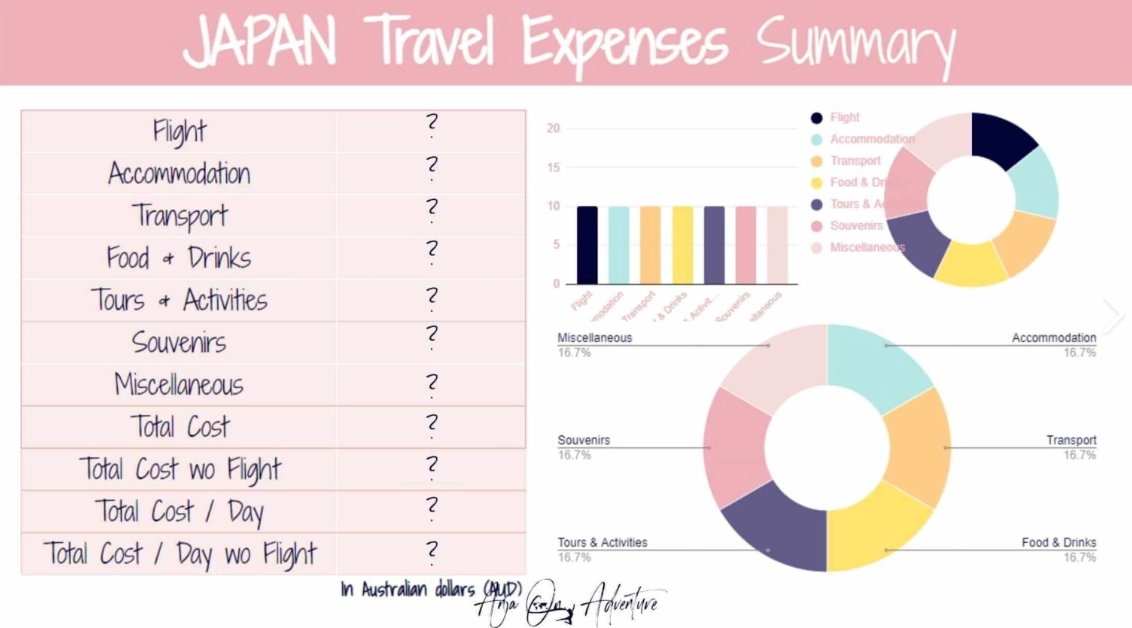
| Category | Estimated Cost (10 Days) | Notes |
|---|---|---|
| Accommodation | ¥80,000 - ¥120,000 | Business hotels or nice hostels. Book early! |
| Food & Drink | ¥40,000 - ¥60,000 | Mix of convenience store breakfasts, casual lunches, nice dinners. You can eat very well. |
| Long-Distance Transport | ¥30,000 - ¥40,000 | Shinkansen round-trip + local trains. Varies with JR Pass decision. |
| Attractions & Activities | ¥15,000 - ¥25,000 | Temples (¥300-¥1000 each), museums, TeamLab, etc. |
| Pocket Wi-Fi/SIM, Souvenirs, Misc | ¥15,000 - ¥25,000 | The "just in case" fund. |
| Total Estimate | ¥180,000 - ¥270,000 | Roughly $1,200 - $1,800 USD (excluding flights). |
It's not the cheapest destination, but the value for money—in safety, cleanliness, food quality, and experience—is incredibly high.
Frequently Asked Questions (The Real Ones)
Here are the questions I actually get asked after people use one of my Japan travel itinerary 10 days plans.
Autumn (October - November): Fall foliage. Stunning, also popular but slightly less hectic than spring.
Shoulder Seasons (May-June, September): My personal favorite. Good weather, fewer crowds, lower prices.
Summer (July-August): Hot and humid. Festivals are great, but be prepared for the heat.
Winter (December-February): Cold, but clear skies and fewer tourists. Great for onsens (hot springs).
Final Thoughts: Making This Itinerary Yours
This best Japan itinerary 10 days is a framework, not a prison sentence. Love anime? Spend more time in Akihabara. Adore history? Add a second day in Nara or swap Osaka for more Kyoto temples. Just want to eat? Base yourself more in Osaka and do food-focused day trips.
The single best piece of advice I can give you is this: Schedule empty time. Leave an afternoon or evening unplanned. Get lost in a random neighborhood. Pop into a tiny bar with five seats. Follow a side street that looks interesting. That's where you'll find your own personal Japan.
Japan has a way of meeting you halfway. It's efficient and orderly, yet full of quiet, profound beauty just beneath the surface. This 10-day journey is your gateway. It'll give you the highlights, the logistics, and the confidence to explore. You'll come back wanting more—and you'll already be planning your next Japan travel itinerary 10 days, maybe to the north or the southern islands.
Safe travels. Or as they say in Japan, いってらっしゃい (Itterasshai – go and come back).

Comments