Fukuoka sneaks up on you. It’s not as in-your-face as Tokyo or as historic as Kyoto. But spend a few days here, and its charm becomes obvious. It’s a city built for living—easy to navigate, packed with incredible food, and layered with history that feels alive, not just preserved behind glass.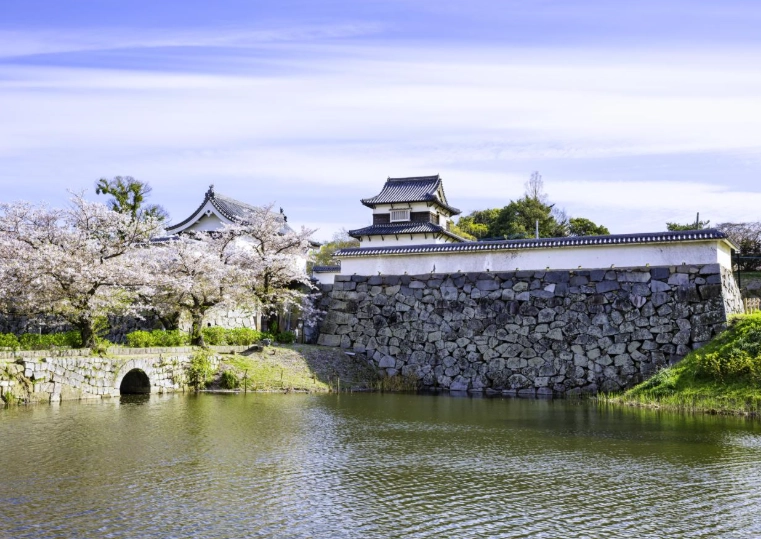
Most lists of Fukuoka attractions will throw the same five places at you. I’ve lived here on and off for years, and that approach misses the point. The magic is in how you experience these places. Knowing when to go to avoid the tour buses, where to find the hidden garden within the castle grounds, which yatai stall has the friendliest master.
That’s what this guide is for. I’ll give you the practical details you need to plan, but also the context to make your visit memorable.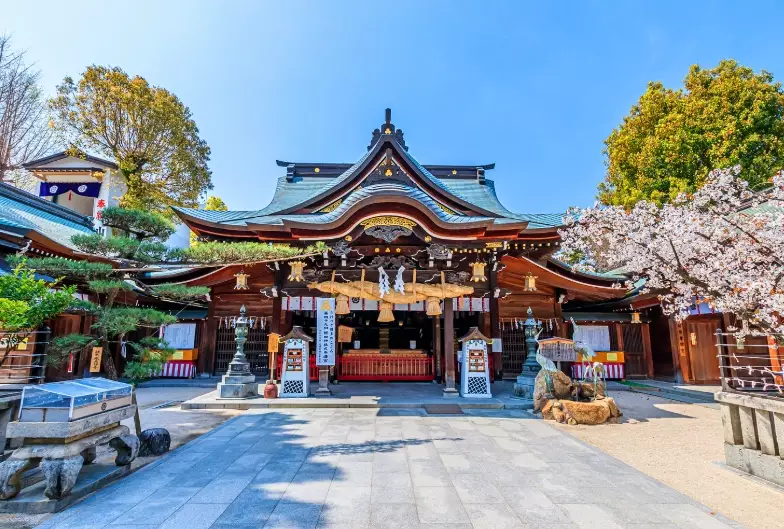
Your Quick Jump to Fukuoka’s Best
The Core Attractions: History Meets Nature
Let's start with the heavy hitters. These are the places you’ll see on every postcard. But I’ll tell you how to see them right.
Fukuoka Castle (Maizuru Park) Ruins
Don't expect Himeji Castle. What’s left are impressive stone walls, a few reconstructed turrets (yagura), and one of the best green spaces in the city. The genius of this spot is the combination. You get history and a sprawling park in one go.
The castle ruins sit on a hill, offering panoramic views of the city and Hakata Bay. In spring, it’s one of Fukuoka’s top cherry blossom spots. But even on a regular day, watching locals jog, practice tai chi, or just nap under the trees gives you a real slice of city life.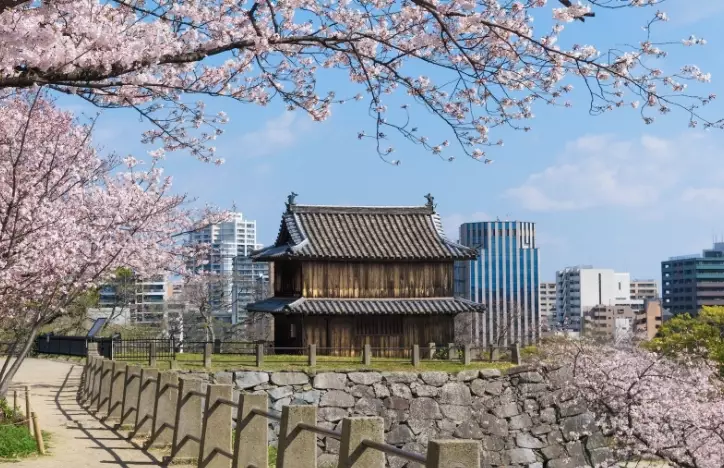
Ohori Park
Right next to the castle ruins, Ohori Park is the city’s central lung. The name means “moat,” and the large pond is actually part of the old castle’s defense system. Now, it’s a beautiful walking path with bridges leading to little islands.
Rent a swan boat if you want the classic experience (about ¥700 for 30 minutes). But the real joy is the 2-kilometer jogging path around the water. Come early in the morning, and you’ll see the city waking up. It’s a stark, peaceful contrast to the buzz of Tenjin.
Kushida Shrine
This is the heart of Hakata. Founded in 757 AD, Kushida Shrine is the city’s most important Shinto site. It’s compact but powerful. Look for the giant kazariyamakasa festival floats displayed at the back—they’re used in Hakata Gion Yamakasa, Fukuoka’s famous July festival.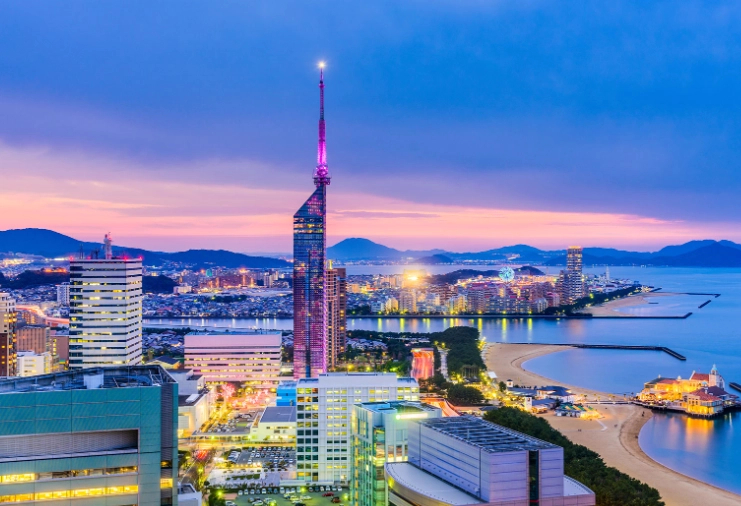
There’s a 1,000-year-old ginkgo tree here. Touching the tree is said to grant longevity. I can’t verify that, but it’s a humbling sight.
Culture and the City's Pulse
Fukuoka is a modern city. These attractions show you its contemporary face—shopping, art, and that legendary food scene.
Canal City Hakata
Calling a mall an “attraction” feels weird, but Canal City is an exception. It’s a city block-sized complex designed around a central canal with dancing fountains and regular light shows. The architecture is chaotic and fascinating.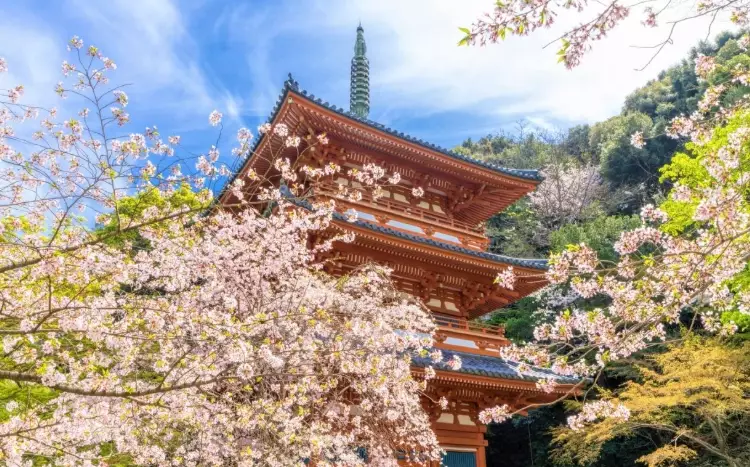
You’re not just here to shop. Come for:
- The Ramen Stadium on the 5th floor, where eight famous ramen shops from across Japan compete. It’s a perfect, low-pressure way to try different styles.
- The free fountain shows every 30 minutes after 10 AM.
- People-watching from the upper floors.
It’s a 10-minute walk from Hakata Station or a short ride on the Nishitetsu bus.
The Yatai (Open-Air Food Stalls) of Nakasu and Tenjin
This is Fukuoka’s iconic experience. Around 100 of these mobile stalls set up along the river in Nakasu and on streets in Tenjin every evening. They seat about 8 people each and serve ramen, oden, grilled skewers, and drinks.
Here’s the non-consensus take most guides miss: Not all yatai are created equal. The ones right in the glitzy Nakasu area can feel a bit transactional, catering to tourists and businessmen on expense accounts. For a more authentic, chatty vibe, I prefer the clusters near Tenjin, like on Showa Dori.
Expect to spend ¥2,000-¥4,000 per person for a meal and a couple of drinks. Cash only. They open around 6-7 PM and run until midnight or later.
Daimyo & Tenjin – For Urban Exploration
Fukuoka’s downtown shopping and entertainment districts, Tenjin and the adjacent Daimyo, are attractions in themselves. Tenjin is the upscale department store hub (Mitsukoshi, Daimaru). Daimyo is the trendy, labyrinthine neighborhood of narrow streets packed with indie fashion boutiques, record stores, craft beer pubs, and hip cafes.
Getting lost in Daimyo is the activity. You won’t find a specific “ticket” or “hours,” but you’ll find the city’s creative pulse.
Going Beyond the Checklist
These are for when you’ve done the big names and want to dig deeper.
Nokonoshima Island Park: A 10-minute ferry ride from Meinohama port. It’s a sprawling flower park with stunning seasonal blooms, hiking trails, and views back to the city. A perfect half-day escape. Ferry costs about ¥240 each way, park entry is ¥1,200.
Fukuoka Art Museum: Reopened in 2019 after a major renovation, it’s in Ohori Park and has a strong collection of modern Japanese and Asian art. Closed Mondays. Admission ¥200-¥500 depending on the exhibition.
Atago Shrine: High on a hill in the west of the city. The view over Hakata Port is spectacular, especially at sunset. It’s a local secret. Take bus #15 from Tenjin to Atago Jinja-mae.
Planning Your Fukuoka Itinerary
How you string these attractions together matters. Here are two practical templates.
| Itinerary | Morning | Afternoon | Evening |
|---|---|---|---|
| The 24-Hour Blitz | Kushida Shrine & Hakata Machiya Museum. Grab a quick Hakata ramen for lunch. | Canal City Hakata (Ramen Stadium if you're brave for round two). Walk to Nakasu. | Yatai dinner in Nakasu or Tenjin. Explore Tenjin nightlife. |
| The Perfect 2-Day Visit | Day 1: Ohori Park & Fukuoka Castle Ruins. Lunch near the park. | Fukuoka Art Museum (or relax in the park). Subway to Tenjin. | Dinner in Daimyo. Drinks at a craft beer bar. |
| Day 2: Kushida Shrine. Explore Hakata's temples. | Canal City. Head to Hakata Station for souvenir shopping (depachika food floors!). | Yatai experience in a Tenjin cluster. |
Essential Tips for Your Visit
Transport: The subway is your best friend. It only has three lines (Kuko, Hakozaki, Nanakuma) and covers all core areas. Get a Fukuoka Tourist City Pass (¥820 for adults) for unlimited subway and bus rides in the city center for a day. It pays for itself in three rides. From the airport, the subway is the fastest and cheapest way into town.
Crowds: Major sites are busiest from 11 AM to 3 PM. Visit Kushida Shrine early or late. Ohori Park is peaceful in the morning. Canal City is packed on weekends.
Money: While credit cards are common in stores and restaurants, yatai and many small eateries are cash-only. Always have yen on you.
Local Insights: Your Questions Answered
Fukuoka’s appeal isn’t in ticking off a list. It’s in the feeling you get walking from a 1,300-year-old shrine to a cutting-edge fashion boutique in ten minutes. It’s in the steam rising from a yatai ramen bowl on a cool evening. Use this guide to find the places, but keep your schedule loose enough to find the moments in between. That’s when the city really shines.



Comments