Your Quick Guide
Let's be honest, figuring out the best time to visit Yamagata isn't a one-size-fits-all answer. It's a question I get asked all the time, and my reply is always, "Well, what are you looking for?" Some people dream of skiing down pristine slopes, others want to walk under a tunnel of cherry blossoms, and some just want to soak in a hot spring without the crowds. Yamagata, tucked in Japan's Tohoku region, has a personality for every season. It's not just about checking a weather box; it's about matching the rhythm of the place to your own travel heartbeat.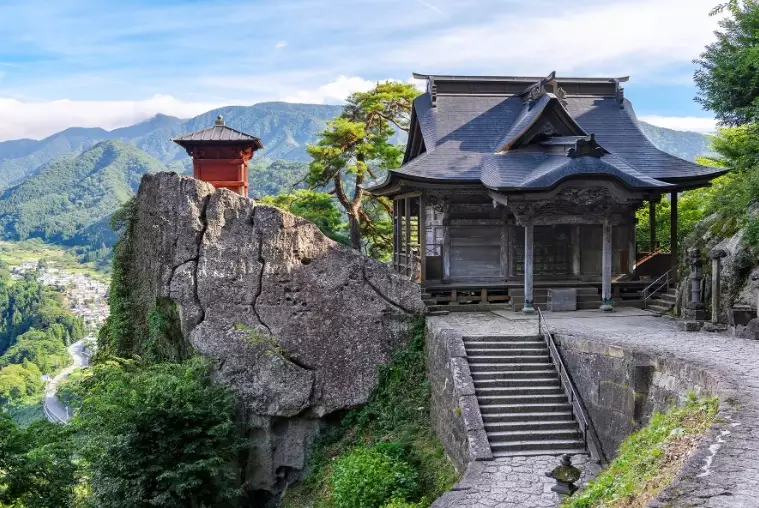
I've made the mistake of going at the "perfect" time for everyone else and found it wasn't perfect for me. Too many people, prices through the roof. So, let's ditch the generic advice and really dig into what each part of the year offers. This guide is less about me telling you the best time, and more about helping you discover your best time to visit Yamagata.
The Core Question: What is the best time to visit Yamagata for you? Is it when the sakura bloom in spring, the mountains are lush in summer, the leaves burn red in autumn, or the snow blankets the landscape in winter? Your answer changes everything.
Spring in Yamagata (March to May)
Ah, spring. This is when most blogs scream "BEST TIME TO GO!" and... they're not entirely wrong. But let's look past the postcard.
Weather and What to Expect
March is still chilly, often feeling like a continuation of winter, especially in the mountains. By April, things soften. Daytime temperatures climb into a pleasant 10-15°C (50-59°F) range, though nights can still nip. May is lovely, with warm days and comfortable evenings. The key thing here is variability. Pack layers. A light jacket is non-negotiable, even in late April.
The snow melts, revealing the landscape anew. Rivers swell, and everything feels fresh. It's a season of awakening.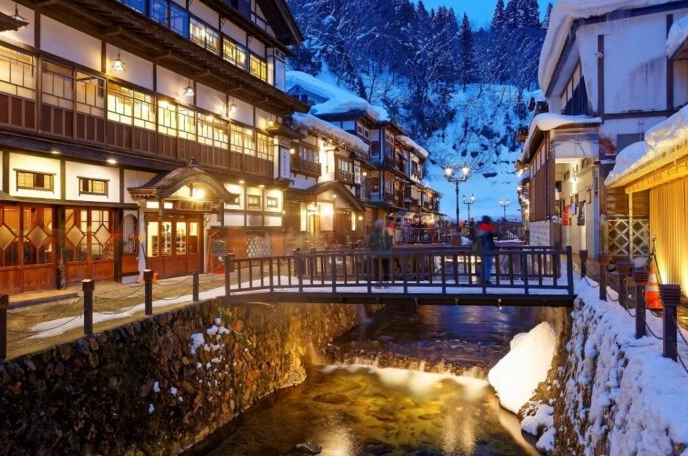
The Main Event: Cherry Blossoms
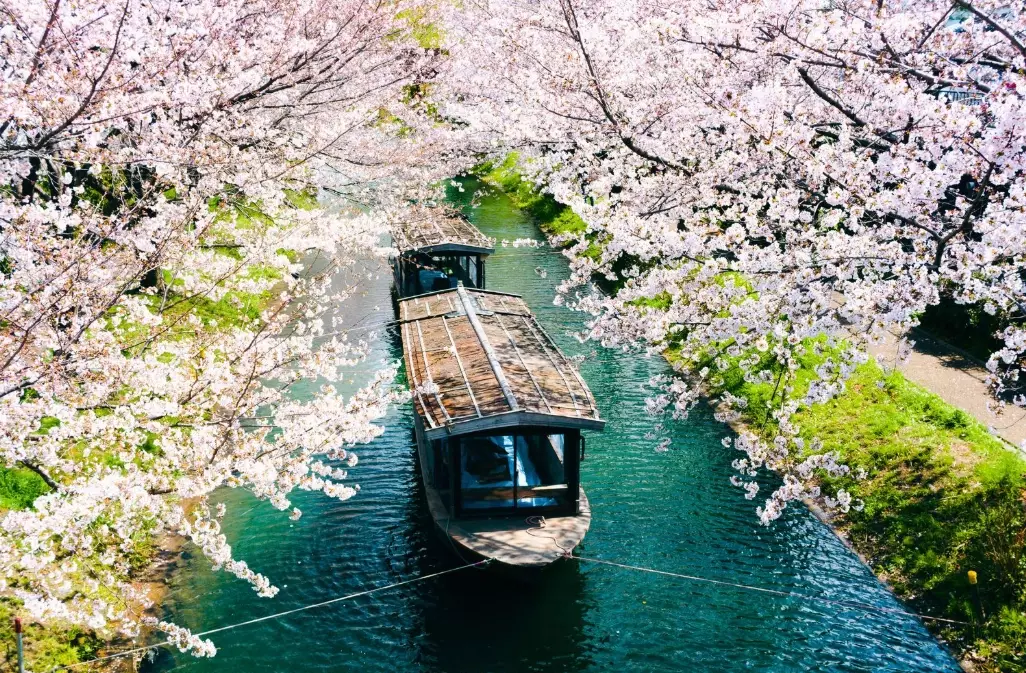
This is the big draw. Yamagata's cherry blossoms typically hit full bloom (mankai) from mid to late April. Because it's further north than Tokyo or Kyoto, the season comes later, which can be a great advantage if you miss the blooms further south.
- Kajo Park (Yamagata City): The quintessential spot. Hundreds of Somei Yoshino trees line the old castle grounds. It's beautiful, yes, but also packed. The festival atmosphere is fun, with food stalls and night illuminations.
- Mogami River Bank: For a more relaxed vibe, the banks of the Mogami River offer stunning lines of trees without the same level of congestion.
- Tendo's Cherry Trees: Tendo City is famous for shogi pieces, and its park offers a lovely, if smaller, display.
I went to Kajo Park on a Saturday during full bloom once. Never again. The sheer number of people made it hard to enjoy the tranquility the blossoms are supposed to embody. My recommendation? Go on a weekday morning, as early as you can. Have your coffee there, beat the crowds. That's the magic.
So, is spring the best time to visit Yamagata? For blossom chasers, absolutely. But be ready for higher accommodation prices and advanced bookings. If you dislike crowds, the edges of the season (late March or early May) might be a smarter play.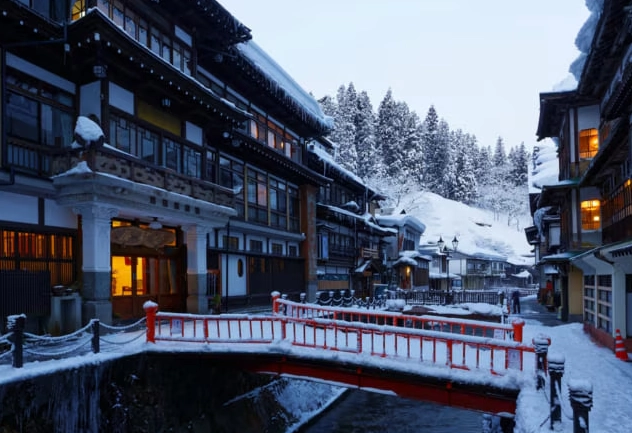
Summer in Yamagata (June to August)
Summer is Yamagata's secret power. While much of Japan swelters in oppressive heat and humidity, Yamagata's mountainous interior and higher elevation offer genuine respite. It's green, lush, and bursting with energy.
Weather: Surprisingly Manageable
Don't get me wrong, it gets warm. July and August see highs around 28-31°C (82-88°F). But the humidity is lower than in Tokyo or Osaka, and the nights are almost always cool and comfortable, especially in places like Zao or the Dewa Sanzan region. It's the perfect climate for hiking and outdoor exploration without feeling like you're melting.
June is the rainy season (tsuyu). It's not constant downpours, but you'll have cloudy, drizzly days. This brings an incredible, almost mystical green to the forests. The mountains seem to breathe.
Festivals and Mountain Trails
Summer is festival season. The Yamagata Hanagasa Festival in early August is a spectacle. Thousands of dancers parade through Yamagata City to a powerful drumbeat. It's hot, it's crowded, it's incredibly vibrant. A true cultural immersion.
But for me, summer's real gift is the access to the mountains.
- Dewa Sanzan Pilgrimage: The three sacred mountains (Haguro, Gassan, and Yudono) are accessible. Gassan, in particular, is only climbable in summer after the snow clears. The hike up Mount Haguro, through an ancient cedar avenue, is breathtaking in the summer mist.
- Ginzan Onsen: This famous hot spring town looks completely different from its winter self. It's verdant and quiet, with the river rushing through the gorge. A stay here in summer is serene.
- Fruit Picking: Yamagata is the fruit kingdom of Japan. Summer brings cherries (sakuranbo) and early peaches. Visiting an orchard is a delicious and authentic experience.
Local Tip: Even in summer, pack a light sweater or fleece for the evenings, especially if you're staying in mountain onsen towns. The temperature drop is real and welcome.
If your idea of the best time to visit Yamagata involves hiking, nature, and vibrant local culture without extreme heat, summer is a top contender. It's also relatively less crowded than spring or autumn in many non-festival areas.
Autumn in Yamagata (September to November)
This is my personal favorite. My bias is clear, but hear me out. Autumn is when Yamagata puts on its most dazzling costume.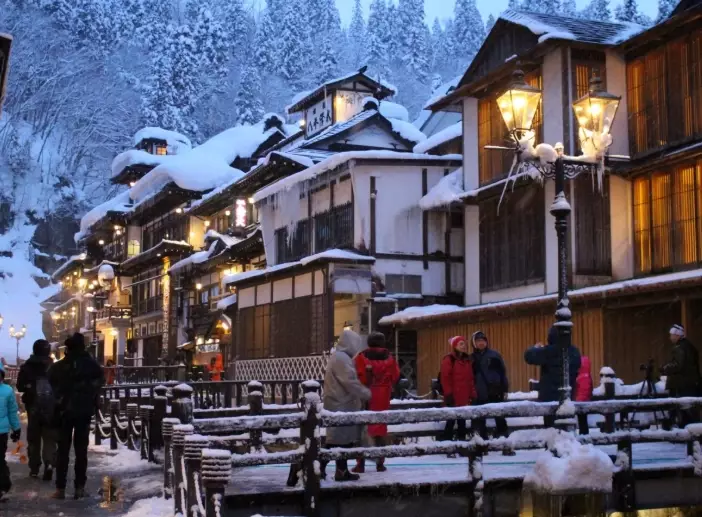
The Foliage Spectacle
The autumn colors (koyo) here are legendary, rivaling the more famous Kyoto. The season starts in the high mountains of Bandai-Asahi National Park in late September and sweeps down to the lowlands through October and into early November. The palette is insane—fiery reds, brilliant yellows, deep oranges.
Key viewing spots:
- Mt. Zao Ropeway: Take the ropeway up for a bird's-eye view of the "sea of clouds" (unkai) floating above a carpet of red and gold. It's otherworldly.
- Ginzan Onsen (Again): The historic wooden ryokans framed by steep, colorful hillsides is a scene straight from a painting. It gets busy, but for good reason.
- Ubagataki Falls: A stunning waterfall surrounded by autumn foliage. The hike in is part of the reward.
Weather and Harvest Bounty
September retains summer's warmth but with crisp air. October is perfect hiking weather—cool, sunny, and dry. November brings a chill, reminding you winter is near. It's the most stable and pleasant weather for sightseeing, in my opinion.
And then there's the food. Autumn is harvest season. The grapes are in for wine, the apples are crisp, and the mushrooms (matsutake) are prized. It's the absolute best time for foodies. A bowl of imoni (taro stew) at a riverside picnic, a local event, tastes best in the cool autumn air.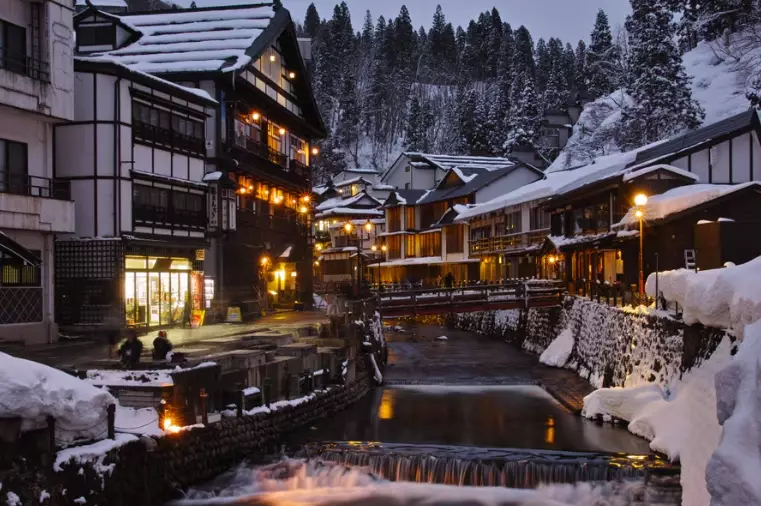
Heads Up: Autumn, especially late October to early November, is the second peak season after spring. Accommodation in prime spots like Ginzan Onsen books out months in advance, and prices are at a premium. Plan early or be flexible.
So, what is the best time to visit Yamagata for photography, hiking, and gourmet delights? For me, it's autumn, no contest. The visual feast alone is worth it.
Winter in Yamagata (December to February)
Winter transforms Yamagata into a silent, majestic wonderland. This is for a specific type of traveler—one who embraces the cold for unique rewards.
Snow, Skiing, and Onsen
Yamagata gets serious snow, especially on the Japan Sea side. This makes it a world-class ski destination.
- Zao Onsen Ski Resort: Famous for the "Snow Monsters" (juhyo)—trees completely encased in snow and ice, forming bizarre, towering shapes. Skiing or taking the ropeway through them is a surreal experience. The skiing itself is fantastic for all levels.
- Gassan Ski Resort: Want to ski in summer? Gassan opens around April as the snow melts elsewhere and runs into July! But in winter, it's a serious, deep-snow paradise for advanced skiers and boarders.
The cold is intense. Temperatures regularly drop below freezing, and heavy snowfall is common. But this is what makes the hot springs (onsen) so divine. Soaking in a steaming outdoor bath while snowflakes land on your head is pure magic. Ginzan Onsen, with its gas-lit streets under a blanket of snow, is at its most iconic in winter.
A Different Pace
Winter is quiet. Many mountain trails are closed, and some rural attractions have reduced hours. This isn't the time for a frantic sightseeing tour. It's the time for slowing down. For skiing all day, soaking in an onsen, and eating hearty local food like saké-hot pot (saké nabe) or warming imo (sweet potato) treats.
It's also the season for the Dewa Sanzan's Yamabushi (mountain ascetics) rigorous winter training. You can feel a deep, spiritual stillness in the air.
Is winter the best time to visit Yamagata? If you are a snow sports enthusiast, a photographer chasing that perfect snowy ryokan shot, or someone seeking a deeply peaceful and atmospheric retreat, then yes, it absolutely is.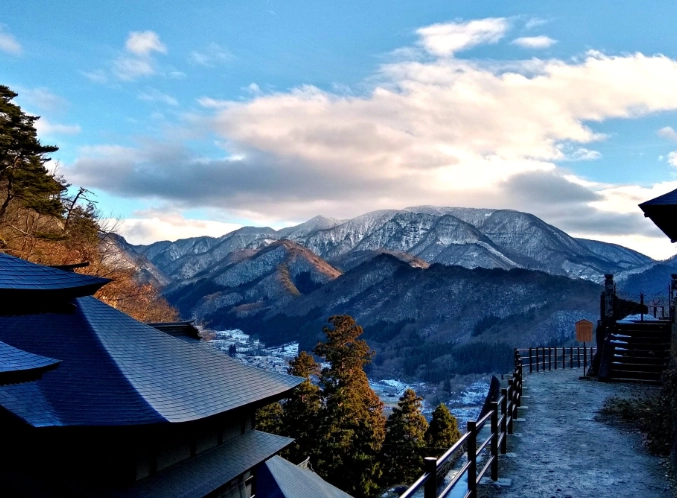
The Seasonal Breakdown: A Quick Comparison
| Season | Months | Weather & Highlights | Best For | Crowds & Cost |
|---|---|---|---|---|
| Spring | Mar-May | Cherry blossoms (mid-late Apr), mild temps, fresh greenery. | Blossom viewing, photography, castle parks. | Very High (peak bloom), High |
| Summer | Jun-Aug | Warm days, cool nights, lush green, festivals, hiking access. | Hiking (Dewa Sanzan), festivals, mountain escapes, fruit. | Medium (High during big festivals) |
| Autumn | Sep-Nov | Stunning fall foliage (Oct-Nov), crisp weather, harvest season. | Leaf viewing, hiking, food & wine, photography. | Very High (peak foliage), High |
| Winter | Dec-Feb | Heavy snow, cold, skiing/snowboarding, snowy onsen scenes. | Skiing, onsen hopping, snowy landscapes, quiet retreats. | Low-Medium (High at ski resorts on weekends) |
That table simplifies it, but your decision needs more nuance.
Beyond Seasons: Practical Tips for Your Trip
Choosing the best time to visit Yamagata is just step one. Here’s what else you need to know to make it work.
Getting There and Around
Yamagata is connected but requires planning. The Shinkansen (bullet train) from Tokyo to Yamagata City takes about 2.5 hours. It's fast and comfortable. In winter, check for weather-related delays, though they're less common than you'd think.
Once there, having a rental car is the ultimate freedom, especially for reaching remote onsen towns, temples, and trailheads. Public buses serve major attractions but can be infrequent, particularly outside peak seasons and in rural areas. I always rent a car here—it unlocks the real Yamagata.
For official transport info, always check the JR East website for train schedules and the Yamagata Kotsu bus website for local routes.
Where to Stay: Ryokan vs Hotel
To truly experience Yamagata, spend at least one night in a traditional ryokan (inn) with an onsen. Towns like Ginzan Onsen, Zao Onsen, and Atsumi Onsen are built for this. It's not cheap, but the multi-course kaiseki dinner and morning soak are worth every yen. Book these well in advance, especially for peak seasons.
Yamagata City has solid business hotels for a more budget-friendly base. They're convenient for train access and exploring the city itself.
What to Pack (The Seasonal Essentials)
- All Seasons: Comfortable walking shoes. You will walk a lot.
- Spring/Autumn: Layers! A thermal base, fleece, waterproof/windproof jacket.
- Summer: Light clothing, a sun hat, sunscreen, AND that light sweater for evenings.
- Winter: Serious gear. Thermal underwear, insulated waterproof coat, gloves, hat, scarf, waterproof boots with good grip.
Answering Your Questions: Yamagata Travel FAQ
Let's tackle some of the specific things people wonder when planning.
Is there a bad time to visit Yamagata?
Not really a "bad" time, but there are less ideal times depending on your goals. Late June during the rainy season can be damp for hiking. The first week of January (New Year's) sees many businesses closed, and travel is very busy domestically. If you want to do the full Dewa Sanzan pilgrimage, note that Mount Yudono and Mount Gassan are closed by snow from late autumn to late spring.
What is the best time to visit Yamagata for skiing?
January and February offer the most reliable snow conditions and the coldest, driest powder. The Snow Monsters at Zao are usually at their most impressive from late January through February. December can be good, but early season conditions vary.
What is the best time to visit Yamagata to avoid crowds?
The sweet spots are the shoulder seasons: late May to early June (after blossoms, before rain/heat), and late November to early December (after foliage, before heavy snow). You'll miss the major spectacles but gain peace, lower prices, and a more local feel. Summer outside of festival dates is also surprisingly quiet in the countryside.
How many days do I need in Yamagata?
A minimum of 2 full days, but 3-4 is much better. With 2 days, you could focus on Yamagata City and one major area (e.g., Zao or Ginzan). With 3-4 days, you can combine a city stay with a night in an onsen town and a day of hiking or skiing. A week lets you explore the deep north (Shonai region) and the southern wine country.
Is Yamagata worth visiting compared to other parts of Japan?
This is the big one. If you want neon lights and mega-cities, no. If you want ancient spirituality, dramatic nature, profound seasonal beauty, incredible food, and a glimpse of a Japan that moves at a slower, more thoughtful pace, then yes, it is profoundly worth it. It feels less "performed" for tourists and more authentically itself.
For detailed, reliable information on specific sites and current conditions, I always cross-reference with the Japan National Tourism Organization (JNTO) page on Yamagata and the Yamagata Prefectural Government website (use browser translation).
Final Thoughts: Listen to Your Travel Gut
Look, after all this breakdown, the answer to "What is the best time to visit Yamagata?" is still yours to make. My final, honest advice?
Chase your curiosity, not just the calendar. If you see a picture of the Snow Monsters and your heart leaps, go in winter. If the thought of hiking an ancient pilgrimage trail calls to you, aim for summer or early autumn. If you want that iconic Japanese postcard of blossoms or red leaves, plan for spring or autumn and book everything way ahead.
Yamagata doesn't have a single best time. It has multiple best times, each offering a completely different version of itself. That's its real beauty. There's no wrong choice, only different adventures waiting. So pick the season that whispers to you, pack accordingly, and go see what you find. You won't be disappointed.


Comments