Let's be honest. When most people picture Japan, they think of neon-lit Tokyo streets or the historic temples of Kyoto. But there's a whole other Japan out there—one of misty mountains, emerald valleys, and crystal-clear crater lakes. If your ideal vacation involves lacing up hiking boots more than shopping for souvenirs, this 2-week Japan itinerary for nature lovers is for you. We're skipping the well-trodden city paths and diving straight into the heart of Japan's most breathtaking landscapes, from the Northern Alps to the iconic slopes of Mount Fuji.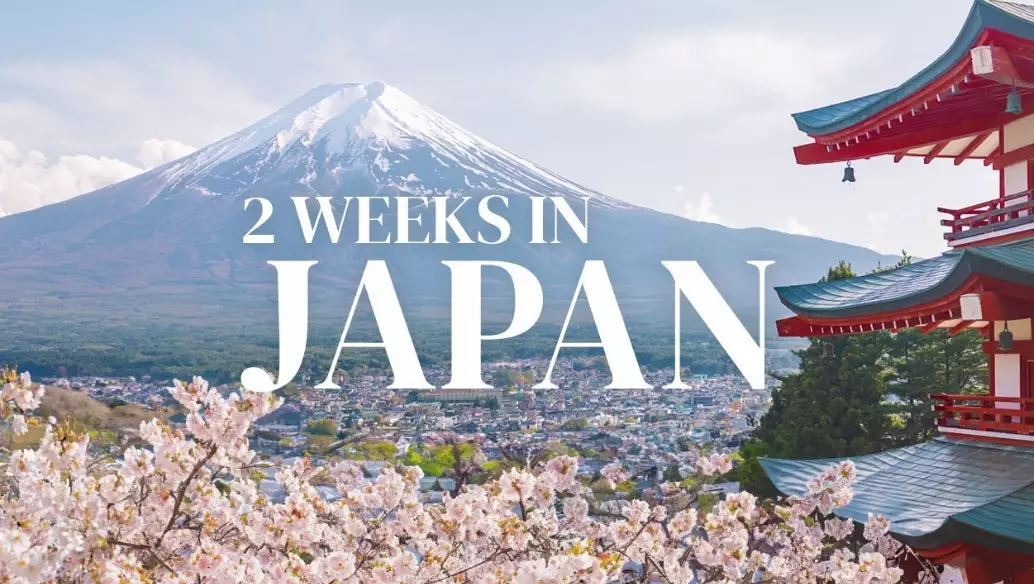
Your Journey at a Glance
I've spent years exploring these trails, and the biggest mistake first-timers make is trying to cram too many regions into two weeks. This itinerary focuses on depth over breadth, giving you time to actually breathe in the alpine air and soak in a remote onsen without feeling rushed. We'll base ourselves in key areas to minimize hotel hopping.
Week 1: The Japanese Alps & Historic Villages
Your nature immersion starts the moment you leave Tokyo. Head north by Shinkansen to Nagano Prefecture, the gateway to the Hida Mountains, or the "Japanese Alps." This week is about high-altitude vistas, preserved thatched-roof villages, and some of Japan's best hiking.
Days 1-3: Kamikochi & The Northern Alps
From Tokyo's Shinjuku Station, take the JR Azusa limited express train to Matsumoto (about 2.5 hours). Don't just pass through—spend a few hours at Matsumoto Castle, one of Japan's most beautiful original castles. Then, catch a bus to the crown jewel: Kamikochi.
Kamikochi Essentials: This highland river valley (elevation 1,500m) is only accessible by bus or taxi. It's open from mid/late April to November 15. No private vehicles allowed, preserving its pristine feel. Entry is free, but bus fare from Matsumoto is around ¥3,000 one way. Start your hike from the iconic Kappa Bridge. The flat, easy trail along the Azusa River to Myojin Pond (about 2.5 hours round trip) is perfect for acclimatizing.
Where most guides tell you to day-trip here, I recommend staying overnight. The day-trippers leave by 4 PM, and the valley transforms. That's when you'll see deer grazing peacefully and have the trails almost to yourself. The Kamikochi Imperial Hotel is historic and luxurious, but there are simpler mountain lodges like Konashidaira Campground (for tents) or Gosenjaku Hotel.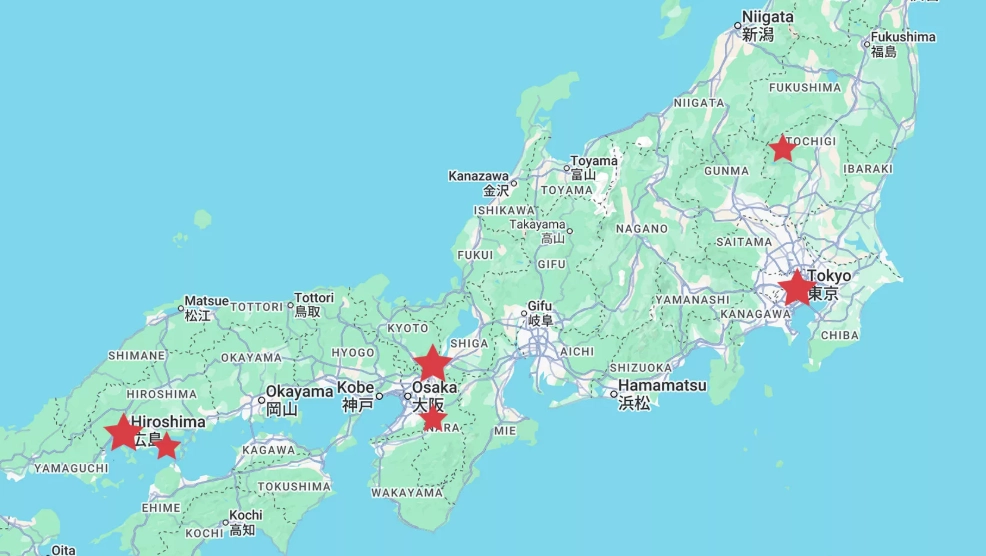
Days 4-5: Tateyama Kurobe Alpine Route & Shirakawa-go
This is an epic, one-way traverse over the mountains to Toyama Prefecture. The Tateyama Kurobe Alpine Route isn't a hike but a spectacular series of different transports—cable cars, trolley buses, and a ropeway—that take you past the towering Snow Walls (best in April-May), the stunning Mikurigaike Pond, and Japan's highest altitude station. It's a full-day journey. Book your segment tickets in advance during peak seasons.
Exit at the Toyama side and head south to the UNESCO World Heritage Site of Shirakawa-go. These gassho-zukuri farmhouses with steep thatched roofs look like they're from a fairy tale. Again, stay overnight. The daytime crowds are intense, but spending the night in a farmhouse-turned-minshuku (like Shirakawa-go no Yu) lets you experience the village's serene magic at dawn and dusk. It's worth the splurge.
Days 6-7: Takayama & Hirayu Onsen
A short bus ride takes you to Takayama, a charming city with a beautifully preserved old town. Use it as a base to explore the surrounding Hida countryside. Rent a bike or take a local bus to the Hida Folk Village, an open-air museum of traditional houses.
Soak your tired muscles at a public onsen in Hirayu like Hirayu no Mori before heading back to Takayama. For dinner, you have to try Hida beef—it rivals Kobe beef but is often cheaper here at the source. Try Center4 Hamburgers for an incredible (and surprisingly affordable) Hida beef burger.
Week 2: Mount Fuji Lakes & Nikko's Waterfalls
From Takayama, take the scenic JR Hida limited express train back to Nagoya (about 2.5 hours), then transfer to the Shinkansen bound for Mishima Station. This brings you to the Fuji Five Lakes region.
Days 8-10: Fuji Five Lakes (Fujigoko)
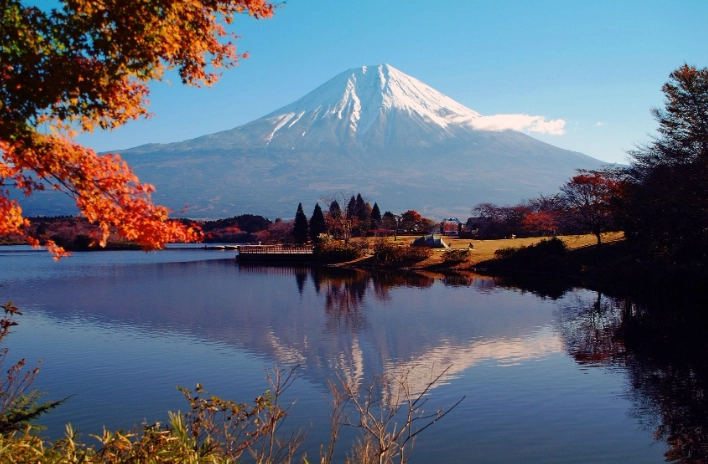
Your view of Fuji-san is weather-dependent, but the lakes themselves are gorgeous. Base yourself in Kawaguchiko, the most accessible lake.
- Lake Kawaguchiko: Rent a bicycle and ride the perimeter trail. For the classic postcard view, head to the Chureito Pagoda (a 400-step climb, but worth it).
- Lake Saiko: Less developed. Visit the Saiko Bat Cave and the Lake Saiko Healing Village (Iyashi no Sato), a rebuilt traditional village with craft workshops.
- Oshino Hakkai: Eight pristine ponds fed by Fuji's spring water. It can be touristy, but the water clarity is mesmerizing.
Accommodation Pick: Stay at a ryokan with a Fuji view. Konansou is famous for its multi-story outdoor onsen baths overlooking the mountain. Book months ahead.
Days 11-13: Nikko National Park
Take a bus to Shin-Fuji Station, then the Shinkansen to Utsunomiya, and transfer to a local train to Nikko. Nikko is two parts: the extravagant Toshogu Shrine (worth half a day) and the vast, wild Nikko National Park beyond.
Spend at least two full days exploring the park. Use the local bus system.
- Kegon Falls: One of Japan's three finest waterfalls, plummeting 97m next to Lake Chuzenji. Take the elevator down to the observation platform (¥570).
- Lake Chuzenji: A scenic lake formed by a volcanic eruption. Walk the trails on the less-crowded southern shore.
- Senjogahara Marshland: A beautiful highland marsh with a flat, easy boardwalk trail (about 2 hours one way). Fantastic for birdwatching and autumn colors.
- Yumoto Onsen: At the far end of the park, this remote hot spring village is the trailhead for hikes to Mount Nikko-Shirane and the stunning, acidic Yudaki Falls.
Stay in a traditional guesthouse in Chuzenji Onsen or Yumoto Onsen to maximize your time in nature. Turtle Inn Nikko near Lake Chuzenji is a cozy, foreigner-friendly spot with great hospitality.
Day 14: Return to Tokyo
The JR Nikko Line connects you back to Utsunomiya and the Shinkansen to Tokyo. Give yourself a full travel day (about 2.5-3 hours total) to get back to the city for your flight out.
Where to Stay: Nature-Focused Accommodation
Forget big city hotels. This trip is about ryokans, mountain lodges, and onsen inns.
| Area | Accommodation Type & Example | Approx. Price/Night (per person) | Why It's Great for Nature Lovers |
|---|---|---|---|
| Kamikochi | Mountain Lodge Gosenjaku Hotel |
¥15,000 - ¥25,000 (with meals) |
Direct trail access, evening serenity after day-trippers leave, classic alpine atmosphere. |
| Shirakawa-go | Gassho-zukuri Farmhouse Shirakawa-go no Yu |
¥10,000 - ¥15,000 (with dinner/breakfast) |
Authentic UNESCO heritage living, magical morning/evening views of the village, home-cooked local food. |
| Kawaguchiko | Onsen Ryokan with Fuji View Konansou |
¥20,000 - ¥40,000+ (with kaiseki meals) |
Unbeatable Mount Fuji views from private or public baths, luxurious relaxation after hiking. |
| Nikko (Chuzenji) | Lakeside Guesthouse Turtle Inn Nikko |
¥8,000 - ¥12,000 (breakfast optional) |
Friendly, knowledgeable owners who give great hiking advice, cozy log cabin feel, close to trailheads. |
Planning & Logistics: Getting Around
The Japan Rail Pass can be worthwhile for this itinerary, but you must calculate carefully. It covers the Shinkansen from Tokyo to Matsumoto, Nagoya to Mishima, and Utsunomiya to Tokyo. However, it does NOT cover most buses crucial to this trip: buses to Kamikochi, the Alpine Route (only a discount), buses around Fuji Five Lakes, or buses in Nikko National Park. For a mixed itinerary like this, a 7-day JR Pass activated when you leave Tokyo might be the most economical, paying for other transport separately. Always check official sources like JapanRailPass.net for the latest info.
Buy a rechargeable IC card (Suica or Pasmo) in Tokyo. You can use it on almost all local trains and buses nationwide, which is incredibly convenient for shorter hops and bus fares in Nikko/Fuji.
Pack for layers. Mountain weather changes fast. Even in summer, Kamikochi and Nikko can be chilly. Good waterproof hiking shoes, a rain jacket, and a daypack are essential.
Your Japan Nature Trip Questions Answered
 I'm not an expert hiker. Is this itinerary too difficult?

Comments