Let's get this out of the way first. If you're coming to Japan and think Tokyo is the ultimate food city, you're in for a shock. Tokyo has incredible sushi, refined kaiseki, and global cuisine. But Osaka? Osaka has soul. It's the kitchen of Japan, where food is hearty, affordable, and meant to be enjoyed with zero pretension. Forget tiny, artistic portions. Here, it's all about bold flavors, sizzling griddles, and the joyful chaos of street food stalls. This guide cuts through the tourist traps and shows you what to eat, where to find it, and how to eat like a local.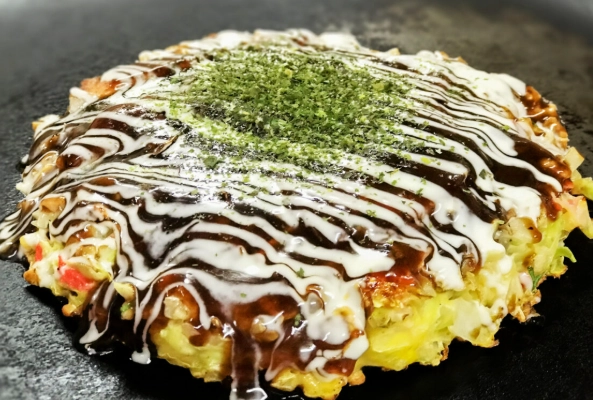
Your Quick Bite-Sized Guide
What Makes Osaka Food Special?
It's not just the dishes. It's the attitude. The phrase you'll hear is "kuidaore" – literally "eat until you drop." It's a point of civic pride. While Kyoto cuisine is about seasonal subtlety, Osaka food is about immediate, visceral satisfaction. You see it in the theatrical cooking of okonomiyaki, hear it in the sizzle of takoyaki balls turning, and taste it in the rich, sweet-savory sauces that define so many dishes.
Osaka's history as a merchant city created this culture. Merchants valued practicality and good value. Food became a social currency, a way to build relationships. That's why you'll find so many "kushi" (skewer) foods and "sharing plate" styles. It's food designed for conversation and laughter, not silent contemplation.
A quick note on "Osaka food" vs. "Kansai food": You'll see these terms used interchangeably. Technically, Osaka is part of the Kansai region, which includes Kyoto and Kobe. Many dishes, like okonomiyaki or takoyaki, are Kansai-wide but found their ultimate, most iconic expression in Osaka's street food culture. When people say "Osaka food," they're usually talking about this specific, vibrant, street-level cuisine.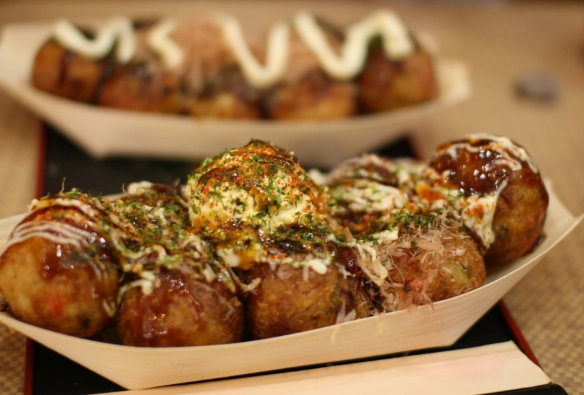
Top Must-Try Osaka Dishes and Where to Find Them
You could spend a month eating here and not try everything. Focus on these pillars first. I'm giving you specific spots—not just the famous ones, but places where the quality consistently wins over both tourists and locals.
Takoyaki: The Iconic Street Food
Doughy balls of batter stuffed with a piece of tender octopus (tako), cooked in special hemispherical pans until golden. They're topped with takoyaki sauce (like a thicker Worcestershire), Japanese mayo, bonito flakes, and aonori seaweed. The magic is the texture: crispy outside, molten and creamy inside. A common tourist mistake? Eating them too hot and burning your mouth. Let them cool for a minute.
Where to Go: Aizuya (本家 大たこ)
Location: Multiple, but the main shop is in Shinsekai: 1-6-12 Ebisuhigashi, Naniwa-ku.
The Deal: Often credited as the inventor of modern takoyaki in the 1930s. Their style is classic and less doughy than some modern versions, with a generous piece of octopus. The Shinsekai location is an experience, right in the heart of old Osaka.
Price: Around ¥500-¥600 for 8 pieces.
Hours: Typically 10:00 AM - 9:00 PM.
For a more local, less crowded experience, skip the Dotonbori main street stalls. Walk the back alleys of Namba or head to a neighborhood like Tenjinbashisuji. Look for a stall with a steady line of locals, not just tourists.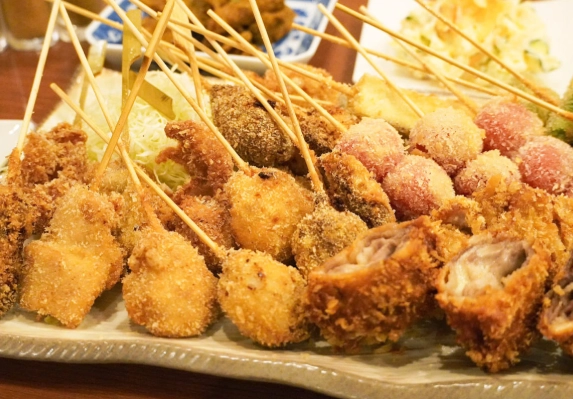
Okonomiyaki: Osaka's Savory Pancake
Your personal kitchen-on-a-griddle. "Okonomi" means "what you like," and "yaki" means grilled. You choose your ingredients—typically cabbage, pork, shrimp, squid, cheese, mochi—and a cook (or you yourself) mixes them into a batter and grills it into a thick pancake. It's slathered with the same rich sauce, mayo, and toppings as takoyaki. The theatrical part is the spatula-flipping.
Where to Go: Mizuno (美津の)
Location: 1-4-15 Dotonbori, Chuo-ku. Right in the thick of Dotonbori.
The Deal: Yes, it's famous and there's always a line. But there's a reason. The quality is exceptional and consistent. They're masters of the craft. Their signature "Yamaimo-yaki" (with mountain yam for extra fluffiness) is legendary. Go at an off-peak time (like 3 PM) to avoid the worst of the wait.
Price: ¥1,500 - ¥2,500 per okonomiyaki.
Hours: 11:00 AM - 10:00 PM (last order 9:30 PM). Closed some Tuesdays.
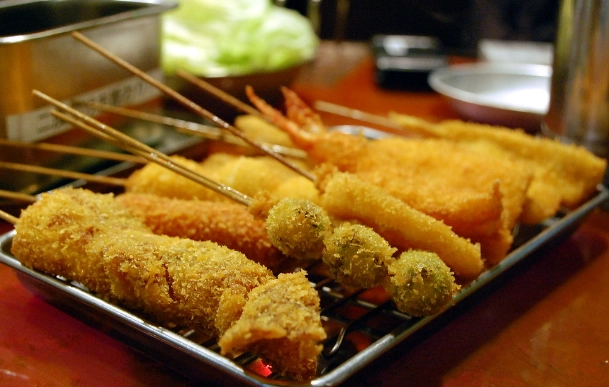
Kushikatsu: Deep-Fried Skewers
Various ingredients—pork, beef, shrimp, cheese, pumpkin, even quail eggs—breaded and deep-fried to perfect crispness on a skewer. The cardinal rule: DO NOT DOUBLE-DIP the shared tonkatsu sauce pot. You take a bite, dip once, and that's it. Dipping again is a major faux pas (hygiene!). Most places offer a tangy cabbage salad to cut the richness.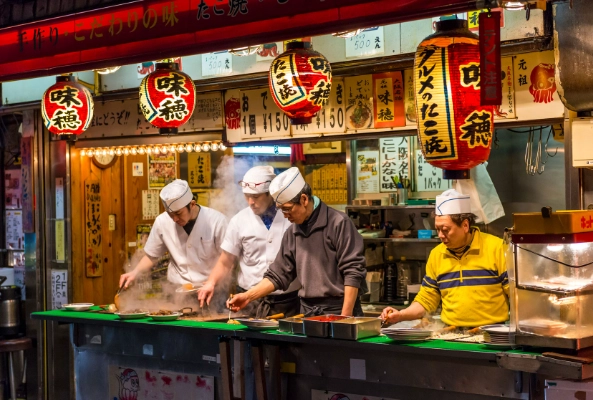
The best area for kushikatsu is Shinsekai, the nostalgic, slightly retro district centered around Tsutenkaku Tower. The streets are lined with kushikatsu joints.
Where to Go: Daruma (だるま)
Location: Several in Shinsekai. The flagship is at 3-4-13 Ebisuhigashi, Naniwa-ku.
The Deal: An institution. No-frills, bustling, and delicious. They've been doing this since 1929. You point at what you want from the display, and they fry it fresh. The atmosphere is pure, old-school Osaka. The sauce is a secret family recipe.
Price: Skewers range from ¥150 to ¥400. A satisfying meal costs about ¥2,000-¥3,000.
Hours: 10:30 AM - 10:30 PM.
Other Essentials
Kitsune Udon: Thick, chewy udon noodles in a light dashi broth, topped with a large slice of sweet, deep-fried tofu (aburaage). It's simple, cheap, and incredibly comforting. Try it at any standing udon shop (udon-ya).
Ikayaki: A whole grilled squid, basted with soy-based sauce. It's chewy, sweet, and salty. Perfect street food.
Butaman: Steamed pork buns. Osaka's version is often a bit sweeter and saucier than others.
Navigating Osaka's Food Neighborhoods
Don't just stay in Dotonbori. Each area has its own flavor.
Dotonbori/Namba: The neon heart of Osaka gluttony. It's overwhelming, packed, and touristy, but you have to experience it. This is where you see the giant mechanical crab and running Glico Man. Focus on the side streets (yokocho) like Hozenji Yokocho for more atmospheric, smaller restaurants.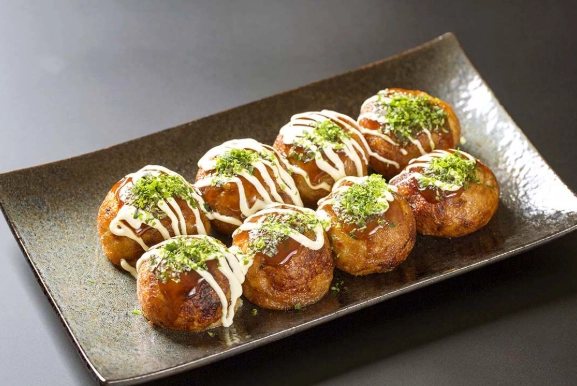
Shinsekai: As mentioned, this is kushikatsu ground zero. It has a Showa-era (mid-20th century) vibe that feels frozen in time. Also home to fugu (pufferfish) restaurants. It's safe but has a grittier, more local charm.
Kuromon Ichiba Market: Called "Osaka's Kitchen." It's a covered market street with vendors selling fresh seafood, produce, and ready-to-eat food. Go early for the best selection. You can get incredibly fresh oysters, uni (sea urchin), and sashimi bowls here. It's a bit more expensive than regular street food but great for high-quality seafood snacks.
Tenma: A local's district. Fewer tourists, lower prices, and an authentic vibe. The long Tenjinbashisuji Shopping Street is perfect for grazing. You'll find fantastic, unpretentious family-run shops serving all the Osaka classics.
Unwritten Rules & Expert Tips for Eating in Osaka
After a decade of eating here, here's what most guides won't tell you.
1. The "Osaka Oshibori" Test: When you sit down at a casual restaurant, you'll often get a hot towel (oshibori). In many places in Japan, you just get one. In Osaka, especially at okonomiyaki or kushikatsu places, it's common for the staff to be incredibly proactive about replacing your greasy towel with a fresh one without you asking. It's a small sign of great, attentive service.
2. Order Drinks First: At izakayas and many sit-down restaurants, you'll be asked for your drink order the moment you sit. It's okay to say you need a minute, but having a drink (even just water or tea) ordered smooths the process. Food orders usually follow.
3. Cash is King (Still): While credit cards are more common now, a huge number of street food stalls, market vendors, and old-school restaurants are cash-only. Always have at least ¥5,000-¥10,000 in yen on you.
4. Don't Fear the Queue, But Read It: A long line is usually a good sign. But look at who is in line. Is it a mix of tourists and Japanese office workers or families? That's golden. Is it only tourists with guidebooks? Might still be good, but could be a hype spot. A line of only older locals? You've found a treasure.
Your Osaka Food FAQs Answered
Osaka's food scene isn't about checking dishes off a list. It's about diving into the energy. Let the smell of grilling sauce guide you, don't be afraid to point at something you don't recognize, and embrace the messy, joyful spirit of kuidaore. Your stomach will thank you, even if your pants feel a bit tighter.
Comments