Explore the Islands
So you're asking, "What are the 4 states of Japan?" It's a question that pops up a lot, and honestly, it's a bit of a trick one. You see, Japan isn't divided into states like the USA or Australia. The term "states" here is a common mix-up. When people search for this, what they're almost always really looking for are Japan's four main islands. That's the core answer. The four massive pieces of land that make up the vast majority of what we know as Japan.
It's an easy mistake to make. You hear about Hokkaido or Kyushu, and your brain might file them under "state" because they feel like distinct, massive regions with their own identity. And in many ways, they are. Calling them islands doesn't quite capture their scale and cultural significance. Honshu, the biggest one, is larger than many European countries. So, while the official answer is "four main islands," understanding them as the foundational "states" of Japan's geography and culture isn't far off the mark. It's just not the technical term.
Why does this matter? Well, if you're planning a trip, studying the culture, or just trying to get a grip on Japanese news, knowing these four giants is essential. The food in Hokkaido is wildly different from Okinawa's (which, by the way, is part of the Ryukyu Islands chain, not one of the big four). The climate in snowy Hokkaido has nothing in common with the subtropical beaches of southern Kyushu. They're different worlds on the same map.
Let's break them down, one by one. We'll go beyond just naming them. We'll look at what makes each one tick, why you might want to go there, and some stuff the guidebooks sometimes gloss over.
Hokkaido: The Wild Northern Frontier
Think of Hokkaido as Japan's Alaska. It's the second largest of the four main islands of Japan, but it feels the most spacious. That's because it has the lowest population density. You get vast farmlands, wild national parks, and mountains that look like they belong in Switzerland. The capital is Sapporo, famous for its beer, snow festival, and that miso ramen with a pat of butter on top – it's better than it sounds, trust me.
The vibe here is relaxed. It's a place for outdoor people. In winter, it's a powder snow paradise for skiers and snowboarders. Niseko is the famous international spot, but there are dozens of other resorts. In summer, the fields of lavender in Furano and Biei are iconic, and the hiking in Daisetsuzan National Park is breathtaking. Literally. The air is crisp.
But it's not all perfect. The winters are long and brutally cold. If you're not a fan of snow from November to April, maybe visit in July or August. Also, some smaller towns can feel a bit sleepy outside of the peak tourist seasons. The food, though, is a huge draw. Fresh seafood, amazing dairy products (the milk, the cheese, the ice cream!), and Genghis Khan (ジンギスカン) – a delicious mutton barbecue that is a must-try.
When considering "what are the 4 states of Japan", Hokkaido stands out as the distinct northern entity, often feeling separate from the hustle of mainland Honshu.
Key Areas & What to Do There
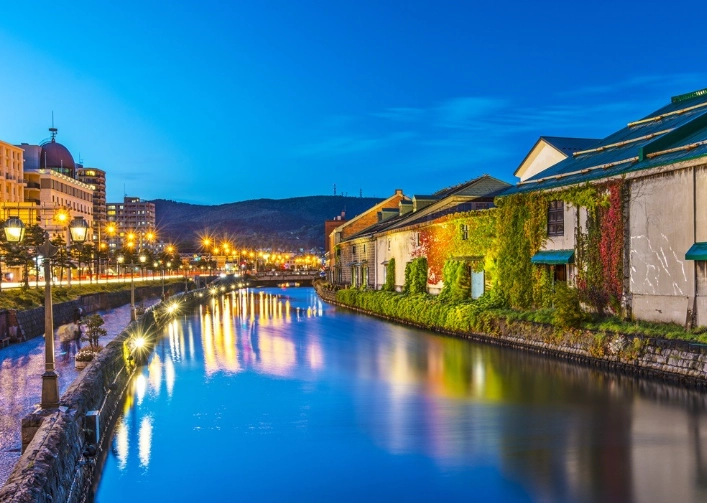
Sapporo & Otaru: City life, history, and fantastic seafood markets. Otaru's canal area is picturesque. Furano & Biei: The postcard-perfect rural heartland in summer. Rolling hills, flower fields, and quiet roads. Niseko & Rusutsu: World-class skiing and resort life in winter. Eastern Hokkaido (Kushiro, Shiretoko): True wilderness. Drift ice in winter, brown bears, and some of Japan's most untouched landscapes. The Shiretoko Peninsula is a UNESCO World Heritage site for a reason.
Honshu: The Beating Heart of Japan
This is the big one. Honshu is the largest of the four main islands of Japan, and it's where most people live, work, and play. It's home to Tokyo, Kyoto, Osaka, Hiroshima, and pretty much every other major city you can name (except Sapporo). If you've seen a picture of Japan, it was probably taken on Honshu – be it the neon chaos of Shinjuku, the serene torii gates of Miyajima, or the ancient temples of Nara.
It's impossible to summarize Honshu quickly. It's divided into five major regions, each with a fierce local pride: Tohoku (north), Kanto (east, home to Tokyo), Chubu (central, with the Japanese Alps), Kansai (west, with Kyoto/Osaka), and Chugoku (southwest, leading to Hiroshima). The climate and culture shift dramatically as you move from north to south.
The transportation is unbeatable. The Shinkansen (bullet train) network is centered here, making travel between cities incredibly fast and efficient. You can have sushi for lunch in Tokyo and okonomiyaki for dinner in Osaka. It's that connected.
The downside? It can be overwhelming. The cities are massive and crowded. The famous spots in Kyoto are often packed with tourists. It feels like the "mainland" in every sense – the economic, political, and cultural engine of the country. When people imagine Japan, 80% of the time they're imagining a slice of Honshu.
To truly understand the answer to "What are the 4 states of Japan?", you have to accept that Honshu is the giant that dominates the conversation. It's not just one of the four; it's the central pillar.
A Snapshot of Honshu's Regions
Kanto (Tokyo, Yokohama): Modernity, pop culture, business. Fast-paced and endless. Kansai (Kyoto, Osaka, Nara, Kobe): History, tradition, food, and merchant culture. More direct and humorous people, they say. The food is arguably Japan's best. Chubu (Japanese Alps, Kanazawa, Takayama): Mountains, traditional crafts, and preserved old towns. A slower, more scenic pace. Tohoku (Sendai, Aomori): Rugged coastline, great skiing, hot springs, and a reputation for resilience. Less visited by international tourists. Chugoku (Hiroshima, Okayama): History (both tragic and beautiful), the iconic Itsukushima Shrine, and relaxed inland sea vibes.
Shikoku: The Spiritual & Scenic Getaway
Ah, Shikoku. The smallest of the four main islands. It's often overlooked, which is a shame because it's a gem. It's connected to Honshu by a series of massive bridges (the Seto-Ohashi bridges), but it retains a distinct, slower-paced identity. Shikoku is most famous for the 88 Temple Pilgrimage, a 1,200-kilometer walking route that circles the island. Even if you're not doing the full pilgrimage, visiting a few of these temples gives you a feel for the deep spirituality of the place.
The landscape is mountainous and rugged in the interior, with beautiful coastlines. The weather in the southern part (Kochi prefecture) is subtropical, warm, and rainy. Kochi is also known for its bold food culture – they love fresh seafood (katsuo tataki) and drinking. I mean, really love it. The local sake is excellent.
Getting around can be a challenge. The train network isn't as dense as Honshu's, and the mountainous terrain means lots of tunnels and winding roads. Renting a car is highly recommended here too. The upside of being less developed for tourism is that you often feel like you have places to yourself. You won't find huge international hotel chains on every corner.
When listing out "what are the 4 states of Japan", Shikoku is the one that offers a deep dive into rural tradition and spiritual practice, far from the glitz of Tokyo.
Shikoku's Four Prefectures at a Glance
Kagawa: The "udon prefecture." Seriously, they are obsessed with their Sanuki udon noodles. It's also the gateway from Honshu via the Great Seto Bridge. Tokushima: Home to the wild Awa Odori dance festival and the stunning Iya Valley. A nature lover's paradise. Kochi: Warm, vibrant, and proud. Famous for Katsuo no Tataki (seared bonito), the last samurai stronghold at Kochi Castle, and a generally lively atmosphere. Ehime: Known for its beautiful Dogo Onsen (one of Japan's oldest hot springs), mikan (mandarin oranges), and the historic Imabari Castle.
Kyushu: Fire, Food, and History
The third largest of the four main islands, Kyushu is the southern gateway. It's geologically active (lots of volcanoes and hot springs), historically significant (it was the main point of contact with Korea and China for centuries), and culinarily exceptional. The people are known for being warm and friendly.
Fukuoka, the largest city, is a dynamic food hub. The yatai (open-air food stalls) serving ramen and grilled skewers along the river are legendary. Nagasaki has a profoundly unique history as a port city, with a blend of Japanese, Chinese, and European influences visible in its architecture and food. Kumamoto is famous for its castle and the mischievous Kumamon bear mascot. And then there's the volcanic wonderland of Kagoshima, dominated by the ever-smoking Sakurajima volcano.
Kyushu is also a hot spring paradise. Beppu in Oita prefecture is a surreal landscape of steaming "hells" (jigoku) and countless bathhouses. You can even take a sand bath where you're buried in naturally heated sand – it's weird but wonderful.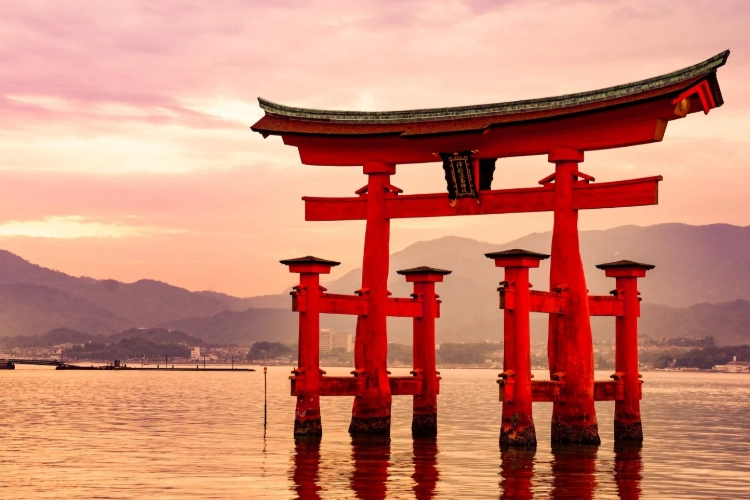
The climate is generally mild, even subtropical in the south. It can get very hot and humid in summer, and the rainy season (June-July) is pronounced. The southern islands, like Yakushima (a UNESCO site with ancient cedar forests), are often grouped with Kyushu culturally and administratively, though they are separate landmasses.
So, when exploring the question of "what are the 4 states of Japan", Kyushu brings the heat – literally and figuratively – with its volcanoes, passionate culture, and deep historical roots.
Kyushu's Must-Experience Highlights
Fukuoka's Food Scene: Tonkotsu ramen, yatai culture, and fresh seafood. Nagasaki's History: The Peace Park, Glover Garden, and the unique Champon noodles. Beppu's Hot Springs: The "Eight Hells" and every imaginable type of onsen bath. Volcanic Landscapes: Sakurajima in Kagoshima, Mount Aso in Kumamoto (one of the world's largest calderas). Castles: Kumamoto Castle and the well-preserved Matsumoto Castle (wait, that's in Honshu... see how easy it is to get them mixed up?).
Side-by-Side: Comparing the Four Main Islands
It's helpful to see them all together. This table lays out the core differences between these four foundational pieces of Japan. Think of it as a cheat sheet.
| Island ("State") | Key Vibe & Role | Major Cities | Signature Experience | Best For... |
|---|---|---|---|---|
| Hokkaido | Wild, spacious, frontier. Japan's great outdoors. | Sapporo, Asahikawa, Hakodate | Skiing pristine powder in winter; exploring lavender fields in summer. | Nature lovers, foodies (seafood/dairy), winter sports enthusiasts. |
| Honshu | The core. Economic/cultural heart, densely populated, diverse. | Tokyo, Kyoto, Osaka, Hiroshima, Nagoya | Riding the Shinkansen from ancient temples to neon skyscrapers in a day. | First-time visitors, city explorers, history buffs, everyone. |
| Shikoku | Rural, spiritual, traditional. A step back in time. | Matsuyama, Takamatsu, Kochi, Tokushima | Walking part of the 88 Temple Pilgrimage or crossing the vine bridges of Iya Valley. | Spiritual seekers, hikers, those wanting an off-the-beaten-path experience. |
| Kyushu | Volcanic, historic, culinary. Warm and welcoming. | Fukuoka, Nagasaki, Kumamoto, Kagoshima | Soaking in a Beppu hot spring and eating ramen at a Fukuoka yatai. | Hot spring fans, food lovers, history enthusiasts interested in trade/port culture. |
See? They're like four different countries in one. That's why the question "What are the 4 states of Japan?" is so persistent. They feel like states or nations within a nation.
Common Questions About Japan's Four Main Islands
Let's tackle some of the other things people wonder after they ask "what are the 4 states of Japan".
No, it is not. This is a very common point of confusion. Okinawa is part of Japan, but it belongs to the Ryukyu Islands chain, which stretches southwest of Kyushu. It's culturally and geographically distinct. The four main islands are Hokkaido, Honshu, Shikoku, and Kyushu. Okinawa is incredibly important and unique, but it's not counted among those "big four."
Fantastic question. The connectivity varies.
Honshu to Hokkaido: The Seikan Tunnel, the world's longest undersea rail tunnel, connects them. You can take a train (like the Hokuto/Super Hokuto limited express) or the Shinkansen (though it currently goes to Hakodate, with extension to Sapporo underway). Ferries also run.
Honshu to Shikoku: Connected by three major bridge systems (Seto-Ohashi, Akashi-Kaikyo, and others). You can drive, take a bus, or a train across. It's very convenient.
Honshu to Kyushu: Connected via tunnels and bridges under the Kanmon Strait. The Shinkansen zooms from Osaka/Hiroshima to Fukuoka (Hakata Station) seamlessly.
Flying is always an option between major cities on different islands and is often cheap with domestic carriers like ANA or JAL (via their discount passes), Peach, or Jetstar. For official travel planning resources, the Japan National Tourism Organization (JNTO) website is an invaluable, authoritative source.
For a first-timer with limited time, Honshu is the obvious choice. It has the highest concentration of iconic sights: Tokyo, Kyoto, Osaka, Hiroshima. You can get a fantastic, well-rounded introduction to both modern and traditional Japan. If you have more time or specific interests (skiing, deep nature, pilgrimage), then branching out to the other islands makes perfect sense. A classic two-week trip might combine Tokyo and Kyoto (Honshu) with a few days in Kyoto (Honshu... wait, already said that) or maybe add on Fukuoka (Kyushu) or Sapporo (Hokkaido).
Because Japan's administrative system is different. The primary subdivisions are 47 prefectures (like Tokyo-to, Osaka-fu, Hokkaido, Kyoto-fu, etc.). Hokkaido is both an island and a single prefecture. Honshu contains 34 prefectures. Shikoku has 4, and Kyushu has 7 (not counting Okinawa). The concept of a sovereign "state" with its own government doesn't apply. The term "island" (shima or tou) is the correct geographical term. However, in everyday conversation, people strongly identify with their home island as a region.
Putting It All Together: Beyond Just the List
So, we've answered it. "What are the 4 states of Japan?" They are Hokkaido, Honshu, Shikoku, and Kyushu – the four main islands. But I hope you see now that just listing the names is barely scratching the surface. Understanding these four landmasses is the key to understanding Japan's incredible diversity.
Each one offers a completely different lens through which to see the country. Hokkaido's wide-open spaces versus Tokyo's dense verticality. The solemn quiet of a Shikoku temple versus the lively chaos of a Kyushu festival. They're all Japan, but they express it in wildly different ways.
If you're planning a trip, use this framework. Don't just think "Japan." Think, "Do I want the alpine culture of Honshu's Japanese Alps, the beach and citrus vibe of southern Kyushu, or the remote spirituality of Shikoku?" It makes planning so much more intentional and rewarding. For the most accurate and detailed information on specific locations, always cross-reference with official sources like the JNTO's main site or the tourism pages of prefectural governments (e.g., Visit Hokkaido, Welcome Kyushu).
The next time you hear someone ask about the states of Japan, you can gently correct them – it's the main islands – and then wow them with everything that makes each one special. That's the real answer they're looking for.
Comments