My first trip to Japan, I did what everyone does. I rushed from Tokyo's Skytree to Kyoto's Kinkaku-ji, feeling like I was on a conveyor belt of must-see spots. It was incredible, sure, but exhausting. It wasn't until later trips, getting lost in a local market in Osaka or finding a silent shrine path in Kyoto at dawn, that I understood. The best Japan places to visit aren't just a checklist from a guidebook. They're the moments where the culture, the history, and the sheer vibe of the place hit you. This guide is about getting you to those moments, with all the practical details you need to make it happen.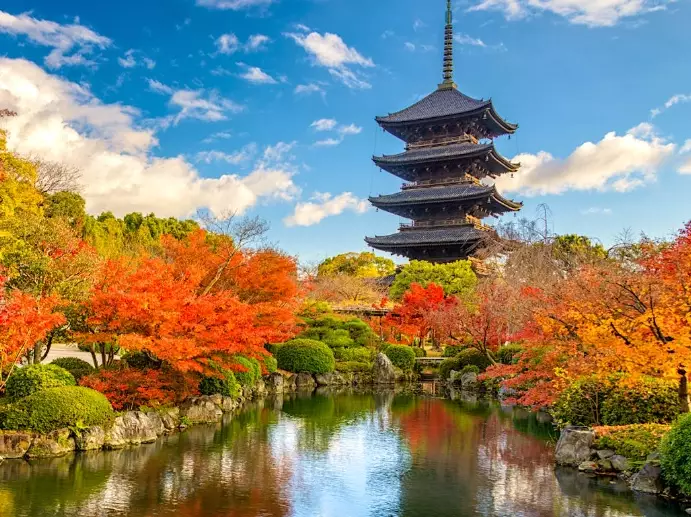
Your Quick Jump to Japan's Highlights
What Makes a Place "Must-Visit" in Japan?
Forget just "famous." A top Japan tourist attraction delivers on one of three things: profound cultural immersion (a centuries-old temple ceremony), iconic modern experience (that Shibuya crossing), or breathtaking natural beauty (Hokkaido's lavender fields). The real trick is visiting them right. Going to Fushimi Inari at noon is a struggle through crowds. Going at 7 AM is a spiritual walk through orange gates. That's the difference this guide focuses on.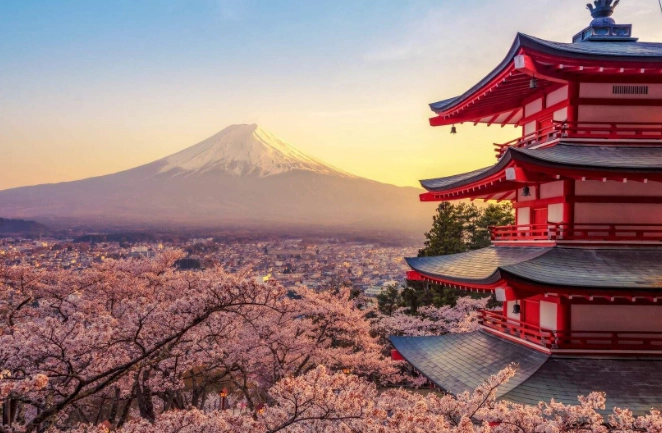
Tokyo: The Neon Heartbeat
Tokyo isn't one city; it's a cluster of wildly different neighborhoods. Trying to "do Tokyo" in two days is the biggest mistake first-timers make. Pick two or three areas that match your style.
Senso-ji Temple, Asakusa
Yes, it's touristy. The Nakamise shopping street leading to it is packed with souvenir stalls selling similar items. But walk through the Kaminarimon gate, feel the vastness of the plaza, and watch the smoke from the incense cauldron (it's for purification) wash over visitors, and you'll get it. This is living, breathing history.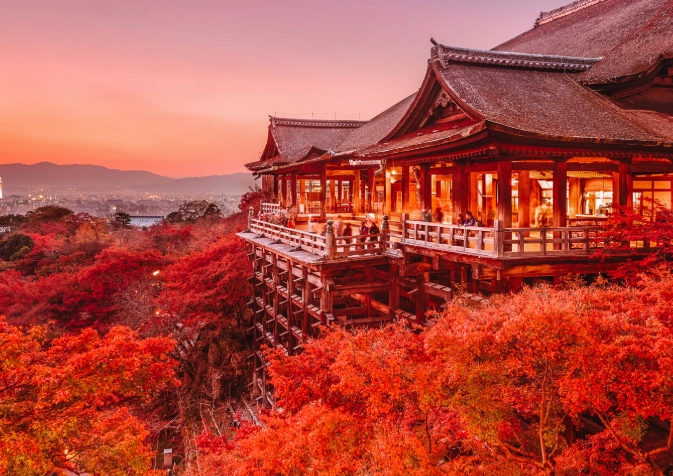
Shibuya Crossing
You've seen the videos. Being in the middle of that human river when the lights change is a pure adrenaline rush of modern life. It's not a long activity, but it's a quintessential Tokyo moment. For the best view, grab a window seat at the Starbucks in the Tsutaya building (it's always busy) or book a table at the Magnet by Shibuya 109 rooftop observation deck.
Kyoto: Where Time Slows Down
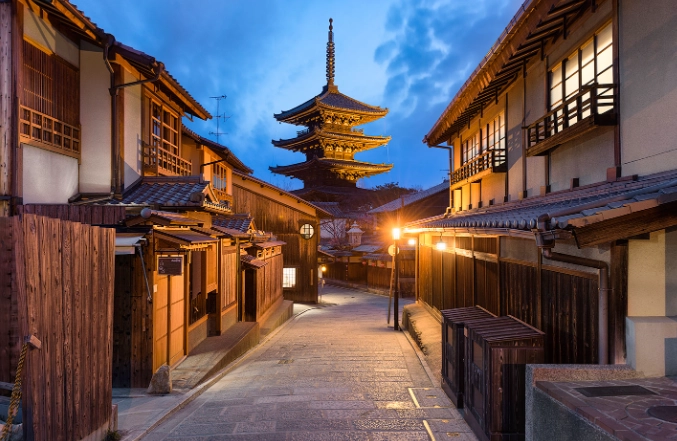
Kyoto is about patience. The beauty is in the details: the moss in a stone garden, the rustle of a geisha's kimono in Gion's twilight.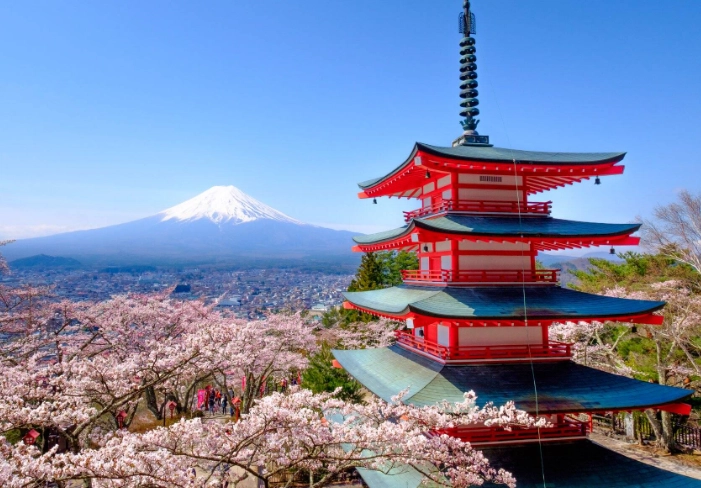
Fushimi Inari Taisha
Those thousands of vermilion torii gates are even more stunning in person. The main path at the base is a bottleneck. My non-consensus advice? Commit to the hike. Most people turn back after the first dense section. If you walk for 30-45 minutes up the mountain trail, the crowds thin dramatically, the gates become more sporadic, and you'll find smaller, peaceful shrines and viewing spots. You get the iconic photos and a genuine retreat.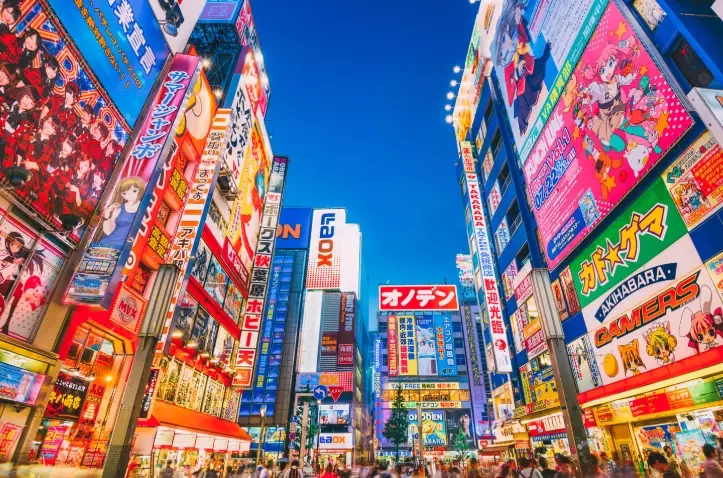
Osaka: Kitchen of Japan
If Tokyo is for seeing and Kyoto is for feeling, Osaka is for eating. The energy here is direct, friendly, and unpretentious.
Dotonbori
This is sensory overload in the best way. Giant mechanical crab signs, neon lights reflecting on the canal, and the smell of takoyaki (octopus balls) and okonomiyaki (savory pancake) everywhere. It's chaotic, loud, and incredibly fun. Don't just walk through—eat. Queue up at a popular stall like Kukuru for takoyaki or Ichiran for a solo ramen experience (yes, it's a chain, but the experience is uniquely Japanese).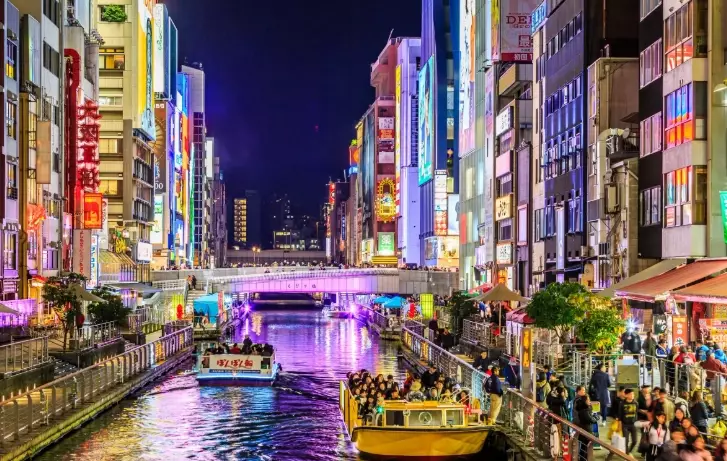
Beyond the Golden Route: North & South
If you have more than a week, escape the main tourist trail.
Hokkaido's Furano & Biei (Summer)
From July to August, the rolling hills of Furano explode in color with vast lavender fields at farms like Farm Tomita. Biei has surreal, photogenic landscapes like the Shikisai-no-Oka flower gardens and the Blue Pond. You need a car or a good tour to explore properly. The air is clean, the scenery is vast, and it feels a world away from urban Japan.
Okinawa's Beaches & History
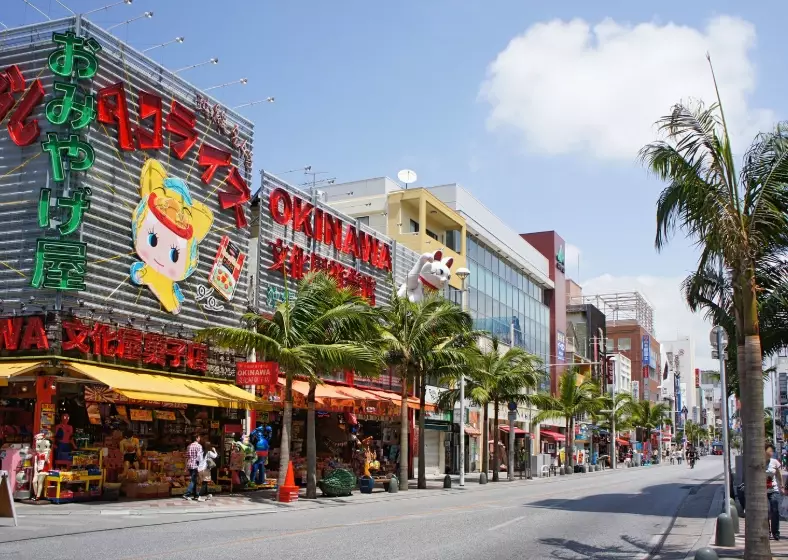
For a tropical twist, Okinawa offers stunning blue water and a distinct Ryukyu culture. Visit the reconstructed Shurijo Castle (a UNESCO site, though parts burned in 2019) in Naha, then head north to beaches like Manza Beach or the stunning Emerald Beach in the Ocean Expo Park.
| Region | Top Pick | Best For | When to Go | Time Needed |
|---|---|---|---|---|
| Tokyo | Senso-ji & Shibuya | Modern & Traditional Culture, Energy | Spring (Mar-May) or Fall (Sep-Nov) | 3-4 Days Minimum |
| Kyoto | Fushimi Inari | History, Temples, Serene Beauty | Spring (Cherry Blossoms) or Fall (Colors) | 2-3 Days |
| Osaka | Dotonbori | Street Food, Nightlife, Lively Atmosphere | Any time, best at night | 1-2 Days |
| Hokkaido | Furano Lavender Fields | Nature, Photography, Wide-Open Spaces | July - August | 3-4 Days |
| Okinawa | Shurijo Castle & Beaches | Beaches, Unique Ryukyu Culture, Diving | May - October (for swimming) | 3-5 Days |
Crafting Your Visit Plan
Your itinerary depends entirely on your days.
5-7 Days (First Timers): Stick to the Golden Route. Fly into Tokyo, out of Osaka (or vice-versa). Tokyo (3d) -> Shinkansen -> Kyoto (2d) -> short train -> Osaka (1-2d). This gives you a solid taste.
10-14 Days (Deeper Dive): Add a specialty region. Do the Golden Route, then fly from Osaka to Sapporo for Hokkaido, or from Tokyo to Naha for Okinawa. Alternatively, add day trips from Tokyo (Kamakura, Nikko) or Kyoto (Nara, Uji).
Expert Travel Hacks for Japan
These saved me countless times.
Transport: Get an IC card (Suica or Pasmo) the moment you land at the airport. Tap on/off all subways, buses, and even buy from convenience stores with it. For inter-city travel, use HyperDia (website/app) or Japan Travel by Navitime for exact train times and platform numbers.
Accommodation: Staying near a major train station (like Shinjuku or Ueno in Tokyo) is worth the premium for saved time. Business hotels are clean, tiny, and efficient.
Crowds: The 30-minute rule. Arrive at any major site 30 minutes before it opens, or visit during the last 90 minutes before closing. The difference is staggering.

Comments