Quick Guide to This Article
- The Unmissable Icons: Tokyo's Famous Faces
- Beyond the Postcard: Neighborhoods with Soul
- The Modern & The Quirky: Unique Places to See in Tokyo Japan
- The Foodie's Trail: Places to See (and Taste)
- Planning Your Visit: The Nuts and Bolts
- Common Questions About Places to See in Tokyo Japan
- Wrapping It Up: Your Tokyo, Your Way
Let's be honest. Searching for the best places to see in Japan Tokyo can feel like trying to drink from a firehose. You've got the guidebooks screaming about Shibuya Crossing, your friend won't stop talking about a tiny bar in Golden Gai, and Instagram is flooded with pictures of teamLab Planets. Where do you even start?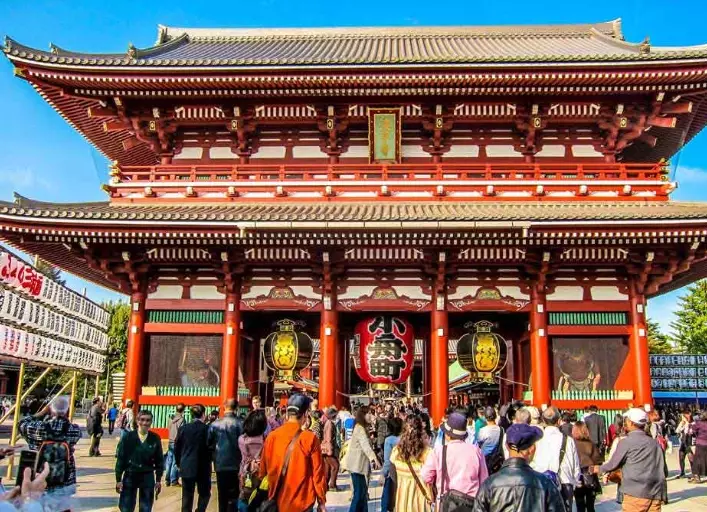
I've been there, wandering around Shinjuku Station feeling completely overwhelmed. After spending a good chunk of time exploring (and getting lost), I've put together this guide to cut through the noise. This isn't about listing every single attraction. It's about helping you find the places to see in Tokyo Japan that actually match what you're looking for—whether that's history, food, chaos, or quiet.
We'll cover the big hitters, because let's face it, you probably want to see them. But we'll also dive into the spots that give Tokyo its real flavor, the ones that aren't always on the front page of the brochure.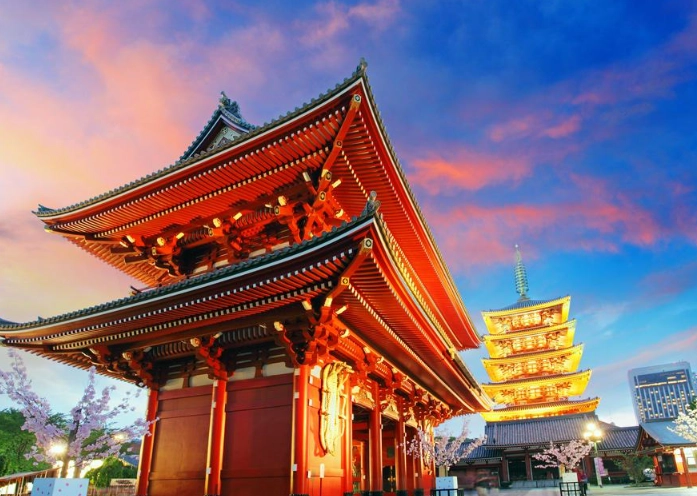
The Core Idea: Tokyo isn't a single experience. It's a collection of towns and neighborhoods, each with its own personality. The best approach is to pick a couple of areas each day and explore them deeply, rather than rushing from one famous landmark to another across the city.
The Unmissable Icons: Tokyo's Famous Faces
Okay, let's get these out of the way first. These are the places to see in Japan Tokyo that you've seen in every movie and travel show. They're popular for a reason, but knowing how to visit them makes all the difference.
Shibuya Crossing & Scramble Square
The world's busiest pedestrian crossing. It's pure, organized chaos. The first time you see a thousand people cross all at once from above is a genuine spectacle. My tip? Don't just cross it. Experience it from different angles.
- The Bird's-Eye View: Head to the Shibuya Scramble Square building. The observation deck, Shibuya Sky, costs money but offers the iconic panoramic view. For a free (and slightly less crowded) option, try the second-floor Starbucks in the Tsutaya building, though you'll be fighting for a window seat.
- The Ground-Level Rush: Actually crossing is fun, but do it off-peak if you hate crowds. Late morning or early afternoon is slightly less insane than evening rush hour.
Honestly, the area around the crossing is more interesting to me. The tiny alleyways packed with izakayas behind it are where the magic happens after dark.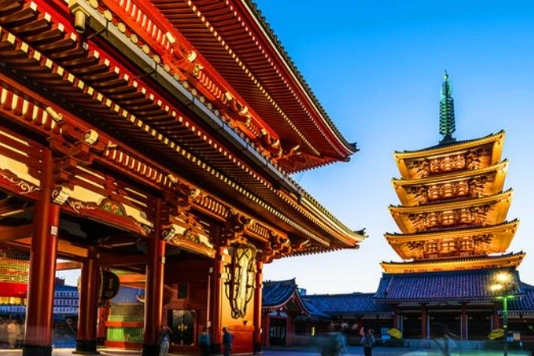
Senso-ji Temple & Asakusa
Tokyo's oldest temple. You walk through the giant Kaminarimon (Thunder Gate), down the packed Nakamise-dori shopping street (great for souvenirs, but prices are for tourists), and arrive at the main hall.
For a fantastic (and free) view of the temple grounds and the Tokyo Skytree in the distance, walk a few minutes to the Asakusa Culture Tourist Information Center. Its observation deck is a little-known gem.
Tokyo Skytree vs. Tokyo Tower
The battle of the towers. Which one should you go up?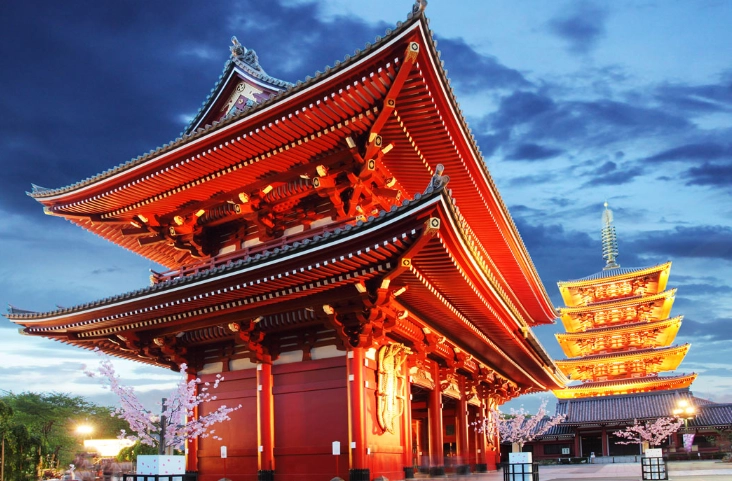
| Feature | Tokyo Skytree | Tokyo Tower |
|---|---|---|
| Height | Taller (634m). The views are insane on a clear day, you can see Mt. Fuji. | Shorter (333m). Offers a more "classic" view of Tokyo's urban sprawl. |
| Atmosphere | Ultra-modern, sleek, and a bit corporate. It's a huge complex with a mall. | Retro charm (it's painted like the Eiffel Tower). Feels more nostalgic. |
| Crowds | Usually much heavier, especially on weekends. Book tickets online. | Generally more manageable. Lines can be shorter. |
| Best For | The ultimate, unobstructed panoramic view. Bragging rights. | A cozier, more atmospheric experience. Great photos WITH the tower. |
I've done both. Skytree's view is technically superior, but I have a soft spot for Tokyo Tower. Seeing its red and white frame light up at night from a nearby street feels more like the Tokyo I imagined. If you only do one and want the best view, pick Skytree. If you want character, pick Tokyo Tower.
Beyond the Postcard: Neighborhoods with Soul
This is where your search for places to see in Tokyo Japan gets interesting. The neighborhoods. Each one is like its own little city.
Shinjuku: Organized Chaos
It's a massive transportation hub, a business center, and a nightlife district all smashed together. The west side (around the Metropolitan Government Building, which has free observation decks) is all sleek skyscrapers. The east side is a different universe.
Kabukicho is the famous (and safe) red-light district, all neon and giant Godzilla heads. Golden Gai is a network of six tiny alleys crammed with over 200 micro-bars, each seating maybe 5-8 people. It's an incredible experience, but be respectful—some bars are for regulars. Look for ones with English menus or a welcoming vibe.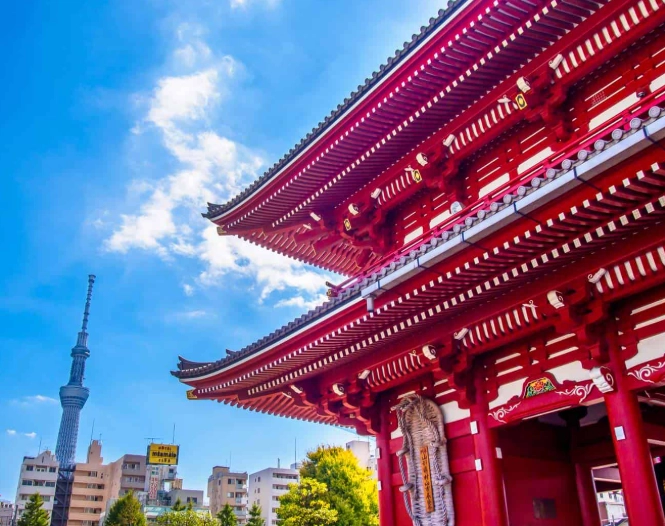
A Quick Word on Shinjuku's "Robot Restaurant": It's permanently closed. If anyone tries to sell you tickets to a "robot show" in Kabukicho, it's a different, likely inferior show. Do your research.
Harajuku & Omotesando: Fashion's Two Sides
These two are right next to each other but couldn't be more different.
Takeshita Street in Harajuku is a narrow, packed alley of teenage fashion, crepe stands, and wild accessories. It's an experience, but it can be a claustrophobic one on a Sunday afternoon. I find it fascinating for about 20 minutes. For a more interesting take on Harajuku style, wander the backstreets like Cat Street, which is more laid-back and boutique.
Then you cross a major road and enter Omotesando, Tokyo's elegant, tree-lined Champs-Élysées. It's all high-end architecture and designer brands. The contrast is startling and brilliant.
Ueno & Yanaka: A Touch of Old Tokyo
If you're looking for history and a slower pace, head north. Ueno Park is a massive cultural hub. It's home to several major museums, like the Tokyo National Museum (the best collection of Japanese art and artifacts in the world, check their official website for current exhibits), a zoo, and Shinobazu Pond.
Just south of the park is Yanaka Ginza. This is one of the few areas in central Tokyo that survived the 1923 earthquake and WWII bombing. It feels like a small town main street, with low wooden shops selling street food, pottery, and crafts. There's no flashy tech here, just a quiet, nostalgic vibe. It's a perfect antidote to Shinjuku's intensity.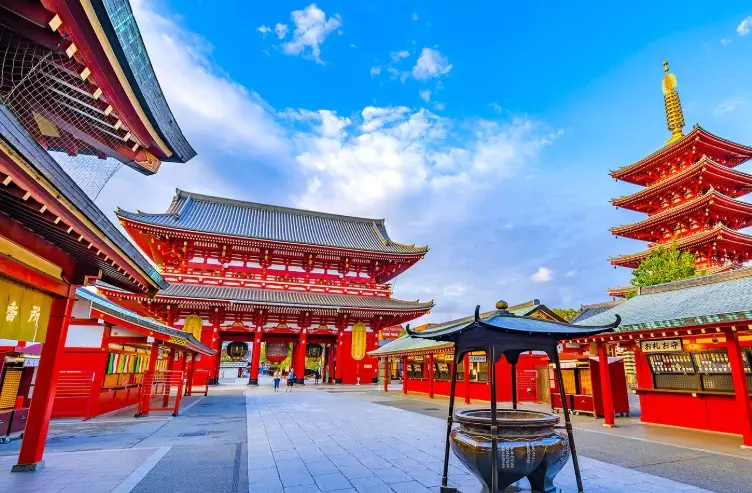
Pro Tip: Combine Ueno's museums in the morning with a leisurely stroll through Yanaka Ginza in the afternoon. They're within easy walking distance of each other and offer a perfectly balanced day of culture and local charm.
The Modern & The Quirky: Unique Places to See in Tokyo Japan
Tokyo's creativity isn't just in its history; it's in its constant reinvention.
teamLab's Digital Art
You've seen the photos: people standing in knee-deep water with digital koi fish swimming around them. teamLab Planets in Toyosu (and their older venue, teamLab Borderless, which has reopened in a new location) is an immersive, interactive art experience. You walk barefoot through water, across squishy surfaces, and into rooms of infinite light.
Is it worth it? If you like interactive, photogenic art, absolutely. Book tickets weeks in advance, especially for weekends. It sells out constantly. A word of warning: it's not great for people with mobility issues or a serious aversion to crowds, as you move slowly through the exhibits.
Ghibli Museum, Mitaka
A pilgrimage site for fans of Studio Ghibli films (Spirited Away, My Neighbor Totoro). It's not a typical museum with rows of art. It's a whimsical building filled with hidden details, a replica of an animator's studio, and a exclusive short film.
Odaiba: The Futuristic Island
A man-made island in Tokyo Bay that feels like a vision of the future from the 1990s. It's reached by the cool Yurikamome automated train. Highlights include the Miraikan (National Museum of Emerging Science and Innovation), the life-sized Unicorn Gundam statue, and the Oedo Onsen Monogatari hot spring theme park (great for experiencing an onsen if you're shy, as they provide yukata).
Odaiba feels a bit dated and oddly quiet in places, but the view back across the rainbow bridge to the Tokyo skyline at night is one of the best in the city.
The Foodie's Trail: Places to See (and Taste)
In Tokyo, eating is sightseeing. Here are a few areas where the culinary scene is a major attraction.
Tsukiji Outer Market: The famous tuna auction moved to Toyosu, but the vibrant outer market at Tsukiji is still very much alive. It's a maze of stalls selling fresh seafood, tamagoyaki (sweet omelet), uni (sea urchin), and more. Go hungry for breakfast. It gets packed by 10 AM.
Ramen Street in Tokyo Station: In the basement of Tokyo Station's labyrinth, there's an area with eight famous ramen shops from around Japan. It's a perfect, efficient way to try a high-quality bowl from different regions. Be prepared to queue, but it moves fast.
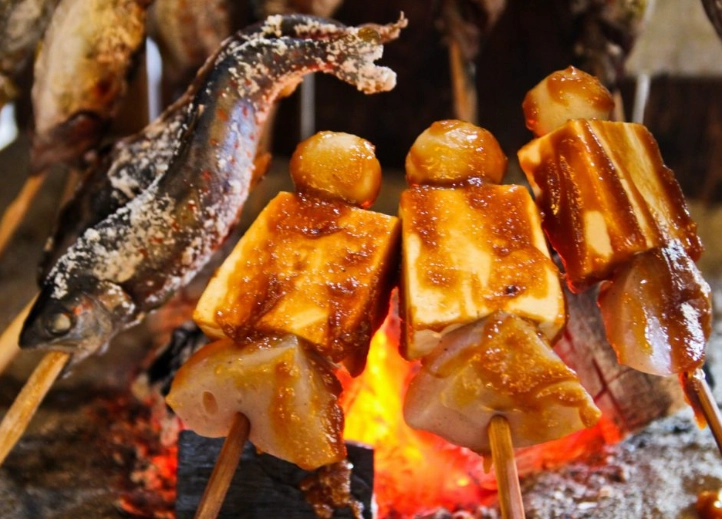
Memory Lane (Omoide Yokocho) in Shinjuku: Next to the train tracks, this is a cluster of tiny, smoky yakitori (grilled skewer) joints. You squeeze onto a stool, order a beer and some chicken skewers, and soak in the post-war Showa-era atmosphere. It's cramped, lively, and feels like a step back in time.
Planning Your Visit: The Nuts and Bolts
Knowing the places to see in Japan Tokyo is one thing. Getting to them smoothly is another.
Getting Around: The Subway Maze
Tokyo's subway and train system is incredibly efficient, clean, and safe. It's also confusing. There are two main subway operators (Tokyo Metro and Toei) plus the JR East lines.
- The Suica/Pasmo Card is Your Best Friend: A rechargeable IC card. Tap to enter and exit any train, bus, and even use it at many convenience stores and vending machines. Get one at any major station airport. You can even get a digital version on your iPhone now.
- Google Maps is Shockingly Accurate: It will tell you which platform, which exit, and even which car to board for the smootest transfer. Follow it religiously.
- Avoid Rush Hour (7:30-9:30 AM): Just trust me on this one. It's an experience you don't need.
When to Go & How Long
Spring (late March-April) for cherry blossoms is magical but also the most crowded and expensive. Autumn (October-November) has crisp air and beautiful fall colors and is my personal favorite. Summer (June-September) is hot and humid, but has festivals. Winter is cold but clear, with fewer crowds.
How many days? A first-timer needs at least 4-5 full days to scratch the surface without being in a constant panic. A week allows for a more relaxed pace and maybe a day trip to Kamakura or Nikko.
Common Questions About Places to See in Tokyo Japan
Wrapping It Up: Your Tokyo, Your Way
Finding the right places to see in Japan Tokyo is about balance. Mix one or two iconic sights each day with time to just wander a neighborhood. Get lost down a side street. Pop into a random izakaya that looks busy. That's where you'll find your own personal Tokyo.
Don't try to see it all. You can't. Tokyo is a city that rewards revisits. Pick the themes that interest you—technology, history, fashion, food—and build your days around them. Use the efficient train system to connect the dots, but leave plenty of time to explore on foot once you get off at your stop.
The most important thing is to let go of the checklist mentality. The magic of Tokyo isn't just in ticking off the famous places to see in Tokyo Japan from a list. It's in the feeling you get walking from the serene Meiji Shrine into the frenzy of Harajuku, or finding a perfect, quiet temple garden tucked between skyscrapers. It's a city of endless layers. Enjoy peeling back the first few.
For the most current official information on travel, always cross-check with resources like the Japan National Tourism Organization (JNTO) website or the Tokyo Metropolitan Government site. They have reliable event calendars and updates.
Have an amazing trip. Tokyo is waiting.


Comments