I remember standing in the middle of Tokyo Station with a five-year-old who needed the bathroom, a seven-year-old complaining about her backpack, and a map that might as well have been in ancient hieroglyphics. That was my first, overly ambitious attempt at Japan family travel. I’d packed our days like a military operation, forgetting that kids have their own pace. We survived, barely, and I learned more in that week about traveling with kids than in a decade of solo trips.
Japan is arguably the world's best family destination. It’s safe, clean, fascinating, and has a vending machine for every crisis. But planning a trip that delights a toddler, a teenager, and the parents paying for it all? That’s the real art. This isn’t another list of obvious attractions. It’s a battle-tested guide from someone who’s made the mistakes, so you don’t have to.
Your Trip Planning Jump-Off Point
Why Japan Just Works for Families
Let’s get the obvious out of the way. The safety lets you breathe easy. The efficiency of the trains is a marvel. But the real magic is in the details designed for living, which double as perks for visitors with kids.
Family restrooms (often labeled “Multi-Purpose” or with a family icon) are widespread in stations and malls. Convenience stores (Konbini) like 7-Eleven and FamilyMart are lifesavers—affordable, decent food, clean bathrooms, and ATM access. The culture of quiet consideration means your occasionally loud child is met with understanding smiles, not glares. Public spaces, from department store rooftops to random pocket parks, are often unexpectedly kid-friendly.
How to Plan a Japan Family Trip by Age Group
A trip with a 3-year-old is a different planet from a trip with a 13-year-old. Tailoring is everything.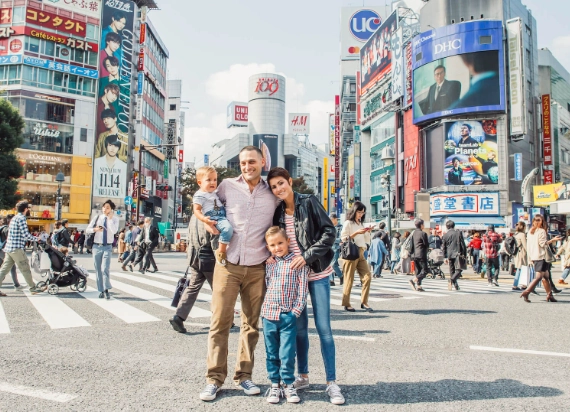
Traveling Japan with Toddlers & Preschoolers (Ages 2-5)
Your goal is survival with smiles. One major activity per day is plenty.
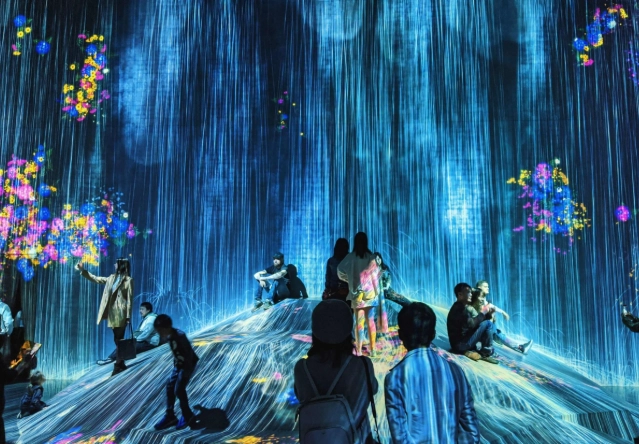
- Tokyo Focus: Ueno Zoo is old-school but a huge hit. The Tokyo Toy Museum (10-4pm, closed Mon, ¥1,000 per adult, kids cheaper) in Shinjuku is a hands-on wonderland in an old schoolhouse. Odaiba’s teamLab Planets is sensory overload in the best way—they can walk through water and touch giant glowing orbs.
- Kyoto Focus: The Kyoto Railway Museum is spectacular. The Monkey Park Iwatayama in Arashiyama involves a short hike but rewards with monkeys roaming freely.
- The Stroller Truth: Bring a lightweight, umbrella-fold model. Many subway exits are stairs-only. Be prepared to carry it.
Traveling Japan with School-Age Kids (Ages 6-12)
This is the golden age for engagement. They’re curious, mobile, and remember the trip.
- Hands-On Wins: In Tokyo, Sanrio Puroland (indoor Hello Kitty theme park) or the Ghibli Museum (tickets must be booked months in advance). In Kyoto, a samurai or ninja experience where they dress up and learn moves.
- Tech & Nature Mix: A day trip to Hakone for the pirate ship on Lake Ashi, cable cars, and views of Mt. Fuji checks all boxes.
Traveling Japan with Teenagers (Ages 13+)
Treat them like travel partners, not kids. Give them autonomy.
- Cool Factor: Harajuku’s Takeshita Street for fashion, Shibuya Crossing for the spectacle. In Kyoto, the Fushimi Inari Shrine paths are great for photos. A day trip to Hiroshima is profoundly impactful for teens.
- Budget Their Snacks: Give them a daily yen allowance for vending machine drinks, crepes, and convenience store treats. It eliminates constant “can I get…” requests.
The 7-Day Classic Japan Family Itinerary: Tokyo & Kyoto
This is a balanced, realistic pace that mixes must-sees with downtime.
Day 1-3: Tokyo – Modern Wonders
Day 1 (Shinjuku): Arrive, settle. Evening at the free Tokyo Metropolitan Government Building observatory for skyline views.
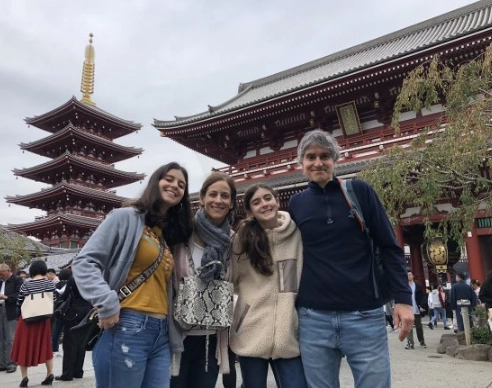
Day 2 (Central Tokyo): Morning at Senso-ji Temple (Asakusa). Afternoon at Ueno Park (choose Zoo or Museums). Evening walk in Akihabara for electronics/ anime buzz.
Day 3 (Choose Your Adventure): OPTION A: Tokyo Disneyland or DisneySea (full day). OPTION B: teamLab Planets in morning, explore Odaiba (giant Gundam, shopping) in afternoon.
Day 4: Travel to Kyoto
Take the mid-morning Shinkansen (2.5 hours). Store luggage at Kyoto station. Afternoon in Fushimi Inari (go past the first crowded gate for quieter paths). Check into hotel.
Day 5-6: Kyoto – Temples & Tradition
Day 5 (Arashiyama): Bamboo Grove early (by 8 am), then Monkey Park or the scenic Sagano Romantic Train.
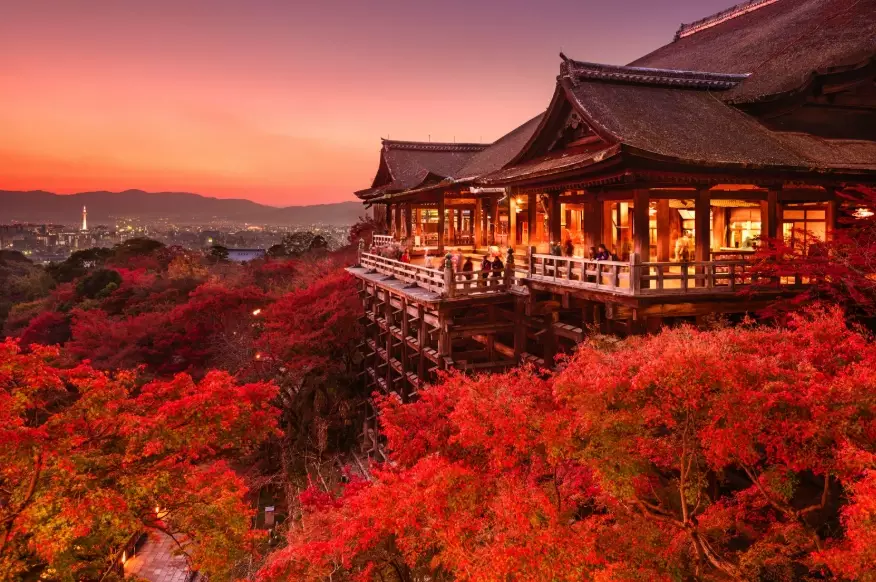
Day 6 (Higashiyama): Kiyomizu-dera Temple, explore the preserved streets of Sannenzaka, Yasaka Shrine. Rent kimonos for memorable photos.
Day 7: Departure or Final Flex Day
Last-minute souvenir shopping at Kyoto Station’s vast mall or a quick visit to Nijo Castle before heading to KIX or ITM airport.
Where to Stay in Japan with Family: The Neighborhood Decider
Location trumps a fancy room. You want easy access to a major train station.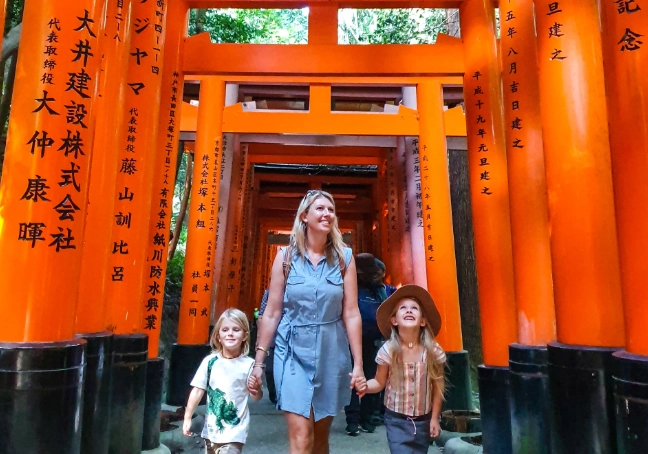
For Tokyo: Stay Near a Yamanote Line Station
This loop line connects to everything. Shinjuku or Shibuya are hubs with endless food options. Ueno is quieter, great for park access and the Shinkansen to the north. Look for hotels offering “family rooms” or connecting rooms. Japanese business hotel rooms are famously small for four people.
My Pick: Mimaru Suites (multiple locations). They are apartment-style hotels with kitchenettes and separate sleeping/living areas. The Mimaru Tokyo Shinjuku West location is particularly well-connected. Rates start around ¥40,000 per night for a family suite.
For Kyoto: Stay Near Kyoto Station or a Subway Line
Kyoto Station area is unbeatable for logistics (buses, trains, luggage storage). Central Kyoto (near Karasuma or Shijo stations) puts you walking distance to some attractions and Nishiki Market.
My Pick: Hotel Granvia Kyoto. It’s literally inside Kyoto Station. The ultimate in convenience after a long day of touring. They have spacious twin rooms that can accommodate a family of four with rollaway beds. Expect rates from ¥35,000 per night.
The Ryokan Experience (1-Night Splurge)
For a memorable cultural immersion, spend one night in a family-friendly ryokan in Hakone or a quieter part of Kyoto. You get tatami rooms, kaiseki meals, and often a private onsen bath. It’s not cheap (¥60,000+ for a family) but it’s the experience your kids will talk about for years.
The Food Logistics: Keeping Everyone Fed & Happy
Japanese food is more than sushi. Don’t stress about picky eaters.
- Breakfast: Most hotels don’t include it. Hit a konbini for onigiri (rice balls), yogurt, and pastries. It’s fast, cheap, and kids love choosing.
- Lunch: Ramen shops, curry houses (Coco Ichibanya), and kaiten-zushi (conveyor belt sushi) are fast, affordable, and visual. My kids lived for the fried chicken and noodles at Yoshinoya.
- Dinner: Department store food halls (depachika) are a secret weapon. Buy a mix of ready-to-eat gourmet items and have a picnic in your hotel room. For sit-down, family restaurants like Saizeriya offer Japanese-Western fusion at super low prices.
- The Golden Rule: If you see a line of locals at a ramen shop, join it. You won’t be disappointed.
Your Burning Japan Family Travel Questions

Comments