In This Guide
- What Exactly Does Yamagata City Offer?
- The Other Side of the Coin: Potential Drawbacks to Consider
- Yamagata City vs. The Usual Suspects: How It Stacks Up
- Who is Yamagata City REALLY For? (And Who Should Skip It)
- Practical Information for Your Trip: Making it Work
- Final Verdict: So, Is Yamagata City Worth Visiting?
Let's be honest. When you're planning a trip to Japan, Yamagata City probably isn't the first place that pops into your head. It's not Tokyo, it's not Kyoto, and it's definitely not Osaka. I remember scrolling through forums, seeing the question pop up again and again: is Yamagata City worth visiting? The answers were always a bit vague. "It's nice." "Good for onsen." Not exactly convincing stuff.
So I went. I spent a good chunk of time there, wandering its streets, eating its food, and trying to figure out what the deal was. And now, I'm going to give you the straight answer, with none of the fluff. We'll dig into the famous beef, the stunning mountain temples, the hot springs that melt your stress away, and also the parts that might make you think twice. By the end of this, you'll know exactly if Yamagata City deserves a spot on your Japan itinerary.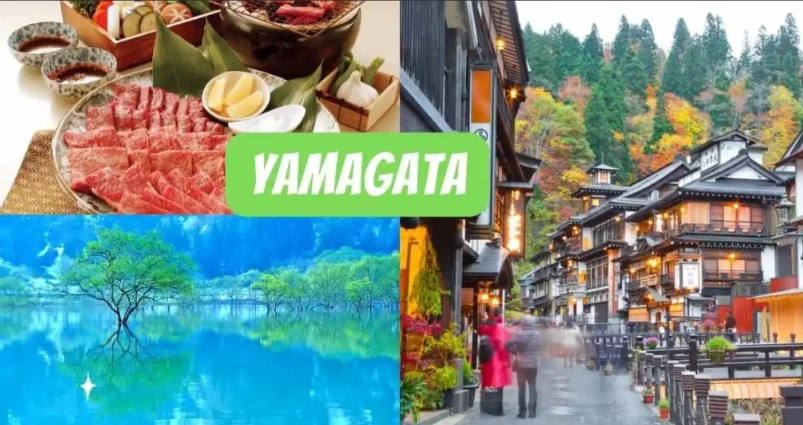
What Exactly Does Yamagata City Offer?
Yamagata City is the capital of Yamagata Prefecture, nestled in the Tohoku region in the north of Japan's main island, Honshu. It's not a coastal town; it's a mountain basin city, surrounded by peaks that turn into world-class ski resorts in winter and lush hiking trails in summer. Think of it less as a single "destination" and more as a comfortable, cultured basecamp for exploring a seriously underrated part of Japan.
The vibe is distinctly different from the megalopolises down south. There's a deep sense of history here, tied to the old Dewa Province, and a proud local culture centered on its incredible agricultural produce (the cherries are famous nationwide) and craftsmanship.
The Top Reasons Why Yamagata City Might Be Worth Your Time
Let's break down the big draws. These are the things people come for, and in many cases, they deliver.
1. Spiritual & Historical Grandeur: The Yamadera Experience
This is often the number one reason people have even heard of Yamagata. Risshakuji Temple, commonly called Yamadera (literally "mountain temple"), is about a 20-minute train ride from the city center. It's not a single building. It's a complex of temples and halls clinging precariously to a steep mountainside.
You climb over 1,000 stone steps through a dense cedar forest. The climb is no joke—wear good shoes and take your time. But the atmosphere is magical. The sound of wind in the ancient trees, the moss-covered statues, the occasional chant from a temple... it feels timeless.
The payoff at the summit, the Godaido Hall, is a viewing platform that offers a breathtaking panorama of the valley below. On a clear day, it's one of those views that just stops you. It’s a powerful, meditative place. If you're into history, spirituality, or just stunning landscapes, asking "is Yamagata City worth visiting" almost starts and ends with Yamadera. It's that unique.
2. A Culinary Pilgrimage for Meat Lovers: Yonezawa Beef
Move over, Kobe. For many connoisseurs, Yonezawa beef (from the southern part of the prefecture) is the pinnacle of Japanese wagyu. It's marbled, tender, and melts in your mouth with an incredibly rich, umami flavor. Yamagata City is one of the best places to try it without the insane mark-up and reservation drama of more touristy spots.
You can find it in dedicated steak houses, shabu-shabu restaurants, and even as a premium topping on a humble bowl of gyudon (beef bowl). The difference in quality from regular beef is not subtle. It's a culinary event.
I splurged on a Yonezawa beef steak lunch at a small, family-run place near the station. The owner grilled it right in front of me. No fancy plating, just incredible meat. It was, without exaggeration, one of the best meals I've had in Japan. For a foodie, this alone can tip the scales when wondering if Yamagata City is worth the trip.
3. The Art of Relaxation: Hot Springs (Onsen) Culture
Tohoku is onsen country, and Yamagata Prefecture is packed with them. While the most famous (like Ginzan Onsen) are a bit farther out, the city itself and its immediate surroundings offer great bathing opportunities.
Many hotels have their own onsen baths. There are also public bathhouses (sento) that use natural hot spring water. After a day of hiking or temple-hopping, there is nothing—absolutely nothing—better than sinking into a steaming, mineral-rich bath. Your muscles thank you, your mind unwinds. It's a core part of the local rhythm of life here.
If you have time, a day trip to the nearby Zao Onsen resort area is highly recommended, especially in winter for its famous "snow monsters" (ice-covered trees) and skiing.
4. Beyond the City: Stunning Nature on Your Doorstep
Yamagata City is a gateway. In under an hour, you can be:
- Skiing or snowboarding on the powdery slopes of Zao or Gassan.
- Hiking through the beech forests of the Asahi Mountains.
- Boating on Lake Goshiki-numa, a volcanic lake known for its stunning, changing colors.
The natural beauty here is raw and accessible. It feels less curated than some of the famous gardens down south, and more powerful.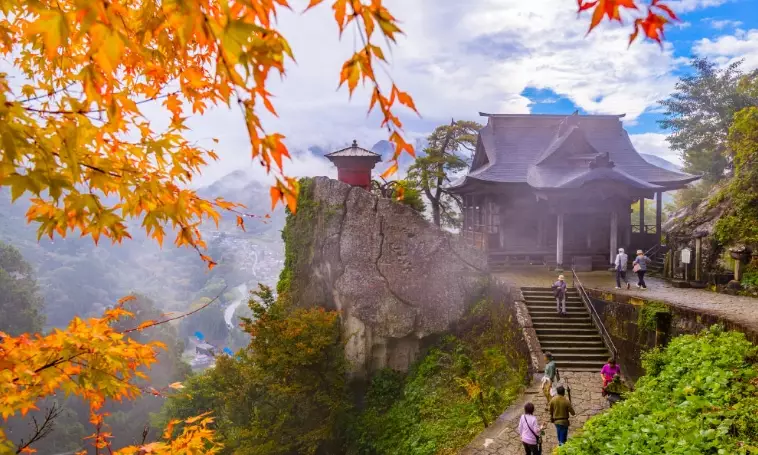
5. Festivals with Real Soul
If you time your visit right, you can catch one of Yamagata's legendary festivals. The Yamagata Hanagasa Festival in August is a massive, energetic parade of thousands of dancers in traditional straw hats. The vibe is infectious, pure community joy. It's not a show put on for tourists; it's the city celebrating itself, and you're invited to watch.
So, sounds pretty good, right?
It is. But let's not paint an overly rosy picture. To honestly answer "is Yamagata City worth visiting," we have to look at the other side of the coin.
The Other Side of the Coin: Potential Drawbacks to Consider
Nobody talks about this stuff enough. Here’s what might give you pause.
The Transportation Hustle
This is the biggest hurdle. Yamagata City is not as seamlessly connected as places on the Tokaido Shinkansen line. You'll likely take the Yamagata Shinkansen from Tokyo (about 2.5-3 hours), which is fine. But once you're there, getting to the specific attractions outside the city center often requires planning.
Buses to places like Zao Onsen or some hiking trailheads can be infrequent, especially outside peak seasons. Renting a car unlocks the region beautifully, but that's an extra cost and requires an International Driving Permit. If you're a traveler who loves to just wing it with local trains, you might feel a bit constrained.
Nightlife? What Nightlife?
If you're looking for a buzzing club scene, late-night izakaya crawls in packed alleys, or even just a lot of options past 9 PM, you will be disappointed. Yamagata City goes to bed relatively early. The entertainment is more subdued: a quiet drink at a local bar, a stroll along the Mogami River banks, or simply enjoying your hotel's onsen.
For some, this is a feature, not a bug. For others, it can feel a bit too quiet after a few days.
The "International Tourist" Infrastructure is Thin
English signage and menus are not as widespread as in Kyoto or Tokyo. You'll encounter fewer people fluent in English. This isn't a problem in a major train station or hotel, but in a local restaurant or on a rural bus, you'll be relying more on gestures, translation apps, and goodwill.
Again, for some, this is part of the adventure and feels more "authentic." For others, it can be a source of stress. You need to be comfortable with a bit of friction.
Let me put it this way: Yamagata City doesn't roll out the red carpet for international tourists. It's just living its life. You're welcome to join in, but you have to meet it halfway.
Yamagata City vs. The Usual Suspects: How It Stacks Up
Maybe the best way to decide is to see how it compares to places you might already be considering. Is Yamagata City worth visiting instead of or in addition to these spots?
| Destination | The Vibe | Best For | Tourist Density | Yamagata's Edge |
|---|---|---|---|---|
| Kyoto | Imperial grandeur, refined culture, picture-perfect temples & gardens. | First-timers, history buffs, photographers, traditional arts. | Extremely High (can feel overcrowded) | Space and serenity. Experiencing a major temple like Yamadera without the crowds. A more relaxed, personal spiritual experience. |
| Tokyo | Hyper-modern, fast-paced, neon-lit megacity with endless options. | Foodies, shoppers, pop culture fans, urban energy seekers. | Very High (but it's so big it absorbs it) | Nature and slow travel. Direct access to mountains, hot springs, and rural landscapes. A tangible sense of the seasons. |
| Kanazawa | "Little Kyoto" of the north, famous for its castle, garden, and geisha district. | Those wanting Kyoto-esque beauty with fewer people. | Moderate-High (increasingly popular) | Rugged natural access. Kanazawa is coastal/cultural. Yamagata is your base for mountain sports, hiking, and more dramatic, wild scenery right on its doorstep. |
| Hokkaido (Sapporo) | Vast wilderness, dairy country, winter sports paradise, distinct food culture. | Skiers, nature lovers, road trippers, those seeking wide-open spaces. | Low-Moderate (outside major events) | Accessibility from Tokyo. You can be in Yamagata's mountains in 3 hours by Shinkansen. Getting deep into Hokkaido's wilderness takes more time and money. Yamagata offers a taste of that Tohoku/Hokkaido vibe more quickly. |
See the pattern? Yamagata City shines as a balance point. It offers deep culture and history (like Kyoto) but without the frenzy. It has incredible food (like Tokyo) but focused on sublime local ingredients rather than global variety. It has epic nature (like Hokkaido) but is much easier to reach on a standard Japan itinerary.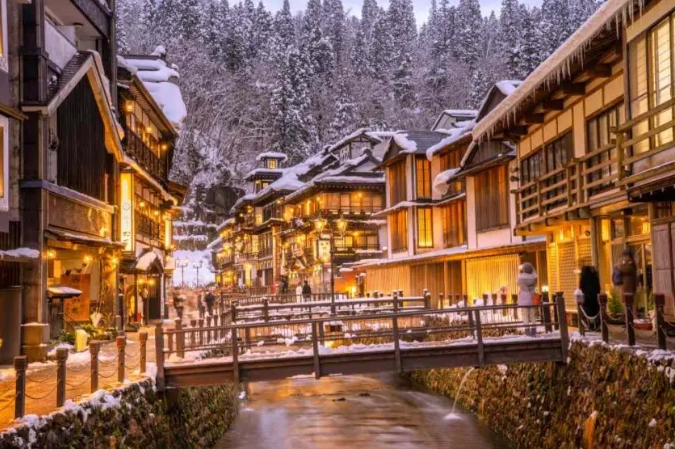
Who is Yamagata City REALLY For? (And Who Should Skip It)
Let's get personal. Based on my time there and talking to other travelers, here’s who tends to love it and who leaves feeling a bit "meh."
Yamagata City will likely be a GREAT fit if you:
- Are on your second or third trip to Japan and want to go deeper.
- Value tranquility, nature, and a slower pace over urban excitement.
- Are a foodie on a quest for the ultimate culinary experiences (wagyu, sake, seasonal fruit).
- Love hiking, skiing, or outdoor activities and want to combine them with culture.
- Find the crowds in Kyoto and Tokyo overwhelming and seek a more authentic, local feel.
- Are fascinated by Japanese spirituality and want to visit powerful, less-commercialized religious sites.
You might want to think twice if you:
- Are a first-time visitor to Japan with only 7-10 days. Your time is better spent on the classic Golden Route (Tokyo-Kyoto-Osaka-Hiroshima).
- Thrive on constant stimulation, nightlife, and the energy of a big city.
- Get anxious without extensive English support and prefer destinations where tourist logistics are ultra-smooth.
- Are traveling with young children who need easily accessible, constant entertainment options.
- Really dislike needing to plan transport or consider renting a car to see the best sights.
It’s not about good or bad. It’s about fit.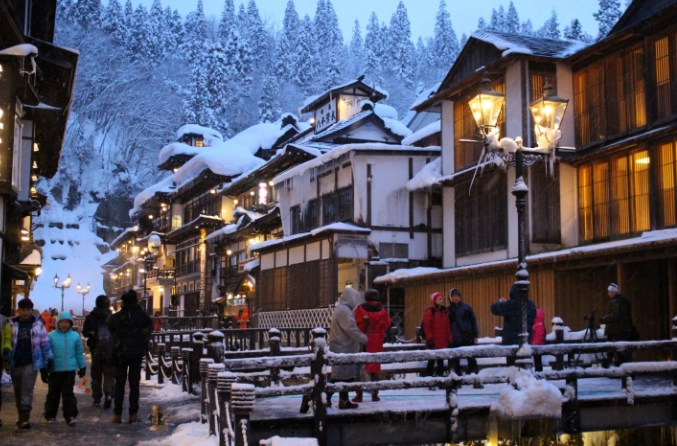
Practical Information for Your Trip: Making it Work
Okay, let's say you're leaning towards going. How do you do it right?
Best Time to Visit
- Spring (April-May): Cherry blossoms come late here (mid-late April). The mountains are still snowy, creating beautiful contrasts. Pleasant temperatures.
- Summer (June-August): Lush and green, but can be quite hot and humid. This is festival season (Hanagasa in August). Great for high-altitude hiking.
- Autumn (October-November): Arguably the best time. The mountain foliage (koyo) is spectacular, especially around Yamadera. Crisp, cool air.
- Winter (December-March): For skiers and snowboarders, this is prime time. Zao's snow monsters are a surreal sight. The city is cold and snowy, but the onsens are extra heavenly.
How Long to Stay
Yamagata City itself can be covered in 1-2 full days (Yamadera, city museums, local food). But its real value is as a base. I'd recommend a minimum of 2 nights, ideally 3-4. This gives you a day for Yamadera, a day to explore the city and relax in an onsen, and a day for a trip out to Zao, Ginzan Onsen (a bit farther), or a hiking trail.
Budgeting
It's generally more affordable than Tokyo or Kyoto. Mid-range business hotels are plentiful and good value. The splurge is on food (that Yonezawa beef!) and activities like ski passes or car rental. You can eat very well for reasonable prices if you seek out local izakayas and noodle shops.
Getting Around
Within the city center, walking and buses are fine. For Yamadera, the local JR Senzan Line train is simple and scenic. For exploring the wider region, seriously consider renting a car. It gives you total freedom to visit remote onsens, trailheads, and scenic spots at your own pace. Companies like Toyota Rent-a-Car have offices at the station. Book in advance.
Frequently Asked Questions (FAQs)
Is Yamagata City safe for solo travelers, including women?
Yes, extremely. Japan is safe overall, and Yamagata City is a particularly calm, low-crime area. I felt completely comfortable walking alone at night. Standard precautions always apply, but safety is a major plus here.
Is it expensive to visit Yamagata City?
Less so than major hubs. Accommodation and local transport are cheaper. The main potential expense is dining on premium Yonezawa beef or doing specialized activities like guided hikes or ski lessons. You can easily tailor your budget.
Can I do Yamagata City as a day trip from Tokyo?
Technically yes, but I strongly advise against it. The 3-hour Shinkansen ride each way makes for a very long, expensive, and rushed day. You wouldn't do justice to Yamadera, let alone anything else. To truly understand if Yamagata City is worth visiting, you need to spend the night.
What about Ginzan Onsen? Is it worth the trip?
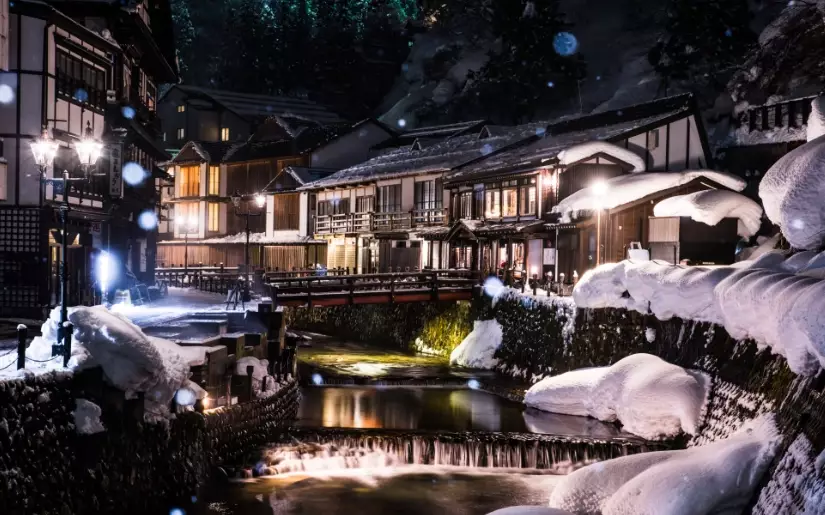
Ginzan Onsen is stunning—a street of traditional ryokans lining a river gorge, straight out of a Studio Ghibli film (Spirited Away vibes). However, it's about a 90-minute bus ride from Yamagata City. It's a fantastic add-on if you have an extra day, but it's a separate destination. Many ryokans there are pricey and require advance booking.
Is the Yamagata City worth visiting question different in winter?
Absolutely. In winter, the equation changes. It becomes a destination for skiers and snow lovers. The Zao Snow Monster sightseeing tours are a unique draw. The city is quieter, colder, but incredibly atmospheric under snow, and the onsens are pure magic. If you don't like cold weather or winter sports, summer or autumn are better bets.
Final Verdict: So, Is Yamagata City Worth Visiting?
Here's my honest take, after all that.
Yamagata City is not a must-see for every single person traveling to Japan. If you have one week and it's your first time, stick to the classics. You won't regret it.
But.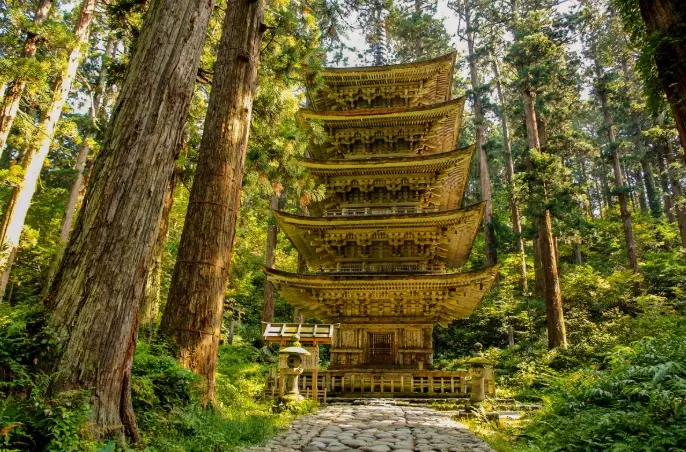
If you have the time, the inclination for a slightly slower, deeper travel experience, and an appreciation for nature, food, and culture without the packaging, then yes, Yamagata City is absolutely worth visiting.
It answers the question "is Yamagata City worth visiting" not with loud attractions, but with quiet moments. The profound silence at the top of Yamadera. The decadent taste of perfectly grilled beef. The deep warmth of a mountain hot spring as you watch snow fall. The genuine smile from a shopkeeper when you try a word of Japanese.
It's a place that rewards curiosity and a bit of effort. It doesn't hand you everything on a platter. You have to seek it out. And for the right traveler, that's exactly what makes it special.
So, is Yamagata City worth it? For me, it was. It offered a slice of Japan I hadn't seen before, one that felt grounded, real, and deeply satisfying. It might just do the same for you.
Comments