Quick Guide
- The Core Question: How Many Days Do You Really Need?
- Crafting Your Masterpiece: Top Japan Itinerary Templates
- City vs. City: Picking Your Battles Wisely
- The Money Talk: Budgeting for Your Japan Itinerary
- When to Go: Seasons & Crowds
- Essential Japan Travel Tips (The Stuff You Actually Need)
- Beyond the Temples: Filling Your Japan Itinerary with Life
- Common Questions (Stuff I Actually Get Asked)
- Putting It All Together: Your Final Checklist
Let's be honest. Planning a trip to Japan can feel like trying to drink from a firehose. You've got Tokyo's neon glow, Kyoto's serene temples, Osaka's food obsession, and about a million other things screaming for your attention. Where do you even start? How do you fit it all in without running yourself ragged? I've been there, staring at a blank map, feeling that mix of excitement and pure panic.
I remember my first attempt at a Japan itinerary. It was a mess. I had us bouncing between cities every other day, trying to cram in every single shrine and museum I'd read about online. By day three, we were exhausted, our feet hurt, and we'd spent more time on trains than actually experiencing the place. Not exactly the dream trip.
That's why I'm writing this. Not as some distant expert, but as someone who's made the mistakes, learned the hard way, and finally figured out how to build a Japan travel itinerary that actually feels good. One that balances the must-sees with the hidden corners, the iconic photos with the real, breathing culture. This isn't about a perfect, one-size-fits-all plan. It's about giving you the tools, the honest advice, and the realistic options to build your own perfect adventure.
So, take a deep breath. Put down that overwhelming list of "Top 100 Things in Japan." We're going to break this down, step by step, into something manageable and, more importantly, something you'll absolutely love.
The Core Question: How Many Days Do You Really Need?
This is the first hurdle. Everyone asks it. The answer, frustratingly, is "it depends," but let's get specific. Japan is deceptively large, and travel between major hubs takes time. A solid Japan itinerary respects that.
Think of your trip in terms of chapters, not a checklist.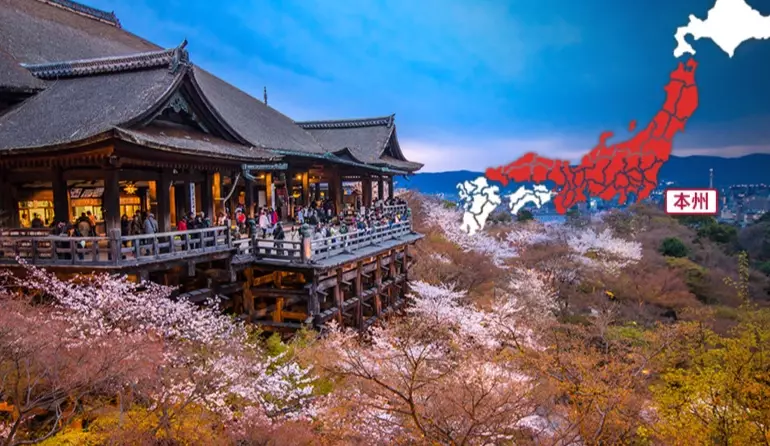
Here’s a brutally honest breakdown:
- 7 Days: A taste, but a rushed one. You'll likely have to choose between Kanto (Tokyo area) or Kansai (Kyoto/Osaka). Trying to do both is possible, but it's a sprint, not a vacation. Perfect for a city break focused on one region.
- 10 Days: The sweet spot for many first-timers. You can comfortably cover Tokyo, Kyoto, and Osaka with day trips. It's paced, but you'll still need to prioritize activities.
- 14 Days: The luxury of depth. This allows for the Golden Route plus a dedicated side adventure—like hiking in the Japanese Alps (Matsumoto, Kamikochi), exploring the art islands of Naoshima, or soaking in an onsen town in Hakone or Kinosaki. Your Japan travel itinerary can have slow days built in.
- 21+ Days: Now you're talking. You can venture north to Hokkaido, south to Kyushu, or deep into rural Tohoku. This is where you move from tourist to traveler.
See what I mean? Your ideal Japan trip planner starts with an honest look at your calendar and energy levels.
Crafting Your Masterpiece: Top Japan Itinerary Templates
Okay, let's get concrete. Here are fleshed-out itinerary frameworks you can adapt. These aren't rigid schedules—think of them as skeletons you'll add meat to based on your own interests.
The 10-Day Classic Golden Route
This is the bread and butter for a reason. It works.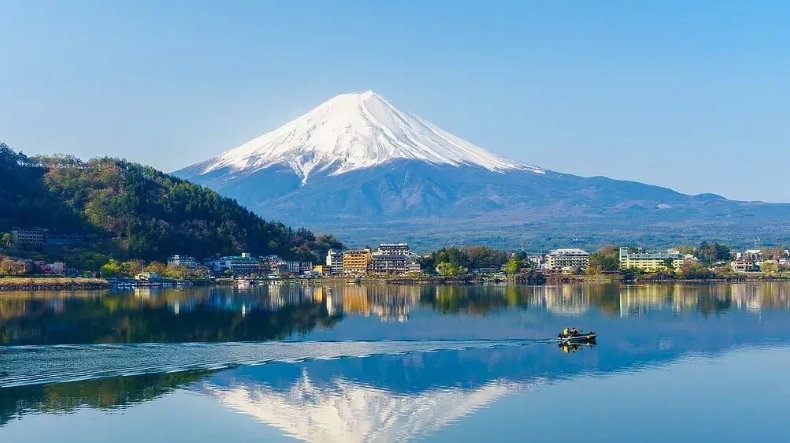
Days 1-4: Tokyo - The Electric Heart
- Day 1: Arrive at Narita/Haneda. Fight the jetlag. Maybe just explore your immediate neighborhood (Shinjuku, Shibuya, Ginza), have your first bowl of ramen, and crash early. Don't plan anything major.
- Day 2: East Side Culture. Senso-ji Temple in Asakusa (go early!), then walk to the Tokyo Skytree for views. Afternoon in Akihabara for anime/tech or Ueno Park for museums.
- Day 3: West Side Modern. Meiji Jingu shrine in the morning for quiet. Then dive into the controlled chaos of Shibuya Crossing and Harajuku's Takeshita Street. Shinjuku in the evening for the Metropolitan Government Building (free view!) and Omoide Yokocho alley for yakitori.
- Day 4: Your Choice Day. TeamLab Planets digital art museum, a day trip to Kamakura (the "Kyoto of the East"), or exploring the foodie paradise of Tsukiji Outer Market. This is where your personal Japan itinerary starts to take shape.
Days 5-8: Kyoto - The Soul of Tradition
- Day 5: Travel to Kyoto (about 2.5 hours via Shinkansen). Settle in. Start gentle with the philosopher's Path in the Higashiyama district, ending at the stunning Kiyomizu-dera temple. The crowds here are no joke, by the way.
- Day 6: Arashiyama & Golden. Morning in Arashiyama for the bamboo grove (again, EARLY is your best friend) and the lovely Tenryu-ji temple. Afternoon at the breathtaking Kinkaku-ji (Golden Pavilion). They're on opposite sides of the city, so group by location.
- Day 7: Fushimi Inari & Downtown. Hike the thousands of torii gates at Fushimi Inari Taisha. You don't have to go all the way to the top—even just the first section is incredible. Later, explore the geisha districts of Gion and Pontocho, and Nishiki Market for food sampling.
- Day 8: Day Trip to Nara. Feed the (sometimes pushy) deer in Nara Park, visit the colossal Todai-ji temple housing the Great Buddha. It's a relaxed, green change of pace from Kyoto's tighter streets.
Days 9-10: Osaka - The Kitchen of Japan
- Day 9: Travel to Osaka (30 min from Kyoto). Dotonbori in the evening is a must for the iconic Glico Man sign and insane street food. Try takoyaki and okonomiyaki.
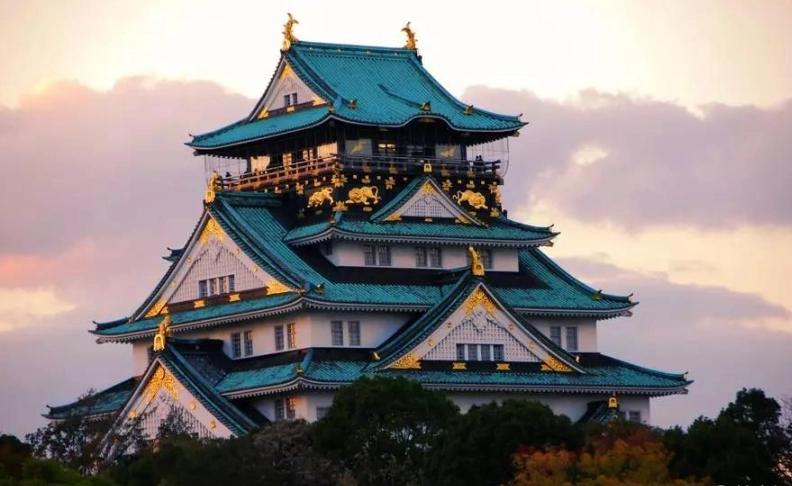
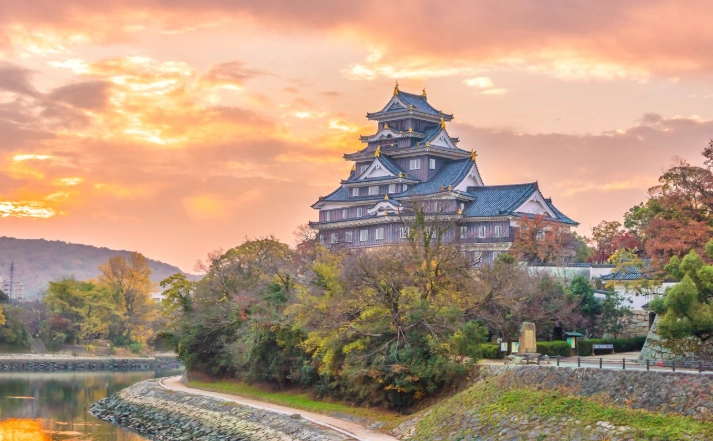
- Day 10: Osaka Castle in the morning (the museum inside is better than the rebuilt castle itself, honestly). Then, shop and eat in Shinsekai or Umeda. Depart from Kansai International Airport (KIX).
The 14-Day Explorer (Classic + Alps/Sea)
This takes the 10-day and adds a wonderful, contrasting chapter.
Follow Days 1-8 from the Classic Route (Tokyo & Kyoto). Then...
Days 9-11: The Japanese Alps - Takayama & Shirakawa-go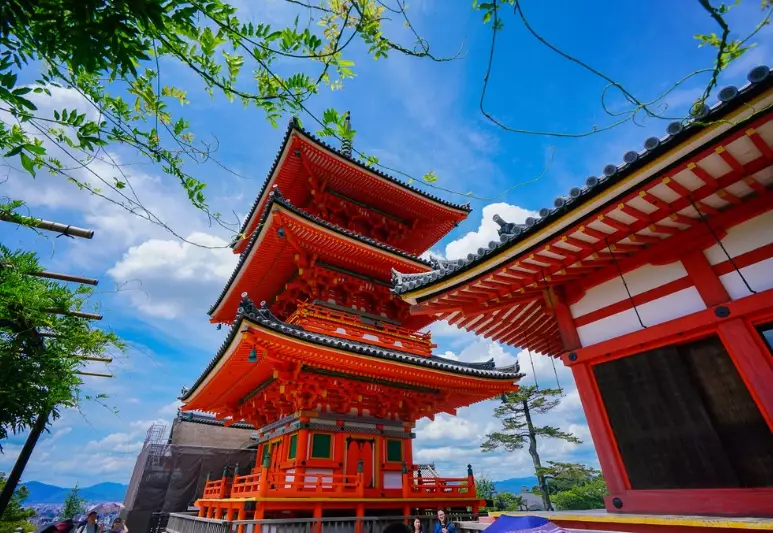
- Day 9: Travel from Kyoto to Takayama (requires a few train changes, plan ahead). This historic town in the mountains feels like a step back in time. The old town is beautifully preserved.
- Day 10: Day trip to Shirakawa-go, the UNESCO World Heritage site with unique thatched-roof "gassho-zukuri" farmhouses. The view from the observatory is picture-perfect (if the weather cooperates).
- Day 11: Morning exploring Takayama's morning markets. Then travel to Osaka (approx 4 hours).
Days 12-14: Osaka & Hiroshima/Miyajima
- Day 12: Day trip from Osaka to Hiroshima. Visit the deeply moving Peace Memorial Park and Museum. It's a heavy but essential experience. Then take a short ferry to Miyajima Island to see the iconic "floating" torii gate of Itsukushima Shrine. A long day, but profoundly worth it.
- Day 13: A proper Osaka food day. Kuromon Ichiba Market, more Dotonbori, maybe the Kaiyukan Aquarium if that's your thing.
- Day 14: Depart from KIX.
See the difference? That middle section in the Alps completely changes the flavor of the trip.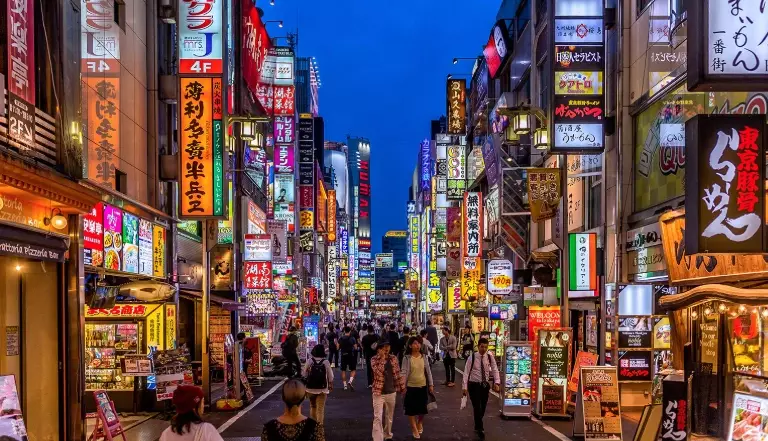
City vs. City: Picking Your Battles Wisely
Tokyo, Kyoto, Osaka... they often get lumped together, but they couldn't be more different. Understanding their personalities is key to a balanced Japan travel itinerary.
| City | Vibe & Best For | Don't Miss | My Personal Take |
|---|---|---|---|
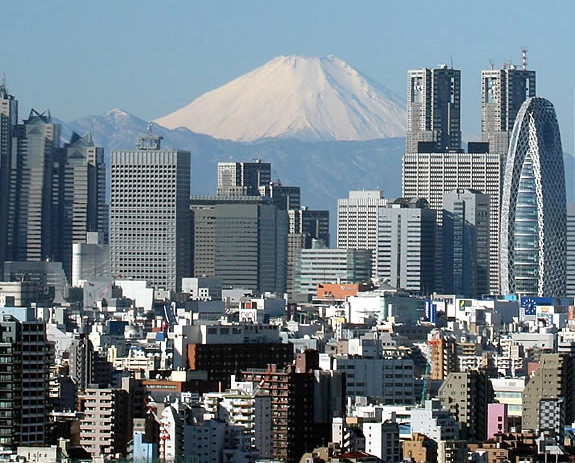
| Tokyo | Hyper-modern, sprawling, futuristic. Shopping, pop culture, nightlife, endless food variety. | Shibuya Crossing, Senso-ji, a themed cafe, a view from above (Shibuya Sky or Roppongi Hills). | It's exhilarating and exhausting. I love it, but after 4 days I crave greenery and quiet. The subway system is a marvel of efficiency that will also confuse you at least once a day. |
| Kyoto | Traditional, serene (in theory), historical. Temples, shrines, gardens, geisha culture, Zen atmosphere. | Fushimi Inari, Kiyomizu-dera, Arashiyama Bamboo Grove, a tea ceremony. | The postcard-perfect Japan. It's also the most tourist-heavy. To find its soul, wander the backstreets of Gion at dusk or visit smaller temples like Ginkaku-ji (Silver Pavilion), which I often prefer to the Golden one. |
| Osaka | Down-to-earth, friendly, food-obsessed. Street food, casual fun, castle history, vibrant nightlife. | Dotonbori at night, Osaka Castle (exterior & museum), Shinsekai district, trying okonomiyaki. | People call it Japan's kitchen for a reason. The locals are famously more direct and outgoing. It feels less polished than Tokyo, more real in a way. A great place to just eat and wander without a strict plan. |
| Hiroshima | Somber, peaceful, resilient. Modern history, peace studies, beautiful nearby nature. | Peace Memorial Park & Museum, Miyajima Island. | It's a pilgrimage, not just a sightseeing stop. The city today is beautiful and green, a powerful testament to recovery. The museum is harrowing but necessary. |
The Money Talk: Budgeting for Your Japan Itinerary
Japan has a reputation for being expensive. It can be, but it doesn't have to be. You can have a luxury trip or a very reasonable one. The key is knowing where you can save and where you shouldn't skimp.
Let's break down the main costs (per person, in USD, approximate).
- Accommodation: This is your biggest variable.
- Budget: Capsule hotels, business hotels, hostels: $30-$70/night. Clean, tiny, efficient.
- Mid-range: Standard Western-style hotel rooms or nice ryokan (traditional inns): $100-$250/night. More space, better locations.
- Splurge: Luxury hotels or high-end ryokan with kaiseki meals: $300+/night.
- Transport:
- Japan Rail Pass: The big question. It's gotten more expensive. Do the math! For a classic Tokyo-Kyoto-Osaka-Hiroshima round trip, it often still pays off. Use the official Japan Rail Pass calculator or a tool like Japan Guide's fare calculator. If you're just doing Tokyo-Kyoto-Osaka, individual Shinkansen tickets might be cheaper. Don't just buy it because it's famous.
- Local Transport: Subways and buses add up. Budget $10-$20 per day per city. An IC card (Suica, Pasmo) is essential for this.
- Food: You can eat incredibly well on a budget.
- Budget: Convenience store meals (they're amazing!), ramen shops, standing sushi bars: $15-$30/day.
- Mid-range: Casual sit-down restaurants, izakayas (Japanese pubs), mid-range sushi: $40-$80/day.
- Splurge: High-end sushi, kaiseki, famous wagyu beef: $150+/meal.
- Activities: Most temples/shrines cost $3-$8. Major museums $10-$20. A tea ceremony might be $30-$50. It's not a huge daily cost unless you're doing lots of paid tours.
When to Go: Seasons & Crowds
There is no single "best" time. Each season paints Japan in a completely different light, and your ideal Japan itinerary will shift accordingly.
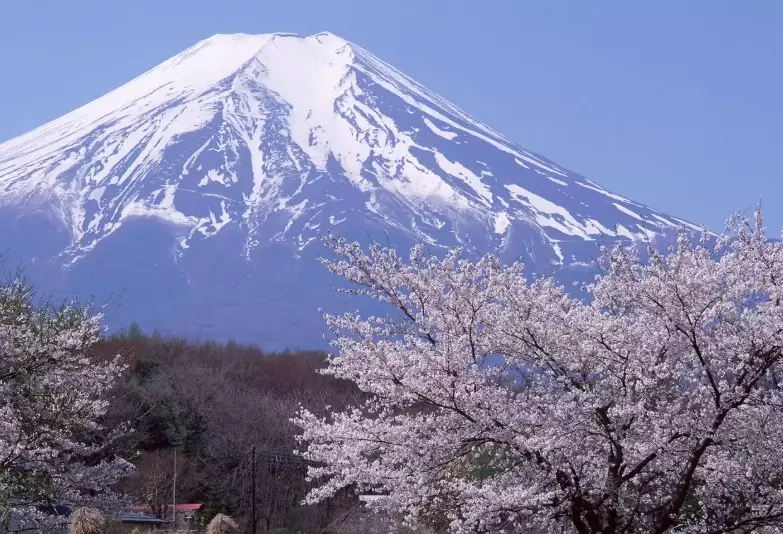
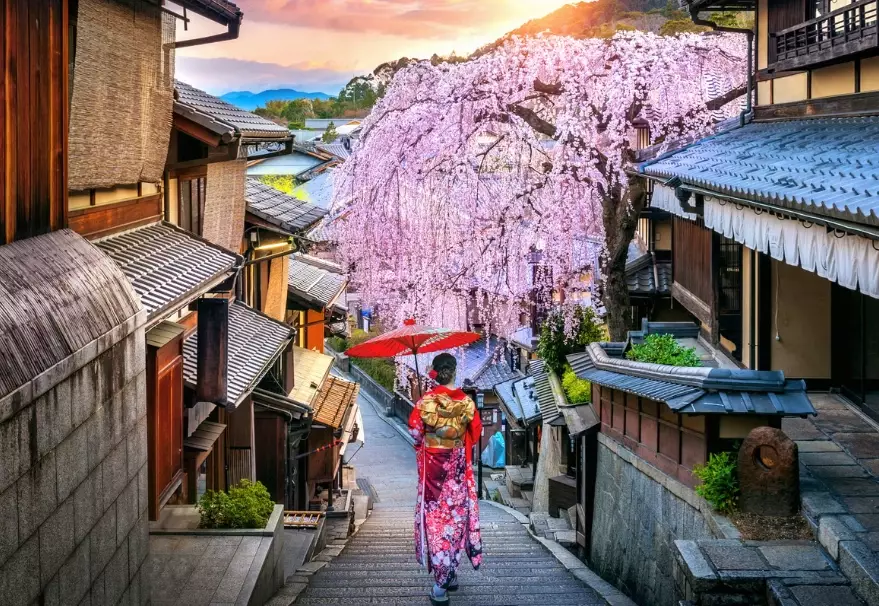
- Spring (March-May): Cherry blossoms (sakura). Magical, dreamy, and insanely crowded and expensive. Dates vary yearly; follow the "sakura front" forecasts on the Japan National Tourism Organization (JNTO) website. Late April/early May also has Golden Week, a major national holiday period—avoid if you can.
- Summer (June-August): Hot and humid, especially in cities. But it's festival season (matsuri)! Think Gion Matsuri in Kyoto and incredible fireworks displays. Good for hiking in the Alps or Hokkaido.
- Autumn (September-November): My personal favorite. Crisp air, stunning fall foliage (koyo) especially in Kyoto and the mountains. Crowds return but are generally less intense than spring. A perfect time for that 14-day itinerary with alpine sections.
- Winter (December-February): Cold, dry, and less crowded (except around New Year). Skiing in Hokkaido or the Japanese Alps is world-class. Cities are festive with illuminations. Onsen towns are particularly cozy.
So, what's the answer? For a first-timer wanting comfortable weather and manageable crowds, aim for the shoulder seasons: late October to early December, or March (before the sakura peak).
Essential Japan Travel Tips (The Stuff You Actually Need)
Beyond the sights, here are the practicalities that make or break a trip.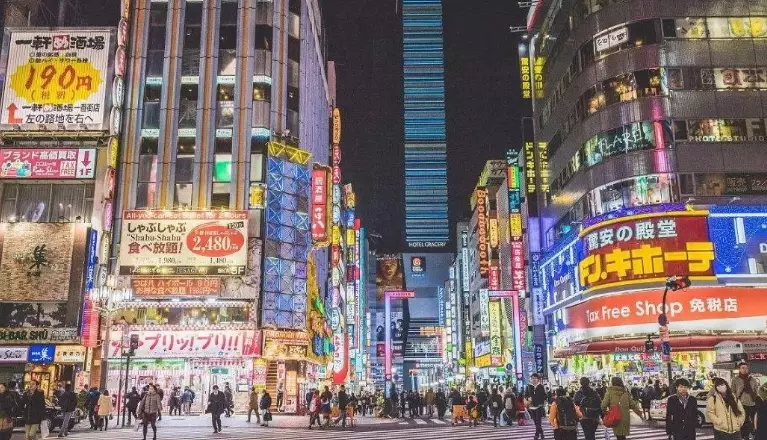
Getting Around & The Rail Pass Dilemma
We touched on the JR Pass. Let's go deeper. The pass is for JR Group trains only (Shinkansen, some local lines). It does NOT cover subways, private railways (like the Keio line in Tokyo or the Hankyu line in Osaka), or buses. You still need an IC card for those.
How to decide: Plot your long-distance trips on a site like Hyperdia (or use Japan Travel by Navitime app) and add up the fares. Compare to the cost of the pass. For a 7-day pass, you typically need a round-trip from Tokyo to Kyoto/Osaka plus one more significant leg to break even.
Money, Connectivity, & Etiquette
Cash is (Still) King: While credit cards are more common in big cities, you'll need cash for small restaurants, temples, markets, and rural areas. Get yen from airport ATMs (7-Eleven/Seven Bank ATMs are foreigner-friendly).
Pocket WiFi vs. SIM: You need data. Renting a pocket WiFi device or buying a tourist SIM/eSIM at the airport is non-negotiable for navigation and translations. I prefer an eSIM for simplicity—no extra device to carry or charge.
Etiquette in a Nutshell: Don't overthink it, but a few things go a long way.
- Be quiet on trains (no calls).
- Don't eat while walking (it's frowned upon).
- Queue properly.
- Learn basic phrases: "Arigatou gozaimasu" (Thank you), "Sumimasen" (Excuse me/Sorry).
- No tipping. Ever.
Accommodation & Booking
Book well in advance, especially for ryokans, popular hotels, and during peak seasons. For ryokans, I often use Japanican or directly contact the inn's website. For hotels, the usual global sites work.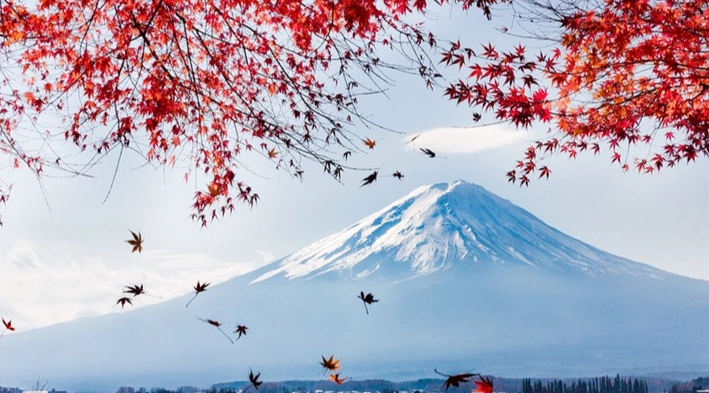
Location matters more than fancy amenities.
In Tokyo, stay near a major JR Yamanote Line station (Shinjuku, Shibuya, Tokyo, Ueno, Ikebukuro). In Kyoto, staying near Kyoto Station or along the subway lines makes life easier. In Osaka, Namba or Umeda are the hubs.
Beyond the Temples: Filling Your Japan Itinerary with Life
Your trip shouldn't just be a temple-museum-temple loop. Weave in these experiences.
- Food Pilgrimages: Have a mission. Find the best ramen in Tokyo's Shinjuku station area. Try okonomiyaki in Hiroshima vs. Osaka (they're different!). Do a sake tasting in Kyoto's Fushimi district. Visit a depachika (department store basement food hall) for a feast for the eyes.
- Onsen Experience: A public bath or hot spring is a cultural immersion. Do your research on etiquette (wash thoroughly before getting in, no tattoos in many places). A day-trip to Hakone or an overnight in a ryokan with a private bath is ideal.
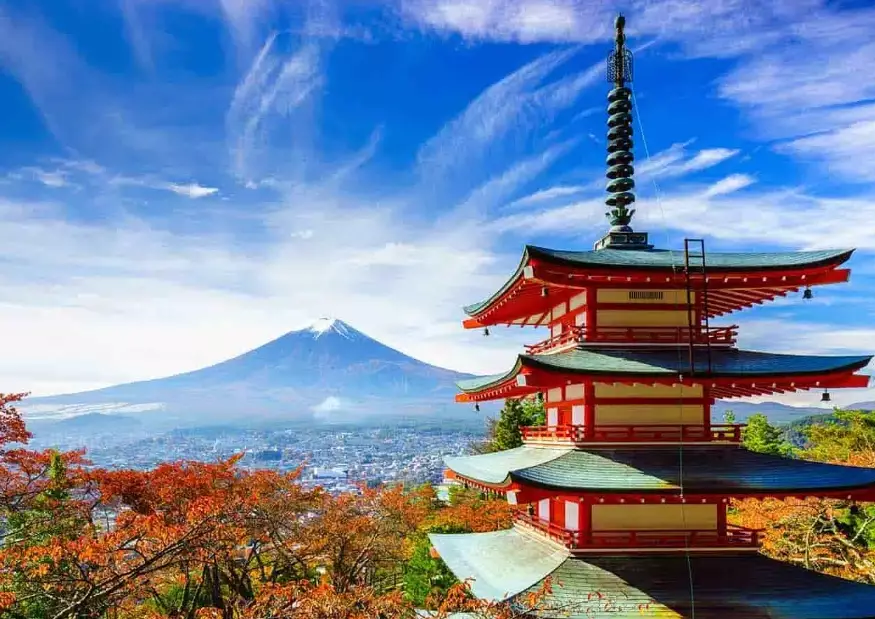
- Nature Interlude: Japan is 70% mountains. Break up the cities. A hike in Kamikochi, a walk along the Nakasendo trail between Magome and Tsumago, or a bike ride around Lake Kawaguchiko with views of Mt. Fuji.
- Pop Culture Dive: Go beyond Akihabara. Visit the Ghibli Museum (book tickets MONTHS in advance), see the giant Gundam statue in Yokohama, or explore the anime hubs of Ikebukuro or Nakano Broadway.
Common Questions (Stuff I Actually Get Asked)
Putting It All Together: Your Final Checklist
- Lock in your dates based on season and vacation time.
- Book your flights.
- Draft your skeleton Japan itinerary using the templates above. Pick your core cities and number of nights.
- Book your accommodations, especially the first few nights and any ryokans.
- Book any must-have experiences that require advance reservations (Ghibli Museum, teamLab, certain restaurants, sumo tournament tickets).
- Calculate and purchase your JR Pass (if it makes sense) before you leave. You buy an exchange order overseas and swap it for the actual pass in Japan.
- Arrange connectivity: Book pocket WiFi or research eSIM options.
- Notify your bank for travel, get some yen cash for arrival.
- Pack light! You'll be moving around. Comfortable shoes are your #1 priority. A small daypack is essential.
- Download essential apps: Google Maps (works perfectly), Japan Travel by Navitime, a translation app (Google Translate), and your airline/hotel apps.
Look, planning a trip to Japan can seem daunting. But that's half the fun. This guide should have taken the fear out of it and given you a solid, flexible framework. Remember, the goal isn't to see everything. It's to have an amazing, personal experience that leaves you wanting to come back.
Because you will want to come back. Japan has a way of getting under your skin.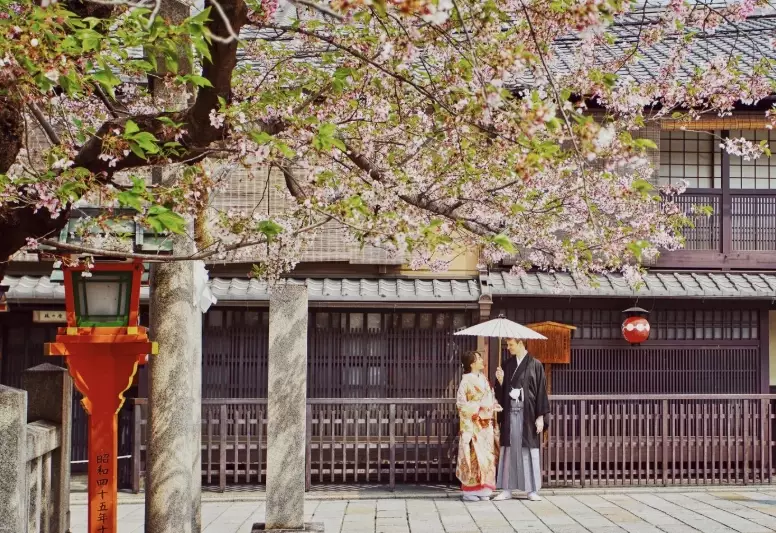
Now, stop reading and start planning. Your adventure is waiting.

Comments