Kyoto souvenirs aren't just trinkets you pick up on the way out. They're pieces of history, craftsmanship that tells a story. I learned this the hard way on my first visit, grabbing a cheap plastic fan from a stall near Kinkaku-ji. It broke before I even left the city. That experience taught me to dig deeper. In this guide, I'll share what makes Kyoto souvenirs special, where to find the real deals, and how to avoid common pitfalls. Whether you're looking for traditional pottery or edible treats, you'll get actionable info to make your shopping meaningful.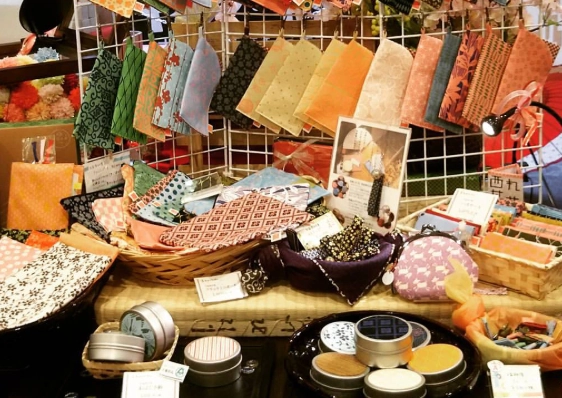
What You'll Find in This Guide
Why Kyoto Souvenirs Stand Out
Kyoto has been Japan's cultural heart for over a thousand years. That means souvenirs here aren't mass-produced junk. They're often handmade by artisans using techniques passed down through generations. According to the Kyoto City Tourism Association, traditional crafts like Kiyomizu-yaki pottery date back to the 16th century. When you buy a souvenir in Kyoto, you're supporting local craftspeople and preserving culture. It's more than a gift; it's a connection.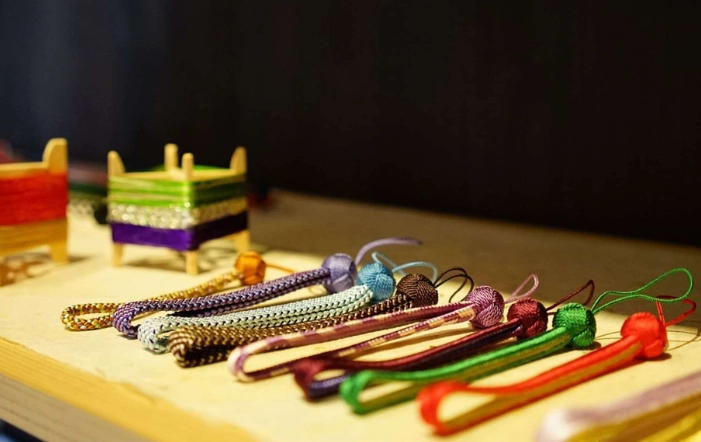
But here's something most guides miss: not all "traditional" items are created equal. Some shops in busy areas like Gion sell overpriced items that are actually made overseas. I once paid ¥5,000 for a "hand-painted" teacup, only to find a "Made in China" sticker later. That's why knowing where to shop matters.
Top Kyoto Souvenirs You Should Consider
Let's cut to the chase. Based on my visits and chats with locals, these are the souvenirs worth your yen. I've included specifics so you can plan ahead.
Kiyomizu-yaki Pottery
This is Kyoto's iconic pottery, named after the Kiyomizu Temple area. It's known for vibrant colors and intricate designs. A small cup might cost ¥2,000 to ¥8,000, depending on the artisan. Look for shops along the Sannenzaka and Ninenzaka slopes. Asahido is a standout: Address: 2-chōme-2 Kiyomizu, Higashiyama Ward, Kyoto. Open 10 AM to 5 PM, closed Wednesdays. Their pieces are all locally fired, and you can watch potters at work.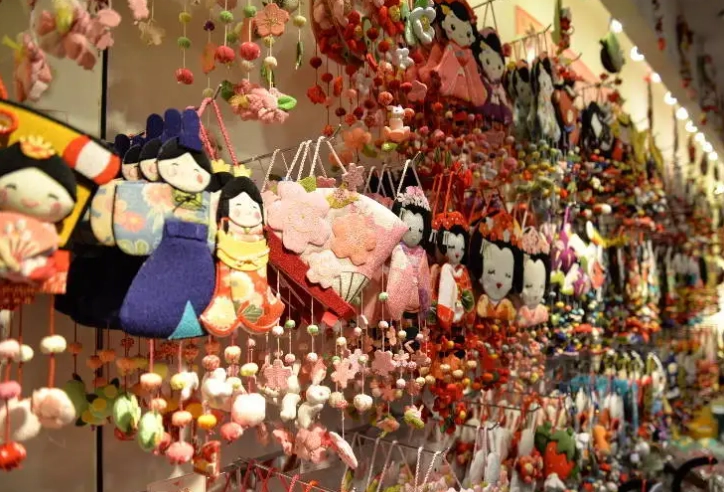
Nishijin-ori Textiles
Nishijin weaving produces luxurious fabrics used for kimonos and accessories. A silk scarf can range from ¥3,000 to ¥15,000. The Nishijin Textile Center (Horikawa-dori Imadegawa-sagaru, Kamigyo Ward) offers demonstrations and sales. Open 9 AM to 5 PM daily. But here's a tip: skip the pre-made items and opt for small fabric patches or ties. They're easier to pack and just as authentic.
Yatsuhashi Confectionery
This is a must-buy edible souvenir. Yatsuhashi are cinnamon-flavored rice crackers, often folded into triangles. They come in baked (hard) or raw (soft) versions. Izutsu Yatsuhashi near Kiyomizu-dera is famous: Address: 3-chōme-3 Kiyomizu, Higashiyama. Open 9 AM to 6 PM. A box costs around ¥1,200. I prefer the raw ones—they're softer and have a shorter shelf life, so they feel fresher.
Kyoto Green Tea and Matcha
Kyoto's Uji region produces some of Japan's best green tea. A 100g pack of high-grade sencha might be ¥2,500 to ¥5,000. Ippodo Tea Co. in central Kyoto (Teramachi-dori Nijo-sagaru, Nakagyo Ward) has been around since 1717. Open 10 AM to 6 PM. Their staff can guide you on selections. Matcha powder is pricier, around ¥4,000 for 40g, but it's worth it for the flavor.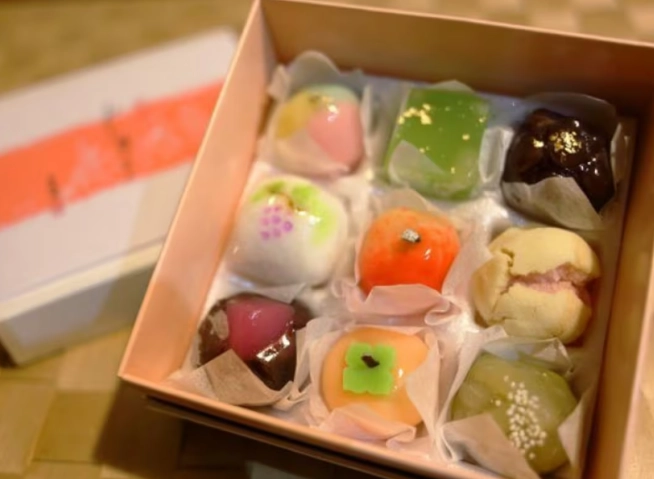
Furoshiki Wrapping Cloths
These are versatile cloths used for wrapping gifts or as bags. They're eco-friendly and beautiful. Prices start at ¥1,500 for cotton designs. Check out Kyoto Handicraft Center (17 Awataguchi Kawahara-cho, Higashiyama). Open 10 AM to 6 PM. It's touristy, but they have a wide selection. I use mine as a scarf or picnic blanket—multi-purpose souvenirs are always a win.
Where to Buy Authentic Kyoto Souvenirs
Location is everything. Here’s a breakdown of spots I rely on, from historic districts to hidden gems. I've put together a table for quick reference.
| Shop/District | Address/Area | What to Buy | Price Range | Hours |
|---|---|---|---|---|
| Kiyomizu Sannenzaka Shops | Higashiyama Ward, near Kiyomizu-dera | Pottery, local snacks | ¥1,000 - ¥10,000 | 9 AM - 6 PM |
| Nishiki Market | Nakagyo Ward, Nishikikoji-dori | Food items, kitchen tools | ¥500 - ¥5,000 | 9 AM - 6 PM (varies) |
| Arashiyama Craft Shops | Arashiyama, Saga Ward | Textiles, bamboo goods | ¥2,000 - ¥8,000 | 10 AM - 5 PM |
| Teramachi Shopping Arcade | Teramachi-dori, Nakagyo | Tea, stationery | ¥1,500 - ¥7,000 | 11 AM - 8 PM |
| Local Department Stores (e.g., Takashimaya) | Shijo Kawaramachi, Shimogyo Ward | High-end crafts, packaged gifts | ¥3,000 - ¥20,000 | 10 AM - 8 PM |
Nishiki Market is a food lover's paradise, but go early to avoid crowds. For pottery, I prefer the smaller lanes off Sannenzaka—they're less crowded and prices can be lower. Arashiyama has beautiful bamboo crafts, but some shops close on weekdays, so check ahead.
Avoid the souvenir stalls right outside major temples like Kinkaku-ji. They're convenient but often overpriced. I once saw the same fan selling for ¥800 there and ¥300 in a backstreet shop.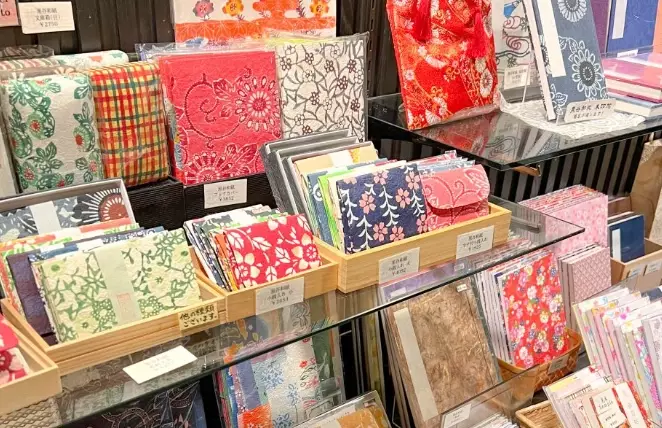
Smart Shopping Tips for Kyoto Souvenirs
Here’s where my experience pays off. These tips aren't just common sense; they're from trial and error.
Timing Matters: Shop on weekdays, especially mornings. Weekends and holidays bring tour buses. If you're buying perishables like yatsuhashi, do it on your last day to ensure freshness. Most shops near stations stay open later, but traditional ones close by 5 or 6 PM.
Budget Wisely: Set aside at least ¥10,000 for souvenirs if you want quality items. Small things like keychains (¥500-¥1,000) are fine, but invest in one or two centerpiece items. I allocate more for ceramics because they last.
Authenticity Checks: Look for signs like "手作り" (handmade) or "京都産" (made in Kyoto). Don't be shy to ask staff about the origin. In my early trips, I assumed everything was local—big mistake. Now, I always inquire.
Tax-Free Shopping: Many stores offer tax-free for purchases over ¥5,000 if you show your passport. But it's not automatic. Ask at the counter. Department stores like Daimaru have dedicated tax counters, but it can take time.
Negotiation: Generally, no. Prices are fixed in most places. I tried haggling at a market once and got a cold stare. However, at smaller artisan workshops, if you're buying multiple items, they might throw in a small discount. It's rare, though.
Your Kyoto Souvenirs Questions Answered
Kyoto souvenirs are about more than memory-keeping. They're a way to bring a piece of Japanese culture into your daily life. With this guide, you're equipped to shop smart and cherish what you buy. Remember, it's not about quantity; it's about the story behind each item. Happy shopping!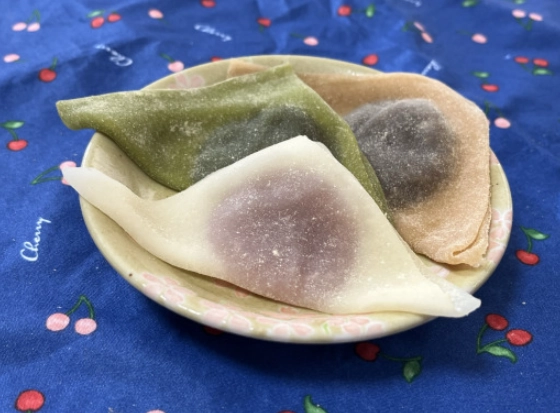


Comments