Japan travel isn't just about ticking off temples and eating sushi—it's a mix of efficiency, tradition, and hidden surprises. I've been going there for years, and every trip teaches me something new. Let's cut to the chase: if you want to travel Japan without the usual headaches, this guide spills the beans on everything from budget hacks to underrated spots. Forget the generic advice; here's what actually works.
Your Japan Trip Cheat Sheet
Planning Your Japan Trip: Essential Tips
Start with the basics. Most people overcomplicate Japan travel, but it boils down to timing and money.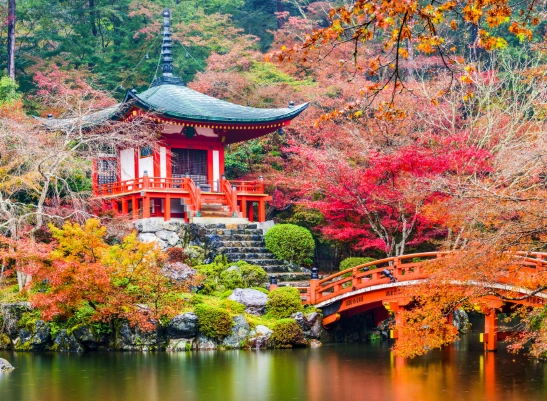
Best Time to Visit Japan
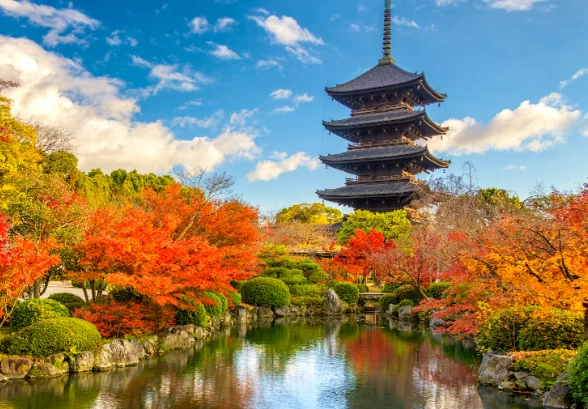
Spring for cherry blossoms? Sure, but expect crowds and higher prices. I prefer autumn—late October to November—when the leaves turn red and the weather's crisp. Summer is humid and packed with festivals, but if you hate heat, avoid July and August. Winter offers skiing in Hokkaido, but cities like Tokyo can be chilly. Check Japan National Tourism Organization for seasonal events; they update regularly.
Budgeting for Your Japan Adventure
Japan isn't as expensive as you think if you plan right. A mid-range trip costs about $100-150 per day, excluding flights. Hostels go for $20-40 a night, while ryokans can hit $200. Food: you can grab a ramen bowl for $8 or splurge on kaiseki for $100. My trick? Use convenience stores like 7-Eleven for cheap meals—their onigiri are lifesavers.
Pro tip: Book flights 3-4 months out and look for deals on Skyscanner. Accommodation in Kyoto sells out fast during peak seasons, so reserve early even if it's refundable.
Top Must-See Attractions in Japan
Everyone hits the big spots, but here's how to do them right.
Tokyo Highlights
Shibuya Crossing is iconic, but go early morning to avoid the chaos. For Tokyo Skytree, skip the observation deck if you're short on time—it's pricey at 2,100 yen for adults. Instead, head to the free Tokyo Metropolitan Government Building in Shinjuku for similar views. Senso-ji Temple in Asakusa is worth it, but the souvenir stalls get repetitive. Address: 2 Chome-3-1 Asakusa, Taito City, Tokyo 111-0032. Open 6:00-17:00, free entry.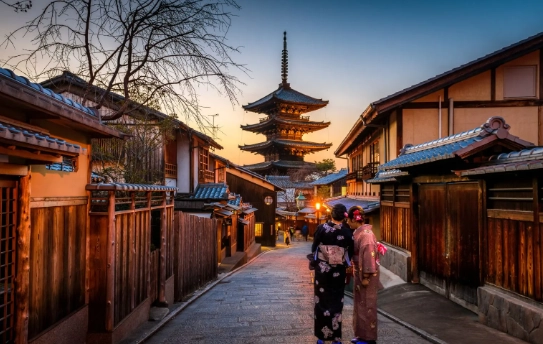
Kyoto's Cultural Gems
Fushimi Inari Shrine is stunning, but hike beyond the first few gates to escape the crowds. Kinkaku-ji (Golden Pavilion) is beautiful but small; go on a weekday afternoon. Address: 1 Kinkakujicho, Kita Ward, Kyoto 603-8361. Admission: 400 yen. Hours: 9:00-17:00. Transportation: Take bus 205 from Kyoto Station.
Hidden Gems Off the Beaten Path
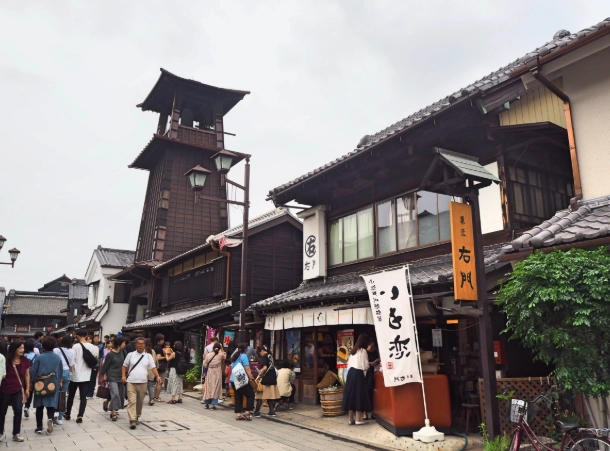
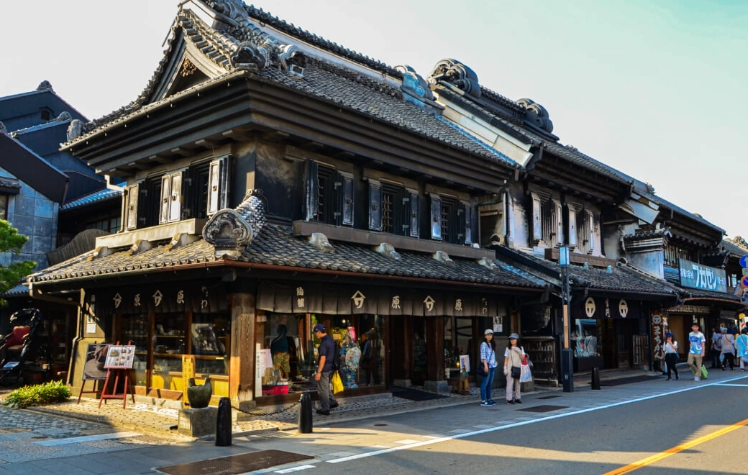
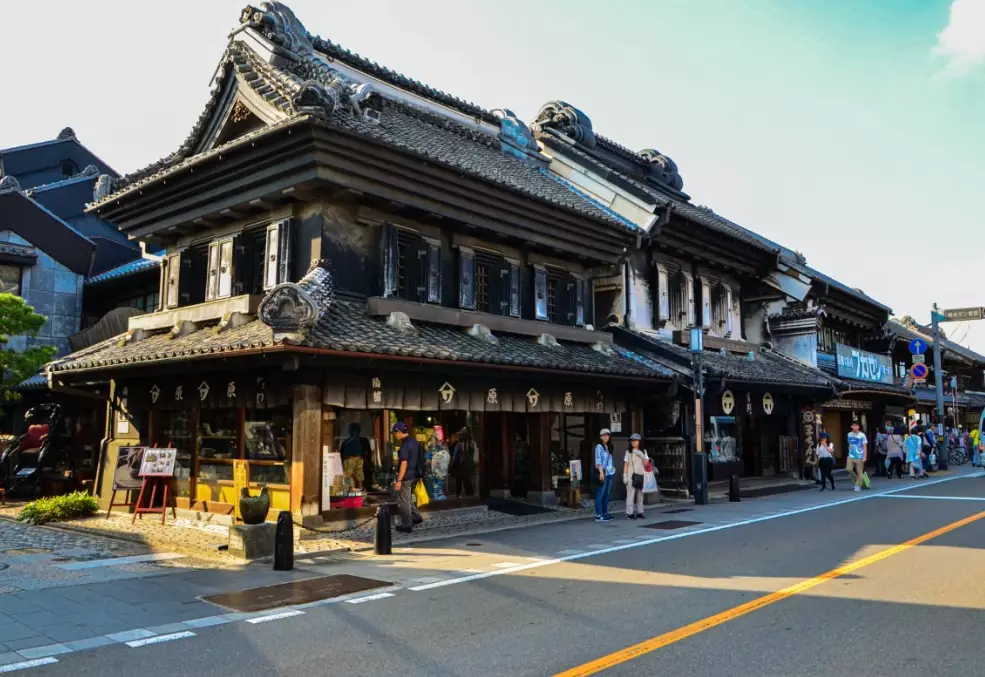
Most tourists miss the Kiso Valley for hiking the Nakasendo Trail. Or try Kanazawa for its gardens and less crowded streets. I spent a day in Takayama and loved the old town vibe—it felt like stepping back in time.
| Attraction | Location | Ticket Price (Adult) | Best Time to Visit |
|---|---|---|---|
| Tokyo Disneyland | Urayasu, Chiba | 7,900 yen | Weekdays, avoid holidays |
| Hiroshima Peace Memorial | Hiroshima City | Free (museum 200 yen) | Morning hours |
| Nara Park | Nara City | Free (temples extra) | Early morning to feed deer |
Japanese Cuisine: A Food Lover's Paradise
Japanese food is more than sushi. Let's get specific.
Must-Try Dishes
Ramen varies by region: tonkotsu in Fukuoka, miso in Sapporo. Okonomiyaki in Osaka is a savory pancake you cook yourself—fun but messy. Don't skip street food like takoyaki from street stalls in Dotonbori.
Recommended Restaurants in Major Cities
In Tokyo, try Ichiran Ramen for a solo dining experience—multiple locations, open 24/7, bowls around 890 yen. For sushi, Sushi Zanmai in Tsukiji is decent and affordable. In Kyoto, Gion Karyo offers kaiseki but books out months ahead. Address: 570-123 Gionmachi Minamigawa, Kyoto. Price: from 15,000 yen per person.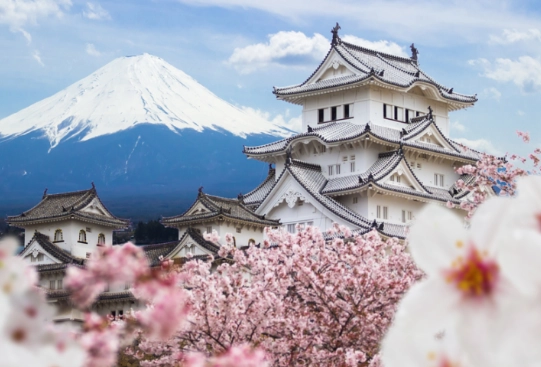
I had a bad experience at a tourist trap in Shinjuku—overpriced and bland. Stick to places with lines of locals.
Where to Stay in Japan: Accommodation Options
Choose based on your style and budget.
Hotels vs Ryokans
Hotels are convenient, but ryokans offer a cultural experience. I stayed at a ryokan in Hakone and loved the onsen, but the futon was hard for my back. Prices range from $100 to $500 per night. For hotels, APA Hotel chain is cheap and clean, with locations nationwide.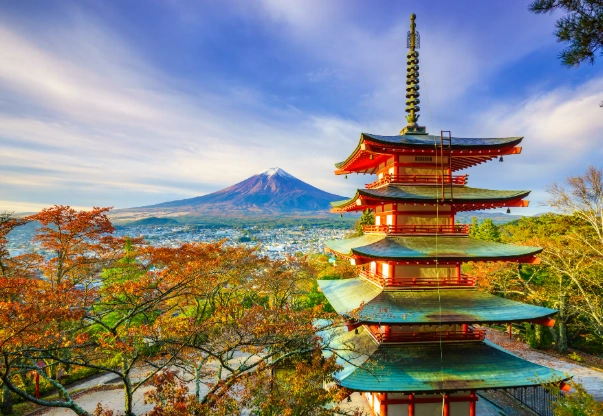
Budget-Friendly Stays
Capsule hotels are fun for a night—try Nine Hours in Shinjuku, about $30 per night. Hostels like Khaosan Tokyo are social and cheap. Airbnb is regulated now, so check legality; I got fined once for an unregistered listing.
- Luxury Pick: Park Hotel Tokyo—great views, around $200/night.
- Mid-Range: Mitsui Garden Hotel Ginza—central, $120/night.
- Budget: Book and Bed Tokyo—hostel with books, $25/night.
Sample Japan Itinerary: 7-Day Classic Route
This is a packed schedule, but it covers the highlights. Adjust based on your pace.
Day 1-2: Tokyo—Arrive at Narita or Haneda. Hit Shibuya, Shinjuku, and a museum. Use the JR Yamanote Line for ease.
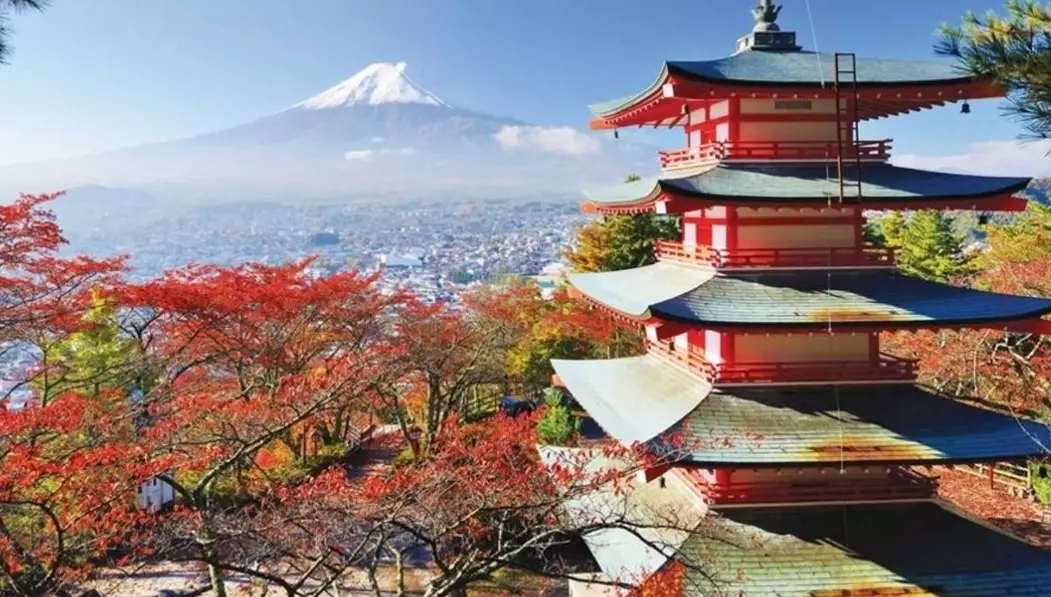
Day 3: Travel to Hakone—Take the Shinkansen from Tokyo Station to Odawara (about 40 minutes, covered by JR Pass). Soak in an onsen and see Mount Fuji if clear.
Day 4-5: Kyoto—Shinkansen to Kyoto (2.5 hours). Visit Fushimi Inari, Kiyomizu-dera, and Gion district. Rent a bike to explore.
Day 6: Day Trip to Nara—Train from Kyoto (45 minutes). Feed deer at Nara Park and see Todai-ji Temple.
Day 7: Osaka—Short train from Kyoto. Eat in Dotonbori and shop in Shinsaibashi before flying out from Kansai Airport.
I skipped Hiroshima on this route due to time, but if you have extra days, add it—the Peace Memorial is moving.
Navigating Japan: Transportation Tips
Japan's transport is efficient but confusing at first.
The Japan Rail Pass is worth it if you're doing long-distance travel. Calculate your routes on Hyperdia—a website for train schedules. For local travel, IC cards like Suica are must-haves; tap and go on trains and buses. I learned the hard way that taxis are expensive; a short ride in Tokyo cost me $30.
Buses in rural areas can be infrequent, so check timetables in advance. Renting a car? Only for places like Hokkaido; otherwise, trains are better.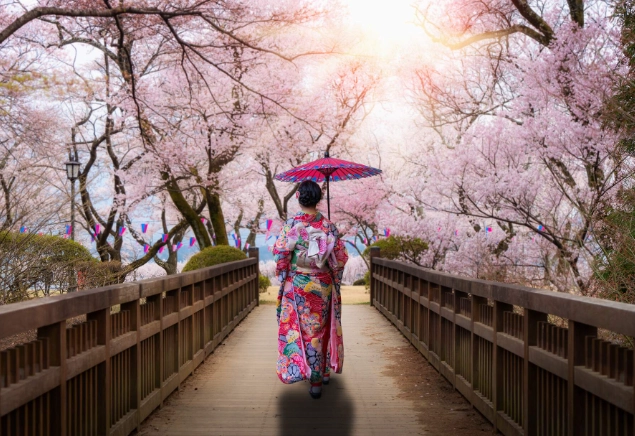
Frequently Asked Questions
That's a wrap. Travel Japan with an open mind, and you'll find it's one of those places that keeps calling you back. Pack light, bring comfy shoes, and don't stress over every detail—sometimes the best moments are unplanned. Safe travels!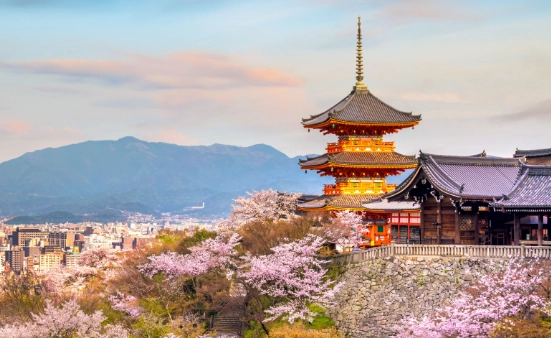
Comments