Quick Guide to Japan's Beaches
- Beyond the Yes or No: The Incredible Diversity of Japanese Beaches
- Top Contenders: The Beaches That Answer "Yes" Loud and Clear
- Timing is Everything: When to Hit the Sand
- The Japanese Beach Culture: What to Expect (Etiquette & Vibe)
- Your Practical Beach Trip Toolkit
- Frequently Asked Questions (The Stuff You Really Want to Know)
- Final Thoughts: Redefining Your Expectations
So you're planning a trip to Japan. Temples, sushi, neon cities – that's the usual picture, right? But then a thought pops into your head: does Japan have good beaches? It's a fair question. When you think of world-class beaches, your mind probably drifts to the Maldives, Thailand, or the Caribbean. Japan, with its reputation for technology and tradition, doesn't always scream "beach vacation."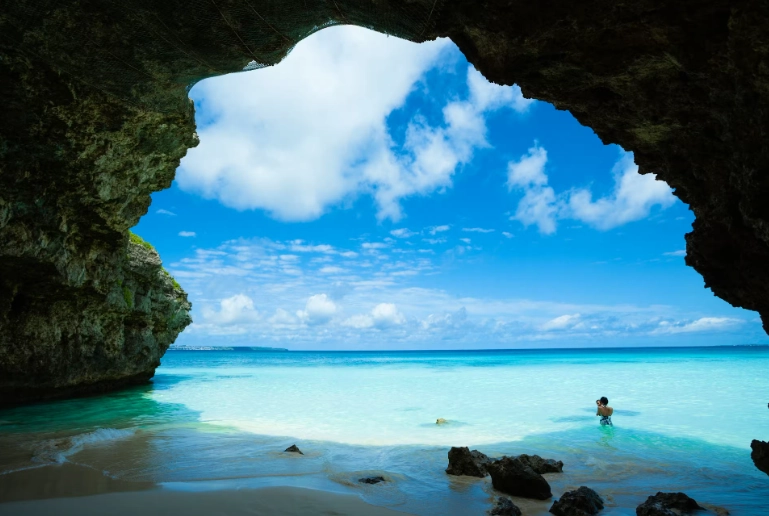
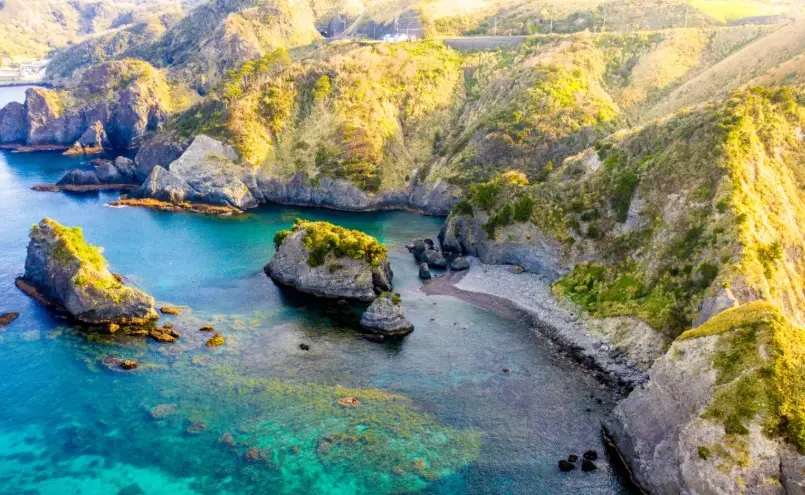
Let me cut to the chase. The answer is a resounding yes. But – and this is a big but – the definition of "good" and what you're looking for matters a ton. Japan's coastline is staggeringly long, over 29,000 kilometers, stretching from subtropical islands in the south that feel like Southeast Asia to rugged, wild coasts in the north. The variety is honestly mind-blowing.
I remember my first time visiting a beach here. I was expecting maybe something small, crowded, and functional. What I found in Okinawa was water so clear and blue it looked edited, sand as fine as powder, and a vibe that was completely laid-back. It was a total revelation. That experience made me want to dig deeper, to explore beyond the postcard images. And that's what this guide is for. We're going to move past the simple yes or no and really unpack what makes a Japanese beach "good," where to find the ones that match your dream, and all the practical stuff you need to know that other guides often gloss over.
Quick Reality Check: Not every beach in Japan is a paradise. Some, especially near big cities, can be crowded, have murkier water, or be more focused on beachside entertainment (think loud music, plastic floats) than serene nature. That's why knowing where and when to go is half the battle.
Beyond the Yes or No: The Incredible Diversity of Japanese Beaches
Asking does Japan have good beaches? is like asking if Italy has good food. It's too broad. You need to break it down. Japan's beaches are deeply tied to their geography and climate, creating distinct personalities. To make sense of it all, let's look at the main characters in this coastal story.
| Region | Climate & Vibe | Water & Sand Quality | Best For | Think Of It As... |
|---|---|---|---|---|
| Okinawa & Southern Islands (e.g., Ishigaki, Miyakojima) | Subtropical to tropical. Warm year-round, hot & humid summers. Ultra-relaxed, island time. | Exceptional. Turquoise to deep blue waters, exceptional visibility for snorkeling. White, often coral-based sand. | Snorkeling, diving, winter sun escapes, luxury resorts, families seeking calm, clear water. | Japan's version of Hawaii or the Caribbean. |
| Mainland South (Kyushu, Shikoku, Wakayama) | Warm temperate. Hot summers, mild winters. Mix of popular local spots and hidden gems. | Generally good to very good. Clear blue-green waters. Sand varies from golden to white. | Classic beach holidays, surfing (some spots), combining culture with coast. | The classic Japanese beach experience. |
| Izu & Shonan Peninsula (Near Tokyo) | Mild, but cooler water. The "weekend escape" for Tokyoites. Can get extremely crowded in summer. | Fair to good. Water is clearer further south on Izu. Sand is often darker. Not for tropical expectations. | Quick getaways from Tokyo, surfing (especially in Chiba/Shonan), beachside cafes and drives. | California vibes for Tokyo – busy, trendy, accessible. |
| Sea of Japan Coast (e.g., Niigata, Tottori, Ishikawa) | Distinct seasons, snowy winters. Often more rugged and dramatic scenery. | Can be rougher with stronger waves. Water is deep blue. Sand is often very fine and light. | Surfing (powerful waves), stunning sunsets, unique landscapes (like Tottori Sand Dunes), seafood. | The wild, scenic, and less-trodden side. |
| Hokkaido | Subarctic. Short, cool summers. Wild, remote, and utterly uncrowded. | Cold, crystal clear waters. Pristine and untouched feeling. Not for swimming for long. | Nature lovers, photographers, hiking along dramatic coasts, solitude. | Japan's Alaska – raw, beautiful, and bracing. |
See what I mean? The range is insane. If you want palm trees and bathtub-warm water, you go south. If you want epic surf and empty shores, you look west or north. So when someone asks does Japan have good beaches?, my first response is always: What kind of beach are you dreaming of?
Top Contenders: The Beaches That Answer "Yes" Loud and Clear
Alright, let's get specific. Based on years of poking around and talking to fellow travelers and locals, here are the places that consistently deliver on the promise of a fantastic beach day. I've broken them down by region to help you plan.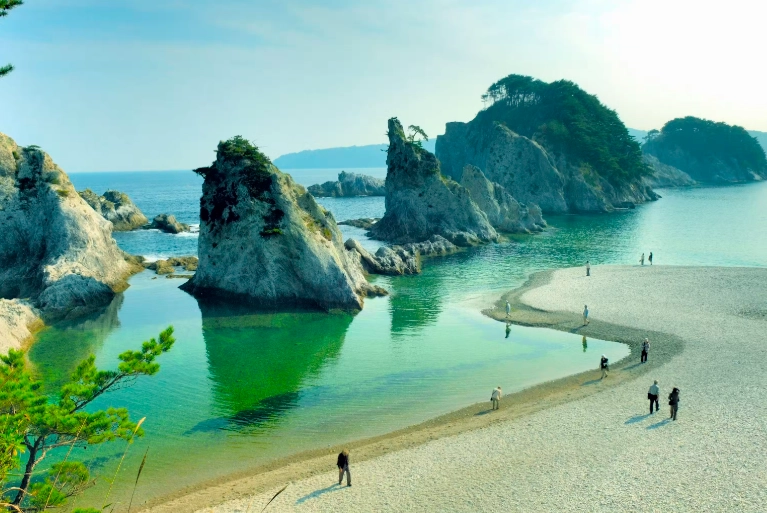
Okinawa & The Southern Islands: The Heavy Hitters
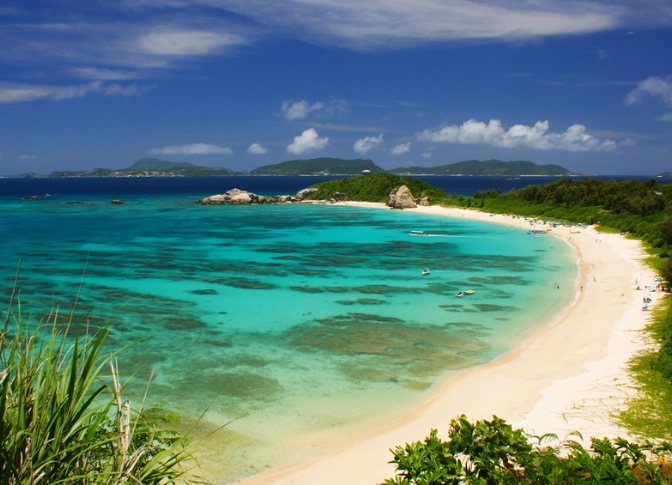
This is where Japan unequivocally proves it has world-class beaches. The Okinawa archipelago is a chain of islands stretching towards Taiwan, and the water here is a different universe.
- Emerald Beach (Okinawa Main Island): Manicured, family-friendly, and part of the Ocean Expo Park. The water is a stunning emerald green (hence the name), it's protected, and facilities are top-notch. Great for kids and first-timers. Can feel a bit "park-like," but the beauty is undeniable.
- Sunset Beach (Chatan, Okinawa): The name says it all. A long, pleasant stretch perfect for a stroll, swimming, and watching the sun dip below the horizon with American Village in the background. It's lively, has plenty of amenities, and is easily accessible.
- Yonaha Maehama Beach (Miyakojima): Often called one of the best beaches in Japan. Seven kilometers of pure, blindingly white sand and shallow, turquoise water. It's breathtakingly beautiful. The downside? It's famous, so it can get visitors. Go early or late for more solitude.
- Kabira Bay (Ishigaki): Not a swimming beach (due to pearl farming and currents), but arguably one of the most beautiful coastal scenes in the country. The bay is a mosaic of blues, with strange rock formations and lush greenery. You take a glass-bottom boat tour to see the coral and fish. It's a must-see that redefines coastal beauty.
My personal favorite is a smaller spot on Ishigaki called Fusaki Beach. It's quieter than Maehama, the sand is like walking on flour, and the sunset views are unreal. I spent an entire afternoon there just reading and wading, and it was pure bliss. It’s places like this that make the answer to "does Japan have good beaches?" an easy, enthusiastic yes.
Mainland Gems: Beaches with a Side of Culture
You don't always have to fly to a remote island. Some of Japan's best beaches are on the main islands, often within easy reach of cultural sites.
- Shirahama (Wakayama): The name means "White Beach," and it delivers. This is one of Japan's oldest and most famous resort beaches, with a lovely curve of white sand backed by pine trees. The water is clean and swimmable. The area is also famous for its onsens (hot springs) – imagine soaking in a seaside bath after a day in the sun. Perfection.
- Katsuura Coast (Chiba): A surfer's paradise with a string of great beaches like Onjuku and Iwawada. The vibe is young, casual, and active. The water can be a bit cooler and rougher, perfect for riding waves. The scenic Kominato Railway that runs along parts of the coast is a bonus.
- Yurigahama Beach (Kagoshima): A magical sandbar that appears only during low tide on certain days near Yoron Island. It's a temporary paradise of pure white sand in the middle of the sea. Getting there requires timing and a boat tour, but the otherworldly experience is worth the effort.
The Wild Cards: Unique and Dramatic Shores
- Tottori Sand Dunes (Tottori): Technically not a swimming beach, but an awe-inspiring coastal desert landscape. Massive dunes roll right into the Sea of Japan. You can walk, sandboard, or just marvel at the sheer scale. It's a powerful reminder of nature's variety.
- Jodogahama Beach (Iwate): "Pure Land Beach" – a name that fits. Located in a beautiful bay on the Sanriku Coast, it features striking white volcanic rocks, clear blue water, and green pines. It's more for scenic boat tours and peaceful walks than sunbathing, but its beauty is profound and serene.
Timing is Everything: When to Hit the Sand
This is crucial. A beach that's paradise in July can be windy and chilly in October. The Japanese beach season is surprisingly short and intense on the mainland.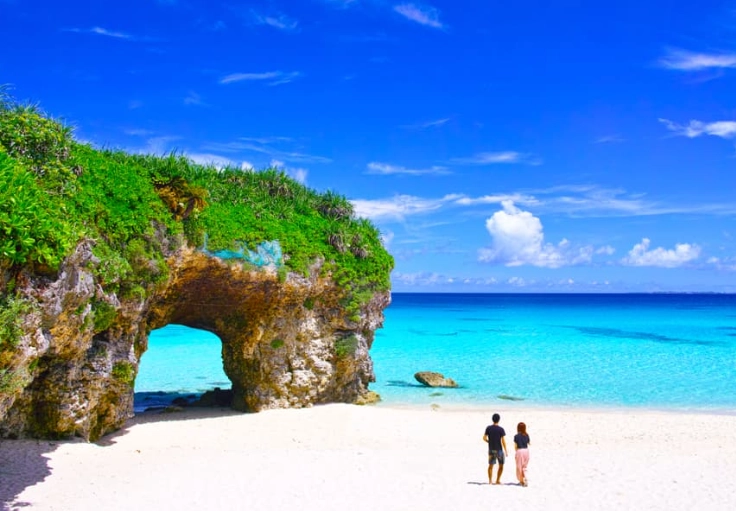
Official Swimming Season (Kaisuiyoku): Most managed beaches have a designated season, typically from early July to late August. This is when lifeguards are on duty, facilities (showers, toilets, concession stands) are open, and the water is deemed warm enough. Outside this period, swimming is often prohibited and facilities are closed.
Yes, it's a short window.
Pro Tip: The crowds peak during Obon festival in mid-August and on summer weekends. If you hate crowds, aim for weekdays in early July or late August. The water is still warm, but you'll have more space.
Okinawa & Southern Islands: Here, you have way more flexibility. Swimming is comfortable from April through October, and many hardy souls swim year-round. Winter (Dec-Feb) is mild and sunny, perfect for escaping the cold – though the water will be brisk (low 70s F / low 20s C). This is the secret to a fantastic beach holiday in Japan: go south in the shoulder or even winter seasons.
Shoulder Seasons (May-June, Sept-Oct): On mainland beaches, these months can be lovely for walks, picnics, and photography. The air is warm, but the water might be too cold for most people to swim comfortably. However, the lack of crowds is a huge plus.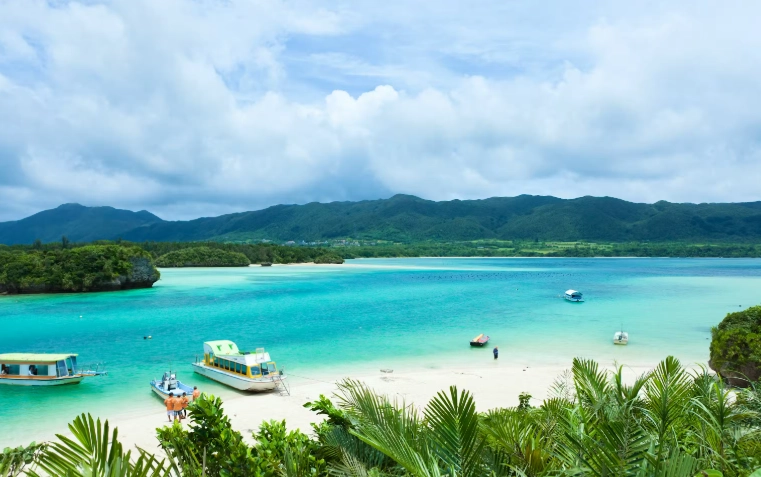
The Japanese Beach Culture: What to Expect (Etiquette & Vibe)
Going to a beach in Japan isn't just about geography; it's a cultural experience. Knowing the norms will make your day smoother and more enjoyable.
- Cleanliness is Sacred: Japanese beaches are typically spotless. You are expected to take all your trash with you. There are often designated trash collection points at the entrance/exit. Leaving litter is a major faux pas.
- Facilities: Managed beaches during season will have toilets, showers (often coin-operated, ~100 yen), changing rooms, and rental shops for umbrellas, mats, and floats. Some even have lockers.
- Swim Areas: Pay attention to ropes and buoys. They mark the safe swimming zone patrolled by lifeguards. Venturing outside is dangerous and frowned upon.
- Noise & Atmosphere: Beaches near cities can be lively with groups playing music, drinking, and being boisterous. More remote or upscale resort beaches are quieter. Research the vibe if you have a preference.
- Food: Concession stands (kaiten-sho) sell basics like ramen, curry, fried chicken, ice cream, and drinks. For a better experience, pack a bento (boxed lunch) or grab something from a convenience store.
- Alcohol: Drinking beer or chu-hai (a canned cocktail) on the beach is common and generally accepted. Just be responsible and clean up.
- Sun Protection: Japanese beachgoers often cover up with rash guards, hats, and parasols. Sunscreen is a must, but you may notice less oil-slathered sunbathing than in some Western countries.
Your Practical Beach Trip Toolkit
Getting There & Around
For Okinawa and remote islands, you'll need to fly. Airlines like ANA and JAL have many routes, as do low-cost carriers like Peach and Jetstar. Once on the islands, renting a car is highly, highly recommended. Public transport to the best beaches is limited or non-existent. For mainland beaches near cities, trains and buses can work, but a car still offers the most freedom. Check rental options on sites like ToCoo! Travel or the major companies (Nippon Rent-A-Car, Times Car Rental).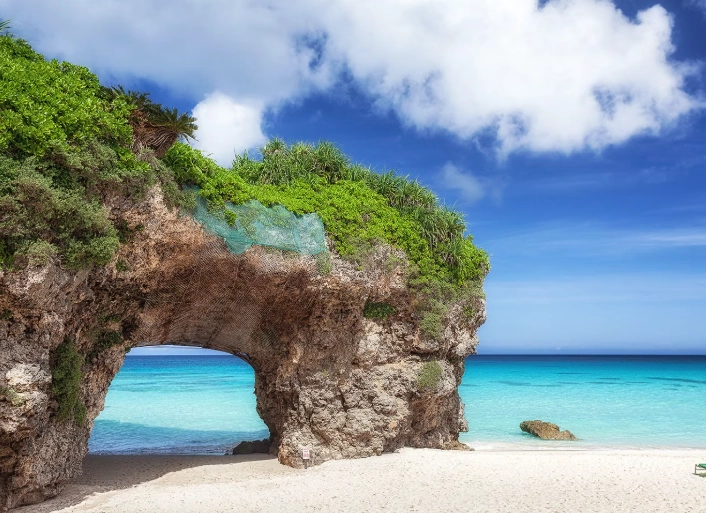
What to Pack (Beyond the Obvious)
- Cash: Many beachside facilities, small rental shops, and parking lots are cash-only.
- Water Shoes: Some beaches, especially in Okinawa, have coral or rocky sections in the water. A cheap pair of water shoes protects your feet and is a game-changer.
- Microfiber Towel: Dries fast, packs small. You can also buy beach towels there, but they can be pricey and generic.
- Portable Ashtray: If you smoke, this is essential. Never flick ash or butts into the sand.
- A Small Bag for Trash: To hold your wrappers until you find a bin.
- Japanese Sunscreen: Consider buying it locally. It's often lightweight, non-greasy, and highly effective. Brands like Anessa and Skin Aqua are excellent.
Safety Considerations
Pay attention to flags and lifeguard instructions. Red flag means no swimming. Yellow means caution. Beware of strong currents (especially on the Sea of Japan coast and some Pacific sides). Jellyfish can be a seasonal issue – heed warnings. Stay hydrated; the sun and humidity can be deceptive. For official weather and marine warnings, always check the Japan Meteorological Agency website.
Frequently Asked Questions (The Stuff You Really Want to Know)
Final Thoughts: Redefining Your Expectations
So, after all this, let's circle back to the core question one last time: Does Japan have good beaches?
The evidence is overwhelming. Japan doesn't just have good beaches; it has an astonishing array of them, each with its own character. From the tropical fantasy of Okinawa's Kabira Bay to the wild, windswept dunes of Tottori, the quality and diversity are there for anyone willing to look beyond the Tokyo-Kyoto circuit.
The key is alignment. Align your expectations with the right region and season. If you want a classic tropical beach holiday with guaranteed warm water, book a flight to Ishigaki or Miyakojima. If you want to mix ancient temples with an afternoon swim, head to Shirahama in Wakayama. If you crave solitude and dramatic scenery, explore the coasts of Hokkaido or the Noto Peninsula.
My advice? Don't let Japan's high-tech, urban image fool you. Pack your swimsuit, your sense of adventure, and a respect for the local customs. You might just discover that some of your most memorable moments in this incredible country happen not in a temple or a skyscraper, but with your toes in the sand, listening to the waves of the Sea of Japan or the East China Sea. The beaches are waiting, and they are definitely good.
Ready to Plan? For official tourism information, island guides, and event calendars, a fantastic resource is the Okinawa Official Tourism Website. For nationwide travel info, the Japan National Tourism Organization (JNTO) site is the official starting point.

Comments